
You are currently browsing the category archive for the ‘Amateur’ category.
Last week, when Foto8 ran Katarzyna Mirczak‘s article about of the detached and preserved skin of prisoners’ tattoos, I was, of course, compelled to post about it. But, in truth, I need to do a lot more than duly note a story published elsewhere.

HOW HAVE PHOTOGRAPHERS TAKEN ON THE SUBJECT OF PRISON TATTOOING?
The simple answer is with limitations. Photography can describe tattoos very precisely, but description is not comprehension. Often, prison tattoos are a tactically guarded language.
Even if tattoo symbols are deciphered, they may carry different meanings in other cultures. Prison systems exist across the globe, within and “outside” different political regimes, thus the tattoos of each prison culture should be considered according to their own rules – and this caveat applies even at local levels.
Janine Jannsen offers a good introduction to the history of different tattooing cultures. She summarises tattooing in “total institutions” (navy, army, the penitentiary); tattoos and gender; and tattoos and the demarcation of space.
With regards to prison tattoos, maybe it helps us to think of photography as secondary to sociological research. Photography should be thought of as an illustrative tool to aid external inquiry.
That said, there are a number of photographers who have made honorable efforts to describe for a wider audience much of the significance of prison and gang tattoo cultures.
Araminta de Clermont
After their release from prison, Araminta de Clermont tracked down South African gang members and discovered their stories. Interview with Araminta and her subjects here.

© Araminta de Clermont
Donald Weber
Donald Weber mixed with former prisoners (‘zeks’) in Russia and concentrated on how their prison tattoos relate to their identity and criminal lifestyle. The relationships of these men with female criminals and prostituted women (‘Natashas’) who become their companions feature in Weber’s complex investigation.
“Some rules are simple: you can only get a tattoo while in prison.”

September 1, 2007: Vova, zek. The origins of Russia’s criminal caste lie deep in Russia’s history. Huge territories of Russia were inhabited by prisoners and prison guards. Thieves, or zeks, distinguish themselves from others by tattoos marking their rank in the criminal world: there are different tattoos for homosexuals, thieves, rapists and murderers. © Donald Weber / VII Network.
Rodrigo Abd
Rodrigo Abd‘s portraits of Mara gang members in Chimaltenango prison in Guatemala illustrate gang tattoos that are used less and less (from 2007 onwards) due to the unavoidable affiliation and violence they brought the bearer; “After anti-gang laws were approved in Honduras and El Salvador, and a string of killings in Guatemala that were committed by angry neighbors and security forces, gang members have stopped tattooing themselves and have resorted to more subtle, low profile ways of identifying themselves as members of those criminal organizations. Today, gang members with tattooed faces, are either dead, in prison or hiding.”

© Rodrigo Abd / AP
Luis Sinco
In 2005, Luis Sinco of the Los Angeles Times documented Ciudad Barrios Penitentiary in El Salvador, home to 900 gang members, many of whom have been deported from the US. Ciudad Barrios incarcerates only members of the MS-13 gang, which traces its roots to the immigrant neighborhoods west of downtown L.A.
“In the woodshop, inmates made a variety of home furnishings, most of which featured the MS-13 logo. The items sold outside the walls help supplement the prisoners’ meager food rations.”
“It was a of microcosm of L.A.’s worst nightmare transplanted. Claustrophobic, crowded tiers led to darkened, bed-less holding cells and fetid latrines overflowing with human waste.”
Multimedia here.
Moises Saman
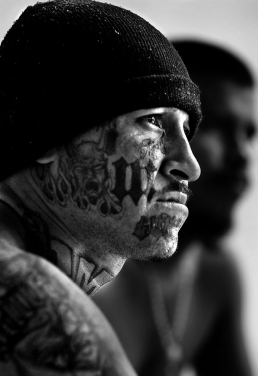
In 2007, Moises Saman documented the anti-gang activities of Salvadorian Special Police and the inside of Chalatenango prison, El Salvador. At times Saman’s project focused on the tattoos but is more generally a traditional documentary project. More here and here.

© Moises Saman
Isabel Munoz
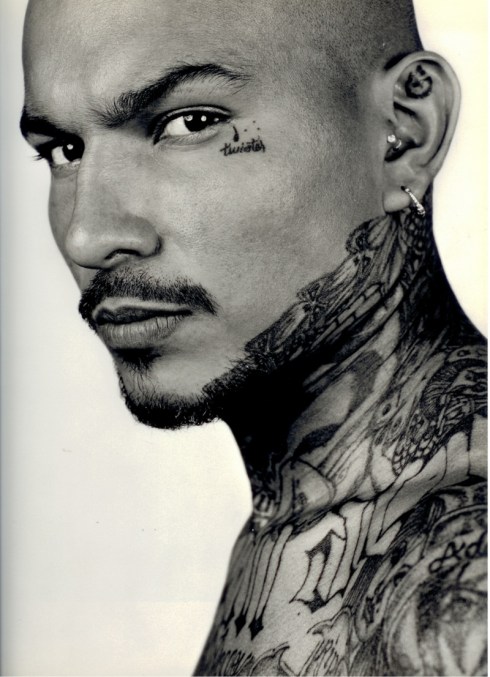
Much of Isabel Munoz‘s portraiture deals with markings of the body – what they reveal and conceal. For example, she has previously photographed Ethiopian women and their scarification markings. For her project Maras, Munoz shot sixty portraits in a Salvadorian prison of ex-gang-members. She also photographed the women in these mens’ lives. More here and here.
© Isabel Munoz
Christian Poveda
In El Salvador, Christian Poveda photographed and filmed Mara Salvatrucha (known as MS) and M18, the two Las Maras gangs in open conflict. Poveda wanted to describe their mutual violence and the absence of ideological or religious differences to explain their fight to the death. He described the origins of their war as “lost in the Hispanic barrios of Los Angeles” and as “an indirect effect of globalisation.”
Poveda was shot dead aged 52 as a direct consequence of his journalism. His work from El Salvador was entitled La Vida Loca. Full gallery can be seen here. B-Roll from his work can be seen here.

© Christian Poveda
More Resources
Ann T. Hathaway has collated (disturbing) information and links here about a number of prison tattoo codes.
Russian criminal tattoos have warranted their own encyclopaedia.

Spread from Toppled
Toppled by Florian Göttke
Two weeks ago, Foto8’s Guy Lane reviewed Toppled by Florian Göttke. The review is what it is – a description of Göttke’s “(mainly) pictorial study of the destruction, desecration and mutation of many of Iraq’s plentiful statues of its former dictator.”
Lane’s conclusion points to the significance of Göttke’s study:
“Perhaps this might all appear somewhat peripheral, an iconographical diversion from the real business – invasion, subjugation, and expropriation – of Occupation. But from amongst Göttke’s collated written testimonies and reports, it is possible to sense something of the importance that was attached to the Coalition’s iconoclasm. For example, a BBC account of British activities in Basra concluded that ‘the statue of Saddam is in ruins. It is the key target of the whole raid.’ Meanwhile, in Baghdad a US army captain was ordered to delay destroying a statue until a Fox TV crew arrived. Most famously, the Firdous Square episode appears to have been – to a degree – choreographed for the benefit of the foreign media based in the overlooking Palestine Hotel. ‘American and British press officers were indeed actively looking for the opportunity to capture the symbolic action of toppling statues and have the media transmit these to the world,’ writes Göttke. As such, Toppled’s events and pictures correspond tellingly and damningly to the Retort group’s analysis of our ‘new age of war’.”
Would I buy the book? Probably not. The book is a concept. I understand the concept. And, the images are essentially props to the concept (illustrations of the new biographies of statues, of things).
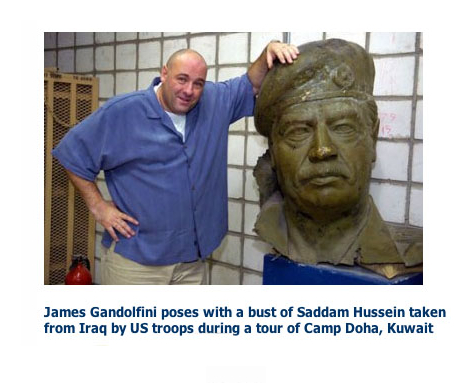
Besides, I can get my fill elsewhere. The best (most ridiculous) image – James Gandolfini meets the Butcher of Baghdad – is on the accompanying Toppled website.
SADDAM’S PERSONAL PHOTO ALBUM
Göttke’s work leaves me wondering how Saddam’s personal photo-album fits in?
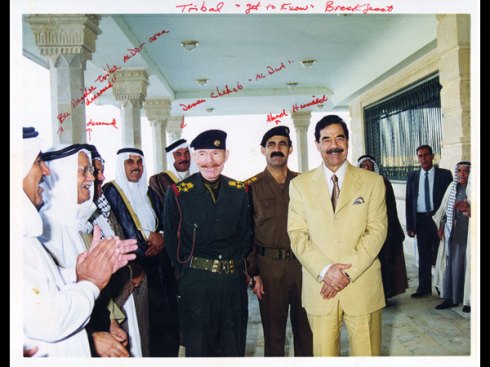
Similarly, these images were found and taken during the invasion of Iraq: “On the night of June 18, 2003, the soldiers in the 1-22 Infantry stormed a farm in Tikrit, Iraq, hoping to find a fugitive Saddam Hussein. They didn’t find their target, but they did find a consolation prize: Saddam’s family photo album […] When he returned from Iraq, Lt. Col. Steve Russell, the commander of the 1-22 Infantry, donated the album to the National Infantry Museum at Fort Benning, Ga.” (Source)
This is a reversal, no? Not the effigies of megalomania, but personal snapshots. Not public monstrosities but flimsy two-dimensional depictions. Would these have got pissed on and slapped with sandals? Would they have been torn up/burned up had Lt. Col. Steve Russell not slipped them into his luggage?
Also, to describe the collection (for media publication) as the dictator’s “personal album” is one thing, but to what extent were these Saddam’s photo-memories? Are these really the contents of an album he valued? Are we even glad that Saddam’s images still exist?
One final thought, how do we distinguish between the staging of Saddam’s images to the staging of the images in Göttke’s survey?
JAMAL PENJWENY
On a less-grander scale, Jamal Penjweny is attempting (with his Iraqi subjects) to make sense of the spectre of Saddam. The series is called Saddam is Here. It’s not great photography but I don’t think this type of playful exploration needs to be.
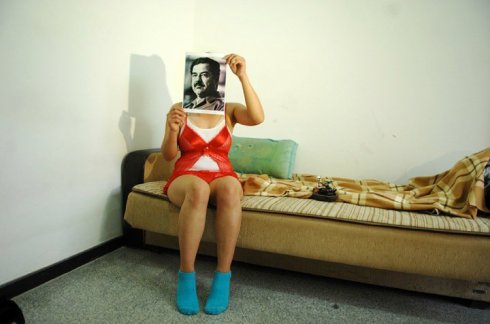
© Jamal Penjweny

Photographer Unknown
Billy Baque‘s Cuban Polaroid describes a camera’s self-contained process:
“A wooden box with the bellows and lens from a folding camera mounted at one end with a complete darkroom inside. Using photographic printing paper the photographer would expose a sheet of paper for the negative, develop, stop, and fix it inside the camera, then put a copy stand on the camera and photograph the negative (to obtain a positive), develop, stop, and fix, then wash the final print in a coffee can of water attached to his homemade tripod.”
Baque, then provides a global visual tour of street photographers using (often for official purposes) DIY cameras.
UPDATE
Joe Van Cleave commented at Baque’s site with a volley of links about photographers work in India and Bangladesh.
Mark Dummett (photographs and words) reported on Bangladeshi photographer Safder Ali. Ali’s been running his passport-sized photography business with an antique box camera by the side of a busy street in Dhaka since 1952.

© Mark Dummett
– – – –
Found via Make Magzaine
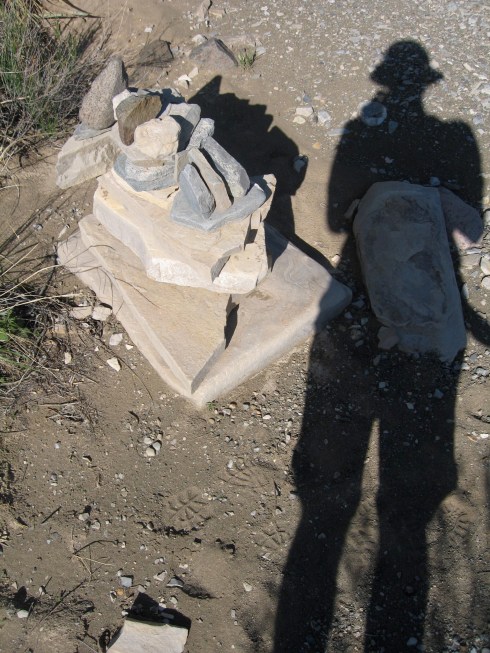
‘Duck and I’ © Pete Brook
Last month I went to Big Bend National Park, on the border with Texas and Mexico. The Chihuahuan desert is very hot during the day, even in spring. We took an 18-mile day hike, walking before and immediately following sunrise and later in the three hours before sundown.
On the trek out I was surprised to see (and super-amused by) the artistry of some ducks (called cairns in the UK); even in the inhospitable desert, some folks had taken the time and care to build these things. It occurred to me that I’d seen typologies of most things but not these essential, non-owned, geo-marking, petra-sculptures. On the way back, I photographed them.
As I have said before, I am not a photographer and I rarely want to share my images but I’ll share this bit of fun.


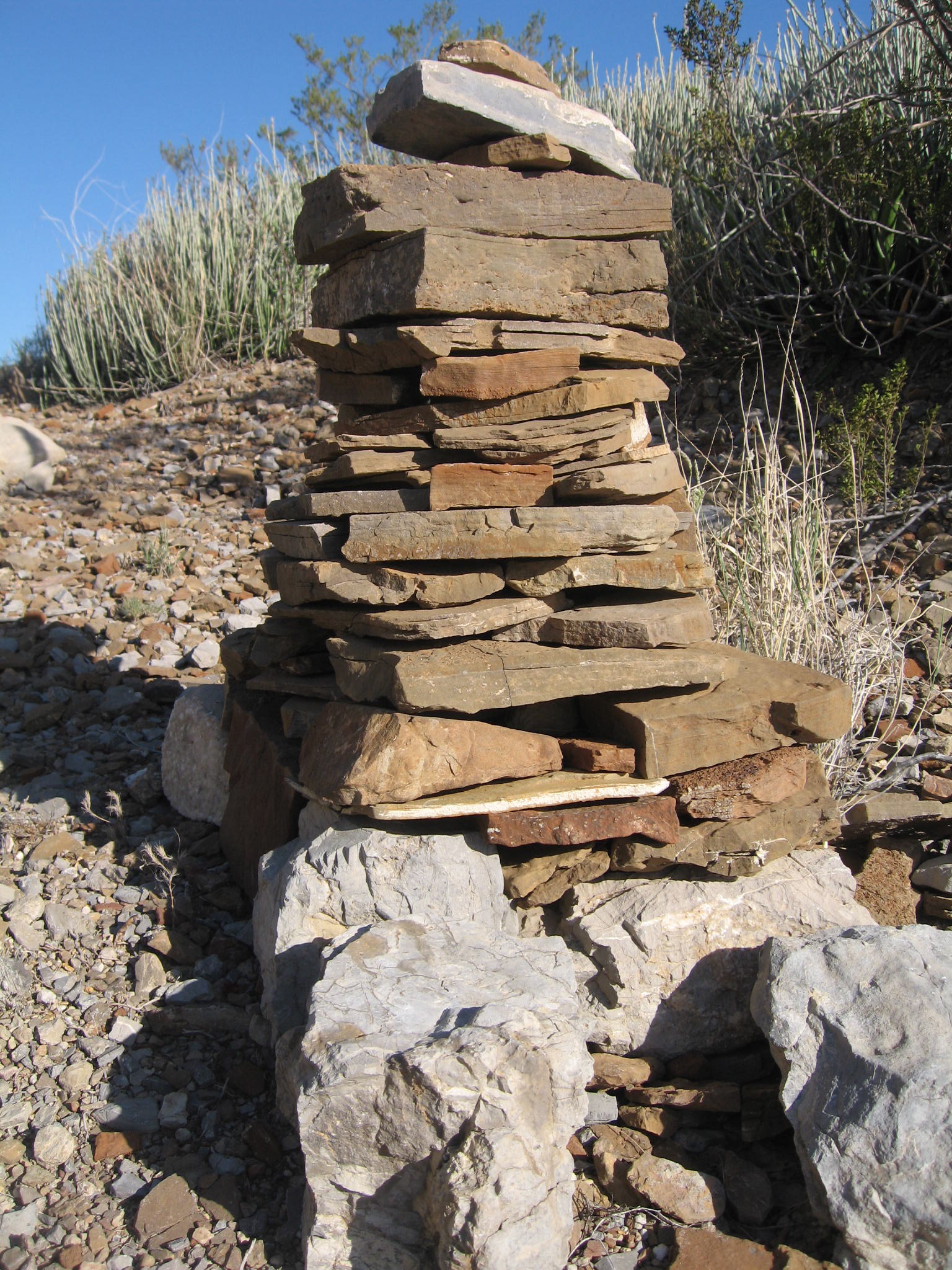
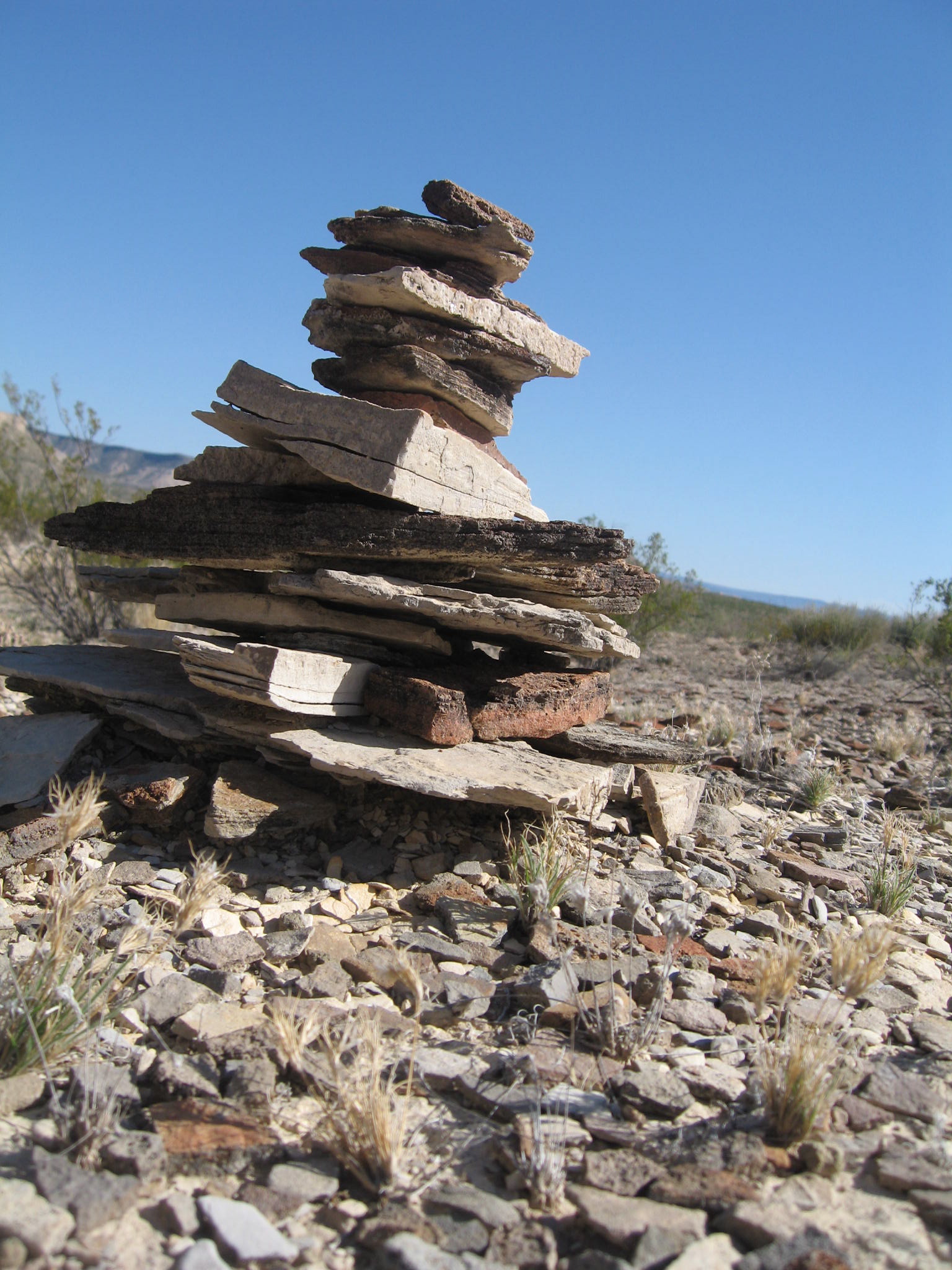


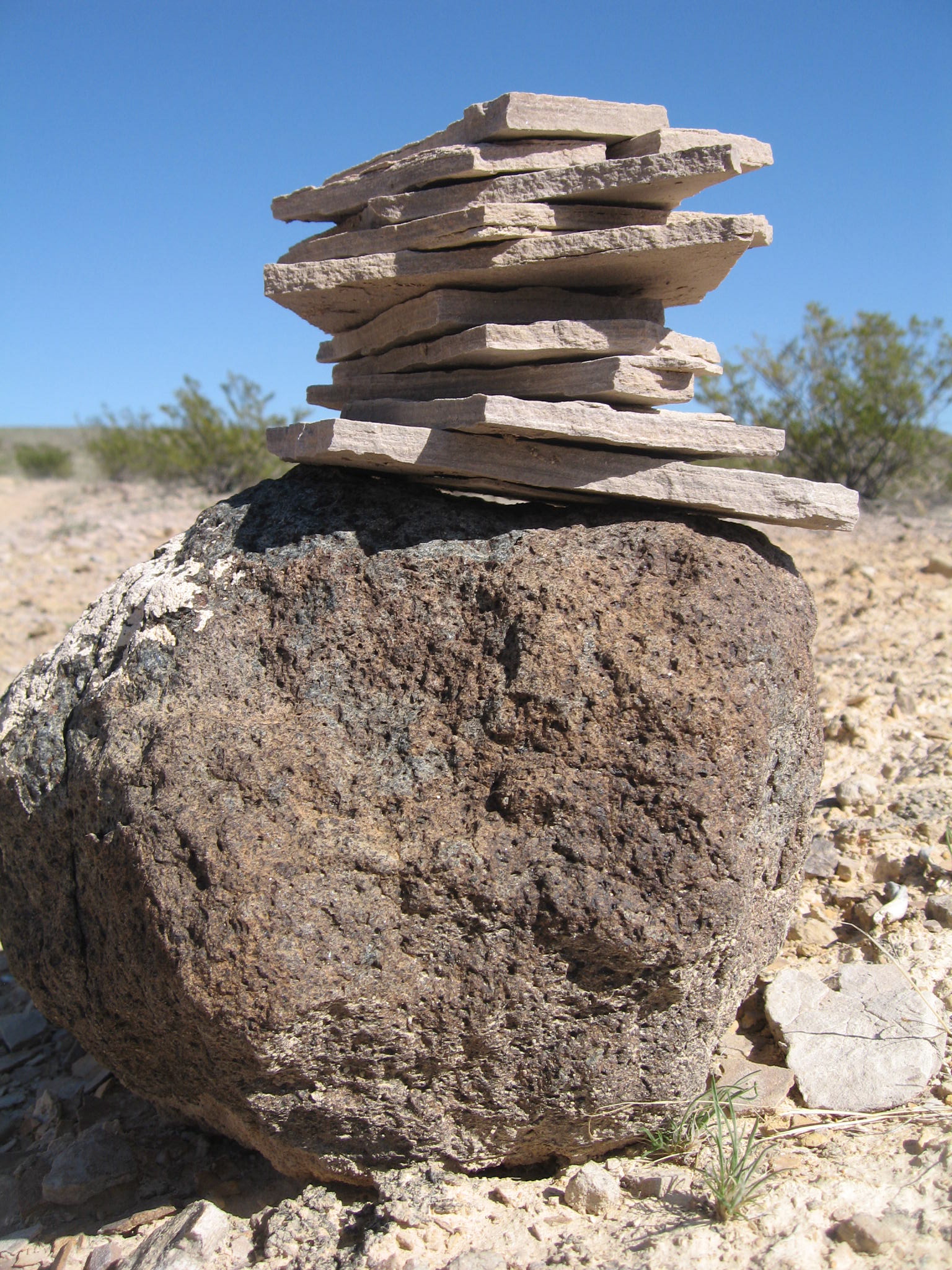


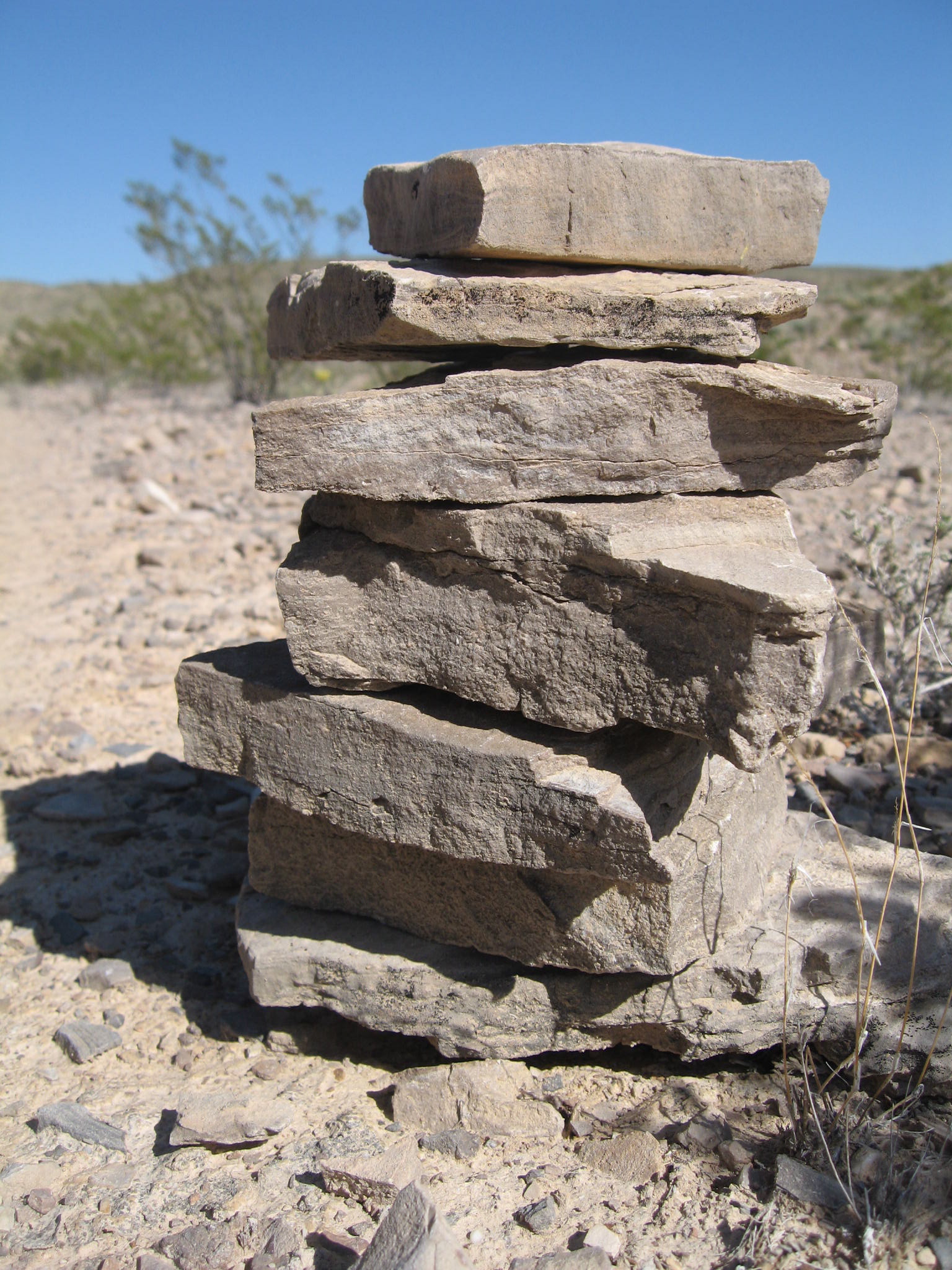


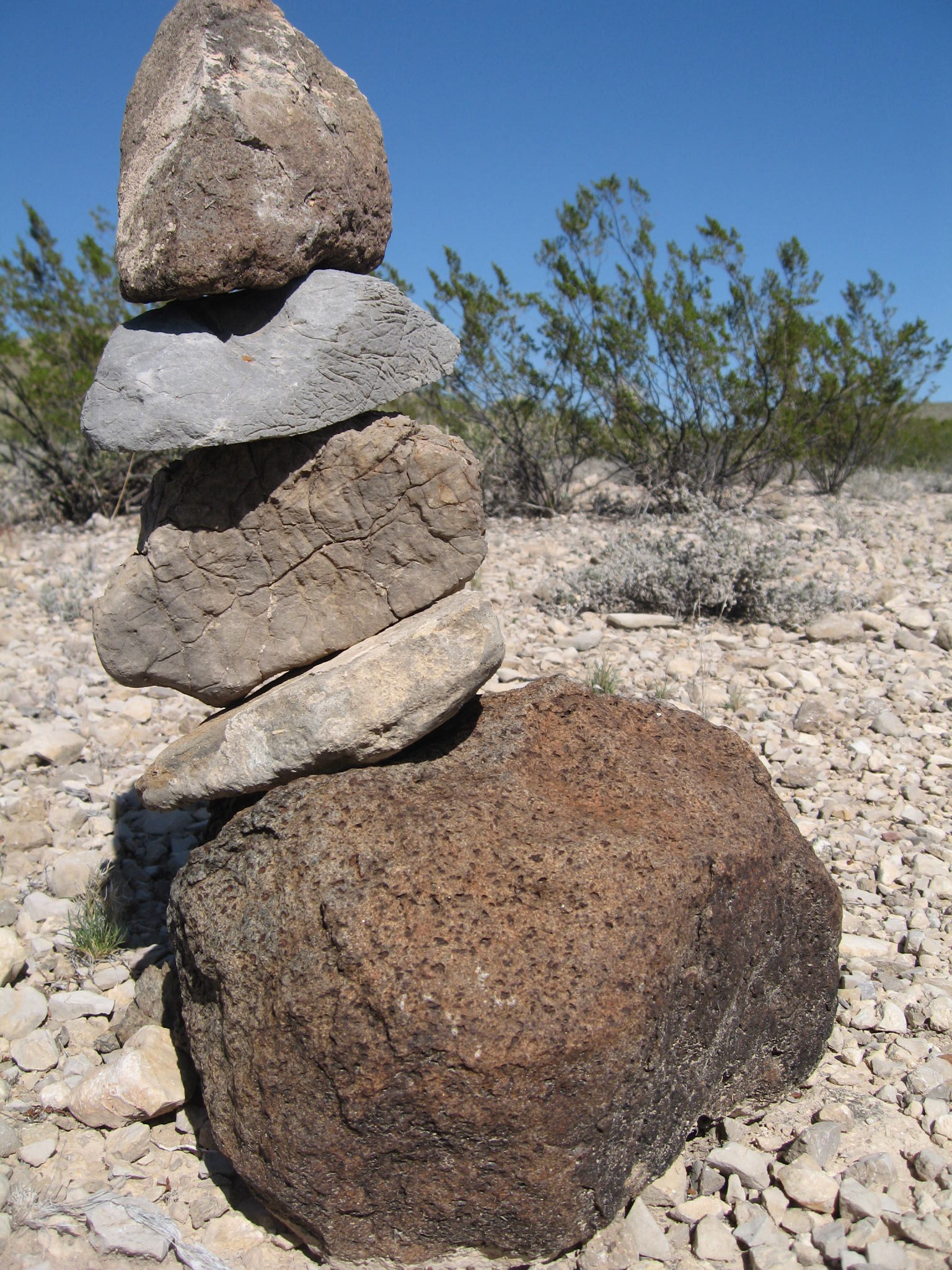


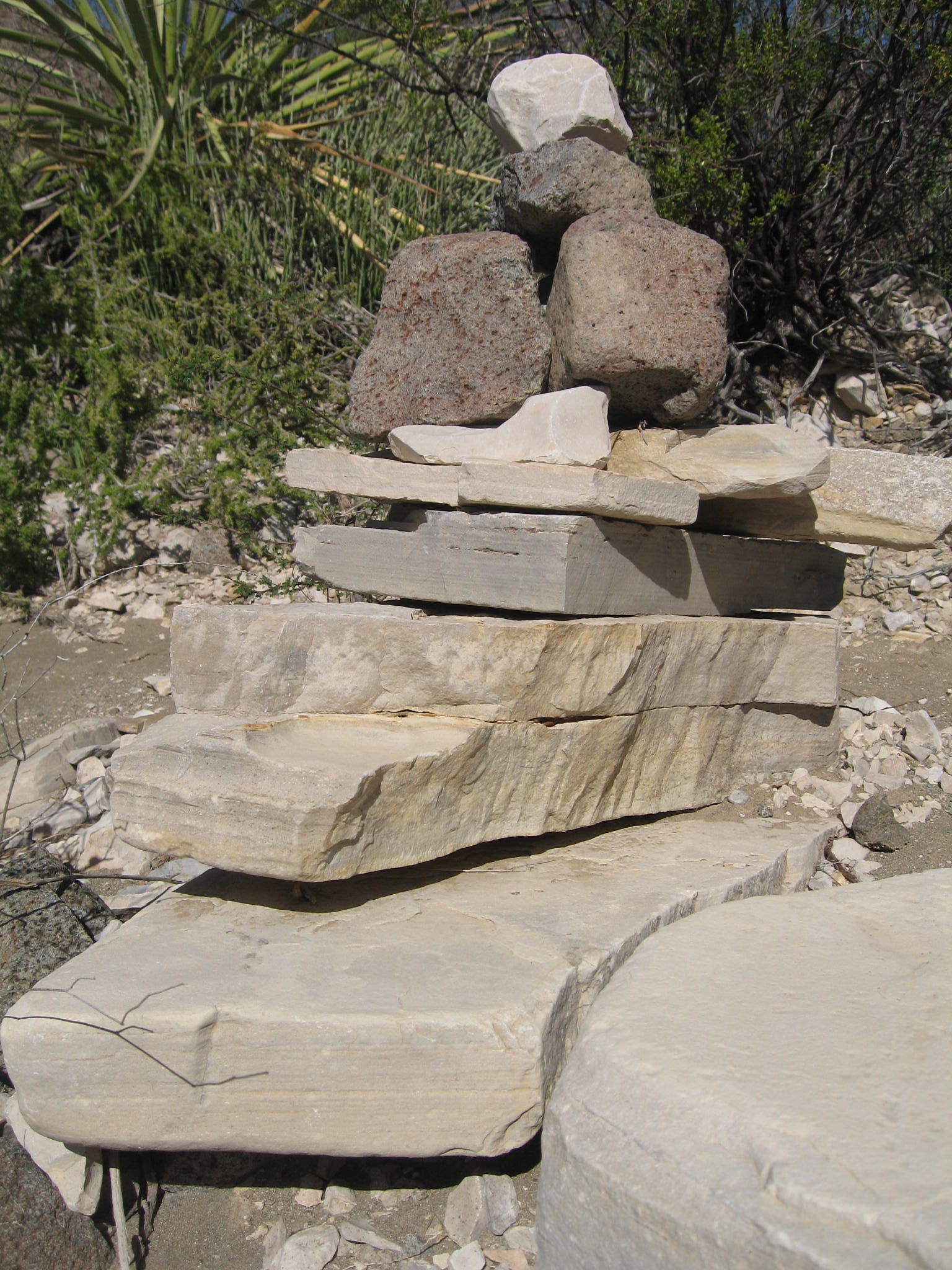


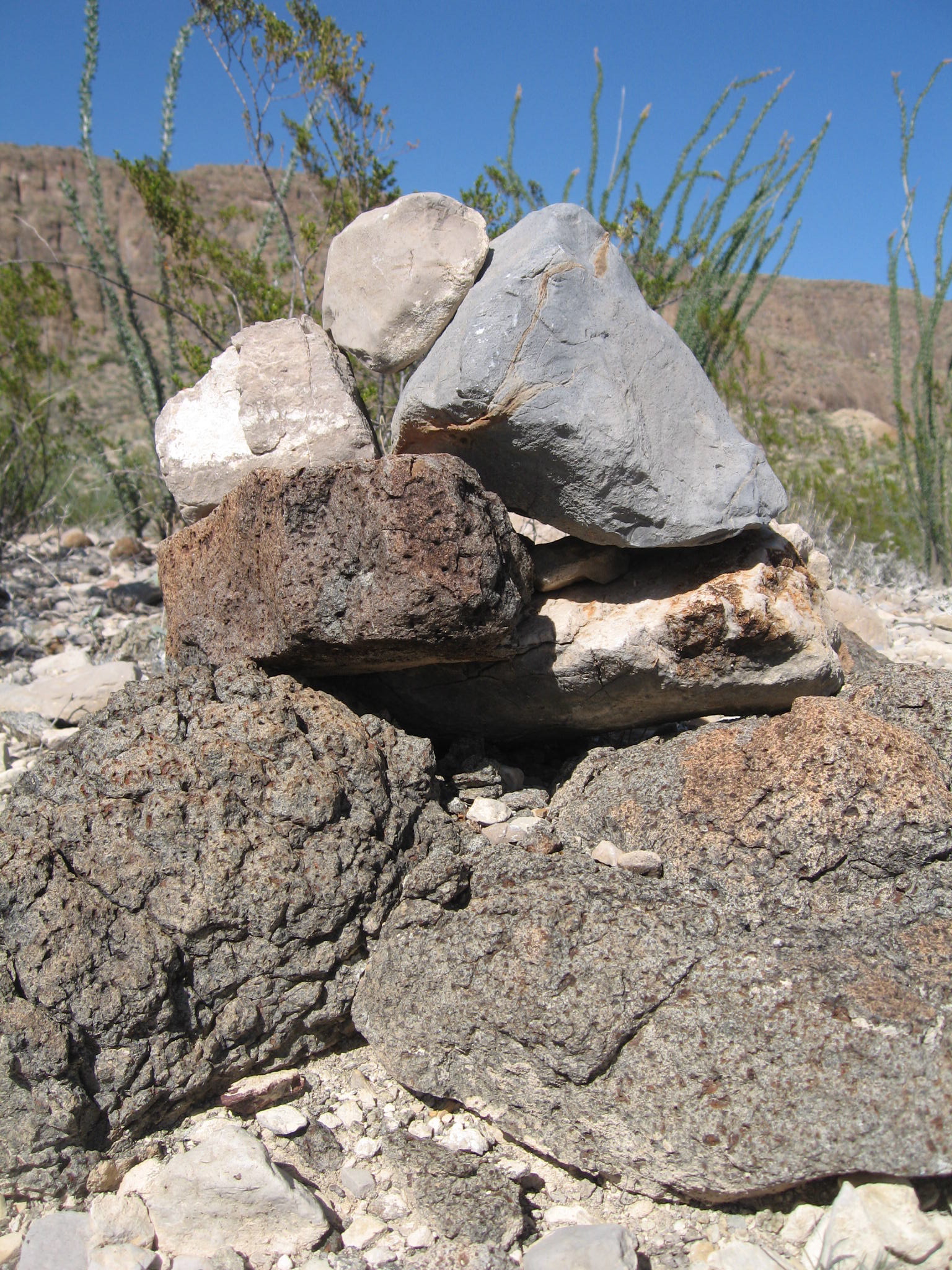


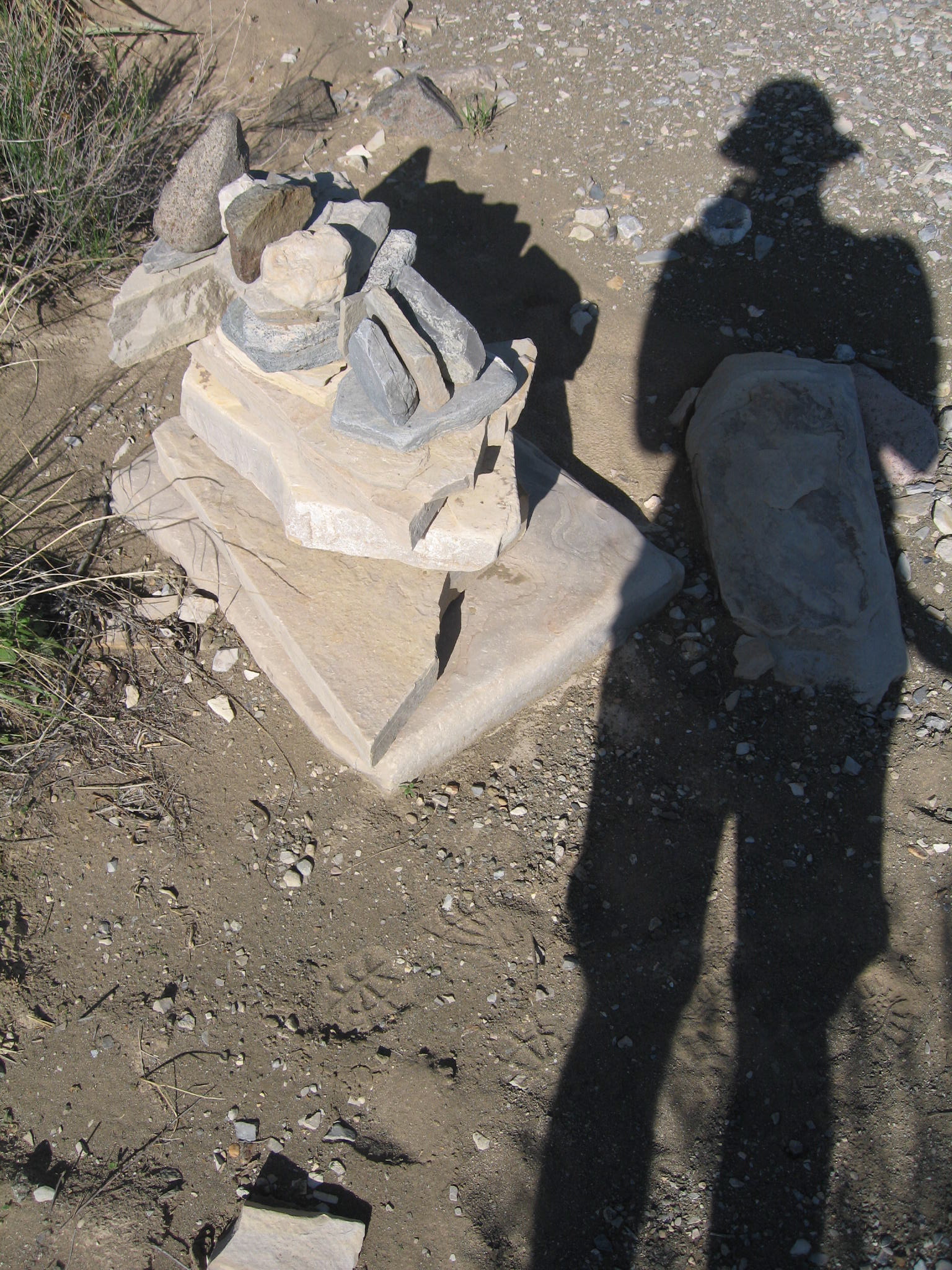


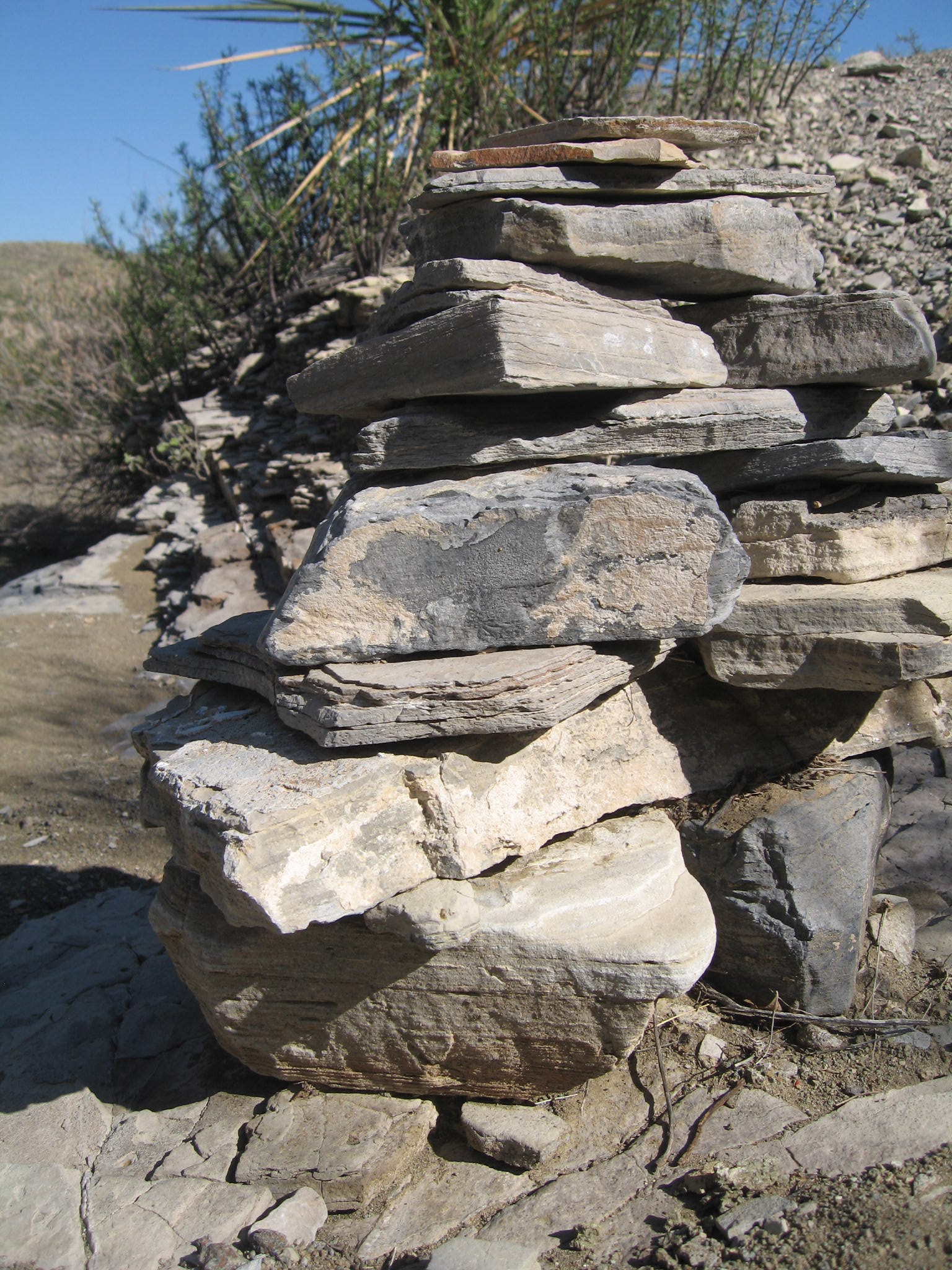

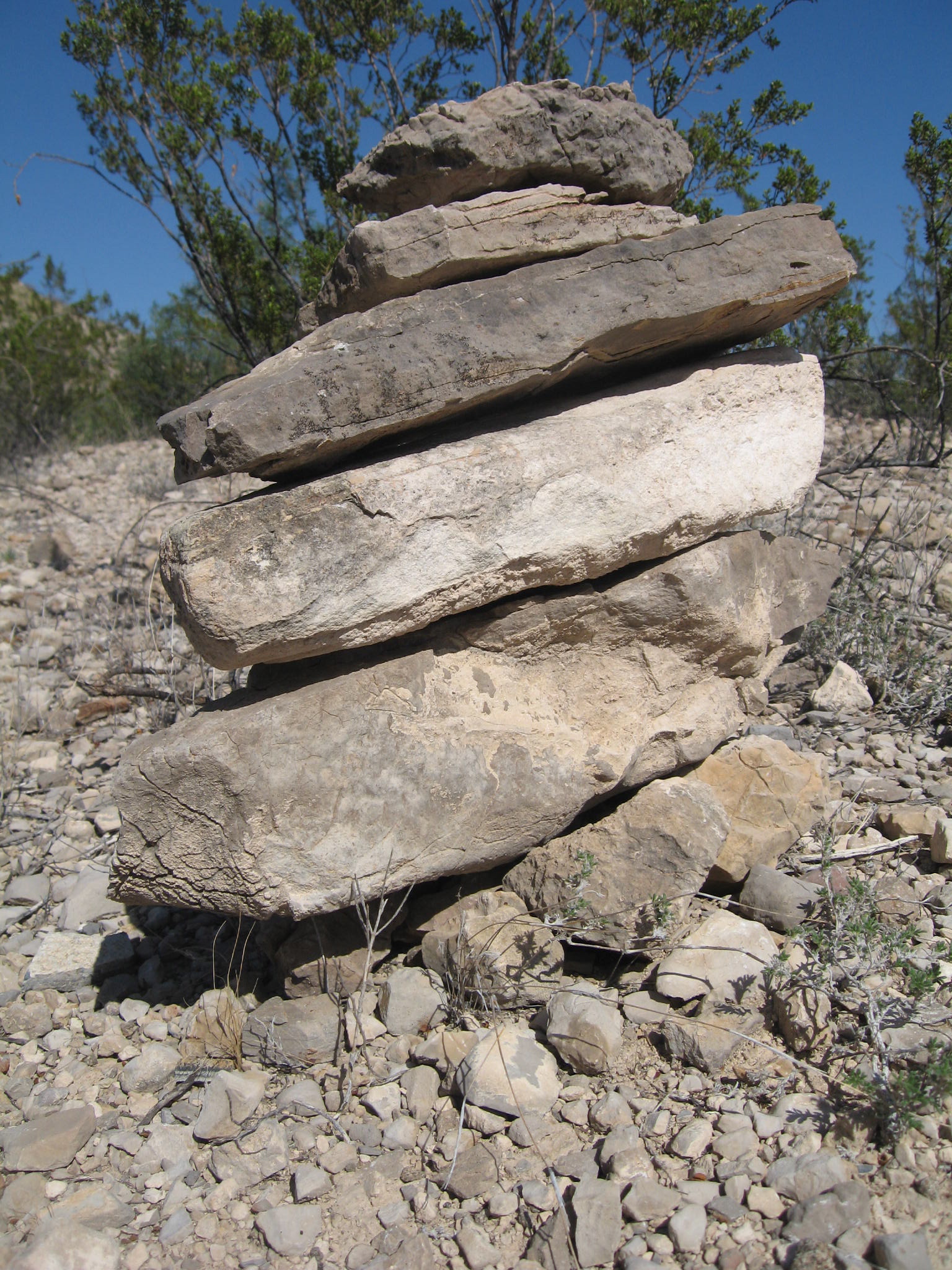
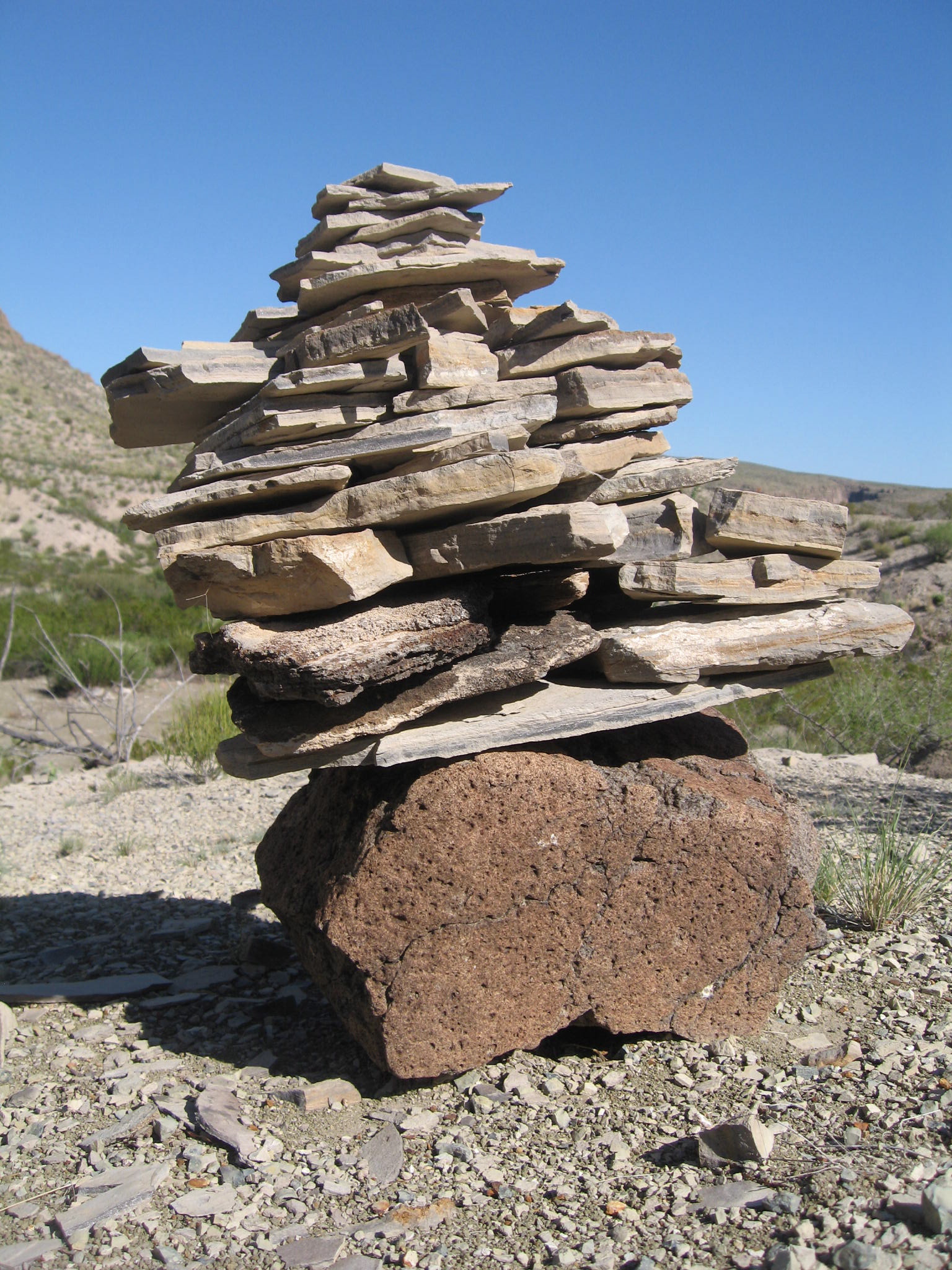
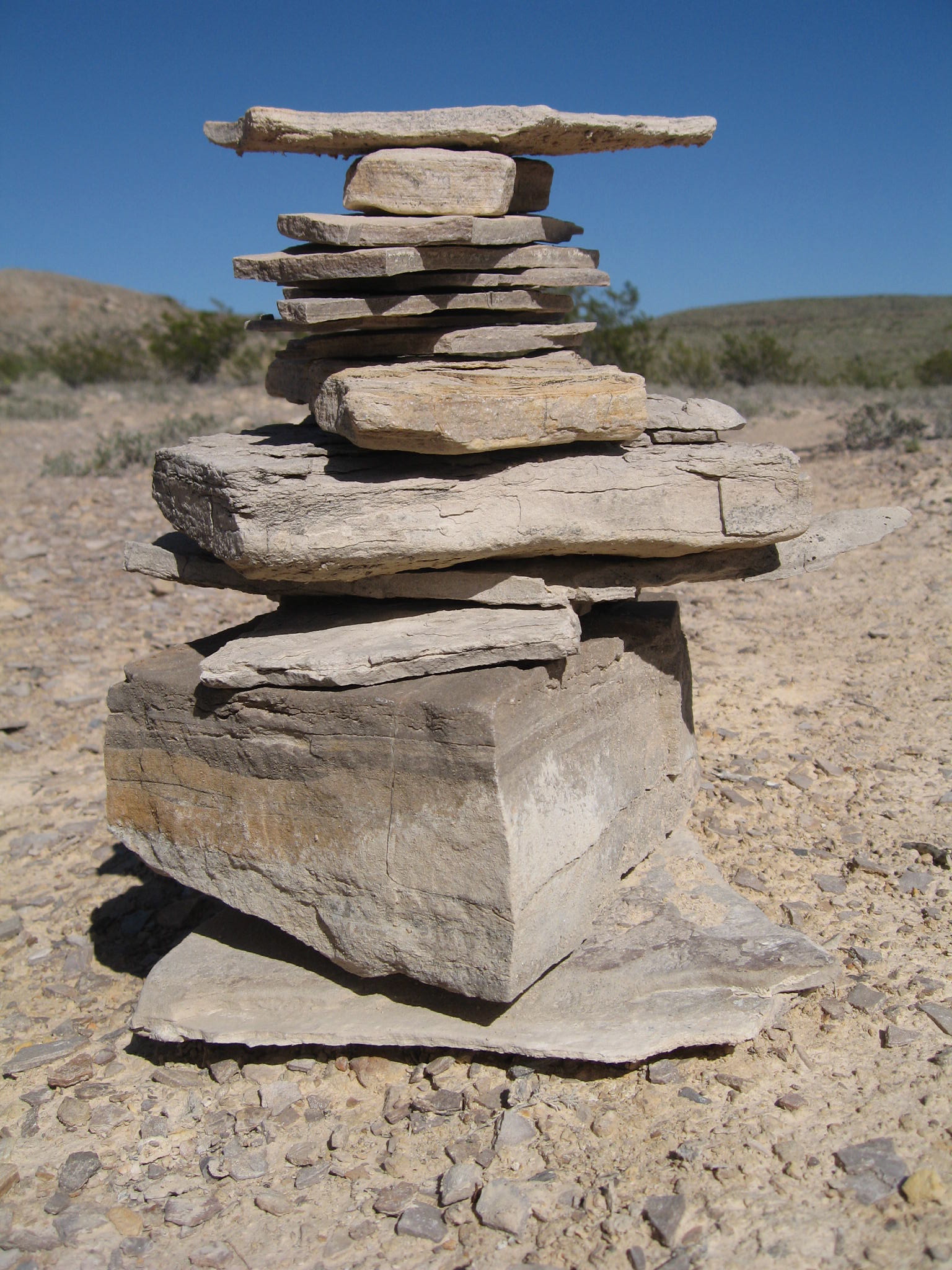

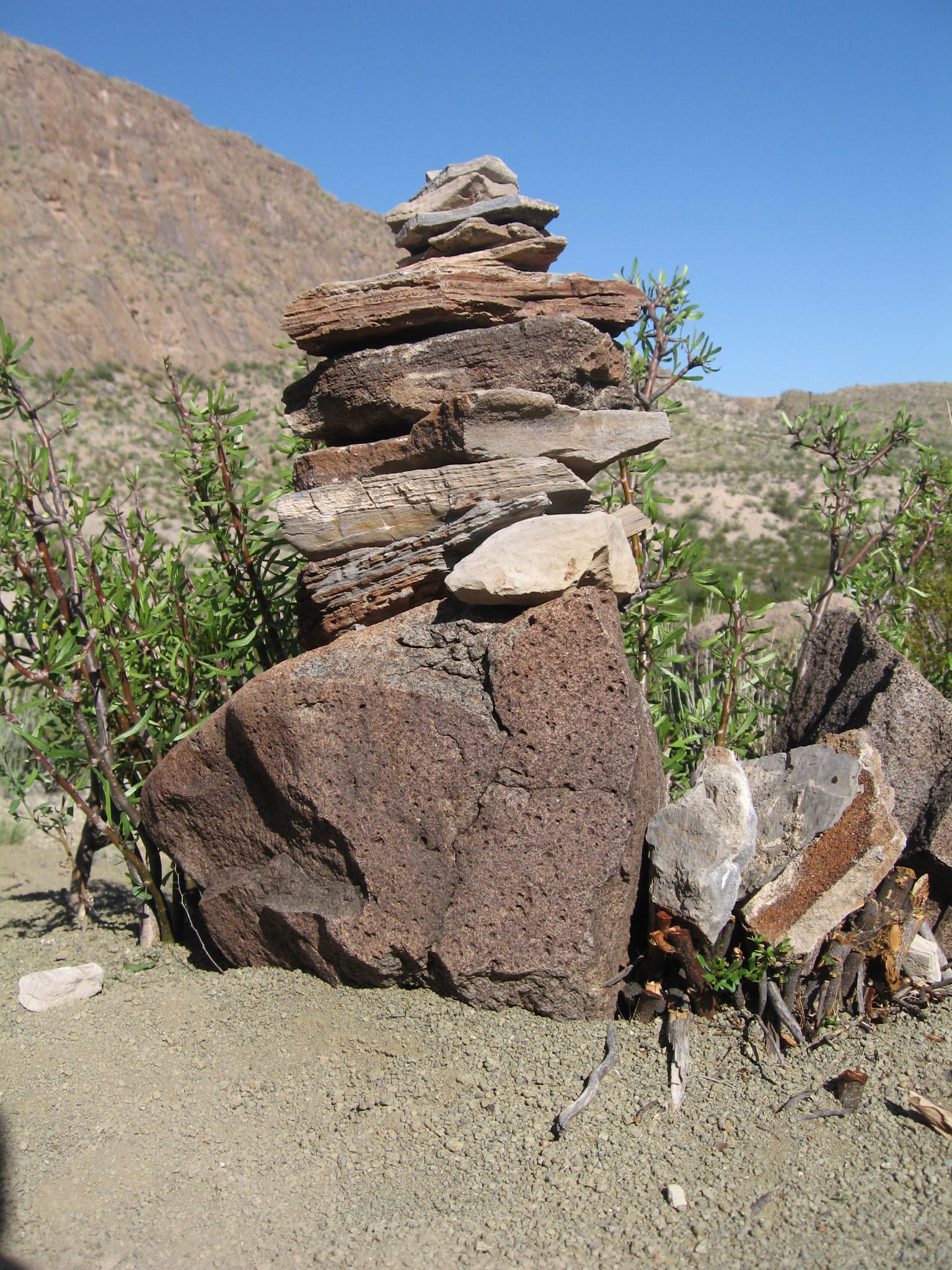

‘ROBODUCK’ © Pete Brook
During the earthquake, it was well reported that the National Penitentiary in Port-au-Prince crumbled and all inmates escaped. I posted on it here, here and here.
But this was not the only prison in Haiti. Les Cayes Prison, 100 miles west of Port-au-Prince, was the scene of prisoner protest, guard desertion and mass killings.
Today, the New York Times released the findings of an investigation at Les Cayes.
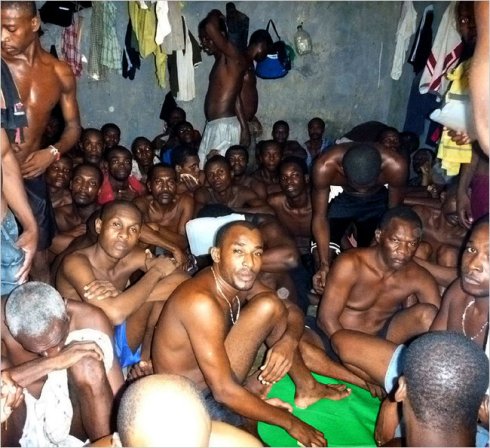
The day after the violence, the Rev. Marc Boisvert, who has run a training program at the prison for many years, was allowed in. Before the riot, conditions there were “inhumane,” he said. Afterward, with more than 400 prisoners in five or six small rectangular cells, they became “seriously inhumane.” Photo by Rev. Marc Boisvert
The New York Times reports, “After the earthquake, the warden, Inspector Sylvestre Larack, put out a “maximum alert” calling his 29 guards back to duty. But on Jan. 19, with much of Les Cayes still in a post-quake state of emergency, only five guards showed up to work inside the prison.”
Squalid conditions, described by Rev. Marc Boisvert as “subhuman”, led prisoners to hatch an escape plan. They beat an officer into surrendering his keys. All the guards fled leaving the prisoners unsupervision and doors unlocked.
Inmates could not leave the prison because UN forces had surrounded the complex.
SUPPRESSION AND VIOLENCE
In the New York Times’ investigation several inconsistencies were found. Among the allegations:
Haitian police gunned down prisoners, beat prisoners and then covered up evidence by burning blood soaked clothing, shoes etc.
Between 10 and 19 unarmed prisoners were killed when Haitian government forces entered the prison and instructed them to move away, lie down and then open fire.
Before the Haitian forces entered, prison authorities asked Senegalese and UN forces to enter the prison using munitions. The UN refused.
The warden, Inspector Sylvestre Larack (who has know been transferred to the post of warden at Port-au-Prince’s National Penitentiary) lied in the first and only internal investigation. He fabricated details of gun use by prisoners upon riot police.
RAMIFICATIONS
At the forefront of your consideration when reading this story should be the fact that, of the 800 inmates, over 300 of the inmates were pretrial detainees. They have not been found guilty of a crime. Some of them were incarcerated for something as little as loitering.
The US has requested $141 million to rebuild Haiti’s justice system. If Haiti cannot carry through its own inquiry to uncover the truth and make accountable those responsible for murder and human rights abuses then it sets a very poor precedent for trust and the culture of governance in the next few years of recovery.
– – –
I HAVE PROVIDED A MERE SUMMARY OF THE NYT INVESTIGATION. GO HERE FOR THE LENGTHY ARTICLE BY. GO HERE FOR A 12 MINUTE VIDEO OF THE INTERVIEWS AND CONCLUSIONS OF THE INVESTIGATION. GO HERE TO SEE ANGEL FRANCO’S PHOTOGRAPHY FOR THE STORY.

© Kevin Miyazaki
Last year, I met Kevin Miyazaki. I told him of my project at Prison Photography and he told me off his recent project Camp Home.
Before I deal specifically with Kevin’s personal project of insistent history, let me briefly set some context for thinking about photography as it relates to WWII Japanese internment. Kevin and I discussed the well known photographers who visited the internment camps in California – Clem Albers, Dorothea Lange and Ansel Adams.

“Richard Kobayashi, farmer with cabbages, Manzanar Relocation Center, California.” Ansel Adams, photographer. Photographic print, 1943. Reproduction numbers: LC-USZC4-5616 (color film copy transparency); LC-A35-4-M-31 (B&W film negative)
Adams’ was often criticised for his seemingly apolitical – almost bucolic – images of internees. The accusation was that Adams made the place look like a site of vacation and not of incarceration; this was a criticism I held too … until I met Kevin.
Kevin explained that Adams purposefully avoided depicting the internees as victims; Adams knew his (government-assigned) photographs would reach a large population, and into that population internees would eventually return. Adams’ intention was to protect, promote – even elevate – the dignity of his subjects.
One astonishing fact from this era, is that over two thirds of internees were American citizens.
Kevin and I also talked about Andrew Freeman, Mark Kirchner (both dealing with Manzanar) and the late and great Masumi Hayashi.

CAMP HOME
During WWII, at the age of thirteen, Miyazaki’s father was interned at Tule Lake in the Klamath Basin, CA, just shy of the Oregon border. Kevin work deals with the physical and domestic remains of that historical moment and movement:
“The barracks used to house Japanese and Japanese American internees were dispersed throughout the neighboring landscape following the war. Adapted into homes and outbuildings by returning veterans under a homesteading movement, many still stand on land surrounding the original camp site. In photographing these buildings, I explore family history, both my own and that of the current building owners – this is physical space where our unique American histories come together. Because photography was forbidden by internees, very few photographs of homelife were made by the families themselves. So my pictures act as evidence, though many years later, of a domestication rarely recorded during the initial life of the structures”, explains Miyazaki.
Well, I’d like to share with you a few Library of Congress images (1, 2, 3 & 4) I located on Flickr.

Japanese-American camp, war emergency evacuation, [Tule Lake Relocation Center, Newell, Calif. 1942 or 1943] 1 transparency : color. Collection: Library of Congress.
While looking at these Russell Lee attributed photographs consider these words about Miyazaki’s Camp Home by Karen Higa, Adjunct Senior Curator of Art at the Japanese American National Museum, wrote:
“President Franklin Roosevelt Delano Roosevelt ignored his own administration’s intelligence and in February 1942 issued Executive Order 9066, a presidential decree that paved the way for the largest mass movement of civilians in modern American history. Initially Japanese Americans were forbidden from living in western coastal regions; weeks later the US government began moving more that 110,000 civilians into temporary detention centers and finally to permanent camps. Over 700 government issued barracks were constructed o the dry lake bed at Tule Lake creating what amounted tot he largest population in a region of wind-swept sage brush.”
“The people that settled in Klamath after the war may not bear the specific responsibility of incarceration, but they share a generalized sense that something happened. their homes have a prior life worth recognizing.”

Japanese-American camp, war emergency evacuation, [Tule Lake Relocation Center, Newell, Calif. 1942 or 1943] 1 transparency : color. Original caption card speculated that this photo was part of a series taken by Russell Lee to document Japanese Americans in Malheur County, Ore. Re-identified as Tule Lake because of similarity to LC-USW36-789, which shows Abalone Mountain. Title from FSA or OWI agency caption. Photo shows eight women standing in front of a camp barber shop. Transfer from U.S. Office of War Information, 1944.

Japanese-American camp, war emergency evacuation, [Tule Lake Relocation Center, Newell, Calif. 1942 or 1943] 1 transparency : color. Original caption card speculated that this photo was part of a series taken by Russell Lee to document Japanese Americans in Malheur County, Ore. Re-identified as Tule Lake because of similarity to LC-USW36-789, which shows Abalone Mountain. Title from FSA or OWI agency caption. Photo shows eight women standing in front of a camp barber shop. Transfer from U.S. Office of War Information, 1944.

Japanese-American camp, war emergency evacuation, [Tule Lake Relocation Center, Newell, Calif. 1942 or 1943]. 1 transparency : color. Original caption card speculated that this photo was part of a series taken by Russell Lee to document Japanese Americans in Malheur County, Ore., and showed people transplanting celery. Re-identified as Tule Lake because of similarity to LC-USW36-789, which shows Abalone Mountain. Title from FSA or OWI agency caption. Transfer from U.S. Office of War Information, 1944. Repository: Library of Congress, Prints and Photographs Division, Washington, D.C. 20540 USA, hdl.loc.gov/loc.pnp/pp.print Part Of: Farm Security Administration – Office of War Information Collection 12002-55 (DLC) 93845501.
ELSEWHERES
It’s uncanny how the internet works sometimes. This image was the subject of some debate over at the Oregon State University Flickr Commons archive. Unsurprisingly, Kevin’s work was noted and praised there too.

KEVIN
As well as an excuse to wade through the various photographic approaches to Tule Lake internment camp, this post was to bring attention to Kevin’s ongoing contributions to the photo community. Kevin extends his teaching beyond his Milwaukee classroom and does us all a service by listing the interviews he serves up his class, on the class blog. Last week, Flak Photo called out for some more suggestions to the pile.
Kevin also launched collect.give last year which offers choice prints by respected photographers for prices no-one can quibble. All proceeds to good causes.
– – –
Kevin J. Miyazaki (b. 1966, USA) is a freelance editorial and fine art photographer based in Milwaukee, Wisconsin. He began his career on the staff of The Cincinnati Enquirer, and later became the photography director at Cincinnati Magazine. He went on to become the photographer at Milwaukee Magazine. His publication credits include, Time, Newsweek, Forbes, Fortune, National Geographic Traveler and numerous others. He is represented by Redux Pictures.

I plan to keep a close eye on Jason Lazarus‘ clever online plea for all those photographs that are simply ‘Too Hard To Keep’.
Lazarus pledges to collect vernacular photographs that – leaden with emotion – must be deaccessioned from personal albums. This project combines many of the cute attractions of informal photo exchange – web-based, cathartic, bittersweet, reusable, romantic in its view of photography and with a potential for serendipity.
If you’d like to be a contributor, Lazarus explains:
I have started an archive of photographs deemed “too hard to keep.” This may include photos or photo albums of:
ex’s, photos of deceased friends/family/pets, places/objects too hard to view again, etc. The reason you can’t live with the photo or photo album I do not need to know…
I am creating a repository for these images so that they may exist without being destroyed. You may dictate whether the images you submit to the archive are:
- images not to be shown again, or
- images that may be exhibited in the future with other submissions to the archive.
If needed, I can pay shipping costs to send any photos to the repository in Chicago.
Jason Lazarus
810 n Wood, 3f
Chicago, IL 60622
I am happy to answer any questions and hope this project helps you part with something in a more graceful manner.
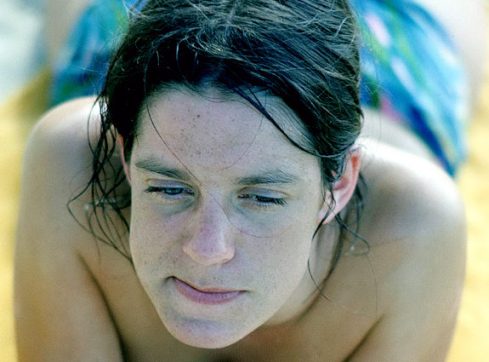
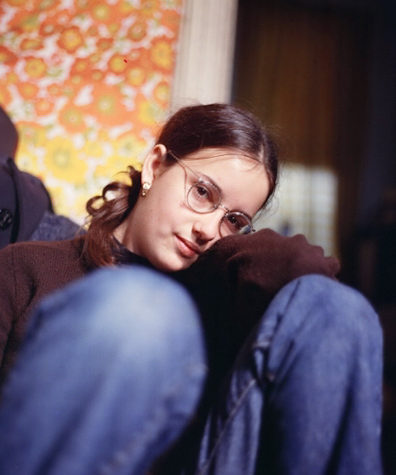
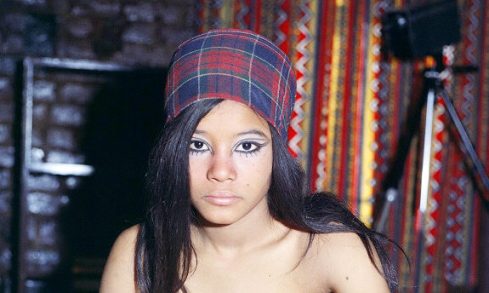
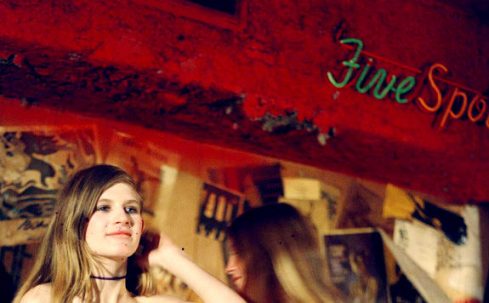
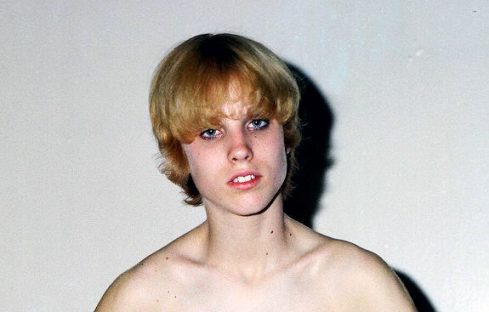
The NYPD has released 215 photographs taken by convicted serial killer Rodney Alcala in an attempt to secure identifications and restart cold case inquiries.
Alcala was recently sentenced to death for three murders in California in the late seventies. In the early seventies, Alcala lived intermittently in New York; some of the photographs found in his storage upon his arrest are thought to be from his time in New York
“They should be in every newspaper, on TV and on the Internet,” Sheila Weller, cousin of victim Ellen Hover, said before the NYPD decided to release the pictures.
RESPONSE
The collection is one of the most discomfiting things I’ve been audience to. To look at these photographs is to ready oneself the very limited likelihood of recognizing someone. It is a very grave and uneasy type of involvement with the image and the serious context by which it has come to be viewed.
Usually, personal portraits have their story shared and history mutually written, but – in viewing these previously unknown images of unknown persons – the viewer potentially writes the story’s end.
The public release has already yielded results:
The photos were kept quiet until Alcala was sentenced to death last month. “We needed an unbiased jury,” said retired Huntington Beach Detective Steve Mack.
Last month, Huntington County cops posted 137 of the less graphic pictures online. So far, 21 have been identified, often by the women themselves.
Four families of missing women say they recognized their loved ones, but police have not yet been able to confirm a link.
Most of the photos sent to the NYPD were not among those posted online. They include details that suggest they were taken in New York, sources said.



Found via Elizabeth Avedon
– – – –
NY Daily News coverage
NYPD not releasing pictures taken by sicko serial killer Rodney Alcala of possible victims (April 20th, 2010)
NYPD releases serial killer Rodney Alcala’s photos of women — seeks public’s help in ID’ing them (April 21st, 2010)
Gallery: NYPD seeks clues from photos taken by serial killer Rodney Alcala (April 21st, 2010)

 Prison Photography