
You are currently browsing the category archive for the ‘Historical’ category.

“I was have always paid attention to how artists worked in the world, especially with the form known as the Artist Talk where the artist is invited to present his/her works. This form remains intriguing to me. It always seems to involve the following elements: A podium or table; A slide or video projector; Table with glass or bottle of water; A (most of time) inadequate introduction followed by a lecture which is inevitably interrupted by some technical problem that may or may not be resolved; End of lecture; Enthusiastic, polite, or no applause; Someone announces that the artist is willing to answer questions from the audience; Moment of silence; Artists fear and wishes that no questions are forthcoming; Audiences fears and wishes that no questions are forthcoming; Some daring soul inevitably raises his/her hand to ask a good or bad question; artists give good or bad answers; Someone mentions that time has run out; Audience leave while a few people approach the artist to ask him/her more questions; Everyone is escorted out; Artists is invited for a drink or dinner where a polite conversation takes place; Email coordinates are exchanged; Artist is dropped off at a mediocre hotel with an equally mediocre and expensive internet connection.” (Source)
Walid Ra’ad is the recipient of the 2011 Hasselblad Award and founder of the Atlas Group.
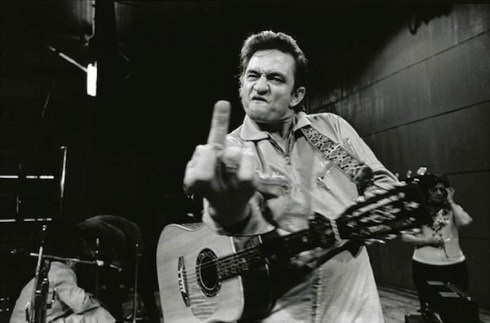
Collectors Weekly looks back at Johnny Cash’s famous performances in Folsom and San Quentin, as photographed by legendary music photographer Jim Marshall:
The most famous image from the day, though, is unquestionably the candid shot of Cash taken during a rehearsal before the show. […] Marshall recalls the origins of what he believed was “probably the most ripped off photograph in the history of the world. […] I said ‘John, let’s do a shot for the warden.’” Apparently, that’s all the prompting Cash needed to look straight into Marshall’s lens and flip him the bird.


The nine minutes of grainy video footage George Holliday captured of Los Angeles police beating Rodney King 20 years ago helped to spur dramatic reforms in a department that many felt operated with impunity. (George Holliday)
Twenty years ago yesterday, Rodney King got the living shit kicked out of him in Los Angeles.
Amazing as it may seem, those 9 minutes of grainy footage, shot by George Holliday on his clunky Sony Handycam, may never have existed.
At the time, Holliday obviously didn’t know the significance of what he was filming, nor that it would change the consciousness of Black America, the trajectory of the Los Angeles Police Department and race relations in the City of Angels.
This, from the Los Angeles Times:
The simple existence of the video was something unusual in itself. Relatively few people then had video cameras, Holliday did — and had the wherewithal to turn it on.
“It was just coincidence,” Holliday reflected in an interview a decade ago. “Or luck.”
Today, things are far different and the tape that so tainted the LAPD has a clear legacy in how officers think about their jobs. Police now work in a YouTube world in which cellphones double as cameras, news helicopters transmit close-up footage of unfolding police pursuits, and surveillance cameras capture arrests or shootings. Police officials are increasingly recording their officers.
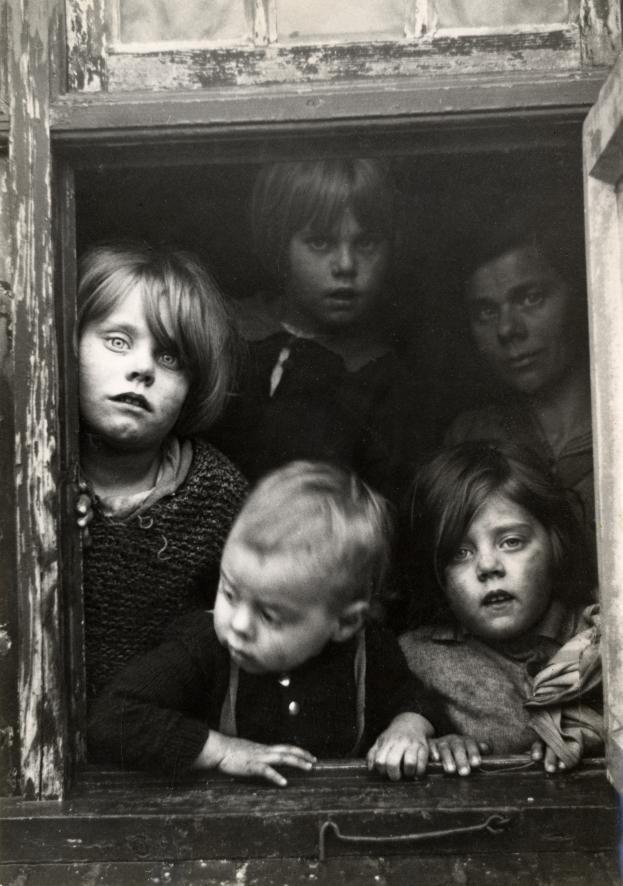
Children of the family Raaymakers, hit by the crisis, getting help thanks to an action of magazine Het Leven. Best, The Netherlands, 1936.
The National Archive in The Netherlands just published a 30 image set on the theme of poverty.
The strength of some of the images blew me away. (Click any image for a larger view) The set spans nationals and eras so this isn’t a photo essay, just a moment to reflect. Through history, photography has indulged the upper classes, but how has it treated the impoverished? I don’t have the answers, just a meandering of a visual train of thought.
Children with scars and with gazes that cut through time …

Irish tinkers: mother and child in front of improvised tent, 1946
… and children slowly erased by time.
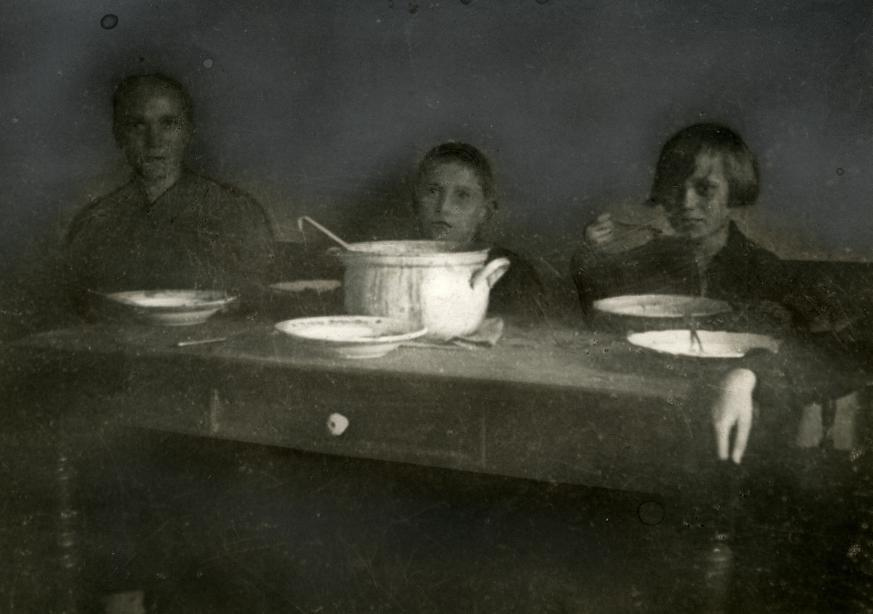
Poor German miners’ families eating at a soup kitchen, 1931
Jobs programs that have adults digging dirt like children digging beach sand …
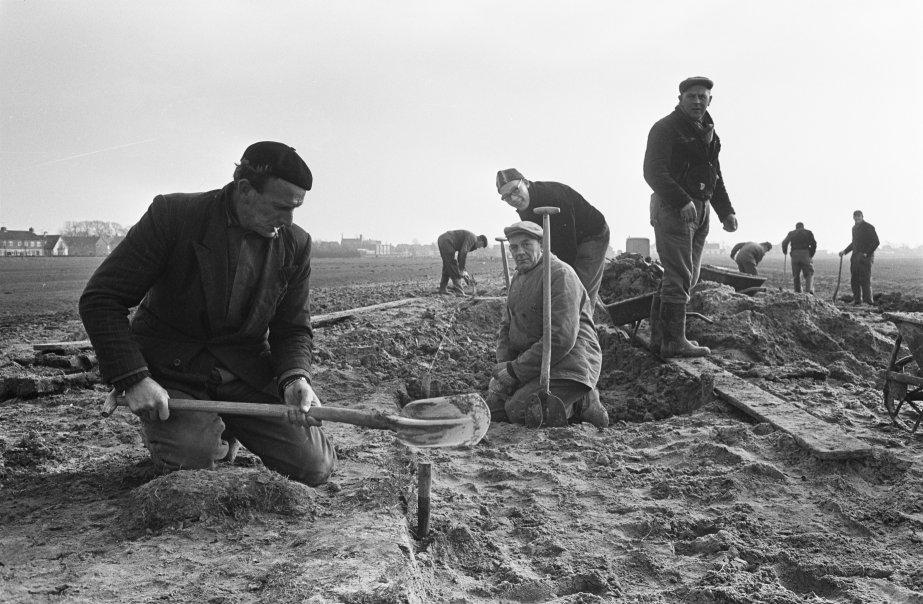
Unemployment relief program in Schagen, Netherlands, 1967
… then, poor people who have carted each other across cobbles …

Woman transported on a hand-cart, Amsterdam, 1934
… and those that sleep beneath them.
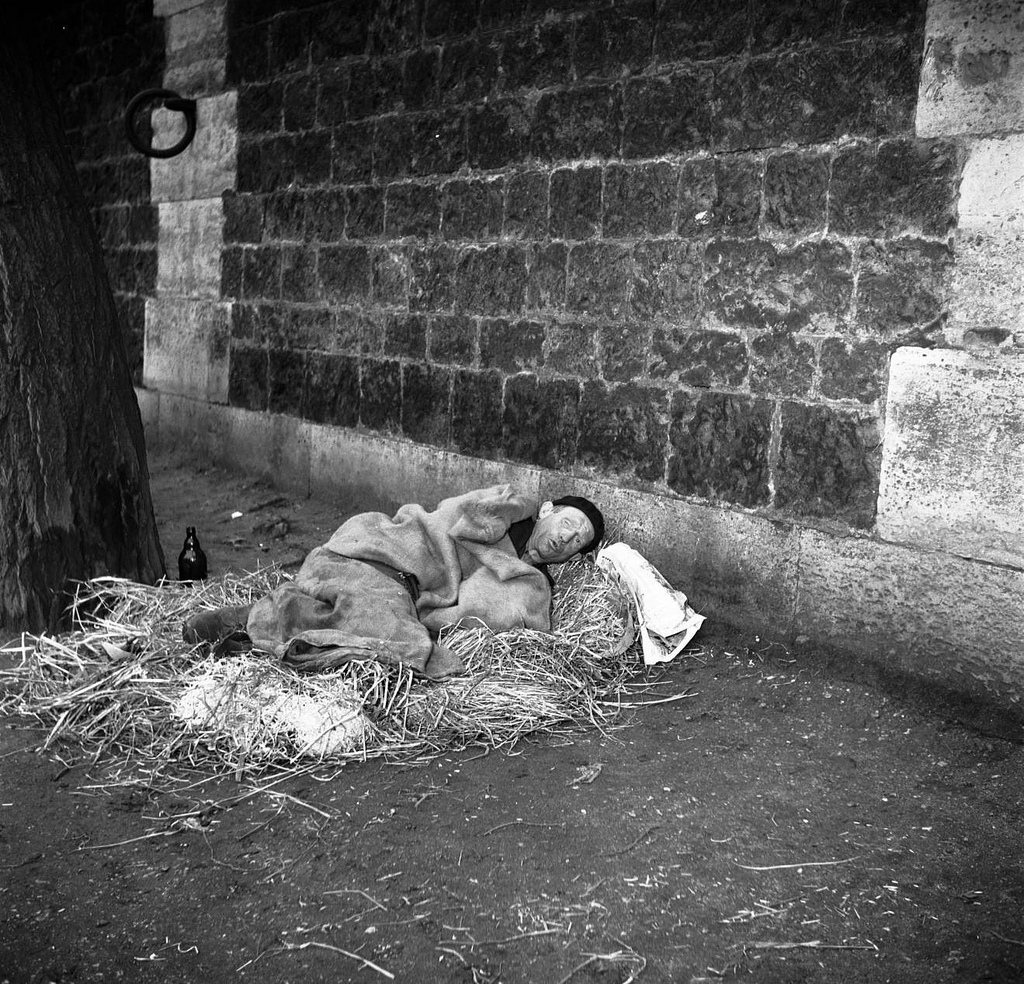
French man spending a night under a bridge, catches a glimpse of photographer Willem van de Poll, date unknown.
Men have begged for the charity of the richest …
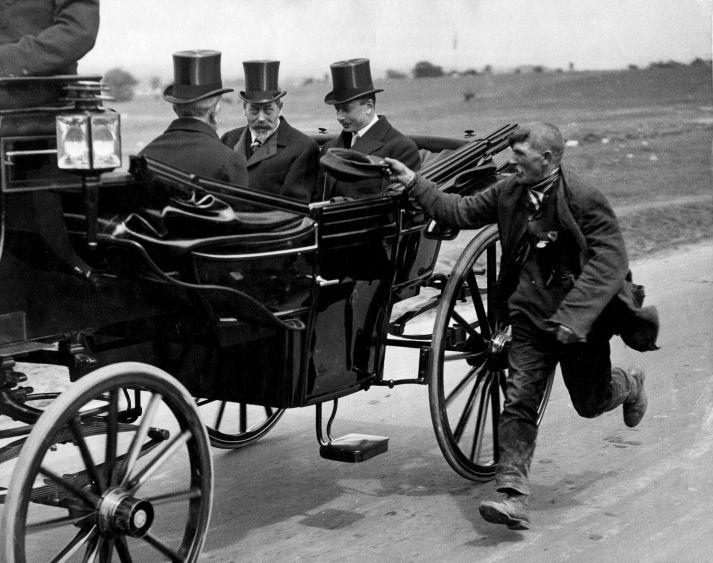
Man begs for money from George V (1865-1936), Epsom Downs, Derby Day, 1920.
…but usually received from the humblest.

Soup kitchen, Rotterdam, The Netherlands, 1917
Poor people have been asked to rent dentures …

Man bites down on available dentures for hire, United States, 1940.
… and they have been made into leaders …

Dutch tramp who became a politician, Amsterdam, 1921
… and in so much as the poor man is the worker, they’ve seen it all.
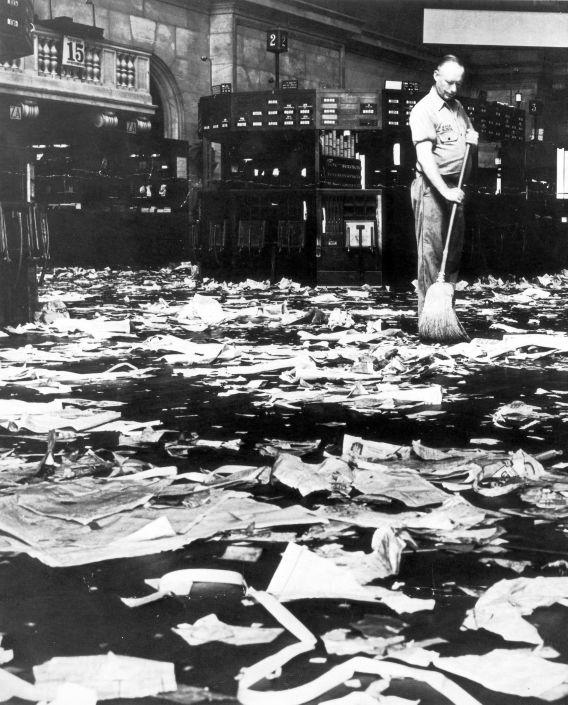
Worker sweeps the floor in the New York Stock Exchange following the Wall Street Crash, 1929.
More images can be seen within the Collectie Spaarnestad: www.spaarnestadphoto.nl
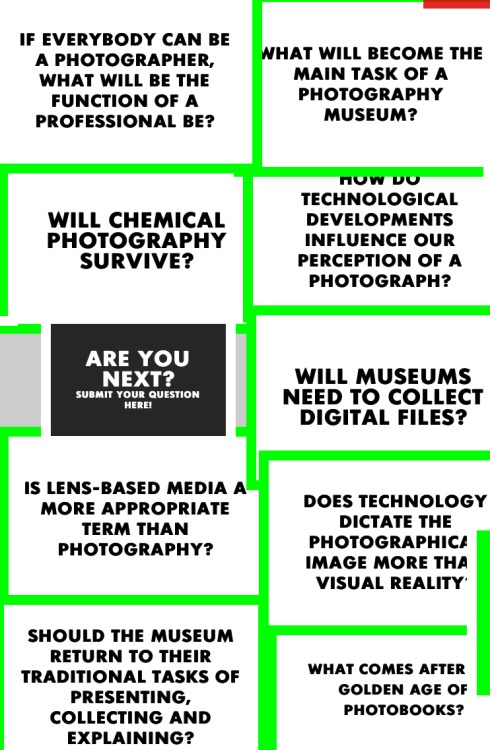
FOAM Magazine has launched WHAT”S NEXT, a platform for discussion of future trends in photography. Covering the questions about digital/chemical photography and the future of photobooks is no surprise.
It is pleasing to see questions about museum curatorship and preservation practices. After all, we can take care of our own archives, but who, how and where to take care of culture’s archives are much larger questions.
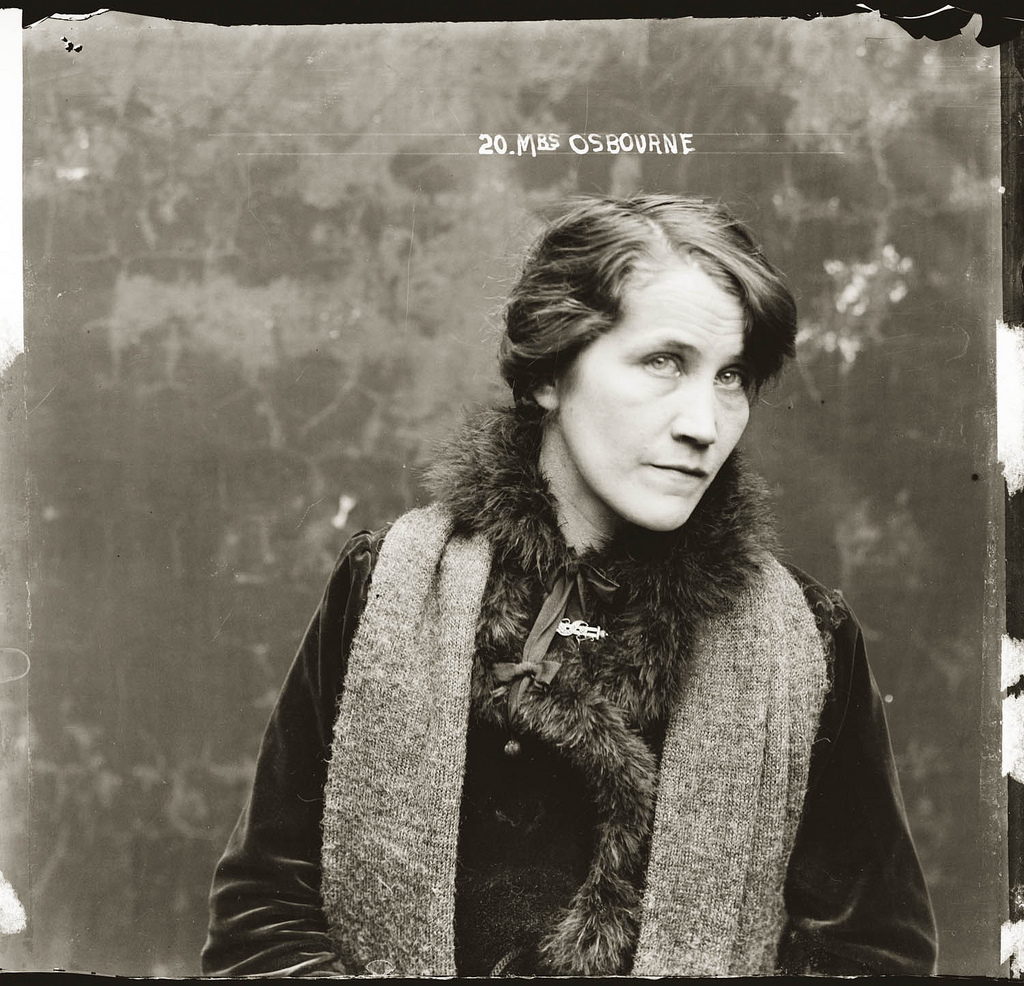
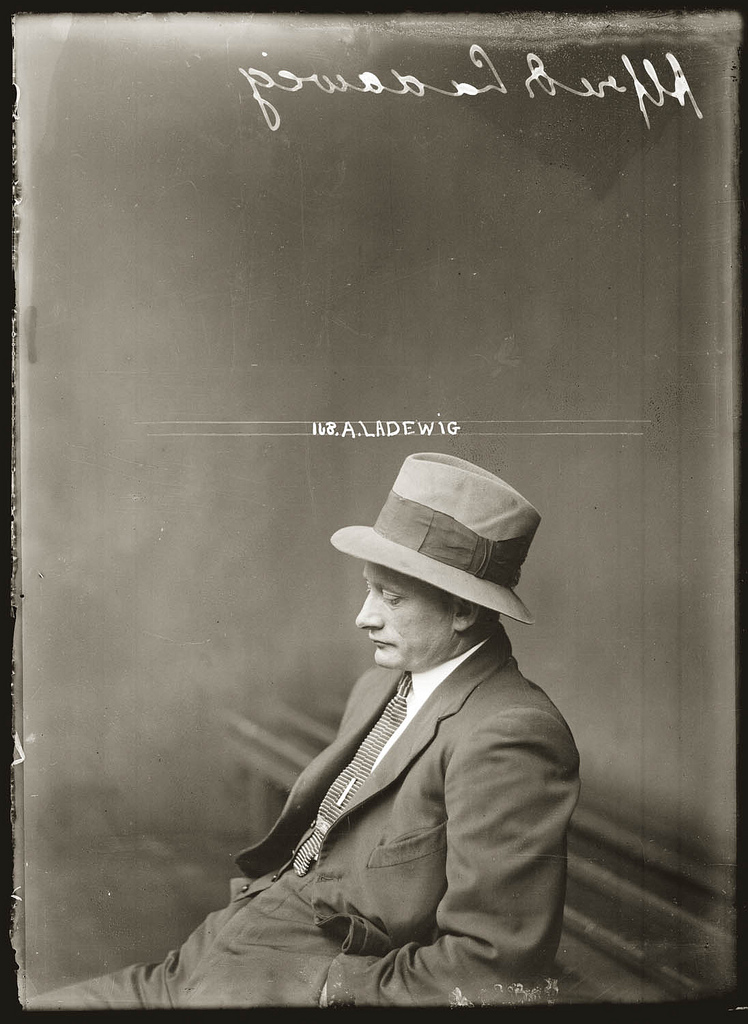
Rina and Ali, the boombastic team at KALW Informant, alerted me to a set of portraits from 1920’s Australia of individuals categorised as criminals.
These are portraits, not mugshots. Luminous, cathartic, full of weight. They’re the pre-August Sander, pre-Richard Avedon, pre-Irving Penn masterpieces of an anonymous police photographer.


PREVIOUSLY ON PRISON PHOTOGRAPHY
The collection is very similar to a set of mugshots from the archives of the Louisiana Division/City Archives in New Orleans.
______________________________________________
All images from the Historic Houses Trust website and the New South Wales Police Archives, Sydney.

Mrs. Reagan sitting on Santa Claus (Mr. T) lap after reviewing White House Chrismas Decorations with the press. 12/12/83.
Source: White House photo via Reagan Library, # C18929-22.

 Prison Photography