
You are currently browsing petebrook’s articles.
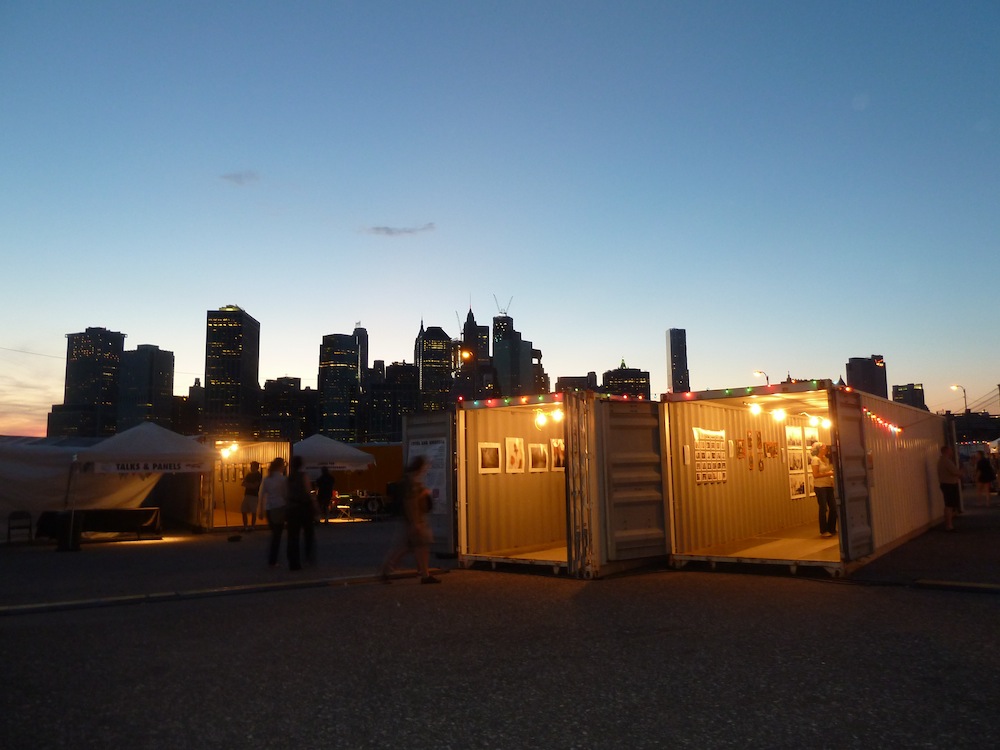
This is a super quick post and a bit of an image dump (I’ve been asked for installation shots.)
We are half way through Photoville and my thoughts are not coalesced yet. Of the event so far, highlights have been Josh Lehrer’s Becoming Visible: portraits of homeless, transgendered teens; Sim Chi Yin’s Rat Tribe for which he transformed the container to mimic a basement Beijing dwelling; and Russell Frederick’s Dying Breed: Photos of Bedford Stuyvesant.
More to find and more to percolate.
As I reported last week, we got off to a slow start. Customs and FedEx conspired to give us all anxiety-disorders by only releasing the artwork at 8am Friday morning. Huge playdits to organisers Sam and Laura for hounding FedEx while I sailed through Wednesday and Thursday with a C’est la vie attitude. Customs never said what the problem was but we presume it was Jane Lindsay’s bottle caps filled with resin.
We had 6 hours for install and it ended up taking 8; I was still sweating about and showing off my chest-wig as the public moseyed through that first (Friday) evening.
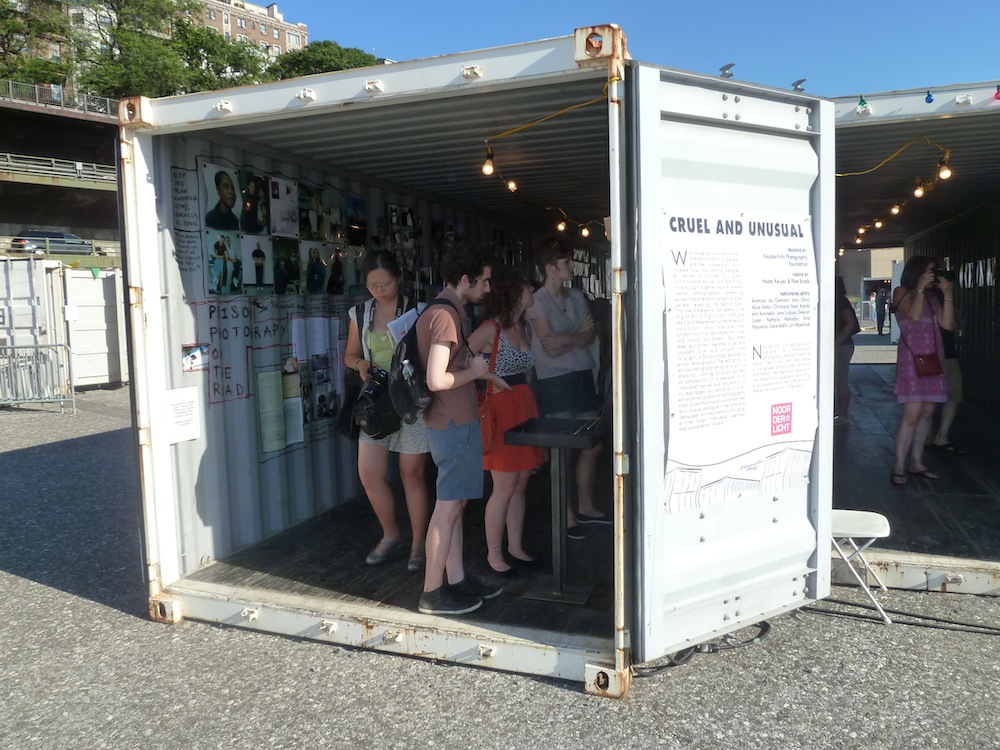
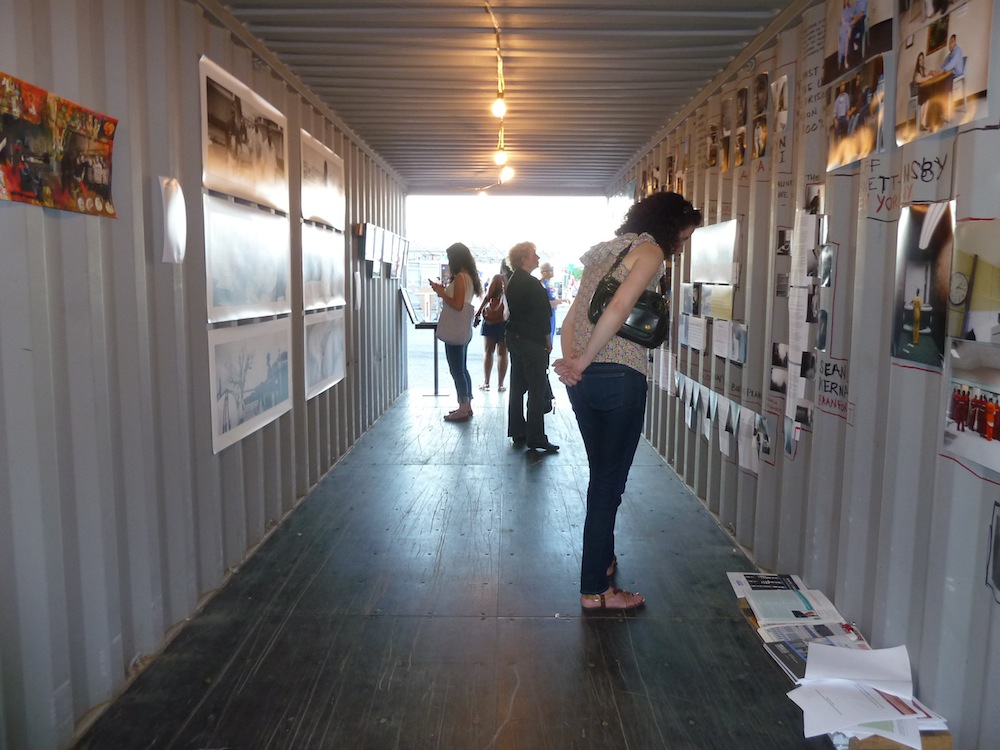
Further thanks have to go to Wally, Trevor and Lee for hanging the work of the 11 named photographers across one and a half containers – Alyse Emdur, Amy Elkins, Araminta de Clermont, Brenda Ann Kenneally, Christiane Feser, Jane Lindsay, Natalie Mohadjer, Deborah Luster, Lizzie Sadin, Yana Payusova and Lori Waselchuk.
I took care of the other half a container; the PPOTR wall. I scrawled quotes and stats freely on the corrugated surface. Whenever I had downtime last weekend, I’d return to the container and scribble some more.
The PPOTR wall contains images by 17 photographers – Jenn Ackerman, Jeff Barnett-Winsby, Steve Davis, Lloyd Degrane, Harvey Finkle, Tim Gruber, Scott Houston, Sean Kernan, Jon Lowenstein, Ara Oshagan, Joseph Rodriguez, Richard Ross, Adam Shemper, Marilyn Suriani, Stephen Tourlentes, and Sye Williams.
I’d like to Thank Deborah Luster, Yana Payusova and Lori Waslechuk for joining me for Saturday’s panel discussion. They were happy to share stories from their experiences shooting in Russian and Louisianan prisons and they parried my challenge as regards the utility of this type of photography with varied and solid positions.
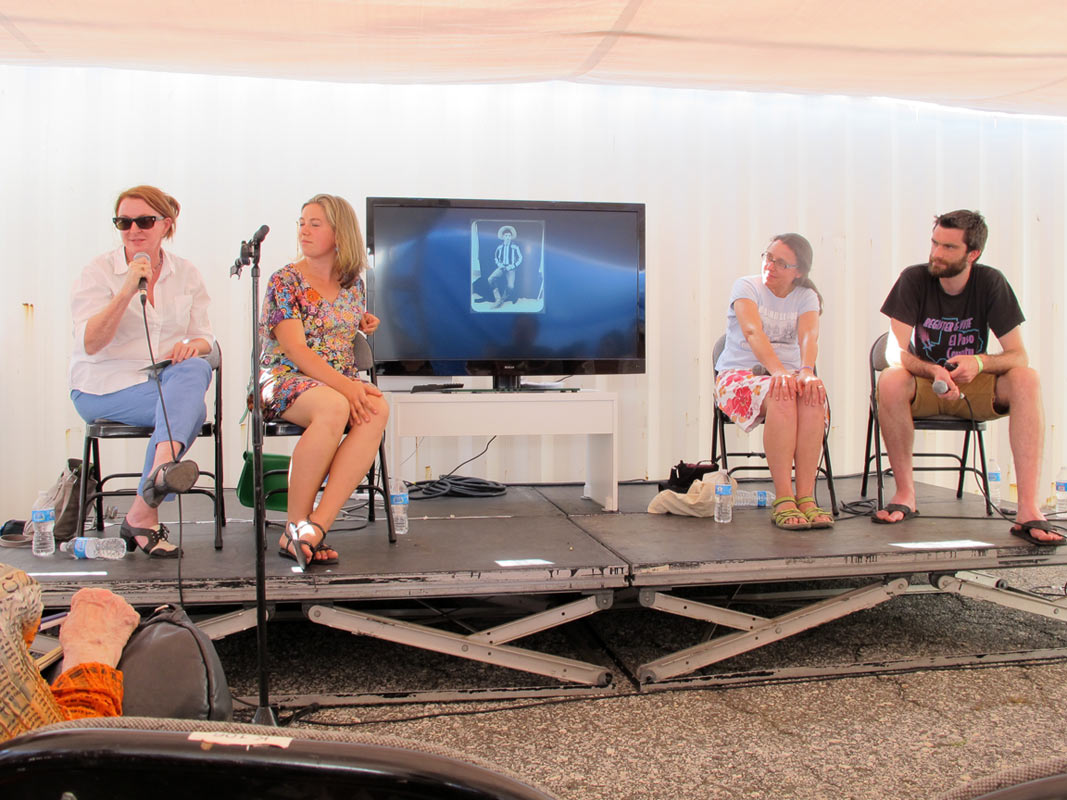
Left to right: Deborah Luster, Yana Payusova, Lori Waslechuk, me. Credit: Graham MacIndoe
Did I mention the massive thunderstorms on Friday afternoon with forks of light cracking down on the skyscrapers of Manhattan? It was great. Then there was the party that was on, wasn’t on, on again. I went for felafel, came back, had a cheeky wine. Hung out with Bryan Formhals and Michael Shaw.
On Saturday evening, Susan Meiselas raised a glass to the Magnum Emergency Fund fellows. Wyatt Gallery was there, as were Amy, Yukiko, Lauren from the Open Society Institute’s Documentary Photography Project. I saw Peter Van Agtmael later and I’m banking on him for better installation shots. Also had the opportunity to finally talk to Chandra McCormick. I had tried to speak with Chandra during PPOTR. She and her partner Keith Calhoun photographed in Angola Prison before it became common to do so.
Photoville is a relaxed place to bump into people you want to bump into. The general vibe is that it is accessible, fun, pedestrian and at the same time maintains a high standard of work. Photoville is off to a good, solid, smile-making start.
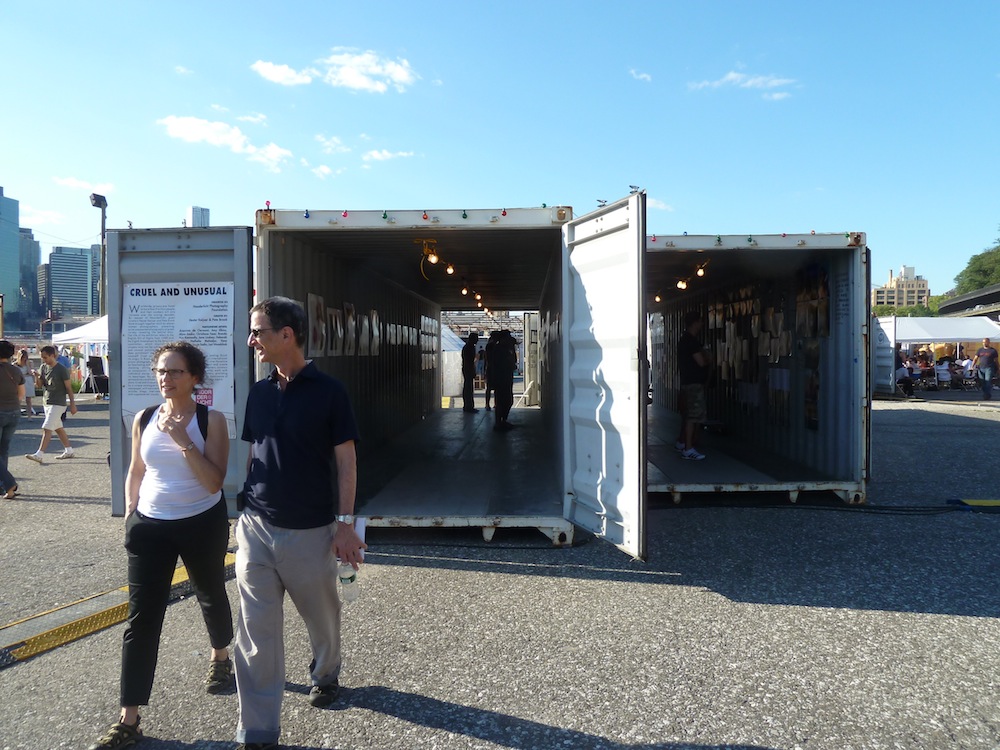
I suppose the only other news is that I delayed my return flight so I remain here in NYC. The arrangements I made for deinstall fell through, so I’ve decided to take care of it myself.
In the meantime, I’m sprinting (or biking) around the city hobnobbing with people, making interviews and panicking about how journo-blogger disclosures should be written in an age of small and borderline incestuous photo-maker-media-networks.
I’ll add to that worry of over-familiarity more at the PDN The Curator Remix party this evening.
Tomorrow, very much looking forward to Lorie Novak’s panel discussion “Community Collaborations” as I’m wrestling with ideas and best practices for potential photography workshops in prison. I also plan to be at the Daylight Photographs Not Taken panel discussion.
Enjoy the pics.
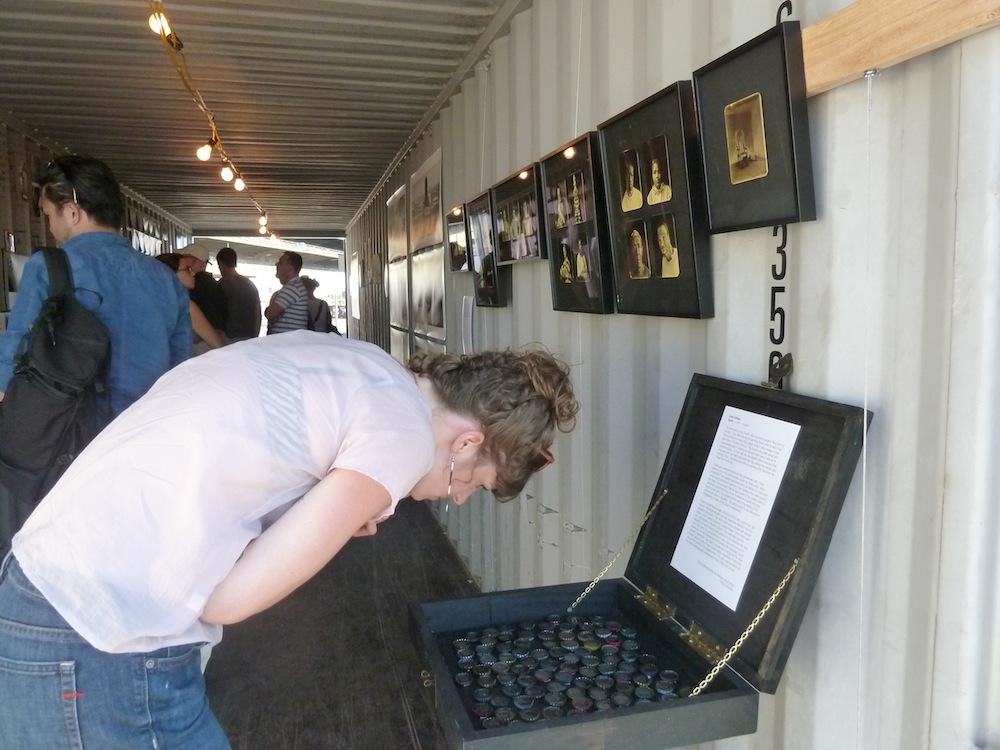
Jane Lindsay’s bottle caps. (That’s Lou Reed’s NYPH pedestal).
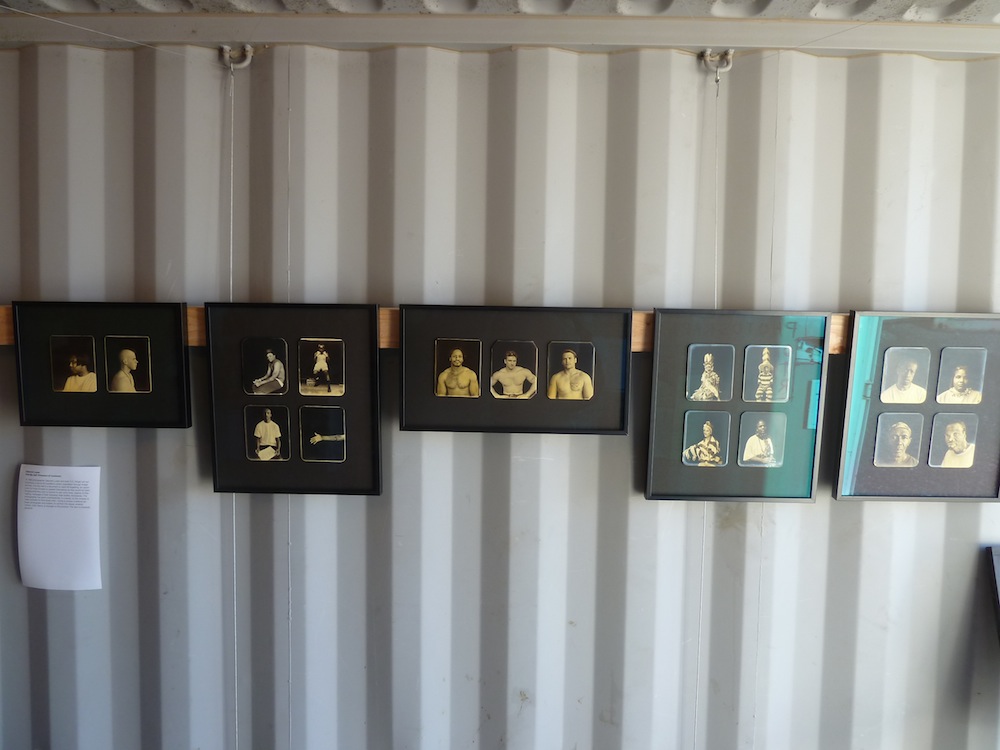
Deborah Luster’s One Big Self
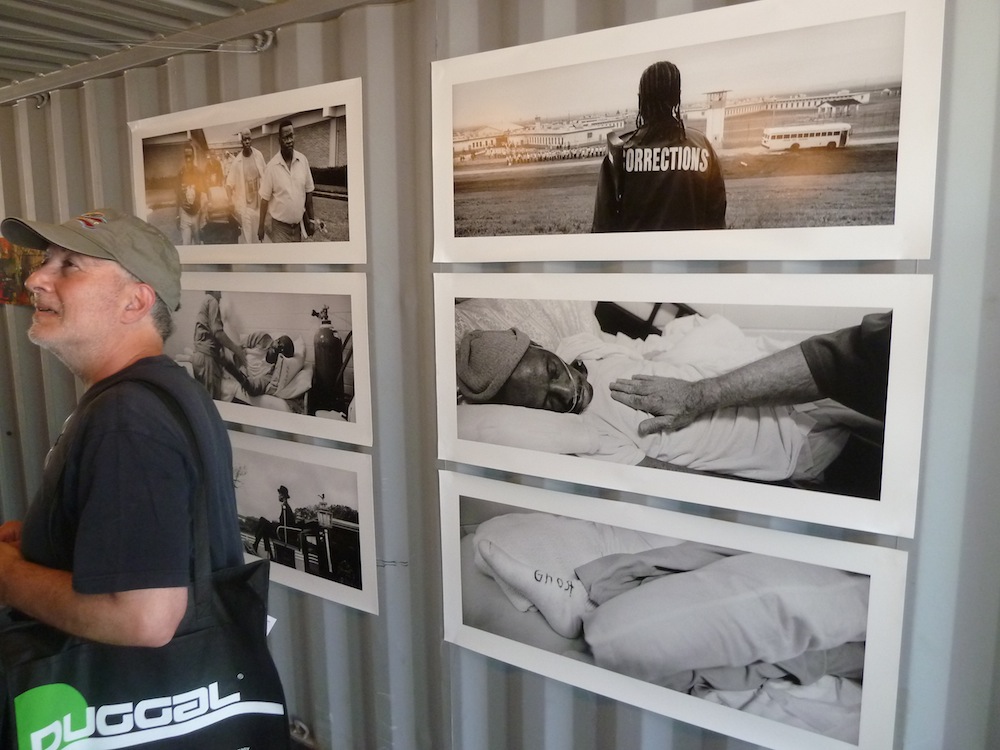
Lori Waselchuk’s Grace Before Dying
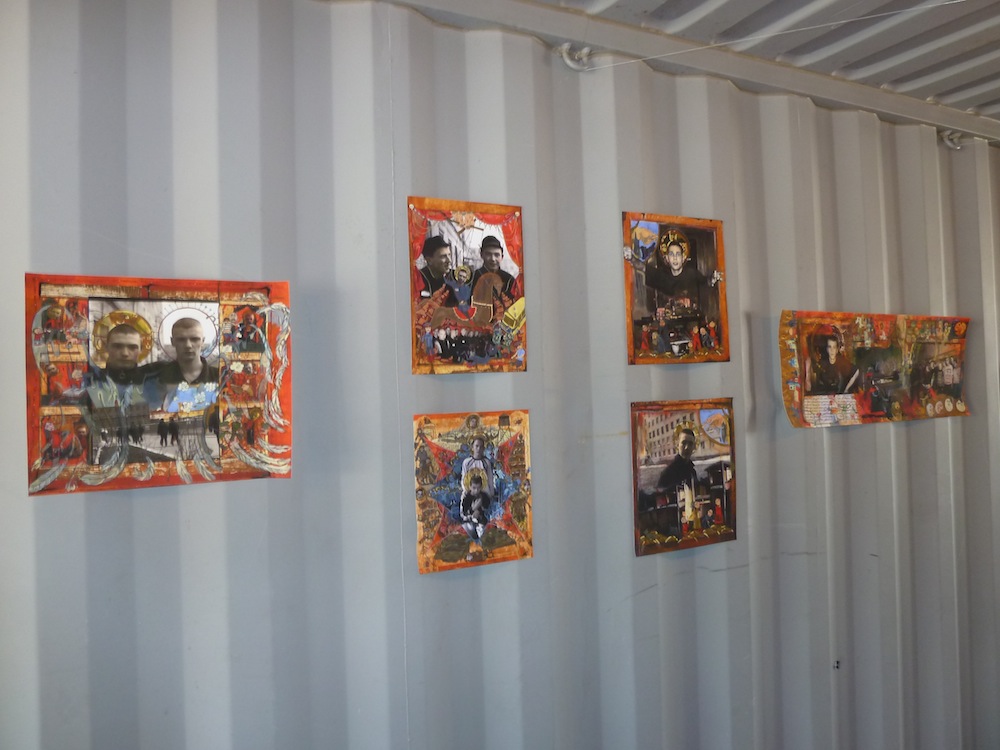
Yana Payusova’s Prisons
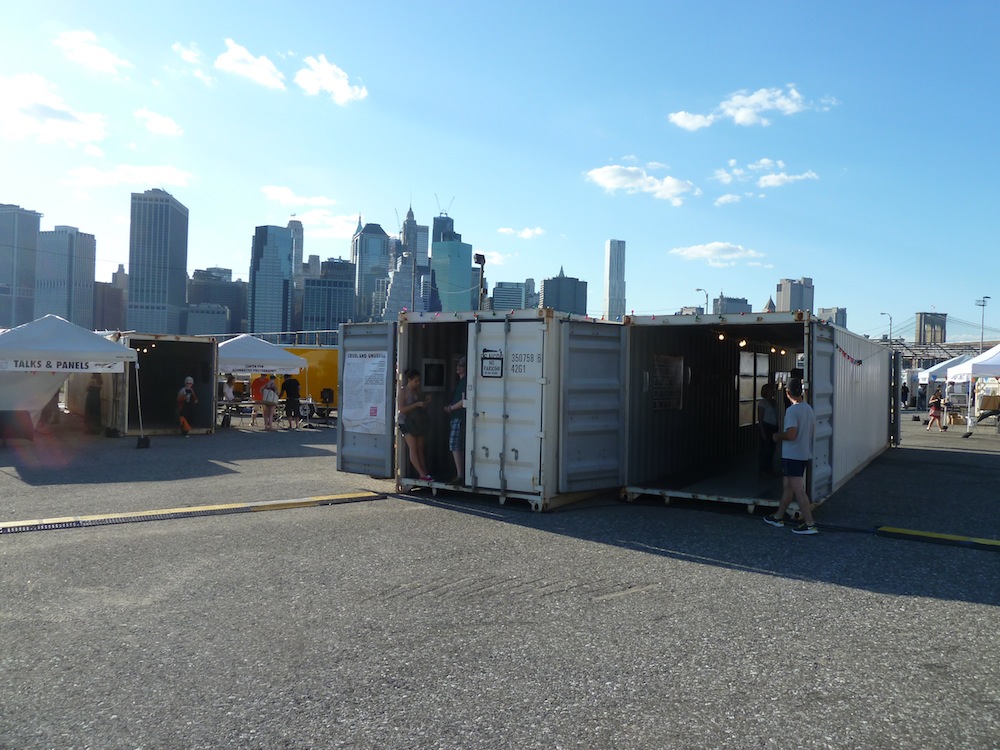
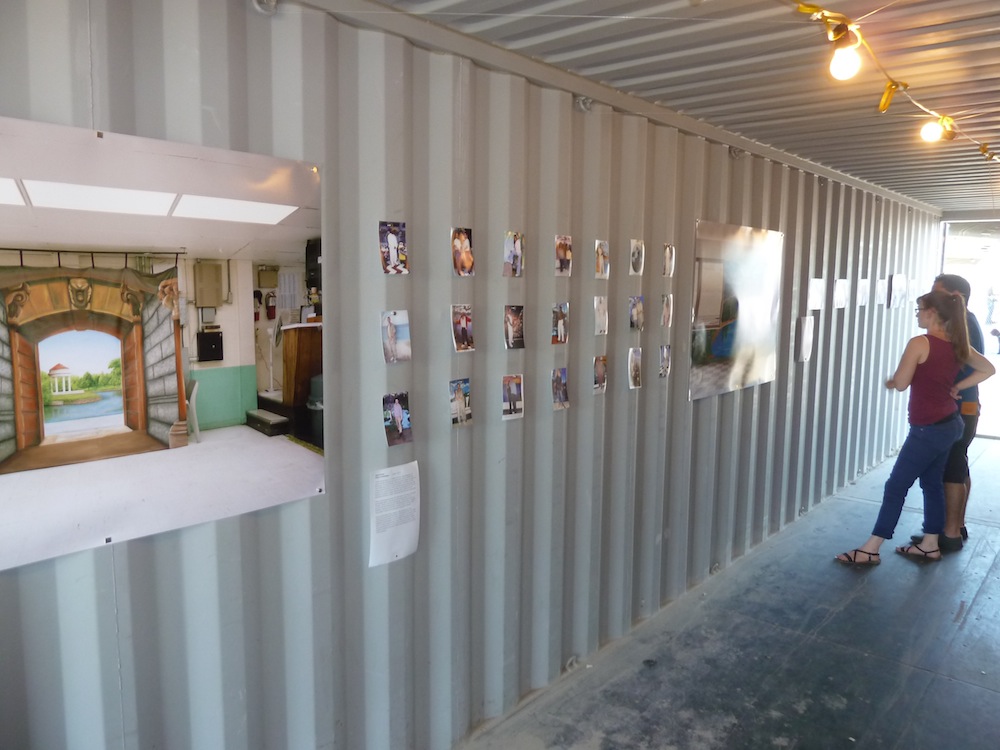
Alyse Emdur’s Prison Landscapes
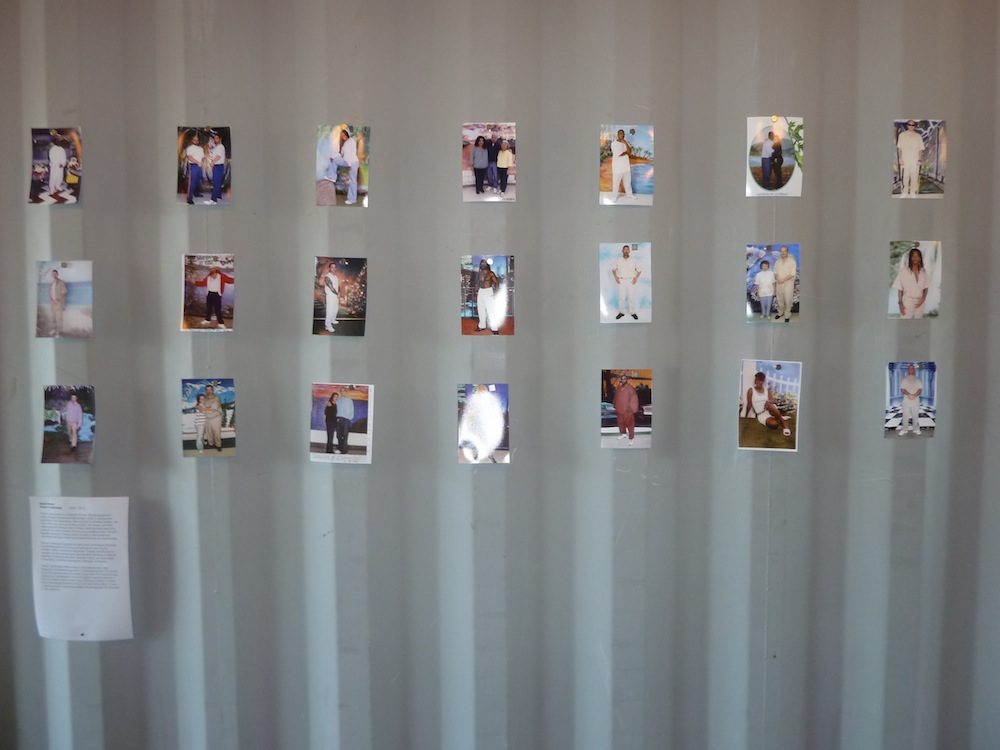
Alyse Emdur’s Prison Landscapes
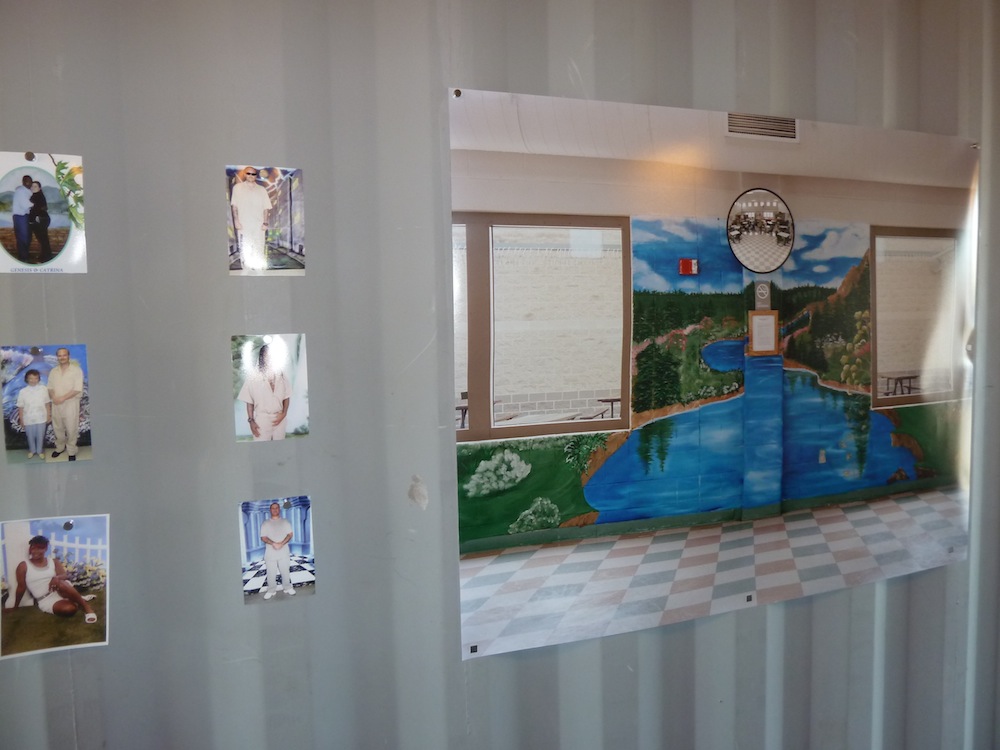
Alyse Emdur’s Prison Landscapes
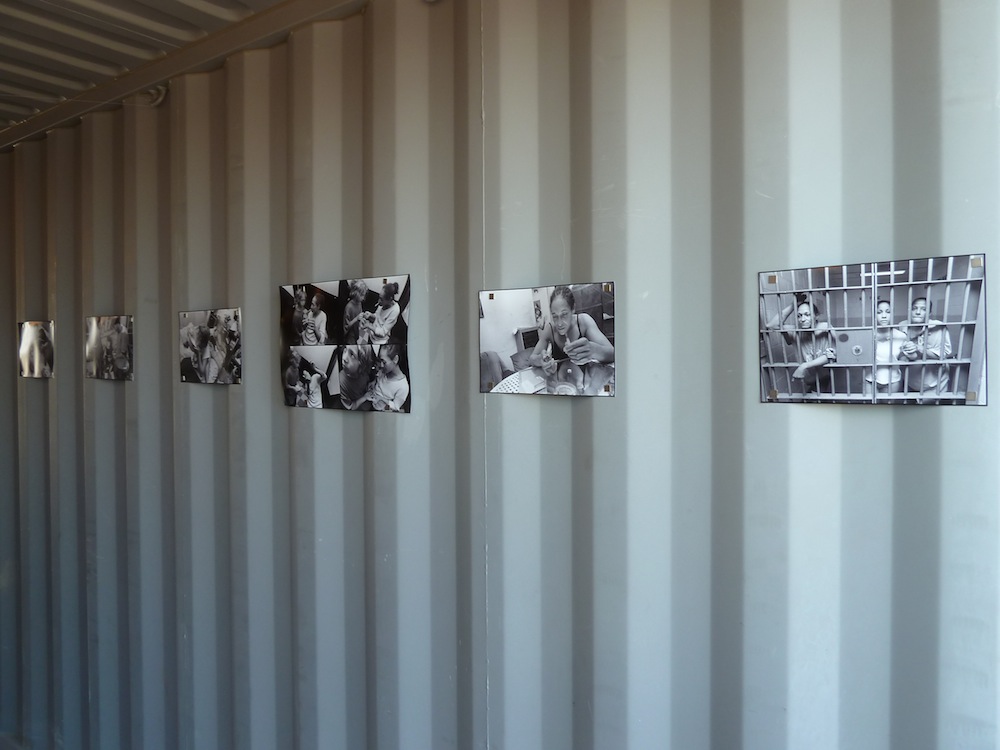
Brenda Ann Kenneally’s Andy and Tata
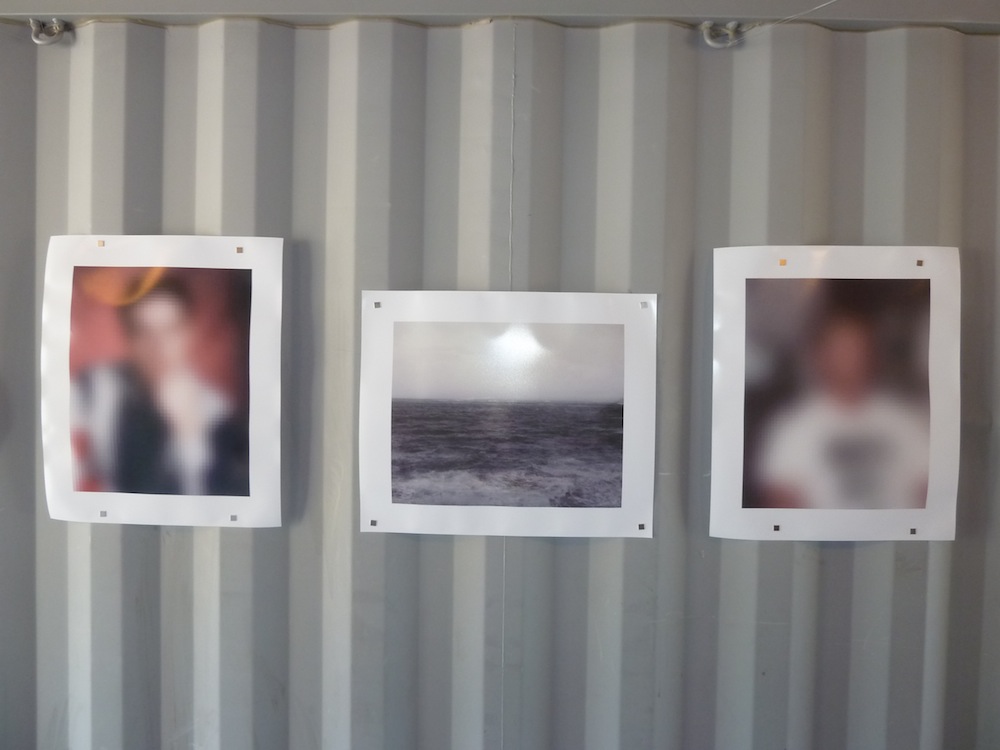
Amy Elkins
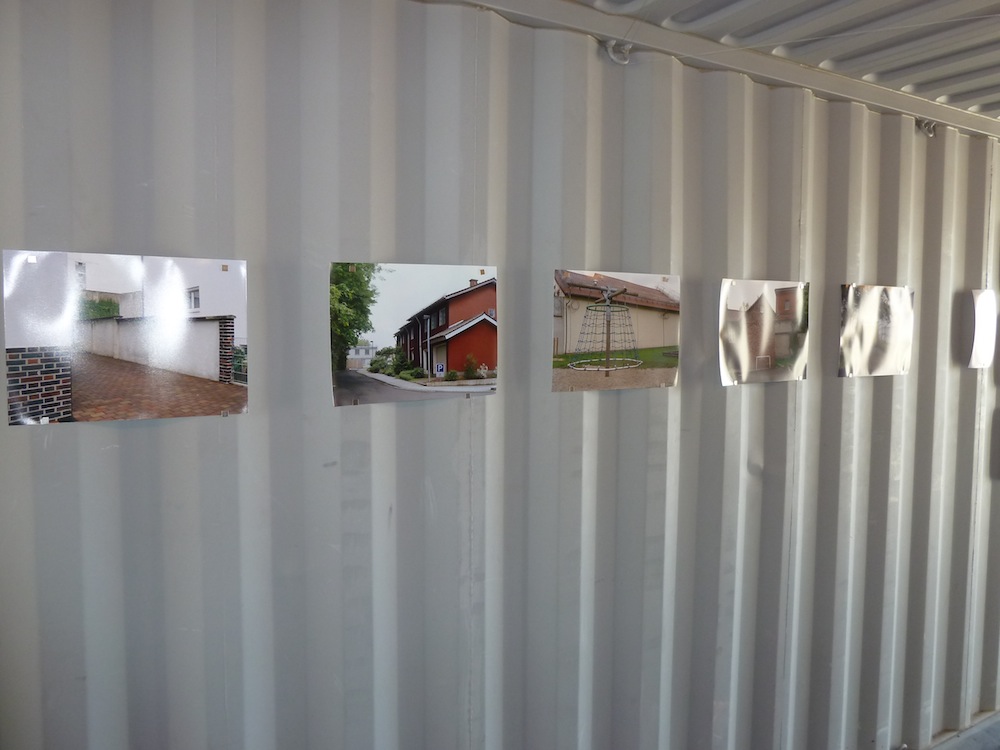
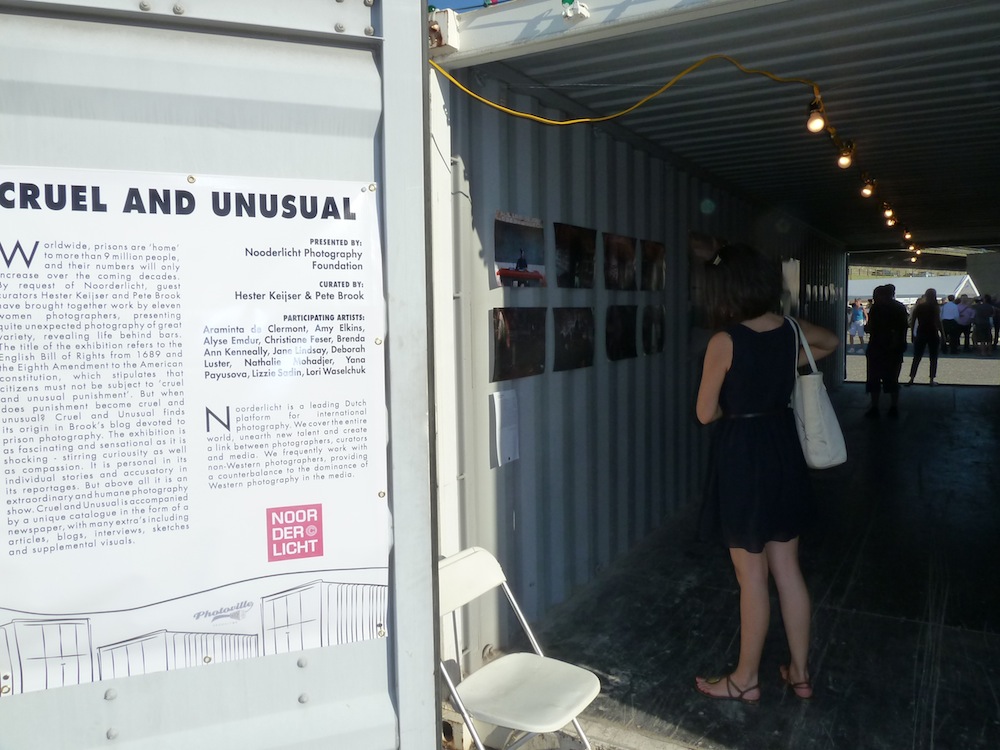
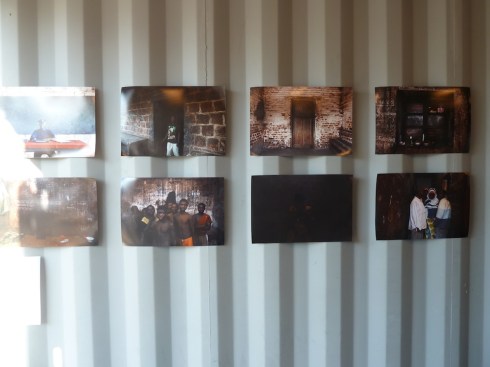
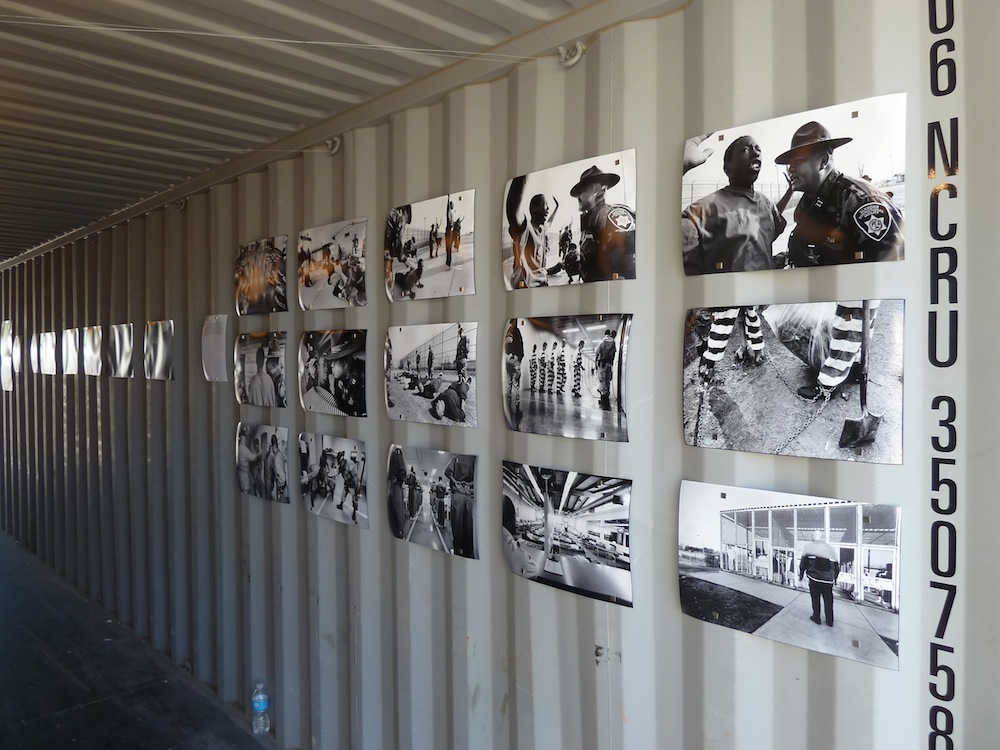
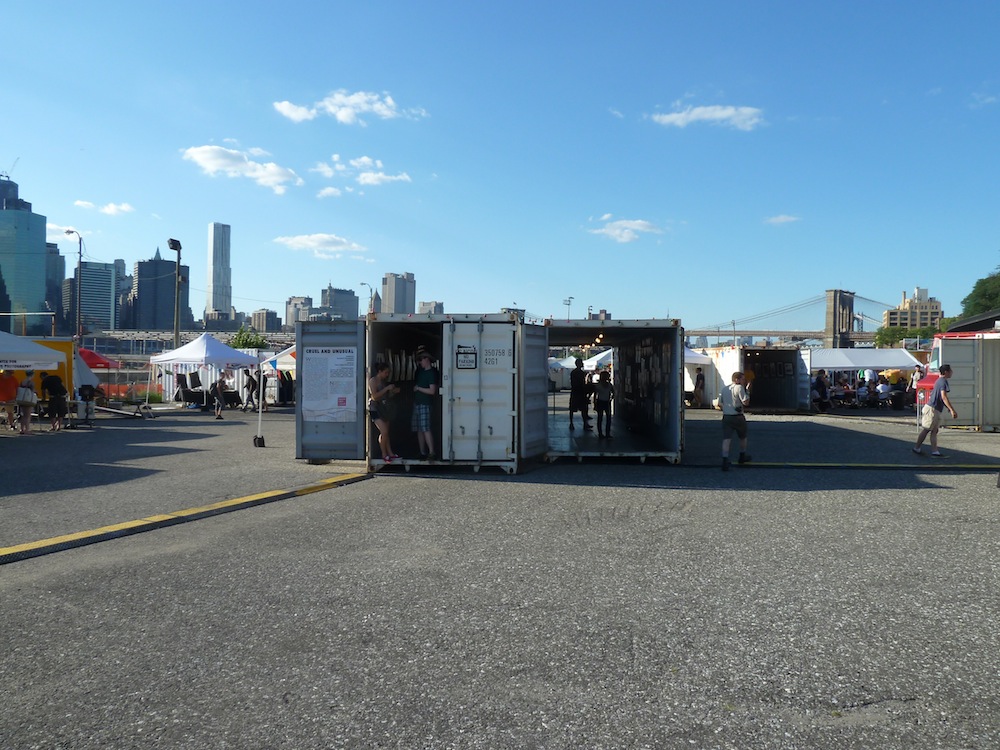
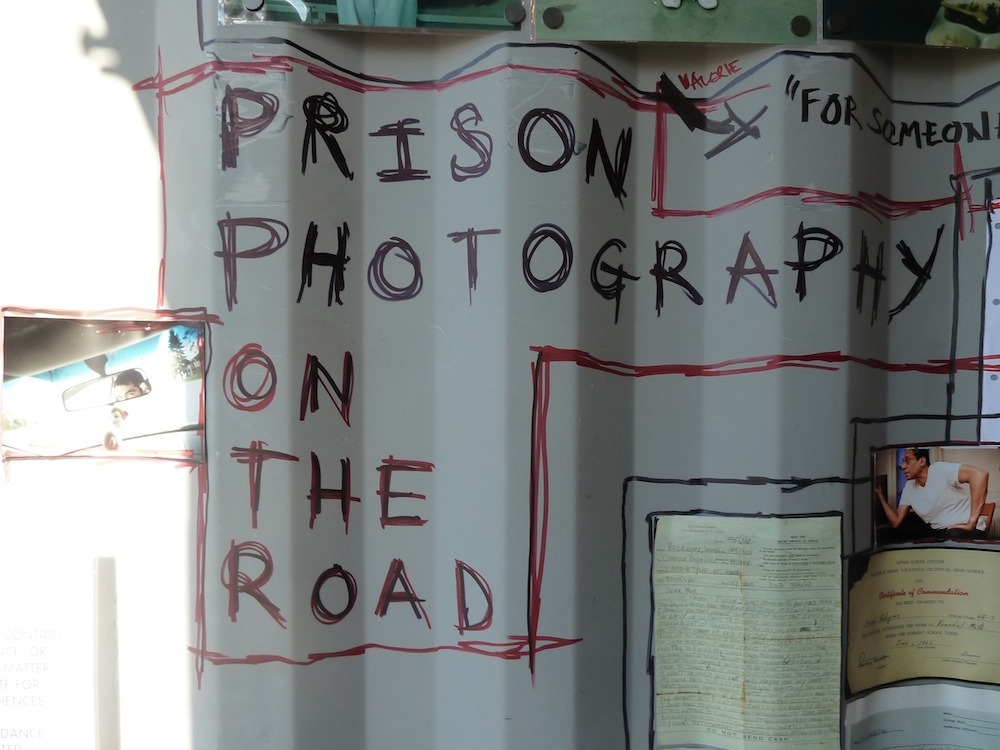
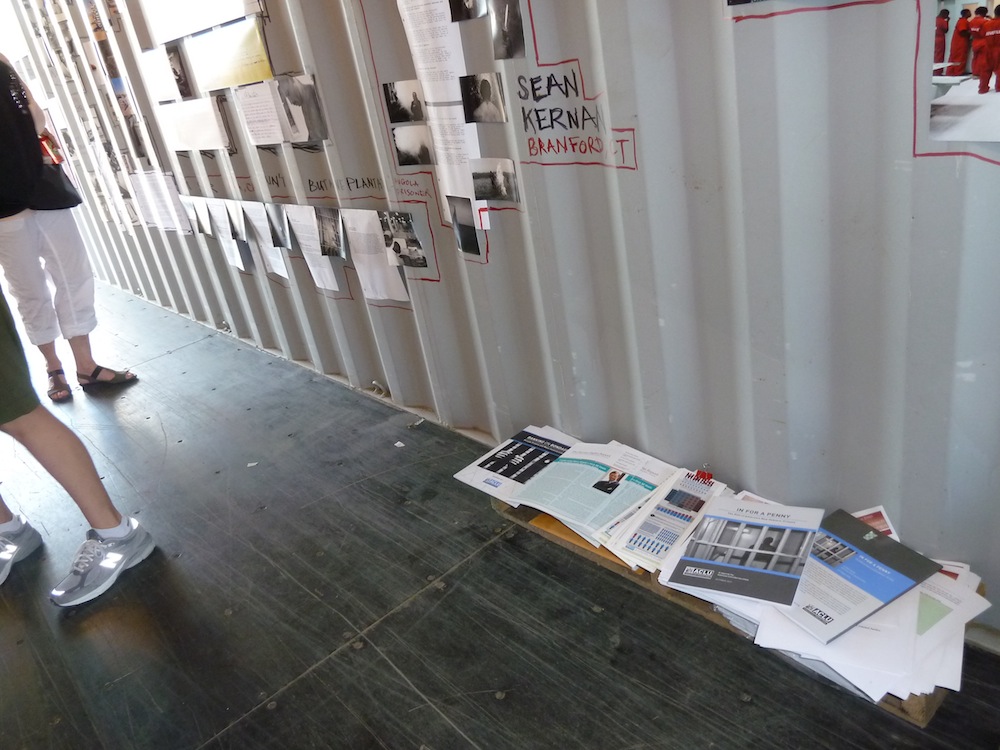
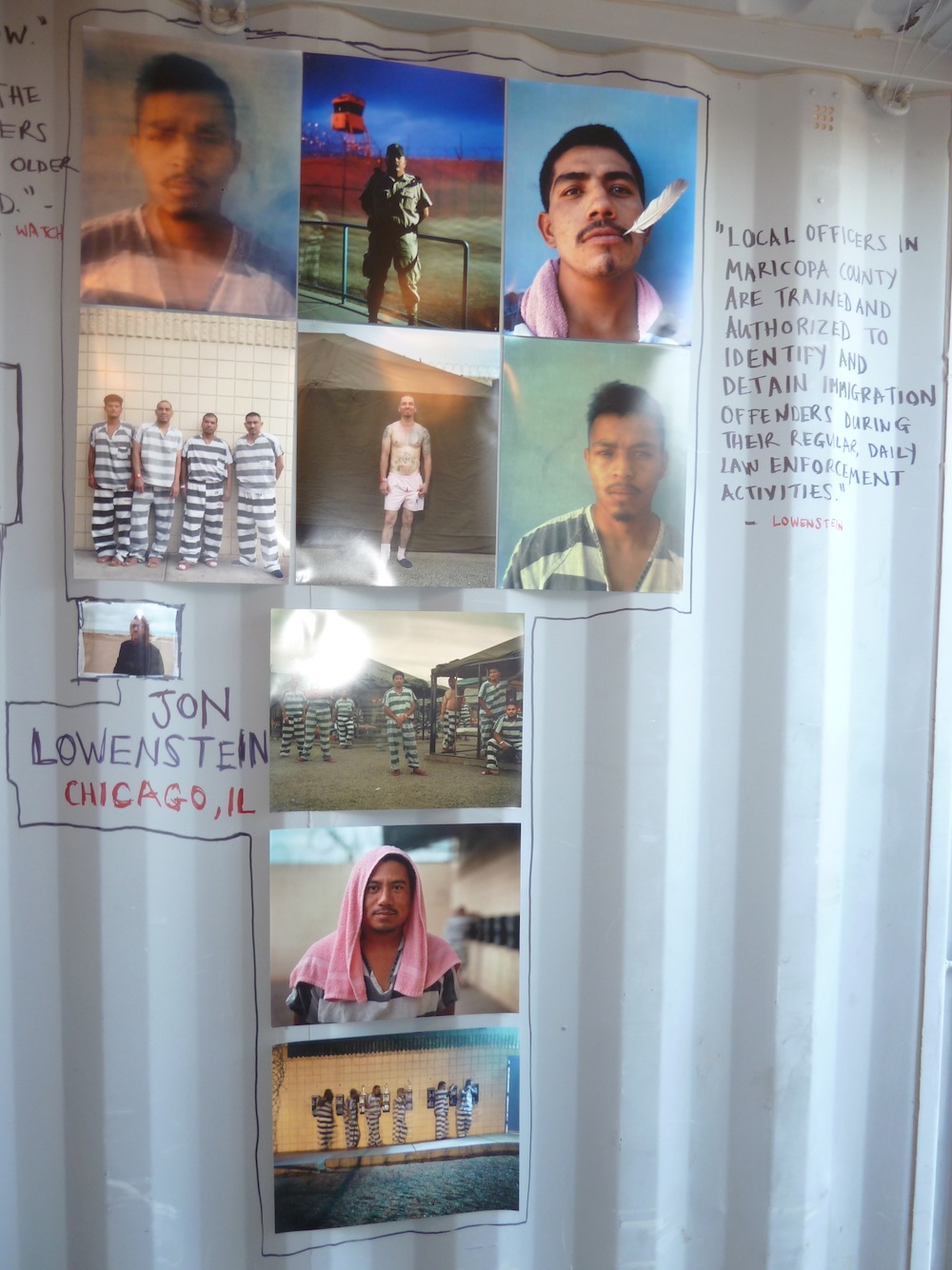
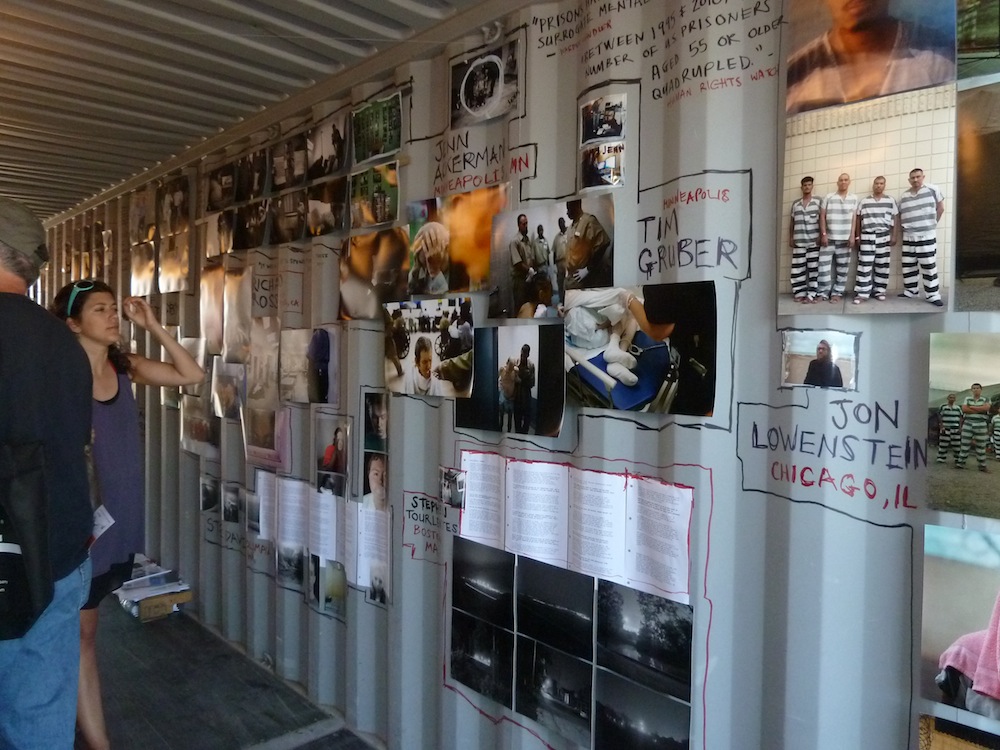
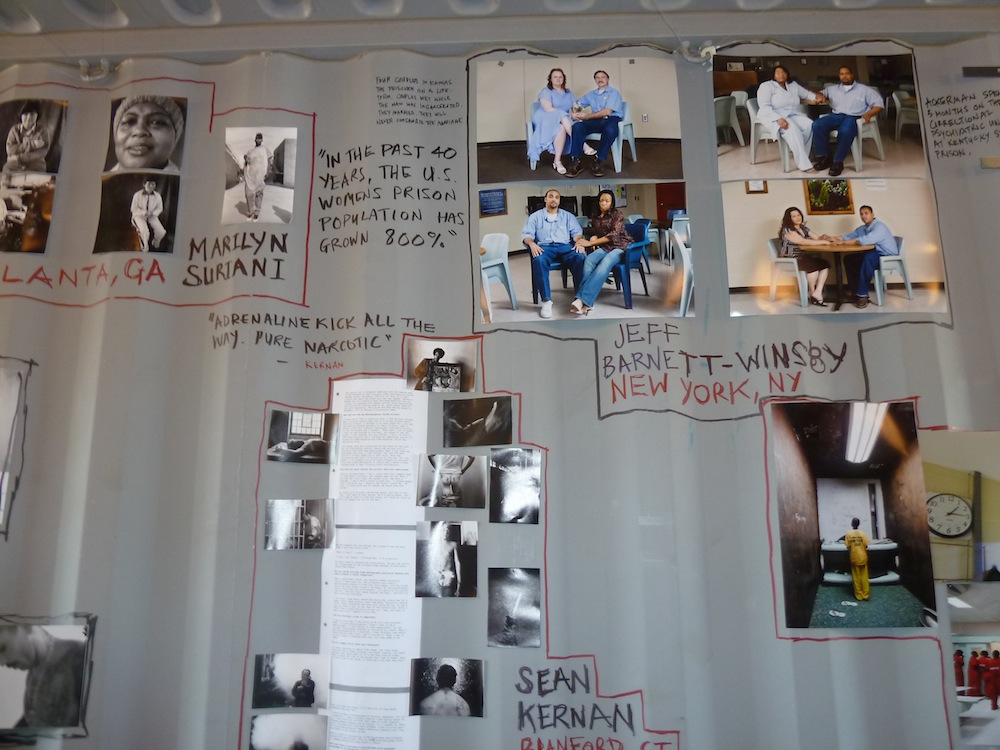
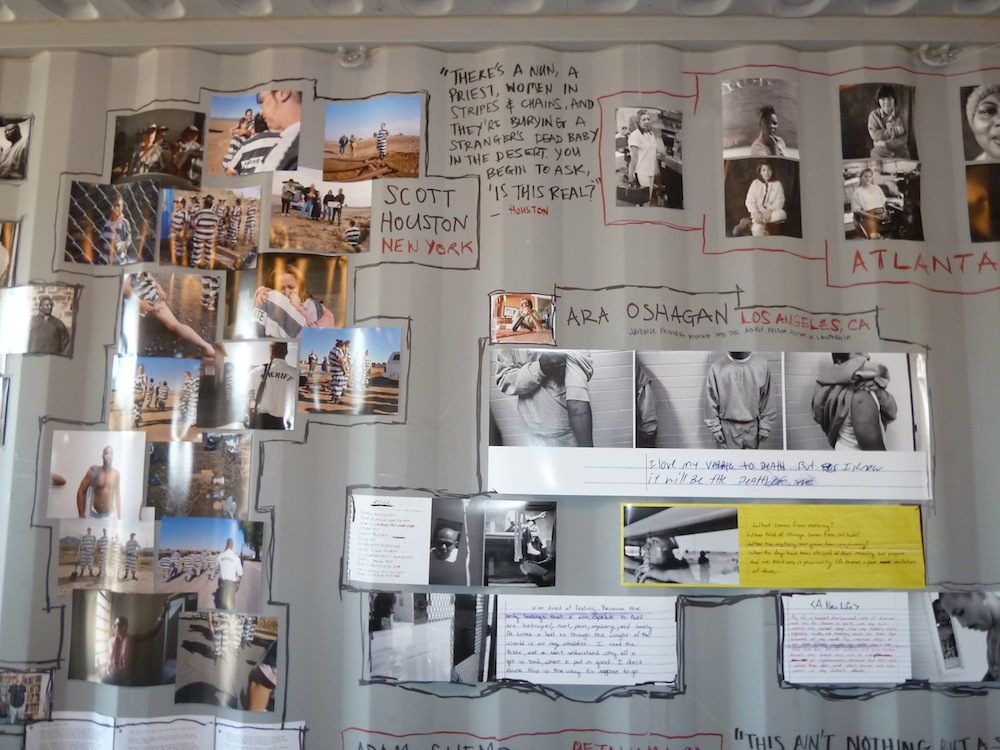
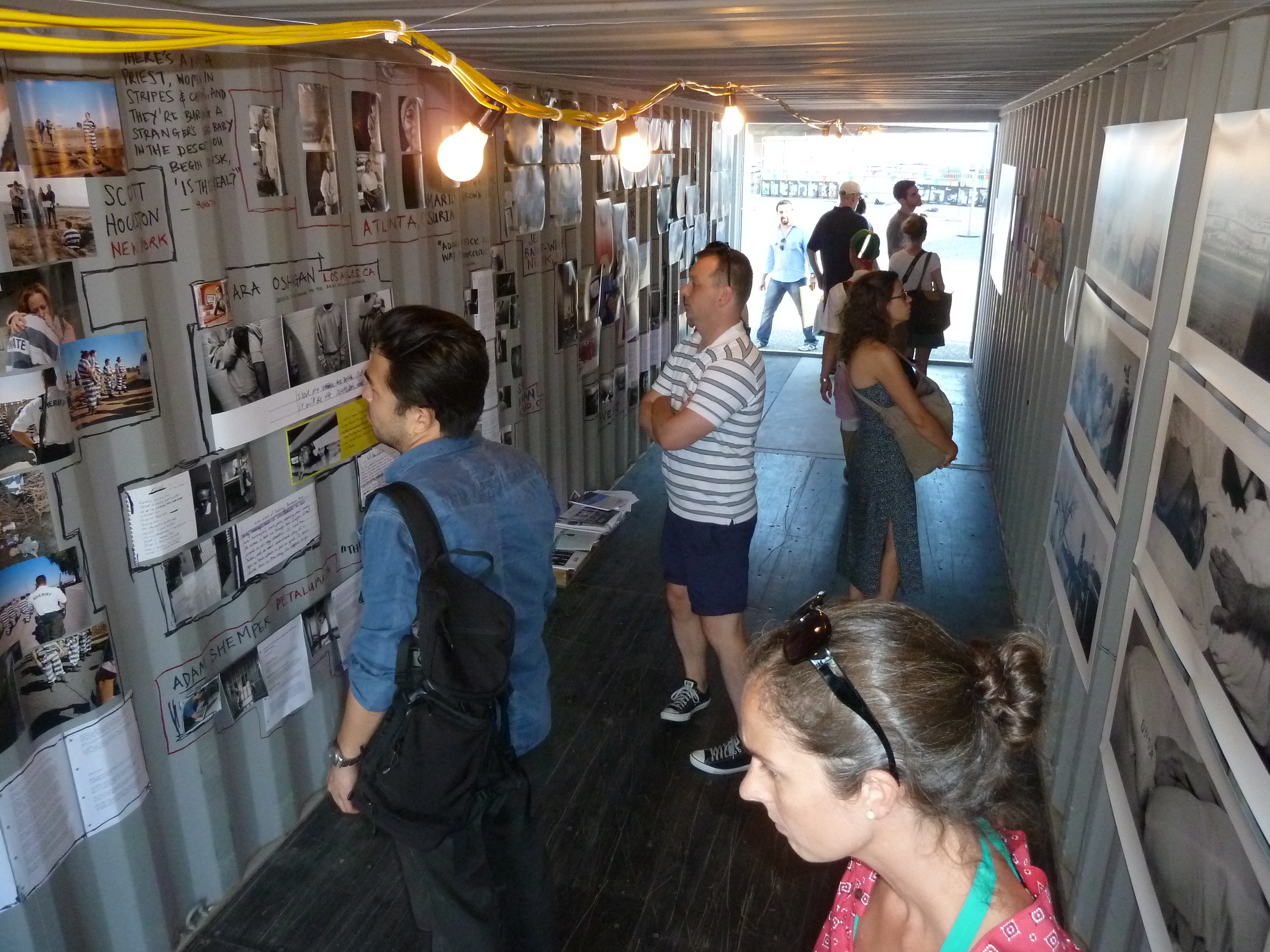
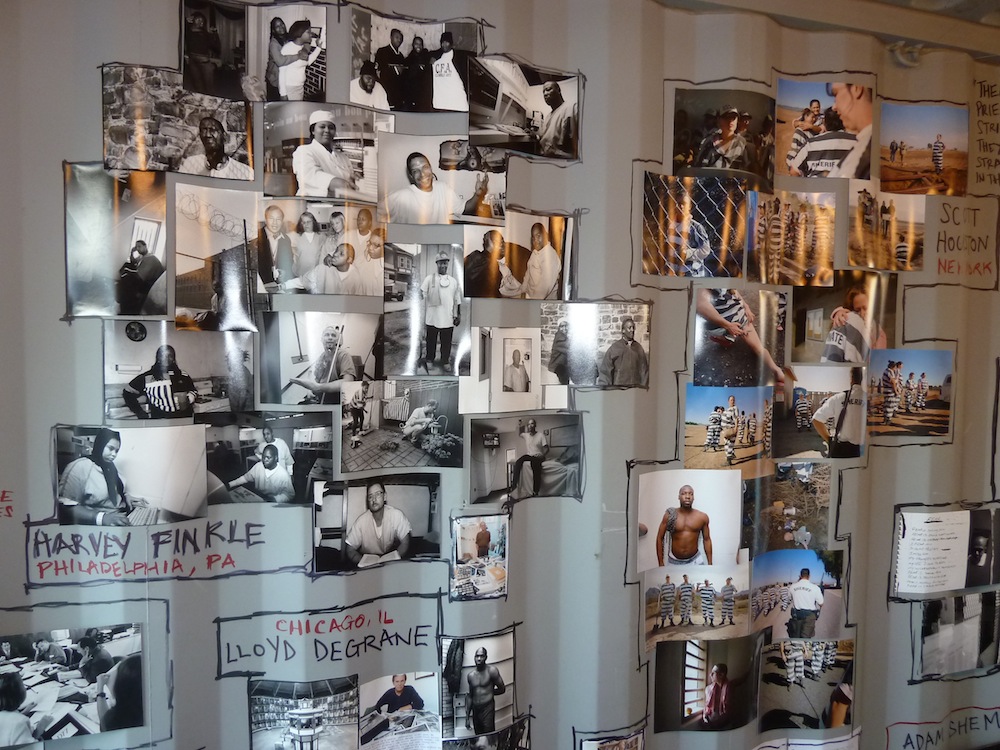
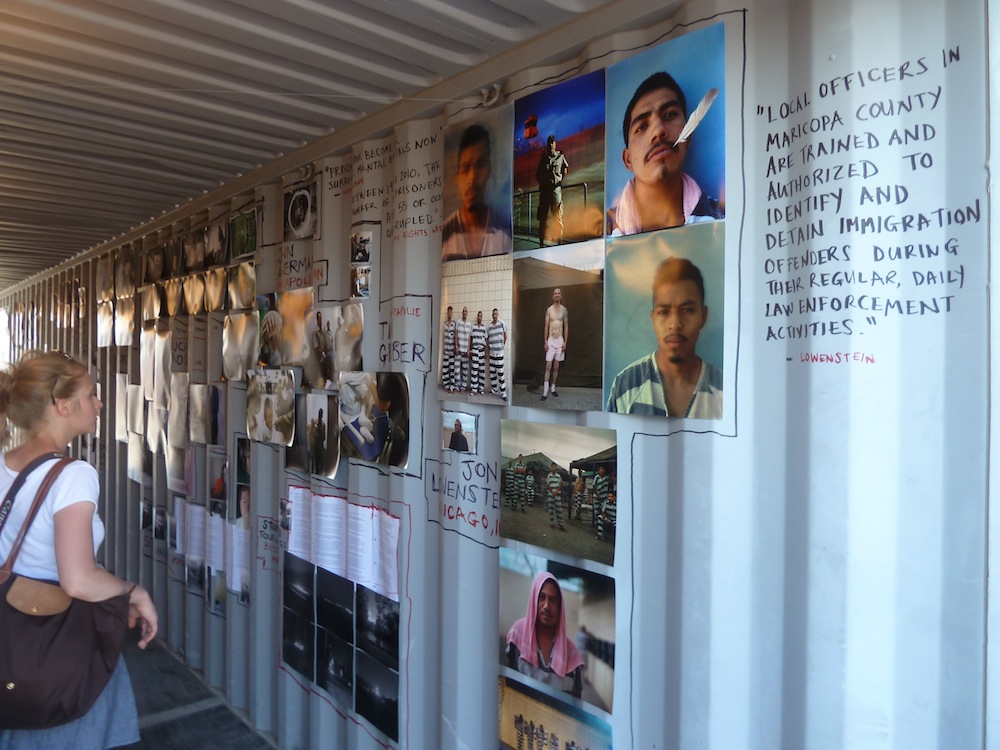
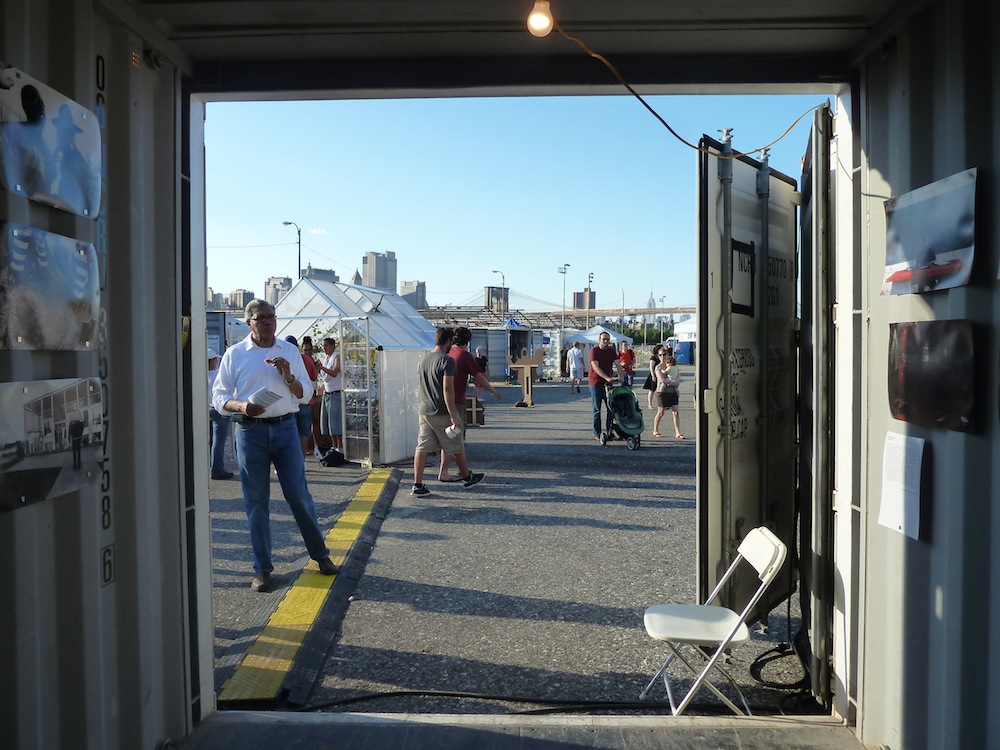
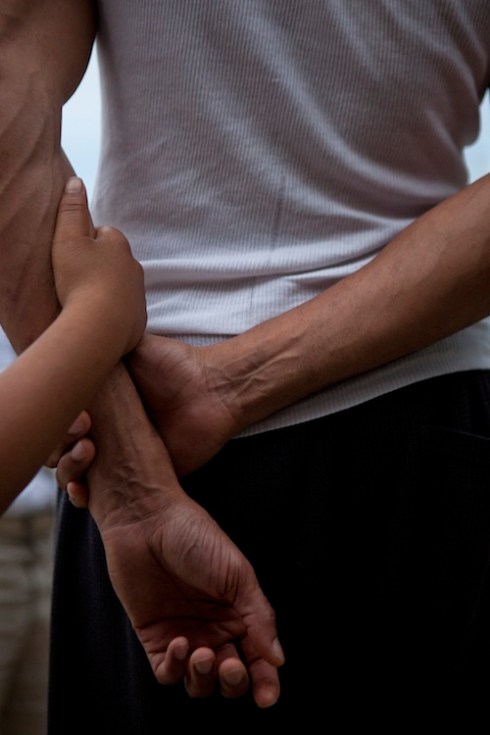
Image: Ron Haviv / VII Photo
UPDATED: 06/27. 4:25am EST
Following the September launch of VII Photo/Think Outside the Cell’s collaboration, Prison Photography will roll out four related interviews with each VII photographer to capture first hand the journalists’ perspective on reentry, on the images and video they made, on the stakes at hand for subjects who are navigating a precarious time following their incarceration and on the relevance of image to public attitude.
– – – – – – – –
On Saturday afternoon, I listened to Michael Shaw’s lecture about how governments and corporations are increasingly influencing flows of images through strategic releases and staged ops. In a time of shrinking budgets, especially among printed media, we are all aware of how the modified – or sometimes not so modified – press release is quickly reworded and passed off as news. It goes without saying that this is a sad state of affairs. It goes with saying because below I am presenting an unmodified press release from VII Photo.
I should also add that I have spoken with a few representatives of VII Photo over the past few days and my decision to post this was also shaped by my keen personal interest in their professional pursuits as well as the personalities working away in VII’s Dumbo headquarters.
When I started blogging, I was a Billy-Nobody … and I rarely knew the photographers or organisations I was writing about. As time has passed, however, I am more frequently in the position of writing about the activities of people I know or with whom I may have shared a drink or meal.
Such a growing fraternity may not be unusual for anyone wending her or his way through any field – and this might be a disclaimer of unusual length – but I wanted to say that things feel different now.
I am not invisible anymore.
PRESS RELEASE
VII PHOTO AGENCY ANNOUNCES VISUAL COMMUNICATIONS PARTNERSHIP WITH THINK OUTSIDE THE CELL FOUNDATION
VII Photo Agency today announced a new long-term partnership with the Think Outside the Cell Foundation to produce documentary film and photography features that raise awareness about the experience of formerly incarcerated persons.
Think Outside the Cell is a non-profit organization founded in 2010 that works with the incarcerated, formerly incarcerated and their families to help end the stigma of incarceration. Through personal development workshops, storytelling and other creative approaches that provide building blocks for productive lives, the Foundation helps those affected by the prison system to create their own opportunities.
The first documentary feature project of this partnership will include a short film and photography essays that capture two subjects in New York City as they experience the daily challenges of reintegrating into society after being released from prison. The project will be launched Tuesday, September 18 on the Think Outside the Cell website and screened nationally at conferences, education forums, debates and in policy circles addressing legislation related to mass incarceration. The imagery and film will be syndicated by VII Photo internationally.
Each year, an estimated 700,000 people are released from prison in the United States, including approximately 26,000 in the state of New York. Often, people are branded as felons for life, and the stigma creates societal barriers that make successful reentry unattainable and staying out of prison with limited access to resources unsustainable.
VII photographers Jessica Dimmock, Ashley Gilbertson, Ron Haviv and Ed Kashi are collaborating as a team shadowing the subjects day-to-day as they deal with the challenges of reintegrating into society.
The partnership launches a long-term collaboration between VII Photo and Think Outside the Cell. VII will act as the Foundation’s exclusive visual communications partner with the aim of raising awareness about incarceration’s stigma and the local, state and federal laws that prevent formerly incarcerated persons from accessing the resources necessary to establish a stable and productive life.
“Think Outside the Cell is delighted to work with VII Photo in tackling head-on the stigma of incarceration,” said Sheila Rule, the Foundation’s co-founder. “Countless men and women who’ve been to prison have extraordinary potential, yet this crippling stigma has led to laws and policies that make it legal to deny them the essential components of full citizenship; employment, housing, educational opportunities, public benefits and the right to vote. Our visual partnership with VII Photo will open hearts and minds to the true impact of the long shadow of incarceration.”
Contact:
Kimberly J. Soenen
, Director of Business Development
Tel: 718.858.3130
kimberly@viiphoto.com

It was 75 degrees Fahrenheit at 7:30am as I stepped out the Delta Airlines terminal at JFK. I sweated my way through the subway to pick up a friend’s bike, on which I would only sweat more.
83 degrees.
Cycling down to Brooklyn Bridge Park would have been more enjoyable had I cleaned off the excess degreaser I’d applied to the chain and sprockets; the brakes were less responsive with every heaving, muggy second that passed.
Cruel and Unusual is to be inside two 40 foot containers slap-bang-wallop in the middle of the Photoville grounds. As installers and photographers busied themselves hanging work, moving hardware and swilling gallons of water, I sat in one of Noorderlicht’s two empty containers. FedEx says the work will be here by 3pm Thursday “at the latest.”
The plans, PDFed by Marco weeks ago, were open in a window on my laptop. A virtual reminder of the install not getting done.
It’s not actually a huge issue; we’ll just move quicker tomorrow.
84 degrees.

After milling around a bit and checking out the other exhibitors’ works, I decide to take some photos. If inaction is the order of the day, then I might as well blog about it.
Inside the containers are lights, wires and one of ours had a table.
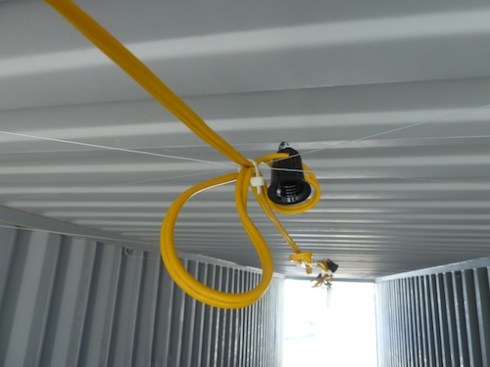
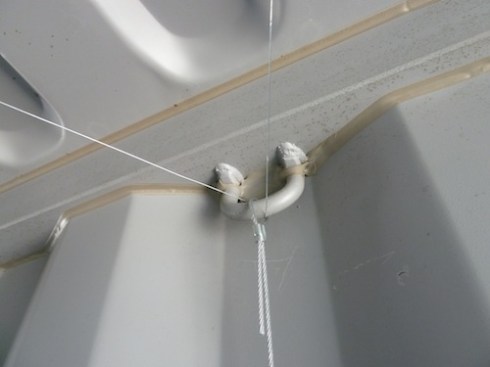

88 degrees.
I met Nicholas Calcott who is part of the Tierney Fellowship show. We *met* years ago through the photoblogosphere. And there he is in the flesh, Ray Bans and Levi’s.
Aloys Ginjaar explains that his “Wonder of Woman” show is the fruit of ten months labour searching on the internet, Facebook and magazines. 64 prints all by Dutch photographers.
Wyatt Gallery‘s Tent City looks great and big, but not too big. The PDN showings are a mixed bag but hold my attention.
It feels a bit strange getting excited about pictures on a upright surface when there’s a monster cityscape around and over every container.
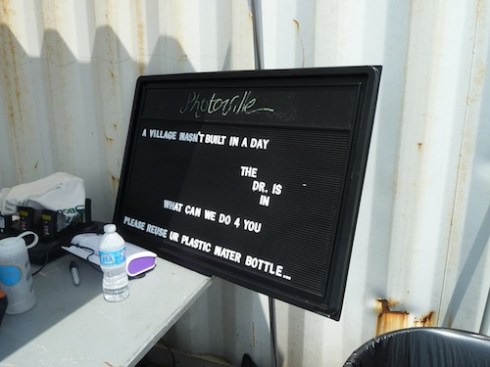
89 degrees.
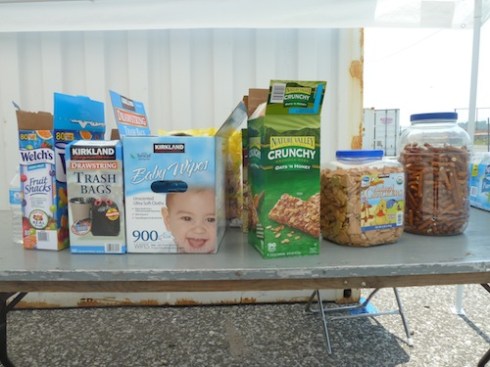
Photoville is providing all things necessary to stave of hunger, dehydration and UV rays. Of all the Photovillers, Alexis Percival is the one I met with today. Friendly faces abound.
I have to say, I am well looking forward to hobnobbing with photofolk on opening night (Friday) and over the weekend for the talks and lectures. I get this giddy feeling every time I come to NYC.

The surroundings are pretty awesome. If you ask the city, we’re at Pier 3. If you ask me, we’re in the midst of one of the world’s greatest skylines (albeit hazy).
A glance to the south and you’d see the statue of liberty.
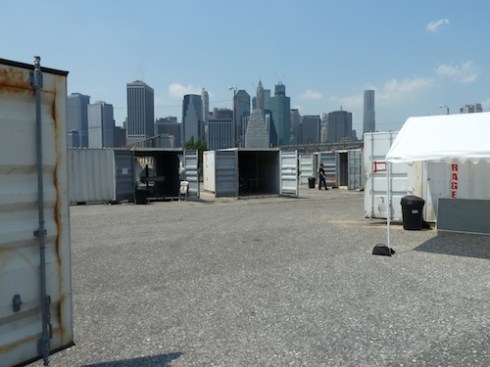
Turn 90 degrees and you peer north to the Brooklyn Bridge. There’s certainly still a lot to be done on site, but there’s no doubt it’s coming together impressively.

Another 90 and there’s two elevated (noisy) roads.
See what I did in the photo below? Visually, I mean? It’s a visual pun. It’s Pundemonium

91 degrees.
The view from the restrooms is smashing.
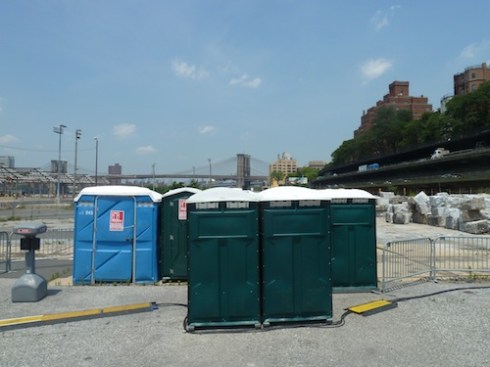
The day topped out at 93 degrees. The forecast for tomorrow? 96 degrees.
Stay tuned.

“Jackson and Christian have pulled back the proverbial curtain so that all can see the American Way of Death.”
– Mumia Abu-Jamal
In the 1979, Bruce Jackson and Diane Christian, a husband-and-wife documentary and research team conducted one of the largest (photographic) surveys of prison life. Jackson and Christian used photography, film and interview to understand and illustrate life on cell block J in Ellis Unit – the Death Row of the Texas Department of Corrections.
Their new book In This Timeless Time (University of North Carolina Press) offers an unflinching commentary on the judicial system and the fates of the men they met on the Row. You can see a gallery of 20 photographs from In This Timeless Time here, and an edit of 74 on Jackson’s own website here.
In This Timeless Time includes a copy of Death Row (1979) a film made by Jackson and Christian (trailer below). In This Timeless Time is also available as an e-book.
To coincide with the release Jackson and Christian have done a couple of interviews.
The first Listen, Read: Bruce Jackson and Diane Christian on Their New Book, “In This Timeless Time,” and Jackson on Curating “Full Color Depression” is with the Center for Documentary Studies (also abridged and in the online version of Document, Spring 2012 CDS Quarterly Newsletter.)
A second, very comprehensive interview Bruce Jackson and Diane Christian discuss Death Row in America is on the website of publisher University of North Carolina Press.
THE BOOK
In This Timeless Time includes 113 duotone photos, all accompanied by explanatory text, sometimes of considerable length. The book is divided into three significant sections.
First is a survey of their work:
“Instead of just showing those men as they were then and printing in another section their words about their condition then, this book tells what happened to each of them: who was executed, who got commuted, who was paroled and who, after more than two decades on the Row, was found to be innocent,” say Jackson and Christian.
Second is a look at capital punishment across the United States since Gregg v. Georgia (1976) in which the Supreme Court ruled states could resume executions.
Third, Jackson and Christian talk about their own role as practitioners, academics and documentary makers.
“Usually with books like this, you just get a book about the subject with nothing about the intelligence that produced it, or the politics that produced it, or the work that produced it. We thought that should be part of it, too,” says Jackson.
I think this is incredibly significant inclusion. I approach photo-criticism with the assumption power is implicated in its manufacture; I want to turn the lens 180 degrees – so to speak – and investigate how those images came into existence. Jackson and Christian want to talk about relationships, want to talk about their privileged access and reinforce the issue of subjectivity. They made a body of work no one else could and others would make a body of work they could not.
This third introspective, “meta-documentary” section of the book distinguishes it from other books of prison photographs. I’ve yet to get my hands on a copy, but expect a book review in late 2012.
BIOGRAPHIES
Bruce Jackson, a writer and documentary filmmaker and photographer, is James Agee Professor of American Culture and SUNY Distinguished Professor of English at the State University of New York at Buffalo.
Diane Christian, a poet, scholar of religious literature, and documentarian, is SUNY Distinguished Teaching Professor of English at the State University of New York at Buffalo
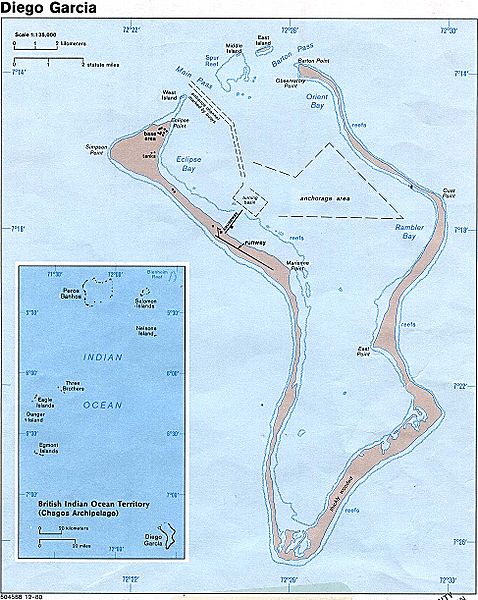
Diego Garcia Island, Indian Ocean, United Kingdom Territory. Rendition Flights Refuelled on the Island in 2002.
Two years ago, I used the above map to illustrate a piece about extraordinary rendition. Located between the east coast of Africa and the West coast of India, Diego Garcia is the largest of the Chagos Islands and until the 1960s had a permanent native population going back generations.
The United States wanted a Pacific military base and they British wanted the friendship. The Chagosians people were obstacles to the UK and US plans.
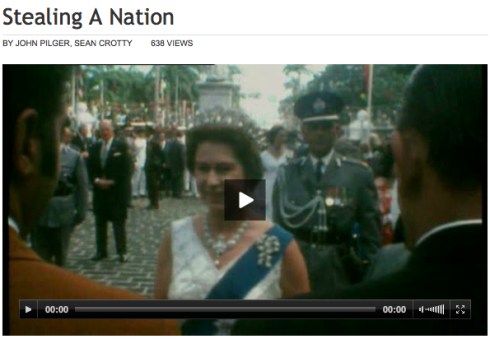
Stealing A Nation by John Pilger lays out in devastating simplicity how two of the mightiest powers lied their way into their own legal machinations in order to cheat over 2,000 people. The Chagosians were forcibly removed and those that haven’t died “of sadness” continue to live in squalor in Mauritius.
I challenge you not to be angry.

Nigel Poor (left) and Doug Dertinger (right).
The intersection of photography and prisons doesn’t always manifest as a photographer pointing his or her lens at incarcerated people.
Photography – or more specifically the discussion of it and associated issues – can enter relationships, education, exchange. Both the practice and theory of photography can be taught and learned within prisons.
Last September, Nigel Poor, Associate Professor of Photography at California State University, Sacramento contacted me to tell me about her volunteer role teaching the History of Photography at San Quentin State Prison. I was blown away. Never before had I come across a photo history class taught behind bars. Immediately, I made arrangements to meet Nigel and her co-teacher and fellow CSUS professor Doug Dertinger.
As faculty, Poor and Dertinger adapted their existing CSUS syllabus, covering photography from 1970 to the present. However, the California Department of Corrections understandably wanted veto power over slides presented during the course.
Depictions of drugs, violence, sex, children, nudity are problematic for prison administrations … “Which is about 95% of photography,” points out Poor.
Poor and Dertinger were helped out by the experience of Jody Lewen, director of the Prison University Project at San Quentin. Lewen is insistent that PUP teachers do not self-censor, but respectfully present their preferred teaching material and allow the burden – and justification – for any censorship to fall upon the prison administration.
The interaction, therefore, was unorthodox but successful: Poor presented her entire 12 week course to Scott Kernan, Under Secretary to the CDCr (now retired) and to Mike Martel, the then Warden at San Quentin … in two hours!
Of the entire course, only four images were deemed unsuitable, a surprising but pleasing result that Poor describes as “a triumph.”
With Poor focusing on portraits and Dertinger focusing on land use and media, they quickly schooled their students in line, formal composition and leapt from there into sophisticated readings of images.
“I told them the photograph is like a crime scene,” says Poor, “and it is ours from which to draw evidence.”
Poor and Dertinger talk about what a life-affirming experience teaching inside proved to be; about how the men in San Quentin were the “most present students” they’ve ever taught; how invigorating it is to have a passion that isn’t only about oneself; and about the responsibility to educate people in free society about the potential of incarcerated people, a “veiled population.”
“They were ready to travel,” says Dertinger of the students’ willingness to unleash their own emotions and imagination upon photographs read.
Interestingly, the idea that the photograph was not – is not – a reflection of truth was disconcerting for the many of the students. Obviously, the reliability, or not, of narrative and testimony may have had a more profound effect on the reality of their lives as compared to others not subject to the criminal justice system. If you can’t use the language of truth and reality when discussing photography (popularly considered to be objective), then can you use those concepts when discussing your own life?
We end the conversation on a high note: One of the students wrote a comparative analysis of Richard Misrach’s Drive-In Theatre, Las Vegas and one of Hiroshi Sugimoto’s Theatres. He wrote a 9-page essay during a four-week solitary confinement stint. He concluded Misrach’s work is about space; Sugimoto’s about time.
So impressed were Poor and Dertinger they got the essay into Misrach’s hands … and he read the essay to an audience of 2,500 at the November Pop-Up Magazine Event in San Francisco.
LISTEN TO OUR CONVERSATION AT THE PRISON PHOTOGRAPHY PODBEAN PAGE

© Richard Misrach. Drive-In Theatre, Las Vegas, 1987

© Hiroshi Sugimoto

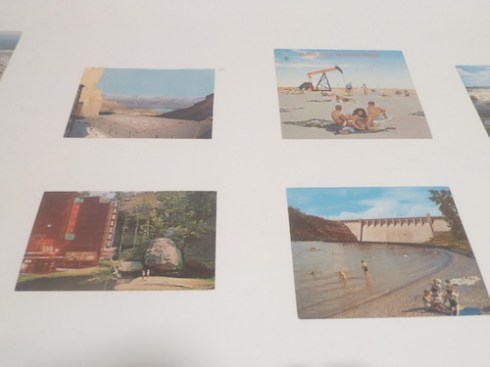
I saw Mary Lydecker‘s Postcard Studies (2010) at the Day Job exhibition at Pacific Northwest College of Art (PNCA)*
For me, the freakiest thing about Lydecker’s collages is that many of her dystopian constructs don’t look that implausible, especially when we consider the photographs of “familiar” infrastructure in works by Mitch Epstein, Simon Roberts, maudlin landscape photographers and the Atomic Photographers Guild.
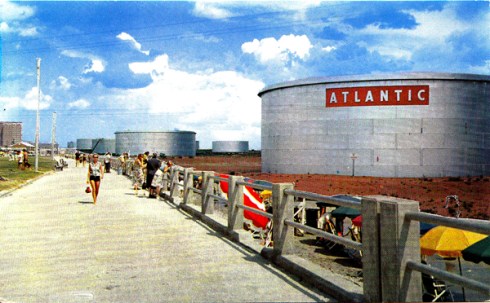
To illustrate my point, check out my holiday snap from the high-class Manhattan Beach, Los Angeles:

Here’s a couple of PNCA installation shots, but you really should go and browse Lydecker’s whole collection on her website.


 Prison Photography