
You are currently browsing the category archive for the ‘Amateur’ category.
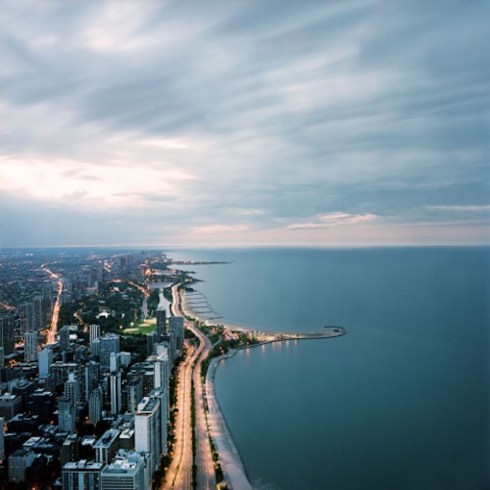
Request: “I would like to see the downtown Chicago or the lake of Chicago it will bring me happiness to see a real nice picture of the downtown. Please! A good place to eat! Nice cars! I been locked up for 17 long years!”
Last week, I asked Where Are All The Photographs Of Solitary Confinement? In terms of evidential imagery, the question still stands. A very different but equally interesting angle to take in the inquiry into images from within solitary is to consider the imagined and idealised images that persist within the minds of prisoners.
FROM LOCKED DOWN MINDS TO TANGIBLE PRINTS
Tamms Year Ten (TY10), a Chicago-based activist group campaigning to close down the controversial Tamms Supemax in Illinois, is not only finding out what the precious images are in the minds of men in solitary, they are going out into the world and making those images a reality – making files, prints to be mailed to each man, and prints for awareness-raising exhibitions.
TY10 asked scores of men in solitary, “If you could have one picture, what would it be?” The requests can be anything in worlds real or imagined. Once made, the images are opportunities for prisoners to see what they want to, what they used to, or perhaps what they may never see again.
Tamms prisoners never leave their cells except to shower or exercise alone in a concrete pen. Meals are pushed through a slot in the cell door. There are no jobs, communal activities or contact visits. Suicide attempts, self-mutilation, psychosis and serious mental disorders are common at Tamms, and are an expected consequence of long-term isolation.
The U.N. Committee Against Torture considers such conditions to be cruel, inhuman and degrading, and when the isolation is indefinite – as at Tamms – to be form of torture. Last year, the U.N. Special Rapporteur on torture Juan E. Méndez called for a global ban on solitary confinement in excess of 15 days.
This year, Governor Pat Quinn announced his plans to shut down the prison but closure has been halted because of lawsuits by the prison guards’ union, AFSCME.
FRAMEWORK FOR CONSIDERING THESE IMAGES
Below are a selection of the requests and resulting images. They are a hodge-podge collection of styles and approaches and clearly many of the images do not meet the standards of fine art aesthetics. But, those standards are not by which these images should be judged.
The images originate from the minds of men who exist in environments of severe sensory deprivation. Each image is conjured from the absence of imagery.
Process trumps product in the TY10 Photo Requests From Solitary project. These images connect and educate people across supermax divides – the most opaque divides of prison regulation. The Photos From Solitary Project – one of the many TY10 efforts to engage the public on the issue of cruel and unusual detention – was conceived of to capture the eyes and ears of people and draw them in to protest and resistance.
The processes in making these images buttress, and spread, committed social justice activism; that is their worth.
Active in the project are artists and photographers Greg Ruffing, Oli Rodriguez, Jeanine Oleson, Rachel Herman, Claire Pentecost, Colleen Plumb, Tracy Sefcik, Harry Bos, Chris Murphy, Billy Dee, Lindsay Blair Brown, Karen Rodriguez, Sue Coe, Danny Orendorff, Lloyd Degrane and others.
Requests remain open and you can get involved too. Contact tammsyearten@gmail.com
IMAGE GALLERY
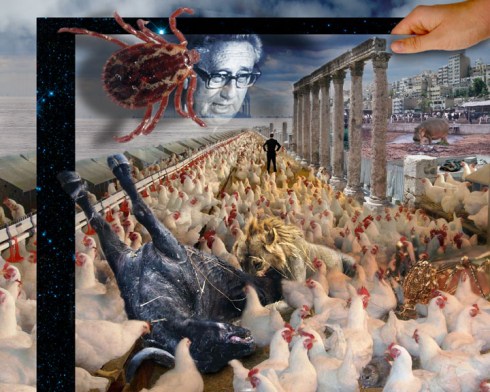
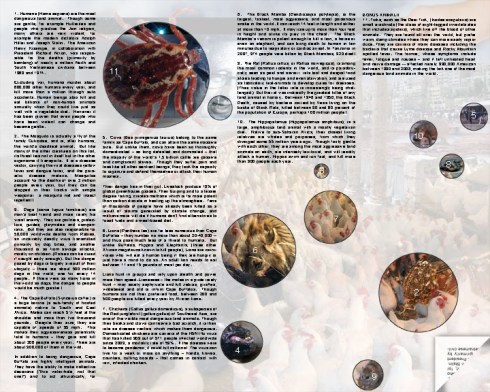
Request: “If you please, send me photographs of laser-printed image on white paper or the 10 most-dangerous land animals in the world. If you do not find it onerous and unreasonable, send me pictures of the land animals too, with a description of each animal.”
Photo montage by Mark Cooley; research and text by Stephen F. Eisenman.
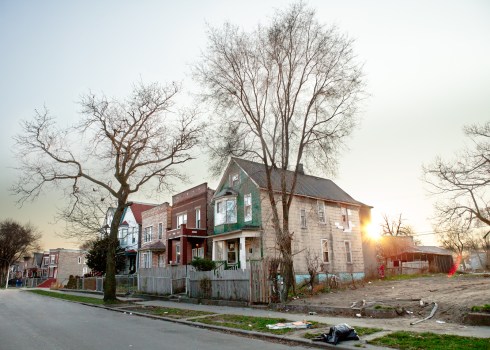
Request: “I want a photo of the whole block of 63rd and Marshfield, on the south-side in the Englewood community – the 6300 block of south Marshfield is where I’m from. I would like it taken in the day time, between two and four o’clock p.m. It’s a green and white duplex-like house – the only green and while house on the block – that my Auntie “Gibby” lives in. I want the picture taken from the sidewalk (that leads to the T-shape alley going towards Ashland and 63rd) in front of the alley, facing slightly towards 64th Marshfield. But, make sure majority of the west-side of the block gets pictured.”
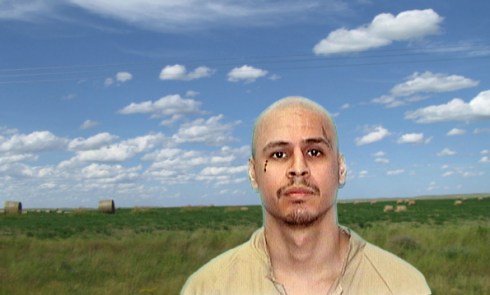
Request: “I would like my own picture done with an alternate background from the IDOC picture. I have no pictures of myself to give my friends and family. This would mean a great deal to me. If this is not able to be done. Then I’ll leave the picture for you to decide. If you can place my picture on another background. Nothing too much please. Something simple like a blue sky with clouds or a sunset in the distance would be fine.”
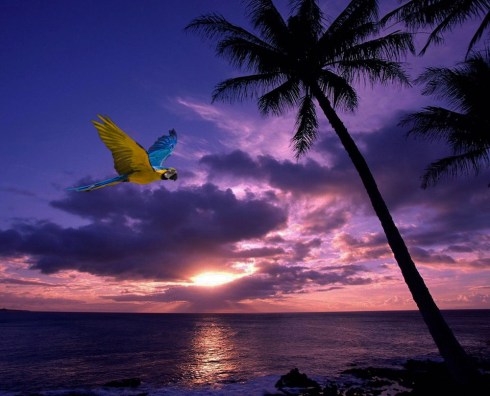
Request: “I would like to see a picture of a beach with the clearest water, and palm trees and birds with colorful plume, and maybe with the sun setting low on the horizon. The only instruction I have would be for you to create this photo with imagination and serenity.”
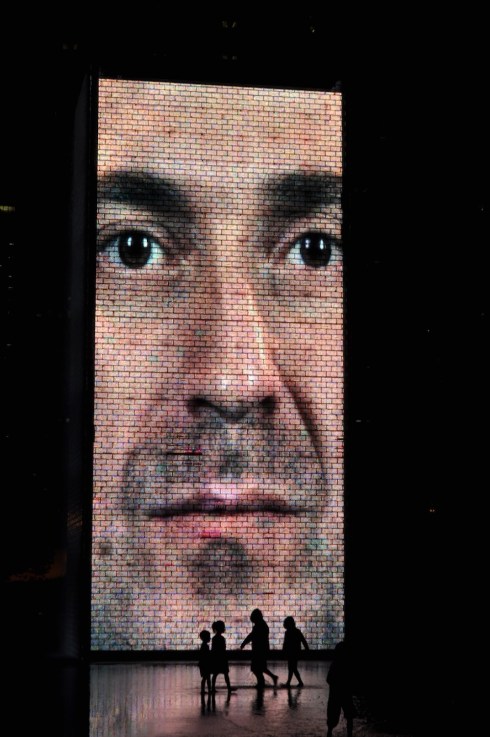
Request: “It’ll be great to get a picture of the chicago skyline at night, with all the big buildings (Willis Tower, etc) and lakefront. really I would just like pictures of the city, the x-mas tree down town, mag-mile, Mill park the places people come to chicago to see. Hey, you’re the photographer, just do what you do!”
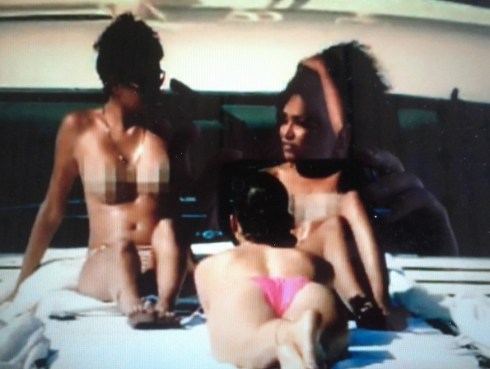
Request: “Jennifer Lopez music videos with her ex Ben Affleck on the boat with her butt showing. I will like to see her butt.”
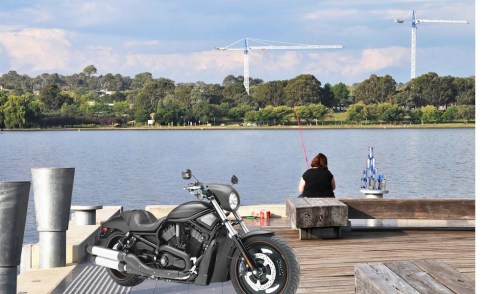
Request: “I would love a photograph of a woman setting by a lake fishing, with an empty chair next to her, with a cooler of beer. And in the empty chair have a sign with FreeBird on it! And have a Harley Davidson motorcycle in the background! I’d prefer the photographer take the photo from a boat out in the lake! Also, I’d prefer a woman that’s over 40!”
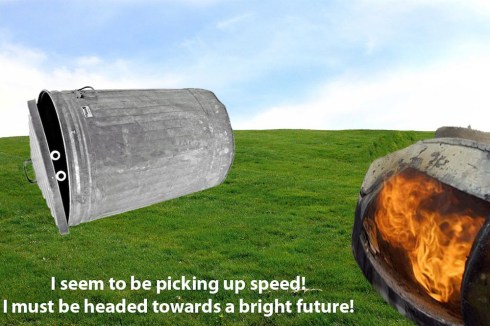
Request: “At 66 yrs. of age I try to use a little humor. I want a picture of a trash-can with the lid half off, with two eyes peeking out of the half-open lid. The trash can is rolling down the hill toward an incinerator with the caption: ‘I seem to be picking up speed I must be headed towards a bright future.’ I was in Florence, CO. So if you could get a picture of me in the Feds and in the state Max joints you could caption both: ‘From Max to Max and no end in sight’.”
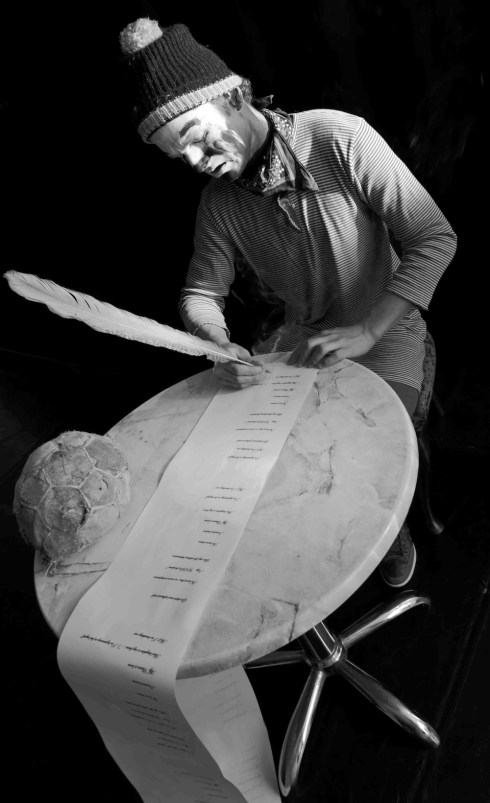
Request: “A lovesick clown, holding a old fashioned feathered pen, as if writing a letter. From the waist up, in black and white. As close up as possible with as much detail as possible, and with the face about four inches big.”
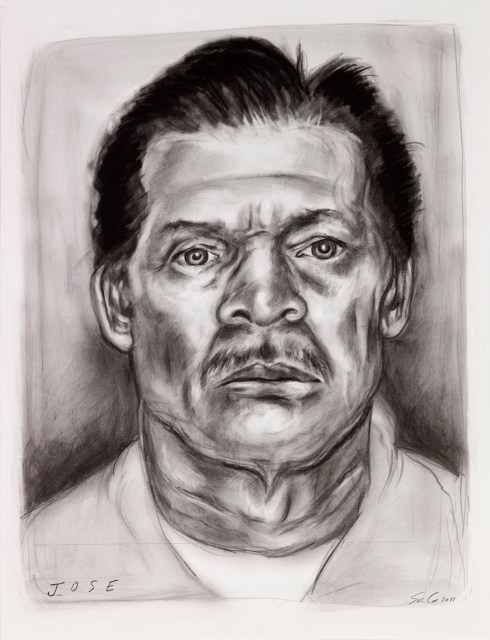
Request: “I would like this picture drawn my ID as is. Don’t add a thing. Just the face will do. Thank you for this blessing. I don’t have any pictures of myself; they all were confiscated, years back, when I was at Pontiac. So I would like to know if you could get a picture of me off the internet or the ID photo that I believe you have. Don’t worry I still don’t smile or laugh it’s been years since I smiled, but thanks to your offer I will be smiling if I get the picture your offering. I believe you could get my mug shot off the internet. The picture is to be sent to my mother in Puerto Rico.”
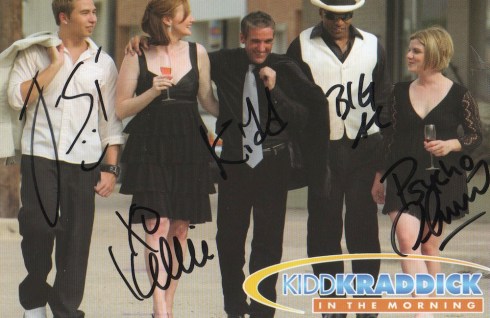
Request: “Cast of the Kidd Kraddick in the Morning Show: Kelly Rasberry; Big Al Mack; Jenna; Psycho Shannon; Kidd Kraddick; JS.” [This is the cast of the radio show he listens to every day. He has been in isolation for 12 years.]
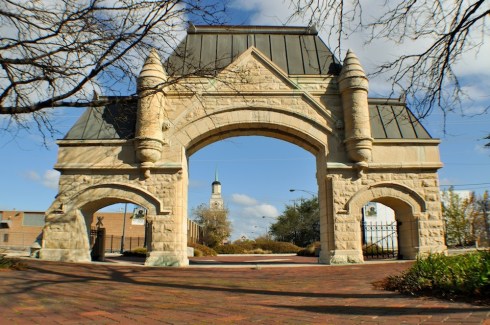
Request: “A picture of the stone archway in the back of the yard’s neighborhood located at 40th and Exchange St; between Halsted and Racine Streets on the South Side. It’s the last remaining thing from the Union Stockyards. I used to climb up on this structure as a kid; a few angle’s of it taken from different directions. I am not limited to any photo amounts.”
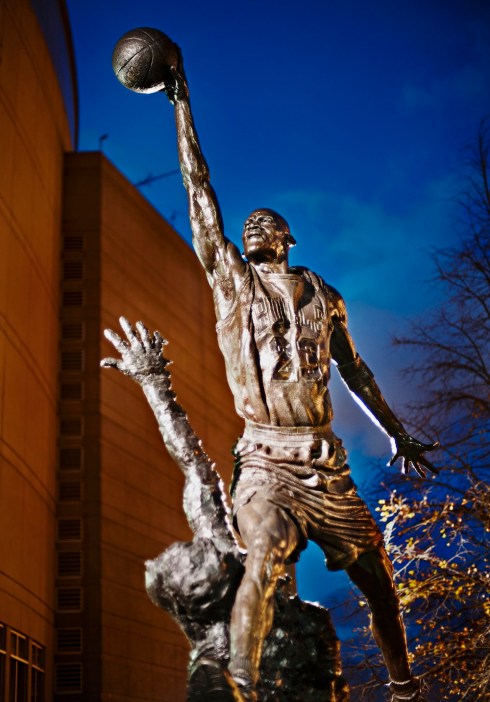
Request: “I would like a photograph of Madison and Ashland looking West towards the United Center, and if you could, I would like a full frontal view of the Michael Jordan statue in front of the United Center. THANK YOU!”
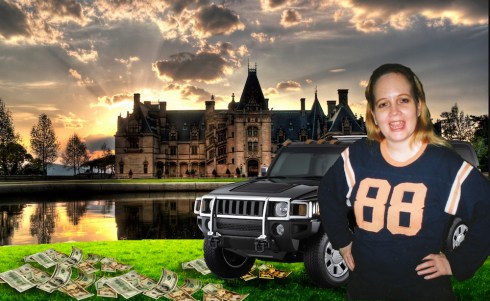
Request: “A photo of my deceased mother standing in front of a mansion, or big castle with a bunch of money on the ground and a black Hummer parked in front of it. I truly appreciate this a lot. I have been trying to get a picture of this, for a long time now. Please send the picture back when you are finished. We can’t receive Polaroids, just regular pictures that is 15 pictures, but 10 per envelope. I’m sending you two poems I wrote. I would truly appreciate it a lot from you helping me out, especially as I don’t have nobody out there. Now I know somebody out there in the world cares about us in here.”
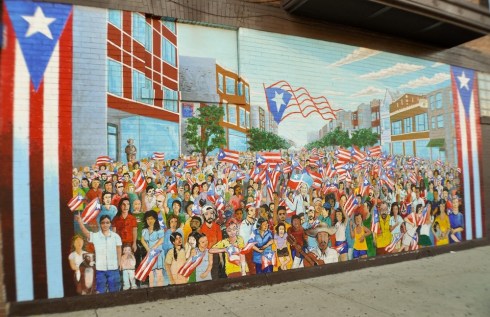
Request: “I would like to receive a photograph of a “8×10″ Puerto Rican Flag. Thank you in advance! This could be taken in the Humboldt Park neighborhood in Chicago.”
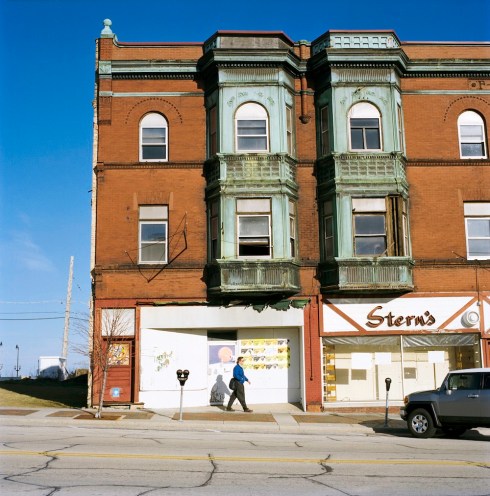
Request: “I would like a picture of downtown Waukegan, IL located in Lake County, IL. The best place to photograph would be Genesse St.”
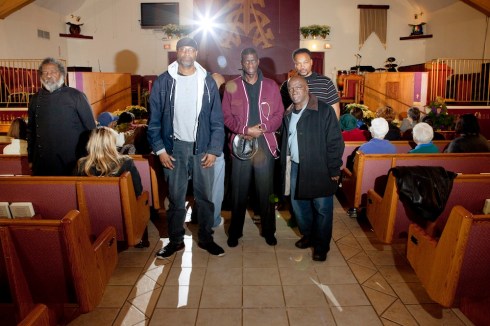
Request: “Photographs of Tamms Year Ten – that is, if they are not prohibited. :< I’d just like to be able to put the faces to the names we’ve seen over the years so the humanity of each can shine forth – a name on paper at the end of the day is still just a name on paper!”
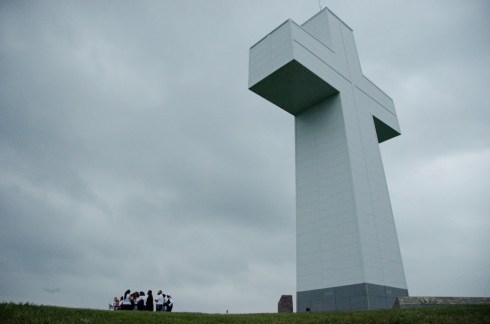
Request: “The Bald Knob Cross in the Southern area of Illinois with someone of the Christian faith going there praying for me with the Grand Cross in the picture praying that I am released from Tamms and that I make parole. I’ve been locked up 36 long years, and time in Tamms is hindering my chances of making parole. I am asking for intercession prayers for my release from Tamms by this personal Bald Knob Cross and the chain will cause my family and others to go there too. Be sure to include the Bald Knob Cross in the picture and to pray for my release from Tamms and to make parole. My family and church will also finish linking the chain of this event. Persistently offering prayers combined with solemn earnest efforts and devoted work to change things. God + Tamms Year Ten + dynamic team!”
TY10 note: We coordinated with the management at Bald Knob Cross, gathered his family members and others, drove six hours to Bald Knob Cross and held a beautiful litany with prayer, song and verse and every family member speaking. The next day we took family members to visit Tamms. Willie was transferred from Tamms the day before the prayer vigil! This summer – after 37 years in prison – he got parole. Willie was put on a Greyhound bus and was back in Chicago the next day. We had a Welcome Home party for him and he talked about this photograph.
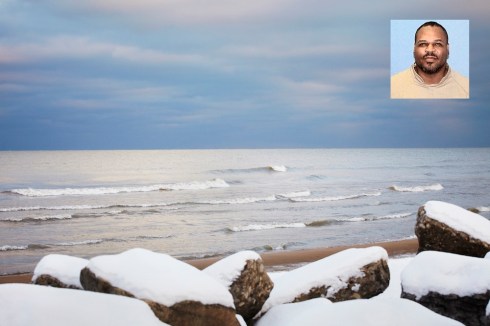
Request: “A photograph within a photo of me + the lake front. A photograph within a photo of me + Navy Pier. A photograph within a photo of me + wild lions. A photograph within a photo of me + wild wolves. A photograph within a photo of me + Chinese Dragon. For next Christmas mailing of cards. Please place me in the right, upper corner of the photo within a photo and make copies of them 5 each. Thank you very much and many blessings. Get my photo off the Tamms, prison profile website.”
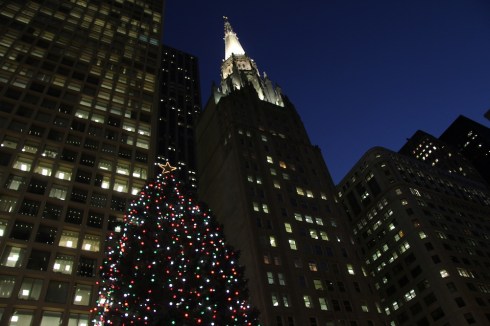
Request: “A photo of the Christmas tree downtown.”
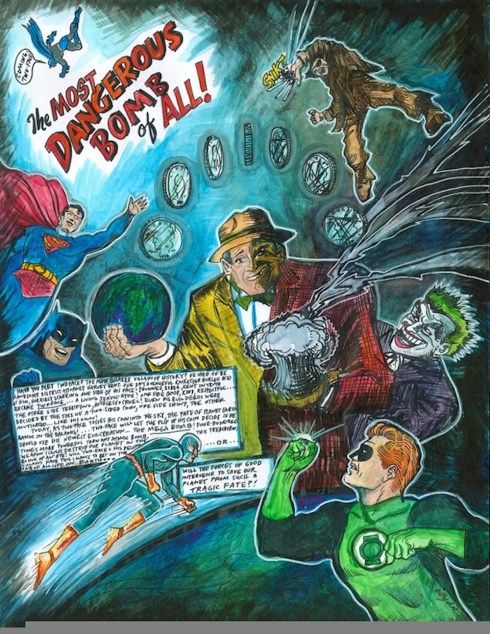
Request: “I don’t know if this like an artist drawing a picture if so I got into the whole superhero thing and I had this idea where two major comic Marvel/DC. It’s a mural with Thor, Captain America, Wolverine, Venom, Iron Man, Hulk teamed up with Superman, Green Arrow, Flash, and Batman against Two Face, Joker, Magneto, Dr Doom, Saber Tooth, Kingpin, and Green Goblin. A battle of good-vs-evil theme.”
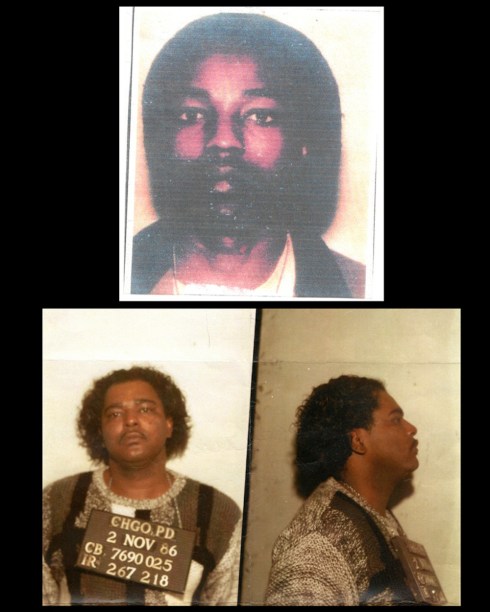
Request: “I would like to receive an image laser-printed on regular white paper photograph a myself off the internet without my criminal convictions or other information attached to the photo. I would like the three photographs I am sending to you copied onto digital paper that can be used in a computer enhancement. If someone can do this for me, I will appreciate it very much and thank you. If you can not do it send my photos back, please. “
TY10 Note: We completed this one and the IDOC censored it and returned it to us.
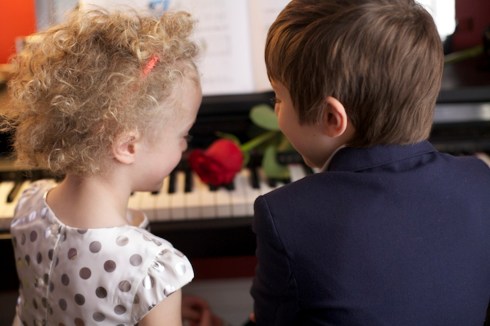
Request: “I would like a photographer to capture the image of a little boy and girl, sitting side by side, on a piano bench, the two of them playing together, with a single bright red rose on the piano keys. If possible, make sure the kids are anywhere from 3-7 years old, dressed in sunday best. It shall be a romantic photo, which I hope to give to my wife. 8×10 copy of the completed photo.”
TAMMS YEAR TEN & PHOTO REQUESTS FROM SOLITARY
The exhibition Photo Requests From Solitary is on show until the 21st December, at the Tamms Year Ten Campaign Office, Sullivan Galleries, School of the Art Institute of Chicago, 33 S. State St., 7th Floor, Chicago IL 60603.
The Tamms Year Ten Photos Requests From Solitary is supported by an Open Society Documentary Photography Audience Engagement Grant. In partnership with the National Religious Campaign Against Torture, the project is to expand to supermaxes in California and Virginia.
Tamms Year Ten is a grassroots coalition formed in 2008 to persuade Illinois legislators and the governor to reform or close Tamms supermax prison. Follow them on Facebook.
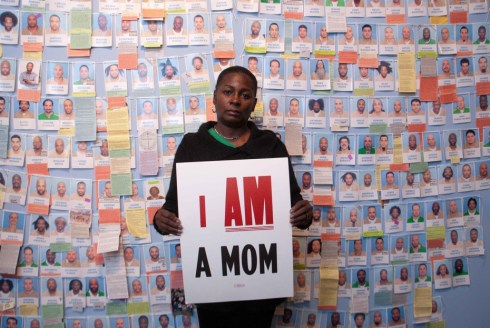
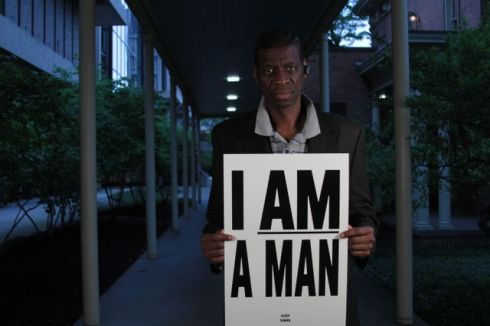
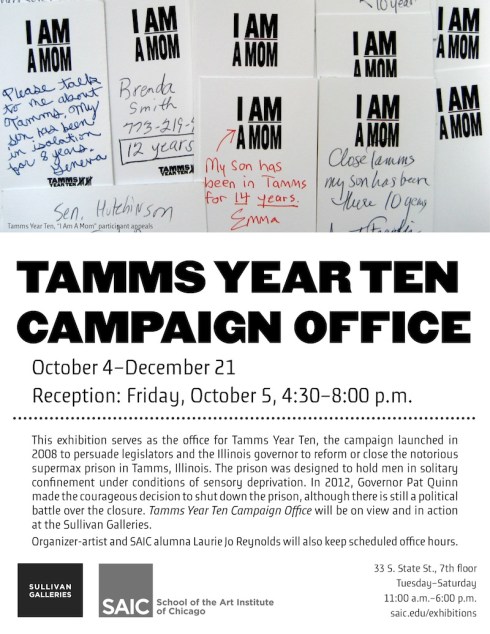
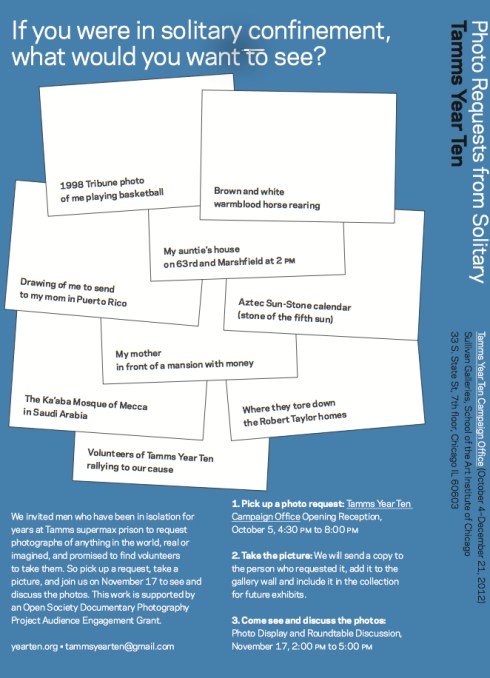

Photo: Timothy Briner, from It’s A Helluva Town, in Businessweek.
THE BEST SHOT
Timothy Briner is doing the most different stuff. Whether being different will distinguish it from the crowd, we’ll see.
I was disappointed with early coverage of the Hurricane. Given the superstorm conditions photographers were getting many more misses than hits.
The biggest miss was TIME’s first dispatch of Instagram images the day after Sandy hit. Only Michael Christopher Brown of the five photographers – Kashi, Quilty, Lowy, Wilkes and Brown – had some successful frames. TIME has continued adding to its gallery of Sandy images so the older photos (31 – 57) are toward the end.

Photo: Michael Christopher Brown/TIME. Con Edison workers clean a manhole on 7th Avenue and 22nd Street in Manhattan. Source
BUT, photographers were not at fault. It was editors’ mistakes to publish below par images. Half of the photographers images I saw in the first 36 hours were from assigned photographers carrying smartphones. In low light, blustery weather the smartphones fell way short of the test.
THE MONEY SHOT
Kenneth Jarecke lays into TIME for their use of Instagram photos. Okay he references Gene Smith where there is perhaps little relevance and lists all sorts of other reasons such as Instagram getting rich of millions off other peoples’ content, but those are not the core of his burning anger. Jarecke is angry because the pictures are poor, and I can’t disagree with him. Of TIME, Jarecke says:
It’s shameful and you should be embarrassed. Not to say these shots weren’t well seen (which is the hardest part), just that they were poorly executed. Which is to say they fail as photographs.
What was weird was that in a Forbes article largely defending TIME mag’s use of Instagram images there was little discussion of the images qualities, more an emphasis on stats and page views.
Time’s photography blog, was “one of the most popular galleries we’ve ever done,” says [Photo Editor, Kira] Pollack, and it was responsible for 13% of all the site’s traffic during a week when Time.com had its fourth-biggest day ever. Time’s Instagram account attracted 12,000 new followers during a 48-hour period.
Pollack’s description of Lowy’s bland, color-field image of a wave chosen for the print magazine’s front cover as “painterly” due to its low res sums it all up; the TIME cover is known to favor photo-illustrations over straight photographs.
THE CHEAP SHOT
Sometimes articles are written as if it is still some surprise that amateur photographs shape our media and consciousness. American Photo describes the lifecycle of a viral photo.
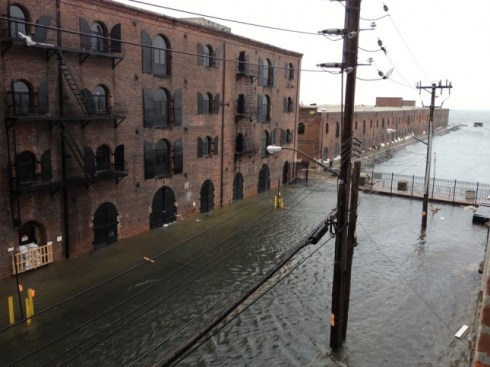
Photo: Nick Cope. Rising flood waters as seen from the window of his Red Hook, Brooklyn apartment.
When we’re all hungry for information and we’re all sharing everything we can get a peek at then an amateur snap, if it is informative enough, will find it’s way to us very quickly.
I admire that American Photo quoted fully from this dude who got that photo.
“It was hard to track [the photo’s path to “viral”] — I was also preparing for a hurricane at the time! And for a good part of the morning I was at a cafe in the neighborhood, chatting with the owner who was mixing up Bloody Marys, and so it was a combination of hanging out with folks in the neighborhood and getting prepared for the storm. And then I start getting all these calls.”
THE TRUSTED SHOT
As ever, Damon Winter makes a bloody good fist of it for the New York Times.
The BIG Atlantic In Focus delivers with a typically epic selection off the wires. Crushed cars, boats on boats, burnt embers, friends hugging/crying, aerial shots of devastation, gas lines, strewn debris (homes), rescued old english sheepdog, destroyed pier and amusement rides, phones charging, pitch black streets, canoe in a living room, downed bridge and then this incredible picture by Seth Wenig of food being dumped.
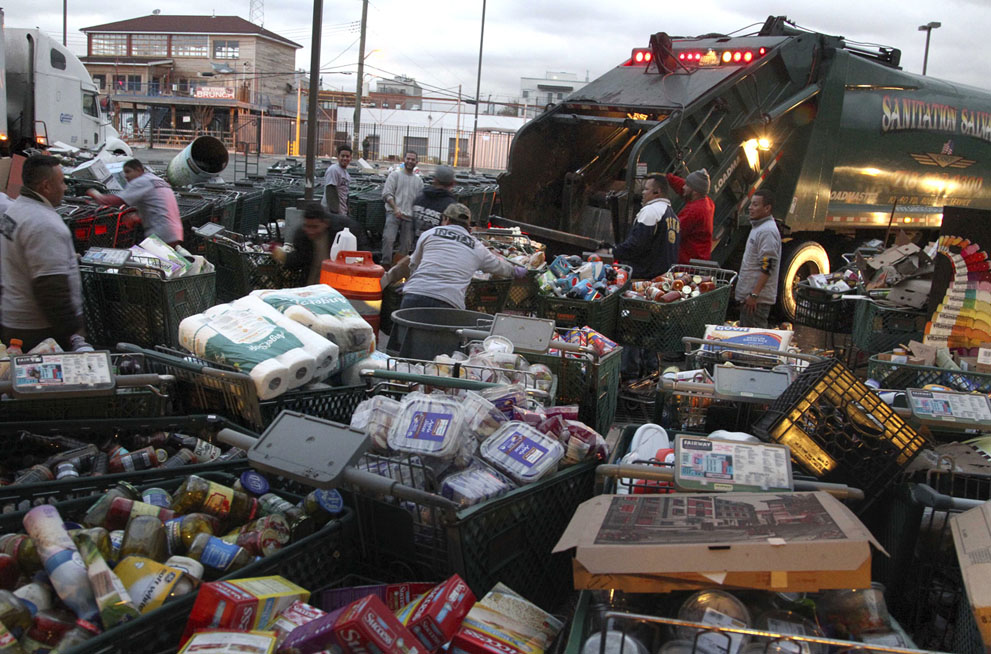
Men dispose of shopping carts full of food damaged by Hurricane Sandy at the Fairway supermarket in the Red Hook section of Brooklyn in New York, on October 31, 2012. The food was contaminated by flood waters that rose to approximately four feet in the store during the storm. (AP Photo/Seth Wenig)
THE HORROR SHOT
Gilles Peress‘ very personal letter in which he appears to be having a breakdown is shared with the world.
“I have to say that in twelve years, to have shot pictures at 9/11 downtown, and again downtown in 2008 when the financial system collapsed, and now, is intense: big city, big tragedies, and a sense of having entered into a different period of history.”
I really want to know who CK and GH, the letters recipients, are.
Peress talks about homelessness and the poor being forgotten in the delivery of aid and services. Michael Shaw at BagNewsNotes wrote about the homeless being forgotten in the coverage.
Back to In Focus. Today, another good edit by Alan Taylor’s team. These two images stood out.
John De Guzman photographs a massive pile of mucky, busted furniture and appliances.

Photo: John De Guzman. A street lined with water-damaged debris in Staten Island.
John Minchillo photographed a lady who is better camouflaged than the national guardsmen beside her. I wonder what she bought at Whole Foods?
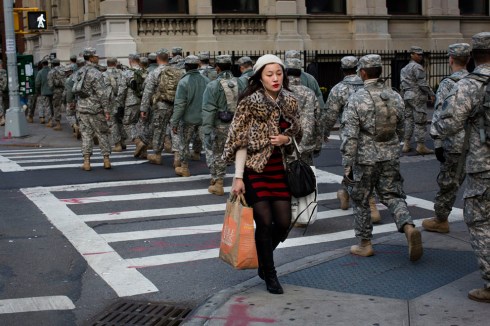
Photo: AP Photo/John Minchillo. A woman passes a group of National Guardsmen as they march up 1st Avenue towards the 69th Regiment Armory, on November 3, 2012, in New York. National Guardsmen remain in Manhattan as the city begins to move towards normalcy following Superstorm Sandy earlier in the week.
THE EVERYTHING SHOT
Everybody’s been very excited about the New York Magazine’s cover aerial photograph of a lightless Lower Manhattan.
It’s only fitting to finish these thoughts with a nod to two perhaps lesser feted Instagram photographers – after all, Instagram had record number of hashtaggles for #Sandy #HurricaneSandy and #Frankenstorm.
Wyatt Gallery has been following clean-up closely.
Clayton Cubitt is a bit more wry in his approach including this GSV comparison which is typical of Cubitt’s sideways thinking on most things visual. Good stuff.

Photo: Clayton Cubitt. Posted on Instagram, “One day you’re living the American dream. The next…”
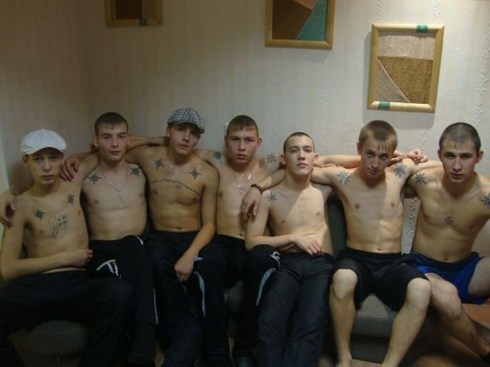
Young Russian Prisoners. Source.
Last week, TIME’s Lightbox published Michal Chelbin’s portraits from Russian and Ukrainian prisons.
Michal Chelbin‘s work includes adults and juveniles, but there is a strong persuasion in her work to consider youth and beginnings. Much of Chelbin’s past work depicts children who are fighters, gymnasts, miners or contemporary dancers – it as if they’ve been fast-tracked to adult lives of graft, competition and discipline. In that regard, her portraits of imprisoned children continues a theme and I’d argue we are not only presented with the seriousness of their confinement but also glimpse the awareness these children have of their deprivation.
On top of those winning elements (in terms of hooking the viewer) there is the obvious exotic; Chelbin communicates the exotic – and manipulates it too – with clear emphasis on, as Lightbox lists, “tropical wallpapers, lace-covered tables, furniture painted in glossy blues and greens […] floral house-dresses, cloth jackets and rubber sandals common to village life in the region. Religious icons seem as ubiquitous as tattoos.”
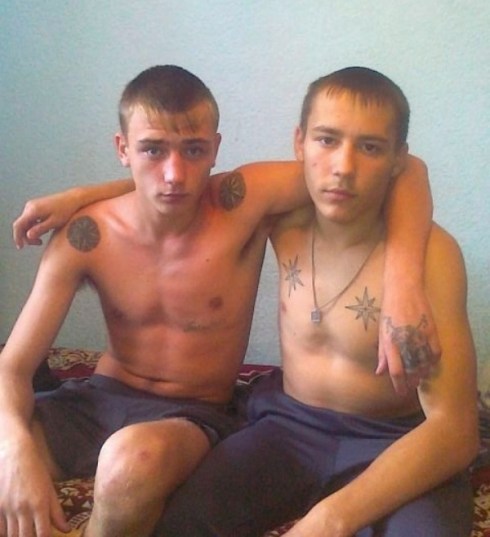
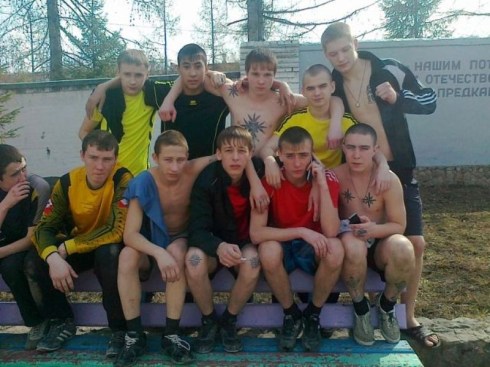
Fair enough. But let us not just subscribe to Chelbin’s heavily constructed view. A few months ago a friend sent me a link to the spuriously titled and information-vacant Young Gangstas. I think you’ll agree, the images catch the eye. First, because of their novelty and second because these are self-representations.
People aren’t going to be swayed toward feeling empathy for these posturing “gangstas” as they may for Chelbin’s maudlin subjects and even though Chelbin worked fast on the single days she had access to prisons it doesn’t mean she didn’t work fast to create a myth. In a previous conversation with Prison Photography, she described her approach:
“While I shoot almost all my work in Russia or the Ukraine, I feel that my interest is not social or geographical, but rather a mythological one. I return to these countries because they provide me with the visual contrasts that are the basic set up I am searching for – between old and new, odd and ordinary, as well as fantasy and reality. When I record a scene, my aim is to create a mixture of plain information and riddles so that not everything is resolved in the image.”
How different is this to the self-made camera phone photographs? In their naive posturing, and certainly in their tattoos, the young Russian prisoners are pushing their own mythology. One cannot know what the “photographer” holding the mobile phone had in mind, or if any of the subjects would expect their snaps to make it onto the web for a foreign audience.
If riddles are Chelbin’s game, and mystery her currency, maybe she’s found a match in these anonymous camera phone portraits? Forget about the gulf in aesthetic intent and you quickly realise there are as many unanswered questions, as many riddles about the cameras’ presence, and the photographer-subject relationships in the two bodies of work.
It might just be that Chelbin’s serves a much more palatable representation (for Western audiences). And that’s why her images are on a gallery wall right now.

Sergey, imprisoned for violence against women, juvenile prison, Russia © Michal Chelbin
Young Russian Prisoners. Source.

© Michal Chelbin
Young Russian Prisoners. Source.

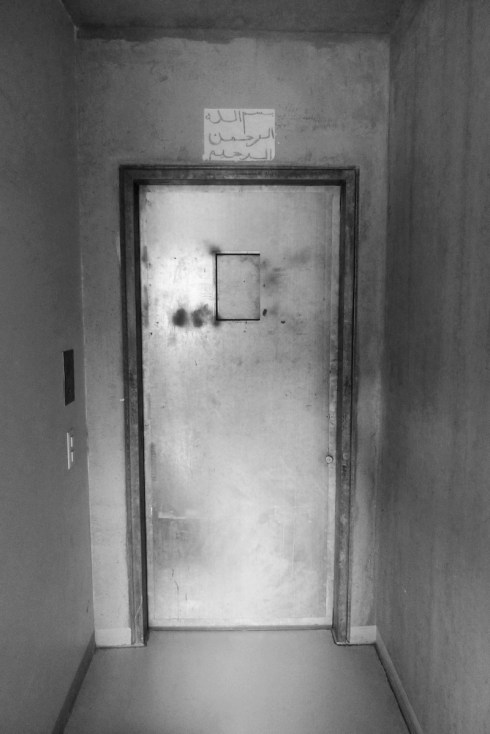
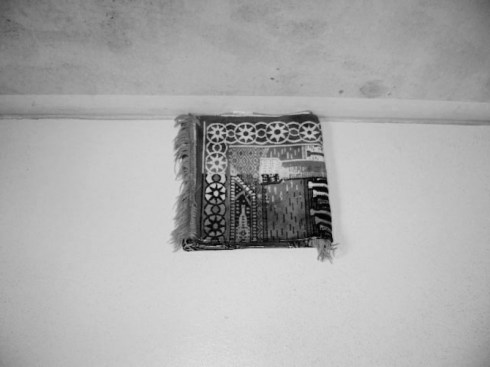
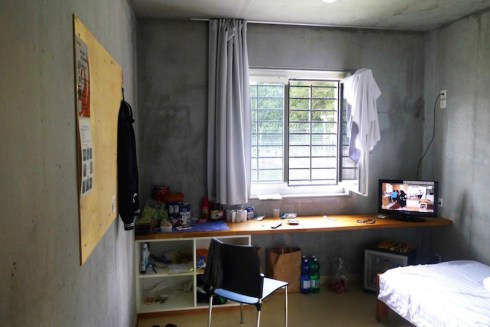
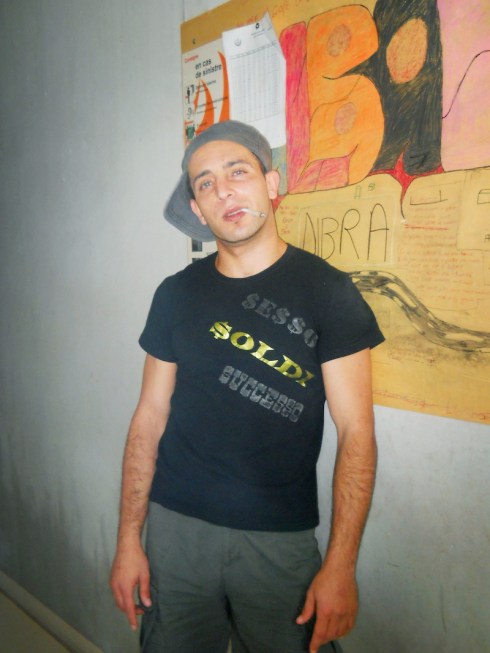
In 2010, photographer Patrick Gilliéron Lopreno visited three Swiss prisons and created the series Puzzle Carceral. Yesterday, I featured a select edit from Puzzle Carceral.
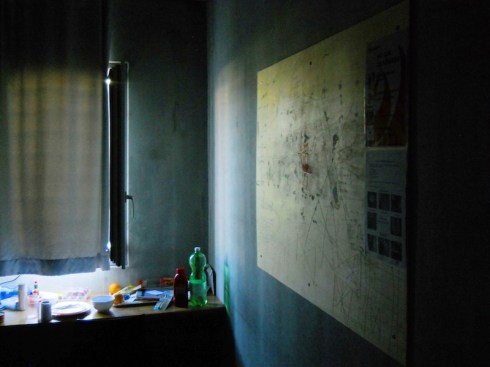
During his year spent on the project, Patrick doubled down on the photo-interventions with a prison photo workshop. Once a week, for two months, he met with prisoners of La Brenaz prison in Geneva. Some of the images are simple point-and-shoot portraits; some are documents of living conditions; others such as the image of an Islamic prayer-mat or the image of a low-lit corridor are more meditative.
I asked Patrick some questions about the experience and he provided a selection of prisoner-made images from the workshop.
Q & A
A workshop is very different to a single photographer, you, making images. What made you decide to put cameras in the hands of prisoners? What were your aims?
The idea was to produce a report with the prisoners on their conditions of detention. What mattered to me was their view of their confinement.
What did they want to do or convey with their photography?
For them the workshop was primarily a time of separation from their prison life. I did not claim to provide them with training and that was clear from the outset. Some men realised that they were able to make beautiful images and for once they made something others could compliment; they became creative.
What negotiations did you go through to conduct the workshop?
The social worker of the prison has helped me tremendously. She brought me into contact with inmates who wanted to participate in this workshop. I never asked for money from the prison for my class because I did not want to be paid. I wanted to stay as independent as possible and retain complete control.
Is a camera not a security hazard inside of a prison?
A camera in prison is never welcome – not for the prison [administration] or for the prisoners. I was not there to make pictures for the inmates’ files. I always asked each prisoner’s permission to use his image.
What stood out about the prisoners work? Any photographs that surprised you?
I was dazzled by the artistic and poetic qualities of their pictures. The best photos were developed and printed on large sheets and then exhibited in the prison.




The Prison Library Project will be having a mail art exhibition in October 2012 and invites inmates, families and those who look to improve the lives of those incarcerated to participate:
The Prison Library Project receives hundreds of letters every week from inmates across the country. These letters requesting books and dictionaries, are often beautifully illustrated. In the spirit of these talented prison artists the Postmarked show was created, using the envelope as a canvas to create and share mail art.
The art of letter writing and the use of “snail mail” is on the decline, a casualty of the electronic age. But who among us does not smile when we received a letter in our mailbox? Who doesn’t thrill to find art instead of junk mail and bills? The Postmarked show is a chance for all of us to reconnect with the magic of “snail mail” while helping a population whose voice, if heard at all, is limited to the humble envelope, letter and pen.
Interested participants may decorate, illustrate or create art on an envelope and mail it in for the Postmarked mail art exhibition and fundraiser. Send submissions to:
Postmarked 2012
Prison Library Project
112 Harvard #303
Claremont CA 91711
Entries must be postmarked by September 30, 2012.
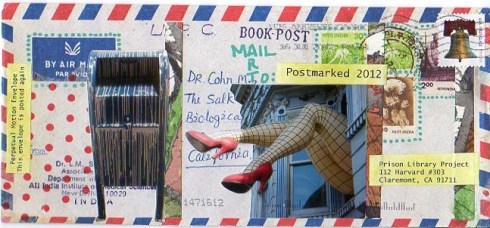
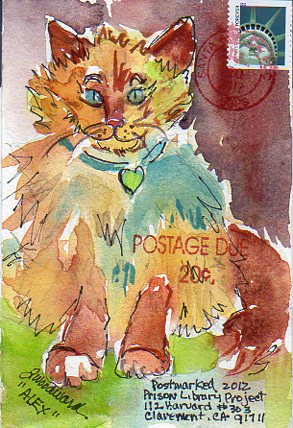
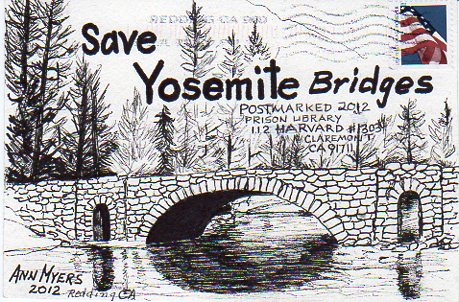

Only the side with the official USPS Postmark/barcode will be displayed. Mail art may be painted, stamped, collaged, printed, decorated or constructed. It may be any shape and size that will go through the mail and receive an official postmark.
“Mail may get worn or torn through the mail, but the handling process is an important part of the theme,” says organiser, Rachel McDonnell
Mail will be opened only by the person who purchases the art envelope.
Exhibition: October 5 – November 2 at the Claremont Forum Bookshop & Gallery. Opening Reception: Friday, October 5 Final Bid Party: Friday, November 2, 6:30 – 8:00pm
For more information, see PLP’s Postmarked blog or contact Rachel McDonnell at rachel@claremontforum.org

The Prison Library Project is a prison book and literacy program which sends thousands of books, study aids, educational and spiritual resources to inmates nationwide.

Artist’s impression of projected cellphone imagery.
ART
Stop, a video installation will put faces to the numbers – hundreds of thousands – of people who are unjustly detained by police.
Stop is proposed by New York based Dread Scott and by Joann Kushner, an artist working in Liverpool, UK. As described by Dread Scott:
“Stop will be a projection of portraits of several youth from East New York, Brooklyn and Liverpool, UK. Brooklyn will be on one wall and Liverpool will face them on the other. The life-sized projections will stand and face each other, the audience will be in the middle. Over time, each of the young adults will reveal how many times they have each been stopped by the police during their lifetime. The youth will be having a virtual “conversation” across an ocean with each other as well as with the audience.”
PHOTO
Yesterday, I posted a long conversation with Nina Berman about Stop & Frisk. Berman had not found any other fellow photographers working on the issue of Stop & Frisk. I found one other photographer (who’s work is ongoing and wishes not to publicize it yet) and one artist – Dread Scott.
Dread’s a lovely guy; I’ve written about his work on the prison industrial complex before and I interviewed him last year during PPOTR. Here’s what he says about this Stop & Frisk and this project:
“Last year, New York police stopped almost 700,000 people as part of their “Stop and Frisk” policy. The overwhelming majority, about 90%, were doing nothing wrong at the time and were completely innocent. Most were young and Black or Latino. A similar policy exists in Liverpool and developed after NY police chief William Bratton was invited to be a consultant in another UK city, Hartlepool, in 1996.”
It should be added that UK Prime Minister David Cameron wanted to appoint Bratton as Commissioner of London’s Metropolitan Police Service following the London Riots of August 2011. Cameron was later overruled by Home Secretary Theresa May, who insisted that only a British citizen should be able to run the Service.
Dread has led photography and art workshops with young adults from East NY Brooklyn (a neighborhood with one of the city’s highest police Stop and Frisk rates) and Joann has been working with similar youth in Liverpool. Using cell phones, students have made a powerful series of photographs about their neighborhoods and lives.
Stop will be exhibited in Rush Arts Gallery, NYC from September 13th, 2012.
START KICKING
Kickstarter has definitely reached its saturation point; The Onion’s take made me laugh hardest.
But you don’t even need to feel guilty about this one; Dread’s already reached his target (sure, he’d like a little extra: who doesn’t?)
What’s more important is the message of his work. Until now, I’ve never seen connections made between the US and the UK – between New York and Liverpool – over the Stop & Frisk issue. The issue is rarely framed within the context of youth; we don’t think of the victims as kids … but in many cases they are.
Stop & Frisk is a canary issue. How the controversy resolves itself will be an indication of whether we have progressed; if we are interested and involved in the welfare of others, or if we remain indifferent. It’s driven by Homeland Security dollars and it messes with peoples’ lives. It’s born out of a divided society, just as prisons were. Now the heavy-handed response is on peoples’ doorsteps.

I recently visited the International Center for Photography (ICP). I was encouraged to see a photo from Abu Ghraib alongside one of Robert Capa’s Normandy landing photos and Margaret Bourke-White’s photographs from a liberated Nazi concentration camp. All were featured in the enjoyable and current A Short History of Photography exhibition, showcasing works acquired during the tenure of outgoing Director Willis “Buzz” Hartshorn.
Just as Capa and Bourke-White’s photographs are iconic of the WWII conflict, the Abu Ghraib digital photos are iconic and the images of America’s War On Iraq.
Both Capa and Bourke-White, in these instances, were photographers in the thick of it, in the moment, to deliver important news of the day to corners of the globe. Of course, the rise of citizen journalism has put pay to the idea that roving career photographers are now the first to a scene of international significance.
Without doubt the Abu Ghraib images – given their historical and cultural significance and dissemination – are rightfully in the ICP collection. That is not the issue; my questions were about the label:
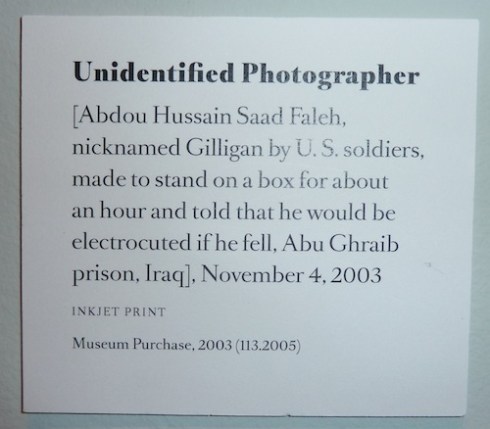
Unidentified Photographer: [Abdou Hussain Saad Faleh, nicknamed Gilligan by U.S. soldiers, made to stand on a box for about an hour and told that he would be electrocuted if he fell, Abu Ghraib prison, Iraq], November 4, 2003. INKJET PRINT. Museum Purchase, 2003 (113.2005)
Museum purchase? Who would be a recipient of payment for the image? I suspected it might be a case of language and not action. Ever interested by provenance and the accession of items into museum collections, I emailed ICP the following questions:
– Is “Museum Purchase” just a standard note you attach to works or did ICP actually hand over money to someone or some body for the image?
– Did ICP print it off the internet?
– When deciding to acquire it into the collection, what decisions were made about the file, the printing, the paper, the ink?
Kindly, Brian Wallis, the Deputy Director/Chief Curator at ICP responded:
The Abu Ghraib photograph now included in the “A Short History of Photography” was originally printed for the ICP exhibition “Inconvenient Evidence: Iraqi Prison Photographs from Abu Ghraib” (Sept. 17-Nov. 28, 2004).
At the time, only about twenty JPEGs were available, either on the Internet or from files supplied by the New Yorker.* We printed all images then available for the exhibition. They were printed on a standard Epson office printer, on standard 8½” x 11″. office paper, and pinned directly to the wall in the exhibition, in part to emphasize the ephemerality and informational nature of the pictures.
They were printed directly from the web with the understanding that these photographs, taken by U.S. government personnel, were in the public domain. We did not pay for them. The credit line in the current exhibition describes them as “museum purchase” in part because there is no other official museum description for how we obtained them; one could say we purchased the supplies used to print them.
So, no money exchanged hands. A relief of sorts. What one would expect.
I suppose ultimately, I have to give ICP some recognition for its 2004 reflex response to the pressing visual culture issue of the day; for presenting a set of images that for all intents and purposes falls outside of the normal acquisition avenues of major institutions.
ICP’s home-brew solution to show the Abu Ghraib, non-rarefied, non-editioned and thoroughly contemporary set of images is against the grain of many other museums chasing gate receipts through edutainment.

Left: Photo of allied forces landing on Normandy beaches, by Robert Capa; right: Photo of torture at Abu Ghraib, by unknown photographer.
– – – – – – – –
*Seymour Hirsch, who wrote Torture at Abu Ghraib (May, 2004) for the New Yorker, also provide the text for ICP’s Inconvenient Evidence exhibition – the catalogue for which you can download as a PDF
– – – – – – – –
All images: Pete Brook and taken without permission.

David Adler has been collecting prisoner made portraiture since 2006.
Adler’s work is very similar to Alyse Emdur‘s Prison Landscapes (readers will know Emdur is a favourite of mine.) But in fact, Adler and Emdur approach the visual culture and the act of collecting the photos very differently. I’ll be publishing an interview with Adler shortly, but to summarise, Emdur is thinking about social justice whereas Adler is thinking about the economics of the system. Both consider the painted backdrops as significant contributions to American artistic production.
Adler thinks of his work as a theoretically infinite, open-source project, that anyone could take on. Conversely, Emdur considers her presentations as collaboration with each of her subjects.
More to come.
Meanwhile, if you’re in NYC, Adler’s exhibition Prisoner Fantasies: Photos from the Inside is showing at the Clocktower Gallery in Lower Manhattan, until the end of August. Also, you can read a brief interview with Adler, by Harry Cheadle for VICE.


 Prison Photography