
You are currently browsing the category archive for the ‘Non-Prison’ category.
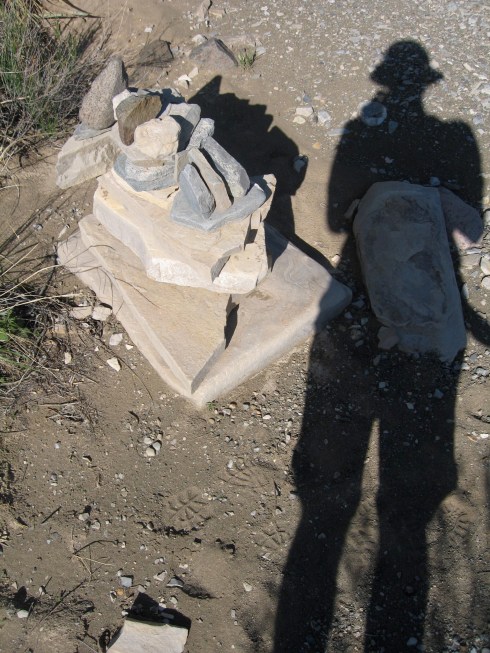
‘Duck and I’ © Pete Brook
Last month I went to Big Bend National Park, on the border with Texas and Mexico. The Chihuahuan desert is very hot during the day, even in spring. We took an 18-mile day hike, walking before and immediately following sunrise and later in the three hours before sundown.
On the trek out I was surprised to see (and super-amused by) the artistry of some ducks (called cairns in the UK); even in the inhospitable desert, some folks had taken the time and care to build these things. It occurred to me that I’d seen typologies of most things but not these essential, non-owned, geo-marking, petra-sculptures. On the way back, I photographed them.
As I have said before, I am not a photographer and I rarely want to share my images but I’ll share this bit of fun.


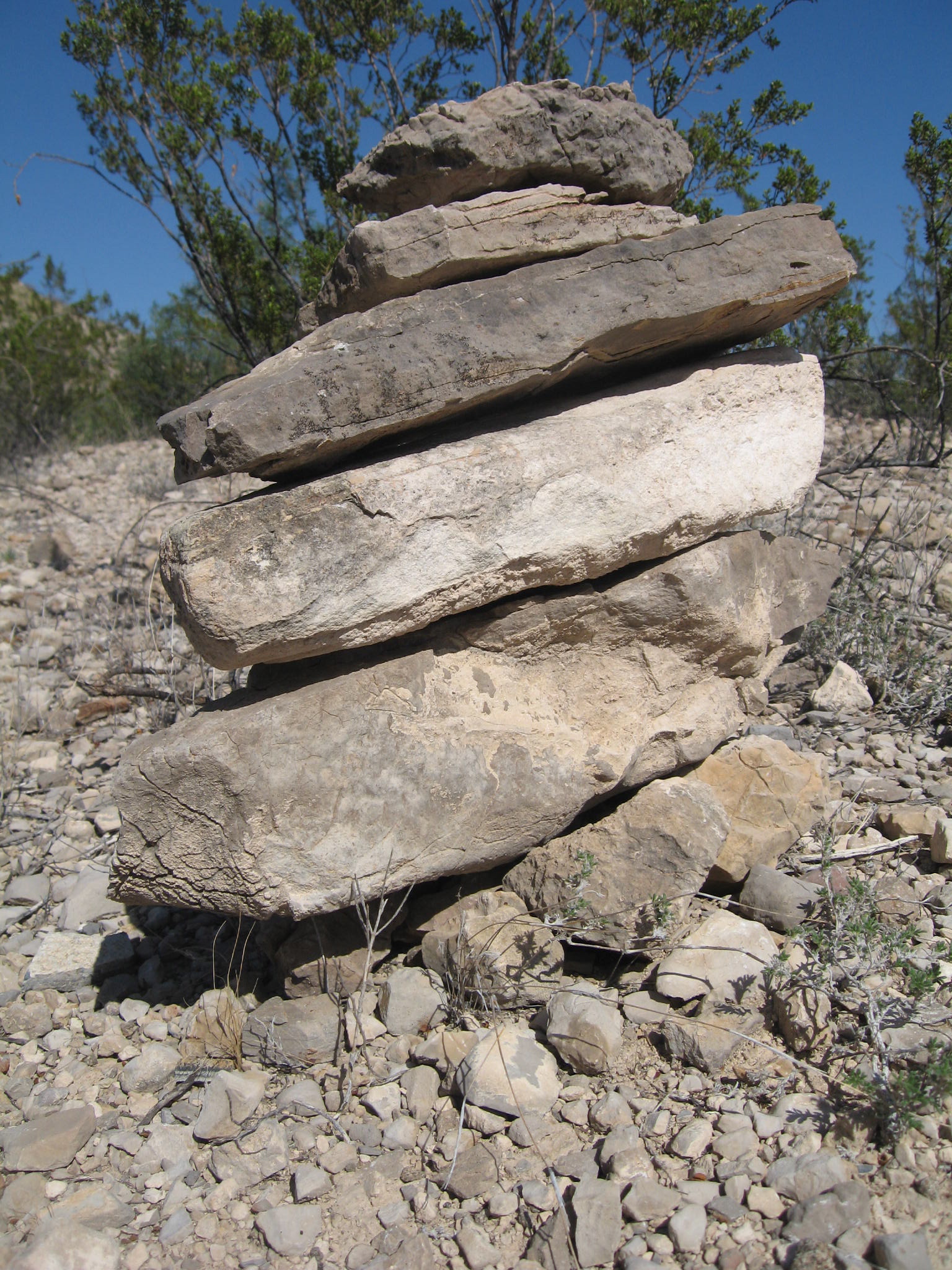
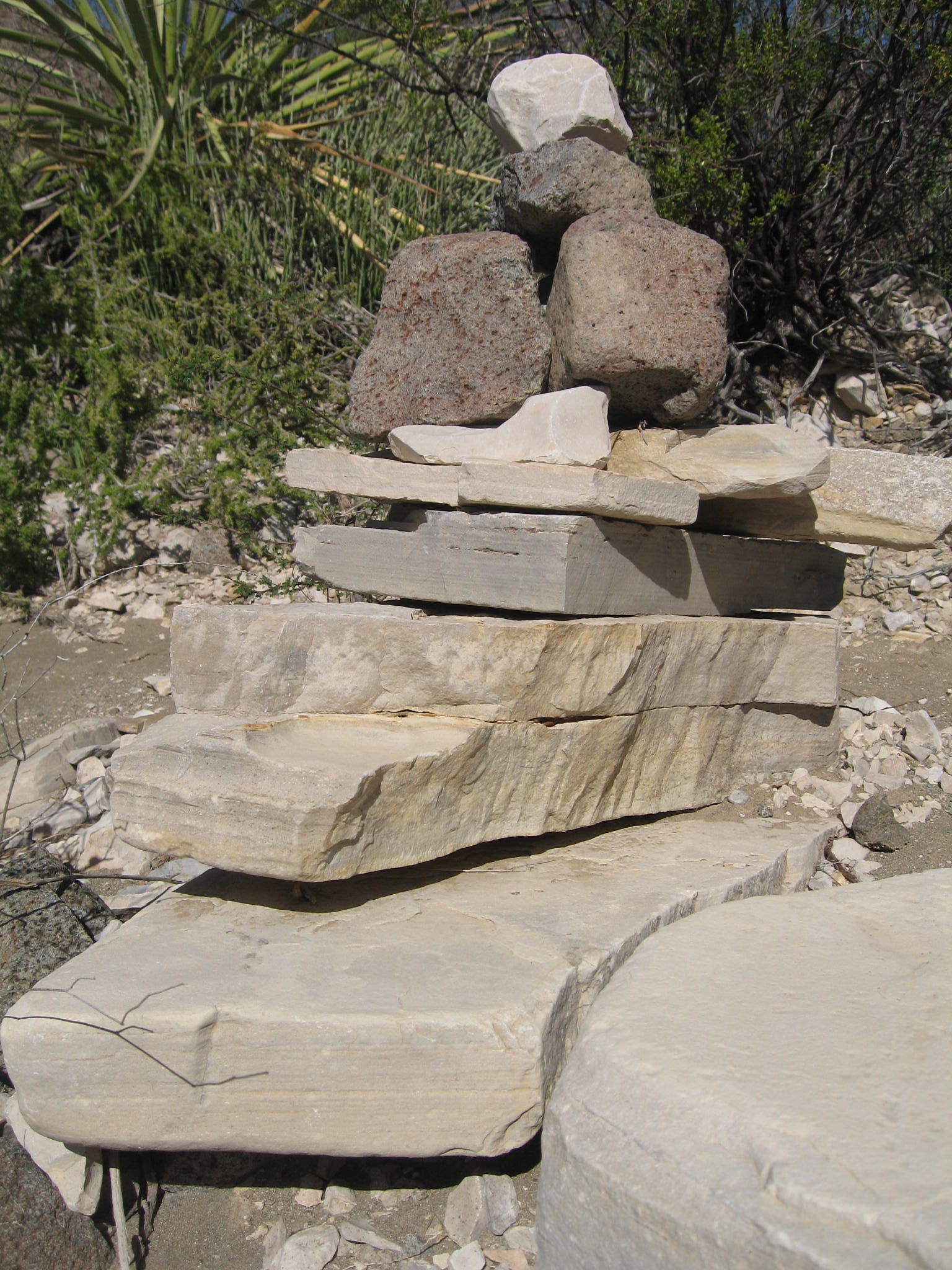
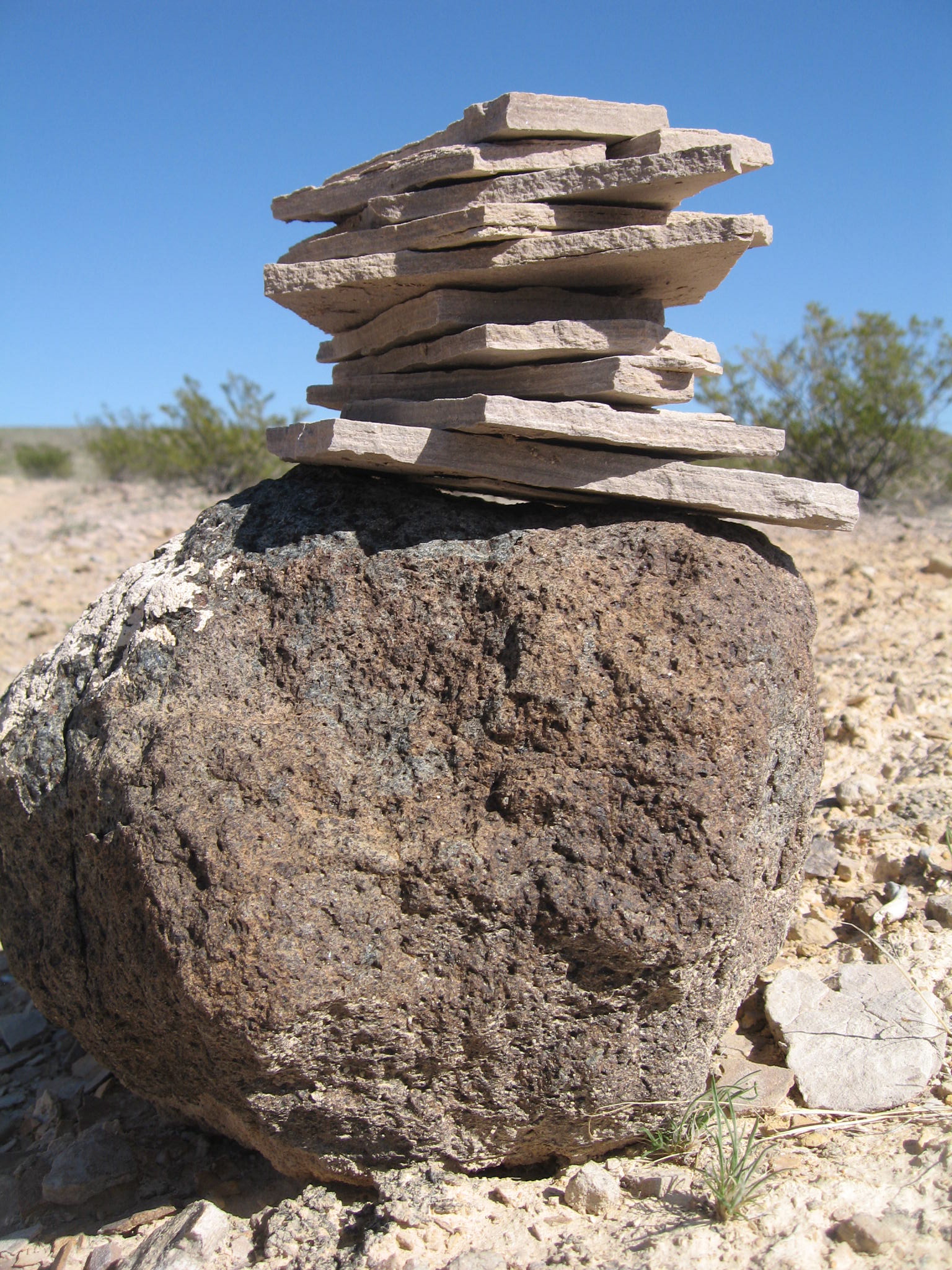
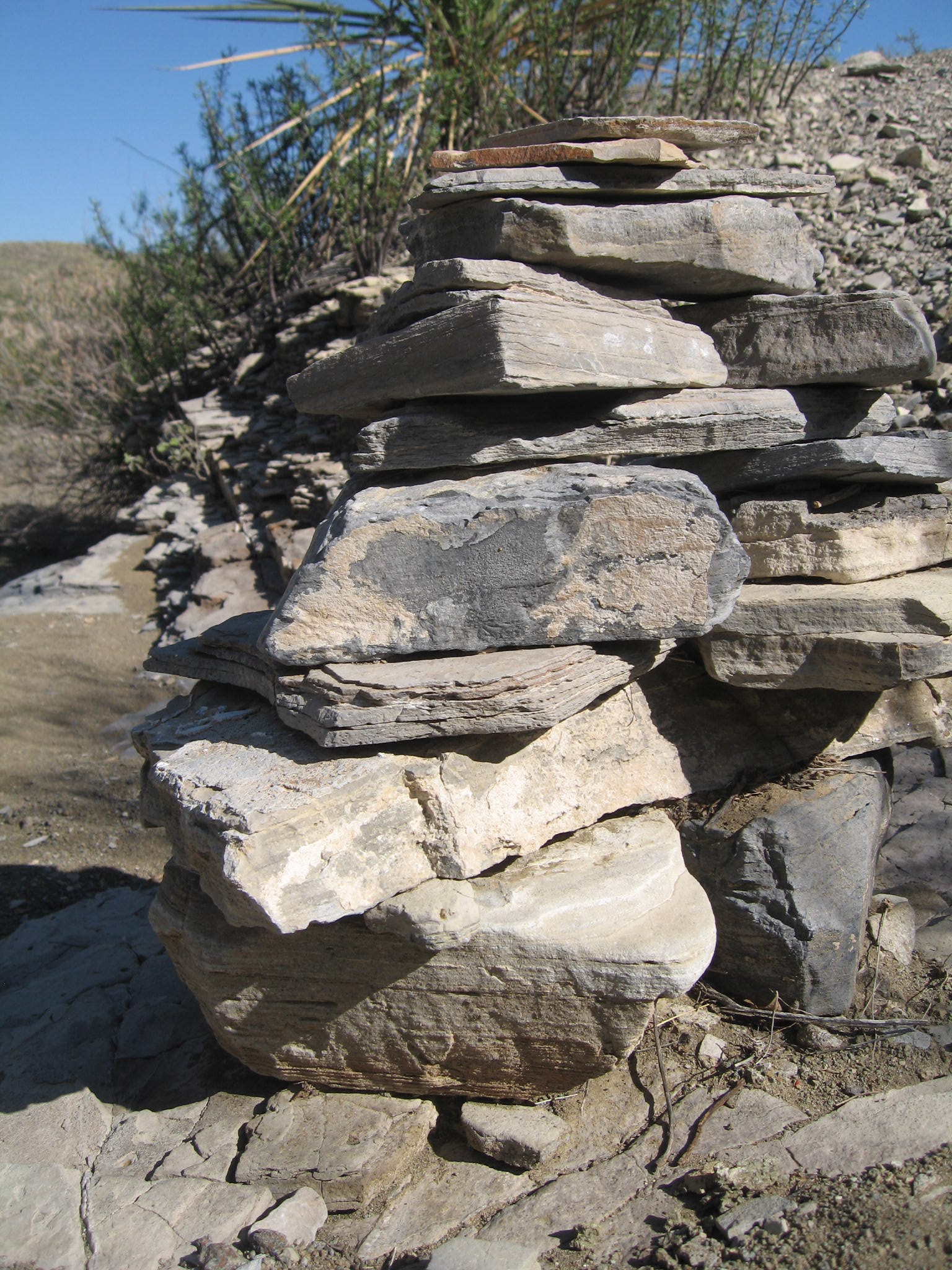


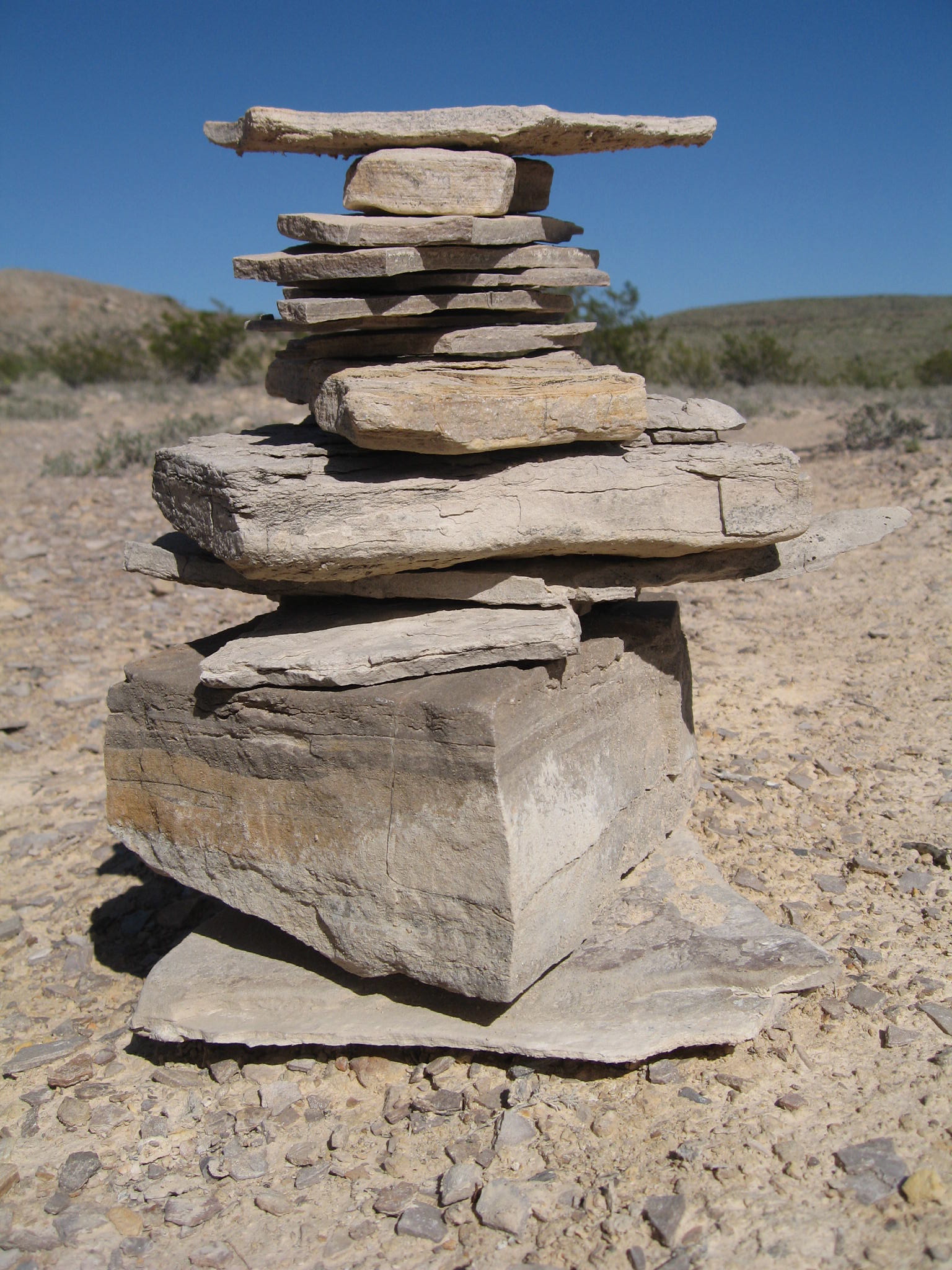
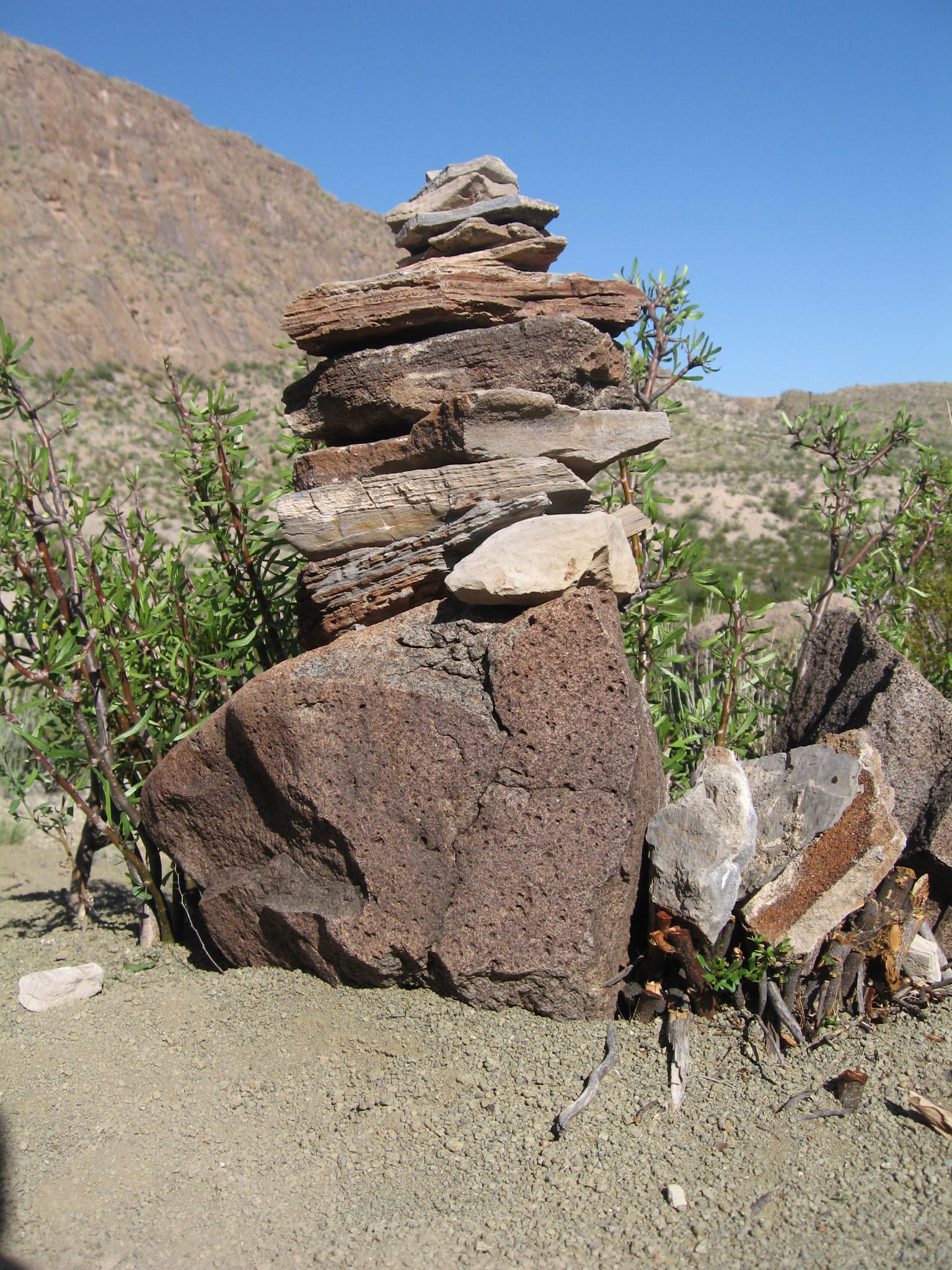

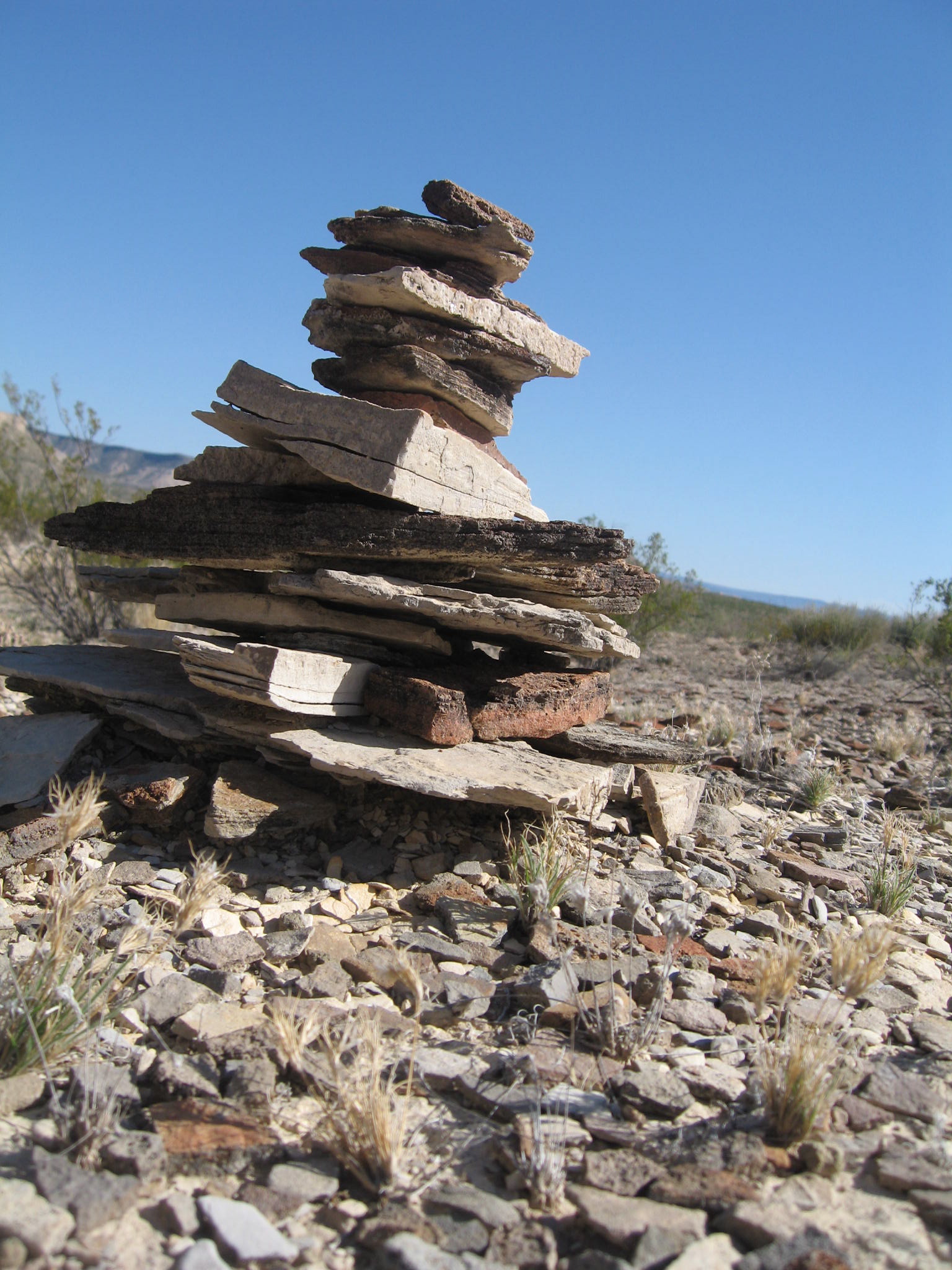

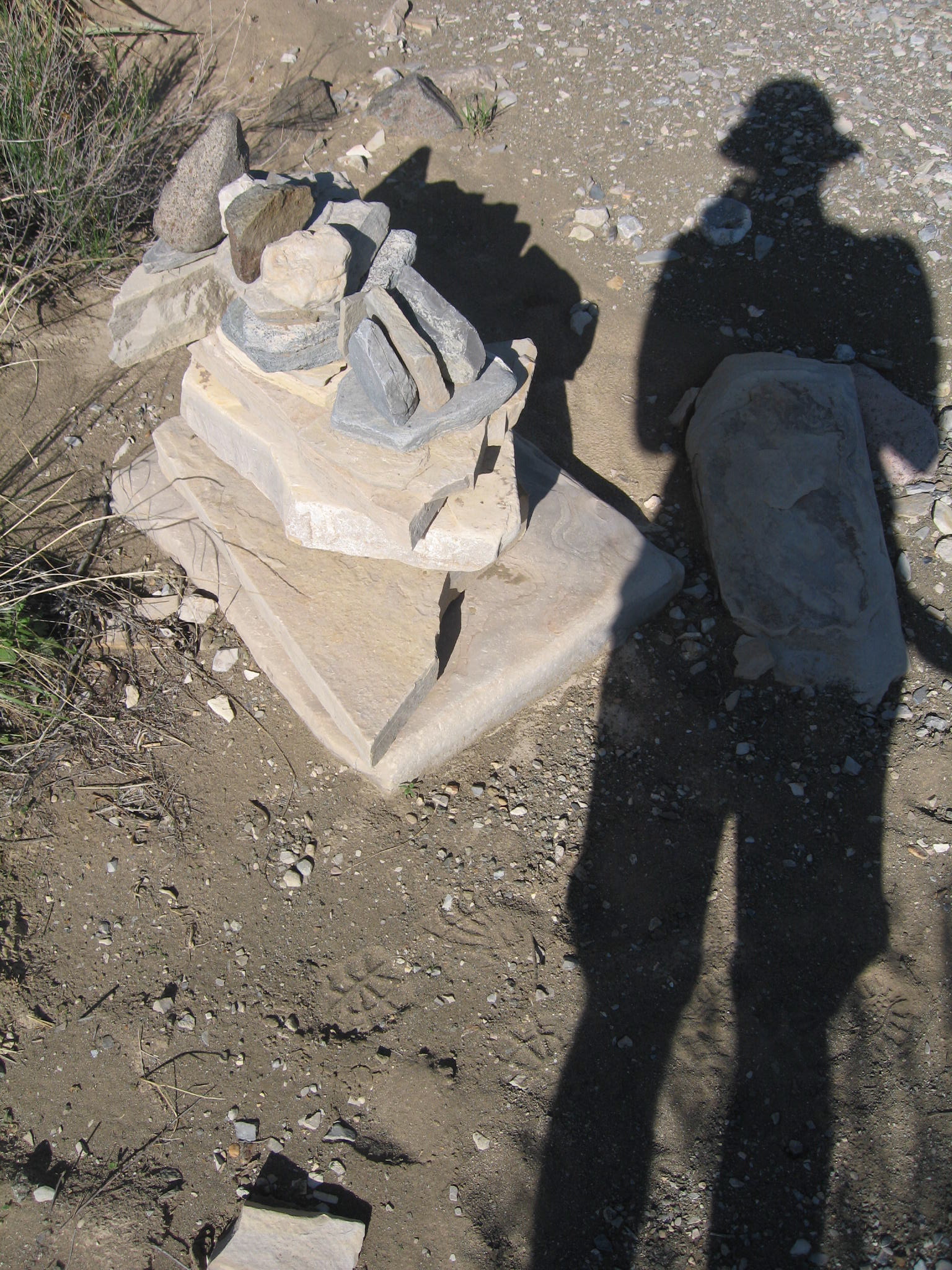
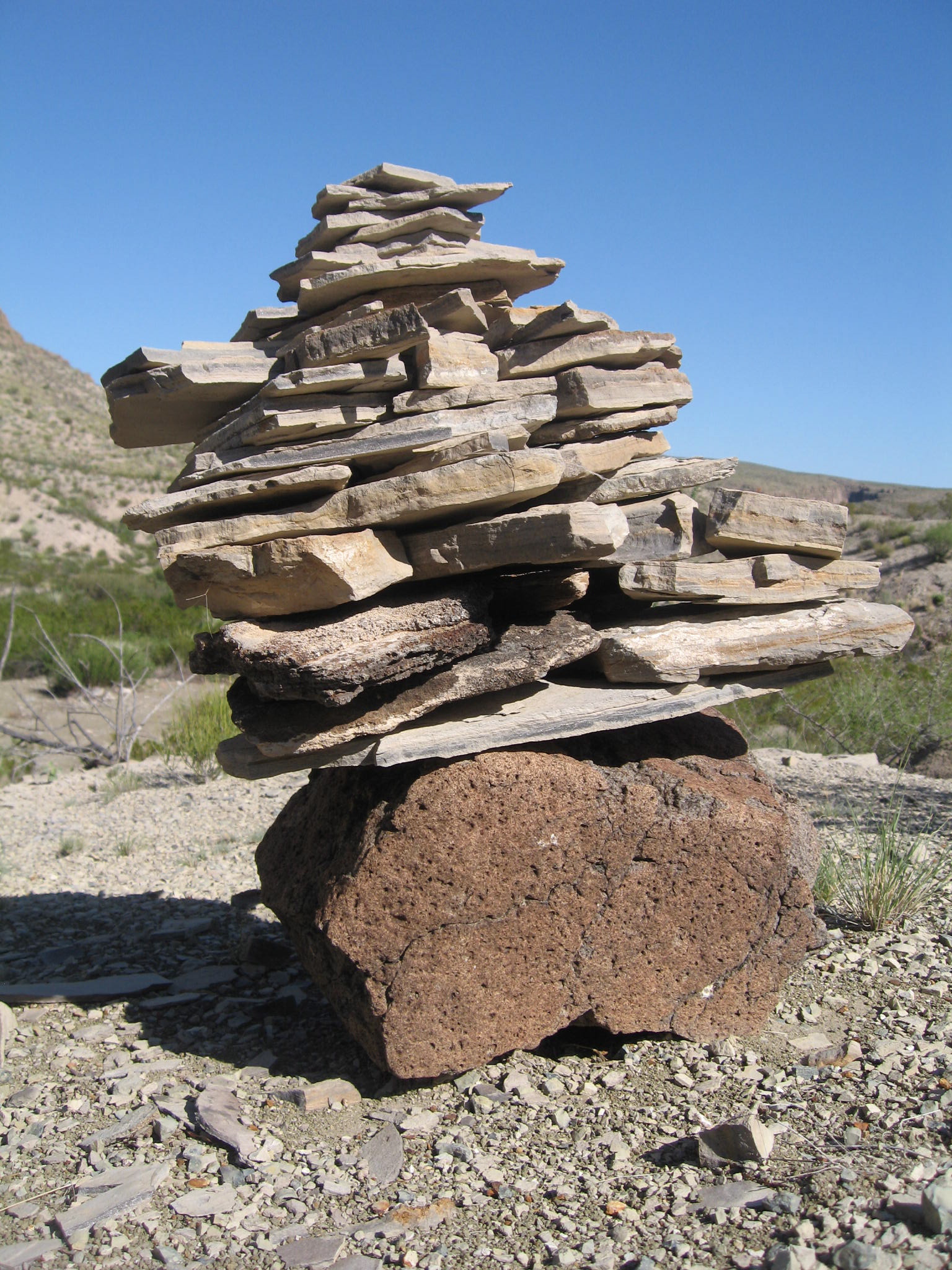


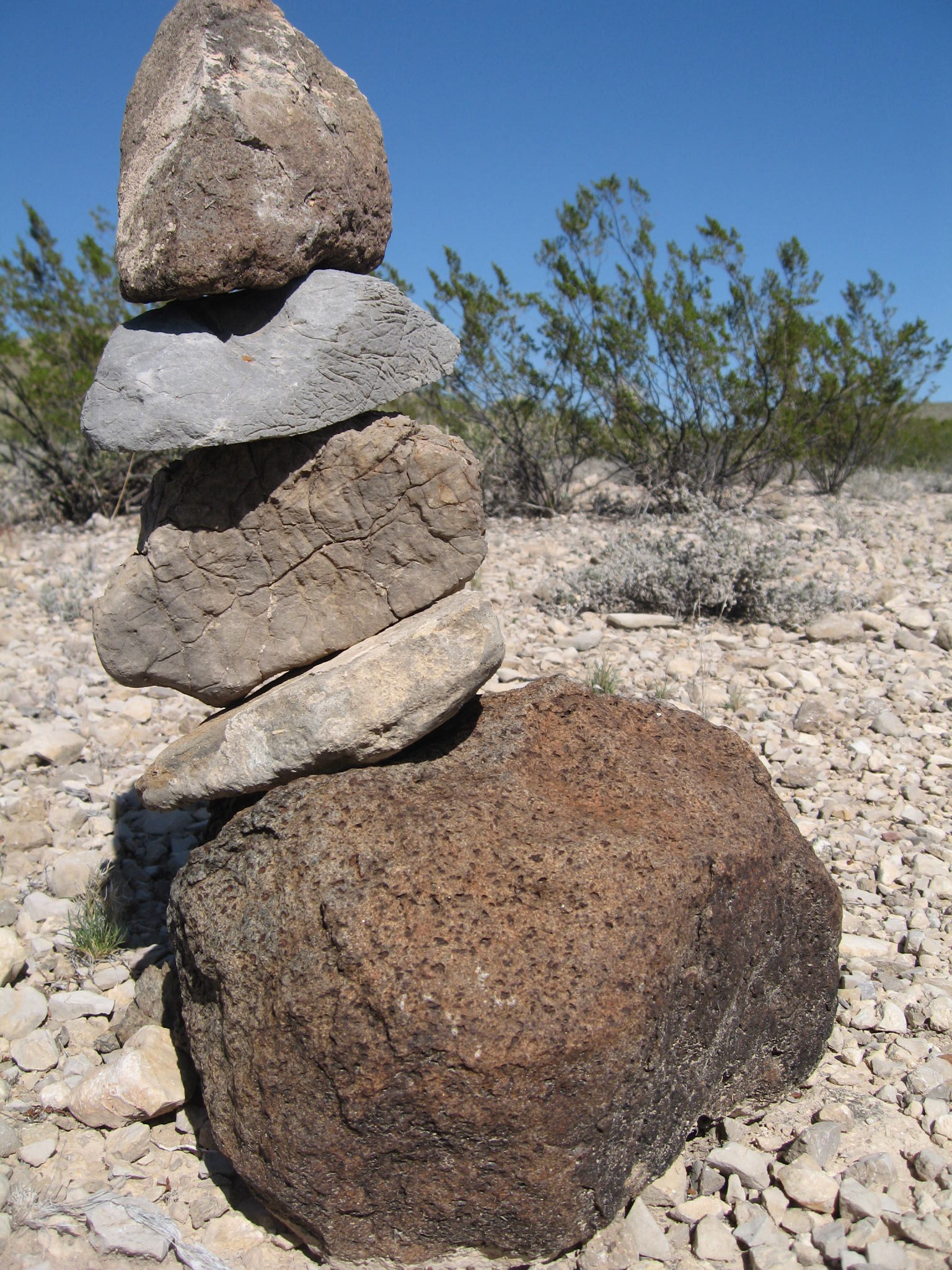

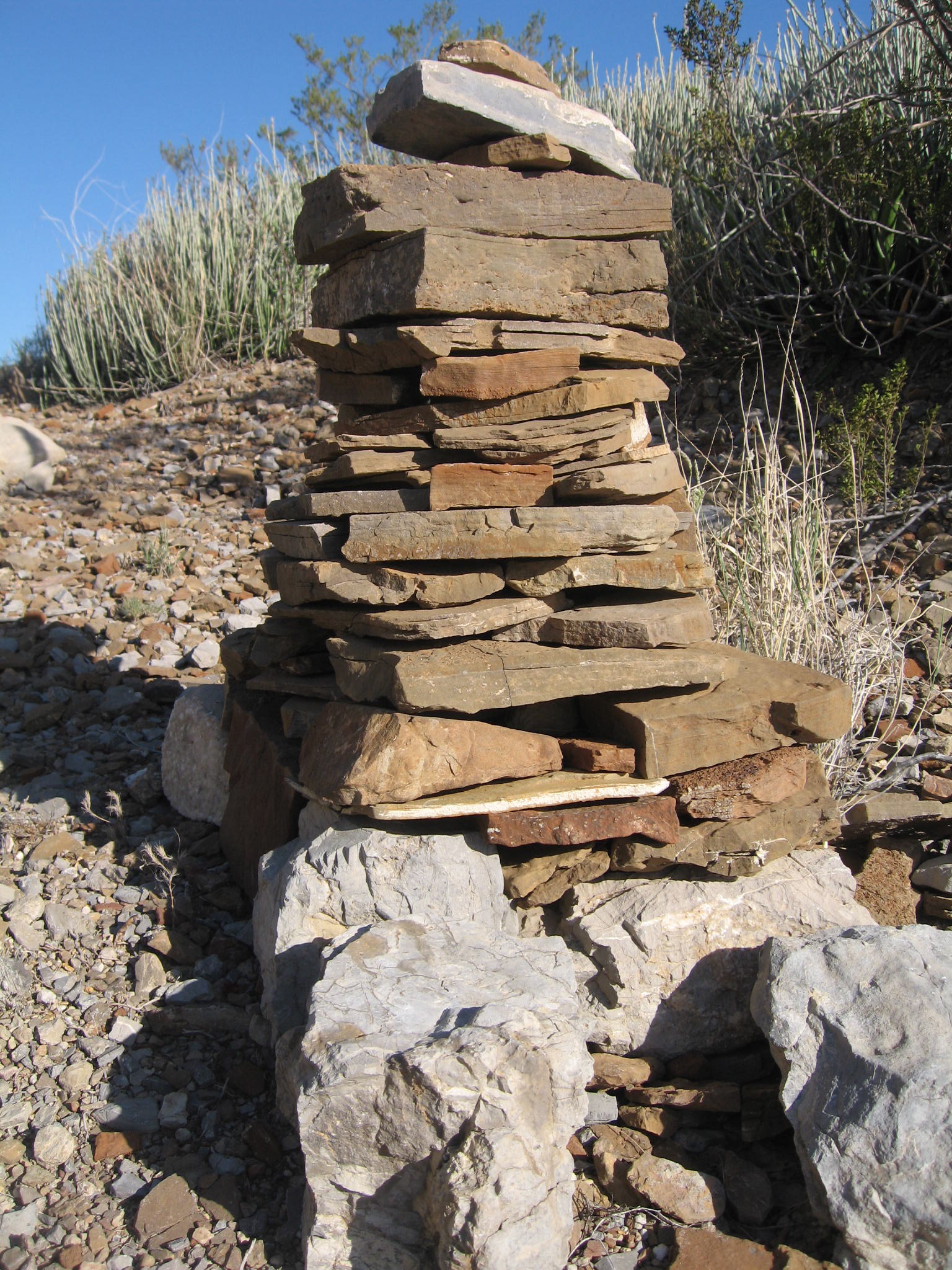


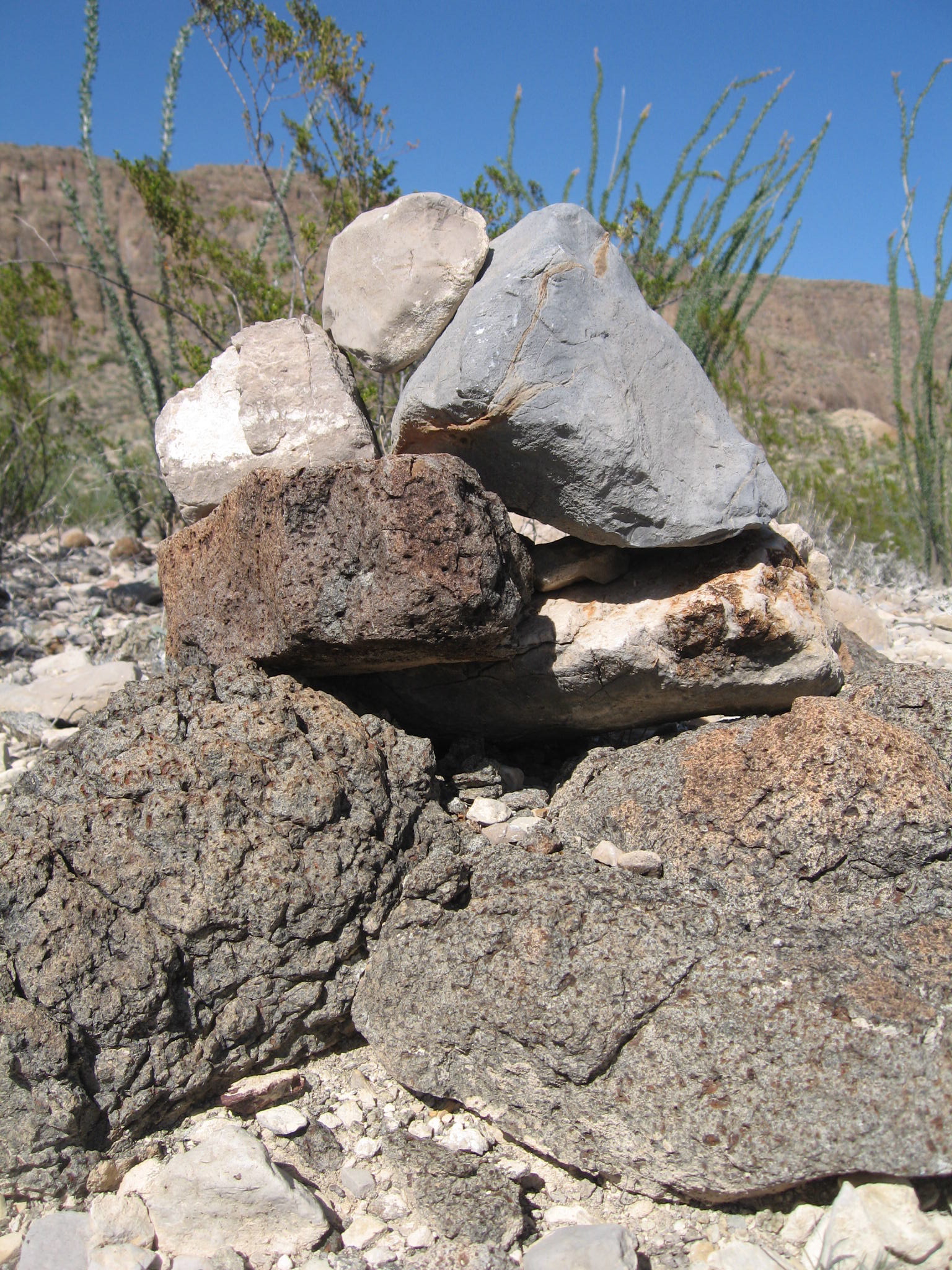

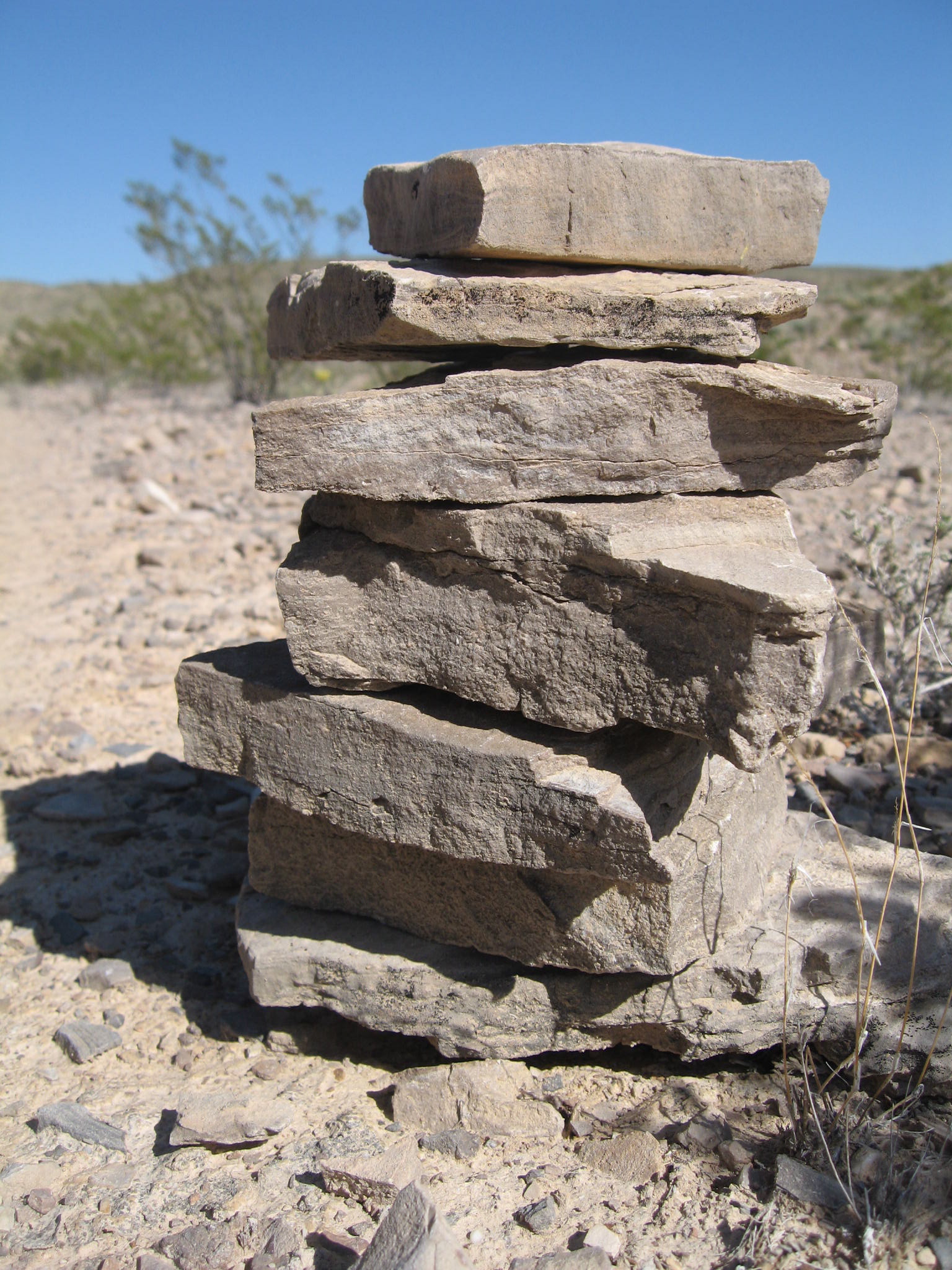


‘ROBODUCK’ © Pete Brook
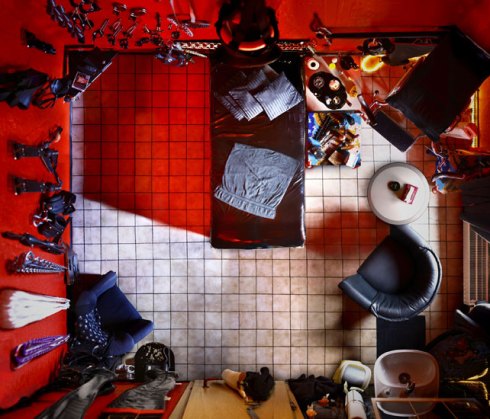
Last year, I interviewed Jurgen Chill about his project Zellen which adopted a birds eye (photo-composite) view of German prison cells.
For Chill’s series Bordelle, he repeated the technique for rooms of prostitution and bondage.

by La Mustia
ALTO ARIZONA has just launched an invigorating portfolio of protest posters.
From the website: “Arizona’s immigrant community is organizing and preparing to mount the political, legal, and economic pressure needed to restore constitutional protections to the state. They need the nation’s help to change the federal policy that allowed for the formation of SB 1070.”

by Savanah Loftus

by Ernesto Yerena
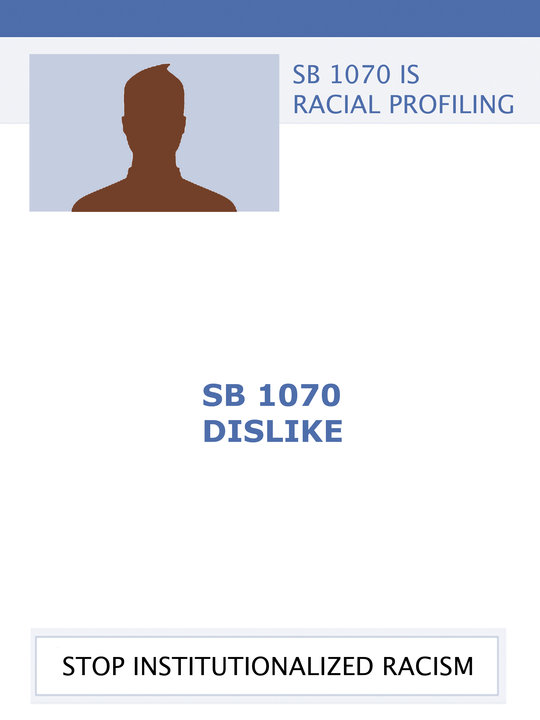
by Jason Gallegos
Thanks to Paul at Eyeteeth for the heads up. (via Just Seeds)
MORE GRAPHICS
While we are on the topic of illustration and instruction through posters, check out Jim’s discussion of authorities (civic, police, transit) graphics. In so doing, Jim includes the Fulana graphic below, which pushes back against posters requesting perfect paranoia and complicity of the public.

“No, it was not a random shooting. There was a group of three police officers. One officer took aim and shot Fabienne in the head.”
Fabienne’s father, Osama Cherisma, March 2010
Michael Winiarski and Paul Hansen recently returned to Port-au-Prince with the specific intention of following up on the fortunes of the Cherisma family.

Fabienne's family (left to right): Father, Osama Cherisma, brother Jeff, 18 years, his sister Amanda, 13 years, and mother Amante Kelcy. Photo: Paul Hansen
Following my interview with Winiarski, I had asked rhetorically what the Cherismas may feel about the international coverage of their daughter’s death. I was raising the issue of media and journalists’ responsibilities toward the subjects of their stories, and more specifically I was wondering if the Cherismas would ever be interviewed at length to elaborate on their experiences since that terrible day.
Well, a part answer can be provided in the actions and article of Winiarski and Hansen who published this story on the 13th March. (Swedish original / English translation):
– Osama says he knows the identity of the killer – a high ranking police officer from their own neighbourhood.
– The family have not filed a police report because they are too scared. They say the police are watching them daily.
– They have not talked to local media and only talk to Winiarski and Hansen of Dagens Nyheter because they are foreign journalists.
– Osama dealt with the body directly because he didn’t trust he’d see his daughter again if he handed her corpse over the police and authorities.
– Although their house still stands, it is so destabilised they live in a tent city.
– The schools of Jeff and Amanda, Fabienne’s brother and sister, were both destroyed during the earthquake.
– Jeff, Amanda and their mother Amante all – understandably – still feel extreme pain and emotion. Osama cannot sleep.
– Fabienne is buried in Zorange, north of Port-au-Prince. It is the village of Fabienne’s grandmother.
– – –
ALSO IN THE ‘PHOTOGRAPHING FABIENNE’ SERIES
Part One: Fabienne Cherisma (Initial inquiries, Jan Grarup, Olivier Laban Mattei)
Part Two: More on Fabienne Cherisma (Carlos Garcia Rawlins)
Part Three: Furthermore on Fabienne Cherisma (Michael Mullady)
Part Four: Yet more on Fabienne Cherisma (Linsmier, Nathan Weber)
Part Five: Interview with Edward Linsmier
Part Six: Interview with Jan Grarup
Part Seven: Interview with Paul Hansen
Part Eight: Interview with Michael Winiarski
Part Nine: Interview with Nathan Weber
Part Ten: Interview with James Oatway
Part Eleven: Interview with Nick Kozak
Reporter Rory Carroll Clarifies Some Details
Part Fourteen: Interview with Alon Skuy
Part Fifteen: Conclusions

A volunteer from Simelela, an organization dealing with sexual violence, uses a doll to teach children about inappropriate touching and sexual abuse, at a pre-school in Cape Town’s Khayelitsha township February 17, 2010. REUTERS/Finbarr O’Reilly
Rape is a very unpleasant topic to address. Many rape victims never discuss an assault and as such opportunities to recover may dwindle with time. One assumes adults are at least equipped to deal with the emotional trauma of discussion and therapy.
What of a child victim? Child rape, an unconscionable act, not only subjects innocents to violent assault but takes advantage of the child’s (probable) lack of perspective to the sadism to which they fall victim.
Finbar O’Reilly reported today on the child rape epidemic of South Africa.
“South Africa has the highest rate of rape in the world, including child and baby rape, with one person estimated to be raped every 26 seconds, according to aid groups and local organizations.”
It is noteworthy that O’Reilly’s dispatch hit the wires the same day artist Zanele Muholi condemned Lulu Xingwana, a South African government minister, for condemning the morality of Muholi’s exhibition.*
Muholi understood Xingwana’s objection as typical of South African society in which sex and sexuality are not discussed and yet sexual violence is prevalent.
Muholi’s images are tender, intelligent. That they’d compel a government minister to publicly disassociate herself is a sign of how taboo issues of sexual empowerment are in South Africa. Muholi’s images are not problematic; if anything, they are an essential part of the solution to opening up collective awareness and ownership of one’s own body.
* I posted earlier today on Zanele Muholi’s work.
Just a quickie. All of these names can be found on my list The Talent, but I figured they can get lost in there and I’d push them up to the surface for you all.
Scan the names and see if you’re missing out on the important/irrelevant bleatings of these notable camera-lords and camera-ladies.
| StephenVoss | ||||
| Steven Voss, Washington, DC | ||||
| andrewcutraro | ||||
| Andrew Cutraro, Washington, DC | ||||
| edkashi | ||||
| Ed Kashi | ||||
| heislerphoto | ||||
| Todd Heisler | ||||
| rspencerreed | ||||
| Ryan Spencer Reed | ||||
| JasonEskenazi | ||||
| Jason Eskenazi | ||||
| AlanSChin | ||||
| Alan Chin, Brooklyn, NY | ||||
| davidb383 | ||||
| David Burnett, Washington DC | ||||
| stevebloomphoto | ||||
| Steve Bloom, England | ||||
| dpeveto | ||||
| Daryl Peveto | ||||
| evanvucci | ||||
| Evan Vucci | ||||
| jmott78 | ||||
| Justin Mott, Hanoi, Vietnam | ||||
| StrazzPOY | ||||
| Scott Strazzante, Yorkville, IL | ||||
| jonkgoering | ||||
| Jon Goering, Lawrence, KS | ||||
| sinclair_photo | ||||
| Mike Sinclair, Kansas City | ||||
| PhotoPhilan | ||||
| PhotoPhilanthropy, California | ||||
| radical_images | ||||
| Radical Images, East Midlands UK | ||||
| Kastenskov | ||||
| Henrik Kastenskov, Vejle | ||||
| maisiecrow | ||||
| Maisie Crow, New York | ||||
| jturnley | ||||
| James Turnley | ||||
| juansierraphoto | ||||
| Juan Sierra, Germany | ||||
| OLOLtoo | ||||
| Kendrick Brinson, Atlanta, GA | ||||
| AaronJoelSantos | ||||
| Aaron Joel Santos, Hanoi, Vietnam | ||||
| jeffcurto | ||||
| Jeff Curto, Chicago, IL | ||||
| martincregg | ||||
| Martin Cregg, Dublin | ||||
| consumptive | ||||
| James Luckett, Ohio | ||||
| jesshurdphoto | ||||
| Jess Hurd, London | ||||
| VizJournalist | ||||
| John Waskey, Portland, OR | ||||
| tomtveitan | ||||
| Tom Tveitan, Norway | ||||
| fotofugitive | ||||
| Tim Humble, Noosa, Sunshine Coast | ||||
| photomorel | ||||
| Daniel Morel, Haiti | ||||
| davidalanharvey | ||||
| David Alan Harvey, NYC, Outer Banks | ||||
| FredoDupoux | ||||
| Frederic Dupoux | ||||
| wemarijnissen | ||||
| Wendy Marijnissen, Islamabad, Pakistan | ||||
| dascruggs | ||||
| Daniella Scruggs, D.C. Metro Area | ||||
| themexican | ||||
| Raul Gutierrez | ||||
| sheimages | ||||
| Sheila Pree Bright | ||||
|
||||
|
||||
| jeffantebi | ||||
| Jeff Antebi | ||||
| mattshonfeld | ||||
| Matt Shonfeld, Bath, UK | ||||
| jonsnyder | ||||
| Jon Snyder, San Francisco | ||||
| americanyouth | ||||
| American youth book, NYC | ||||
| douglaslowell | ||||
| Douglas Lowell, Portland, OR | ||||
| imaclellan | ||||
| Ian MacLellan, Lincoln, MA | ||||
| EmilyShur | ||||
| Emily Shur | ||||
| JaneFultonAlt | ||||
| Jane Fulton Alt, Chicago | ||||
| brazil_photos | ||||
| Ricardo Funari, Rio de Janeiro, Brazil | ||||
|
||||
|
||||
| adamvlau | ||||
| Adam Lau, San Francisco | ||||
|
||||
| DannyGhitis | ||||
| Danny Ghitis, Brooklyn, NY | ||||
| pangeaphoto | ||||
| Pangea Photo | ||||
| prospektphoto | ||||
| Prospekt, Milan, Italy | ||||
| terakopian | ||||
| Edmond Terakopian, UK | ||||
| NoBarriersPhoto | ||||
| No Barriers Photogrphy, Vancouver, BC | ||||
| CollegePhotog | ||||
| CPOY, Columbia, MO | ||||
| dsheaphoto | ||||
| Daniel Shea, Chicago | ||||
| dominicnahr | ||||
| Dominic Nahr, Kenya | ||||
| mrubee | ||||
| Michael Rubenstein | ||||
| greglutze | ||||
| Greg Lutze, Pacific Northwest | ||||
| reduxpictures | ||||
| Redux Pictures | ||||
| johnkeatley | ||||
| John Keatley, Seattle, WA | ||||
| hillerphoto | ||||
| Geoffrey Hiller, Dhaka, Bangladesh | ||||
| ChrisHondros | ||||
| Chris Hondros, New York, NY | ||||
| tammydavid | ||||
| Tammy David, Manila, Philippines | ||||
| vigbalasingam | ||||
| Vignes Balasingam, Kuala Lumpur, Malaysia | ||||
| timmatsuiphoto | ||||
| Tim Matsui, Seattle, WA | ||||
| coreyfishes | ||||
| Corey Arnold, Portland, OR | ||||
| jimbourg | ||||
| Jim Bourg, Washington, DC | ||||
| stupilkington | ||||
| Stuart Pilkington, High Wycombe, UK | ||||
| Donaldverger | ||||
| Donald Verger, Portland, Maine | ||||
| NickTurpin | ||||
| Nick Turpin, France | ||||
| noahkalina | ||||
| Noah Kalina, Brooklyn, NY | ||||
| terukuwayama | ||||
| Teru Kuwayama | ||||
| benrobertsphoto | ||||
| Ben Roberts, Bournemouth, UK | ||||
| alvarezphoto | ||||
| Stephen Alvarez, Charlotte, NC | ||||
| davidsolomons | ||||
| David Solomons, London | ||||
| erikborst | ||||
| Erik Borst, Amsterdam, Holland | ||||
| squarerootof9 | ||||
| Trey Hill, Dallas, TX | ||||
| quesofrito | ||||
| Emiliano Granado, NYC | ||||
| 50statesproject | ||||
| 50 States Project, USA | ||||
| RachelPapo | ||||
| Rachel Papo, Brooklyn, New York | ||||
| alphabetproject | ||||
| Alphabet Project | ||||
| danielemattioli | ||||
| Daniele Mattioli, Shanghai | ||||
| shawnrocco | ||||
| Shawn Rocco, Raleigh, North Carolina | ||||
| jaredsoares | ||||
| Jared Soares, Roanoke, Virginia | ||||
| yingang | ||||
| Ying Ang, Melbourne, Australia | ||||
| jennyjimenez | ||||
| Jenny Jimenez, Seattle, WA | ||||
| hinius | ||||
| Hin Chua, London | ||||
| photogjack | ||||
| Jack Kurtz, Phoenix, AZ | ||||
| renaudphilippe | ||||
| Renaud Philippe, Québec | ||||
| thetravelphotog | ||||
| Tewfic El- Sawy, NYC/London | ||||
| A_Jax | ||||
| Andrew Jackson, Birmingham, UK | ||||
| alvarezmontero | ||||
| Carlos Alvarez Montero | ||||
| Peter_Marshall | ||||
| London | ||||
| mellyvanilla | ||||
| Melanie McWhorter | ||||
| ptrbkr | ||||
| Peter Baker | ||||
| dellicson | ||||
| Davin Ellicson, Bucharest, Romania | ||||
| OlivierLaude | ||||
| Olivier Laude, San Francisco | ||||
| matgrandjean | ||||
| Mathieu Grandjean, Los Angeles | ||||
| noahbeil | ||||
| Noah Beil, Oakland, California | ||||
| demotix | ||||
| Global | ||||
| claytoncubitt | ||||
| Clayton Cubitt, New York |
||||
| benblood | ||||
| Ben Blood, Seattle, WA | ||||
| ianvancoller | ||||
| Ian van Coller, Bozeman, MT | ||||
| natelarson | ||||
| Nate Larson, Baltimore, MD | ||||
| mrthibs18 | ||||
| Brandon Thibodeaux | ||||
| gracegelder | ||||
| Grace Gelder | ||||
| andrewquerner | ||||
| Andrew Querner, Alberta | ||||
| jonfeinstein | ||||
| Jon Feinstein, NYC | ||||
| hellenvanmeene | ||||
| Hellen van Meene, Heiloo, Holland | ||||
| bendrum | ||||
| Benjamin Drummond, Seattle, WA | ||||
| tonystamolis | ||||
| Tony Stamolis | ||||
| liankevich | ||||
| Andrei Liankevich | ||||
| davewyatt | ||||
| Dave Wyatt, Somerset, UK | ||||
| coombskj | ||||
| Kevin Coombs | ||||
| miketsangphoto | ||||
| Mike Tsang, London | ||||
| lgreen66 | ||||
| Lauren Greenfield | ||||
| KatharinaHesse | ||||
| Katharina Hesse, Beijing | ||||
| aphotostudent | ||||
| James Pomerantz, New York | ||||
| NadavKander | ||||
| Nadav Kander, London | ||||
| visualjourn | ||||
| Brent Foster, Delhi, India | ||||
| balazsgardi | ||||
| Balazs Gardi | ||||
| rogercremers | ||||
| Roger Cremers, Amsterdam | ||||
| shahidul | ||||
| Shahidul Alam, Dhaka. Bangladesh | ||||
| chrisdebode | ||||
| Chris Debode, Amsterdam | ||||
| abbiets | ||||
| Abbie Trayler-Smith | ||||
| foreilly | ||||
| Finbar O’Reilly, Dakar, Senegal | ||||
| rasermus | ||||
| Espen Rasmussen | ||||
| stevesimon | ||||
| Steve Simon, NYC | ||||
| borutpeterlin | ||||
| Borut Peterlin, Slovenia | ||||
| moooose | ||||
| Mustafah Abdulaziz, Philadelphia | ||||
| oeilpublic | ||||
| Oeil Public, Paris, France (Now out of business) | ||||
| gallagher_photo | ||||
| Sean Gallagher, Beijing, China | ||||
| jennackerman | ||||
| Jenn Ackerman, New York | ||||
| Amivee | ||||
| Ami Vitale, Miami | ||||
|
||||
| luceo | ||||
| Luceo Images, US, Southeast Asia, Mexico | ||||
| mattlutton | ||||
| Matt Lutton, Belgrade, Serbia | ||||
| Nathan_Armes | ||||
| Nathan Armes, Denver, CO | ||||
| timgruber | ||||
| Tim Gruber, New York | ||||
| timhussin | ||||
| Tim Hussin, Washington D.C. | ||||
| alan_w_george | ||||
| Alan W George, San Francisco | ||||
| MrToledano | ||||
| Phillip Toledano, New York | ||||
| mattslaby | ||||
| Matt Slaby, Denver | ||||
| wearemjr | ||||
| MJR, Brooklyn, New York | ||||
| caryconover | ||||
| Cary Conover, Lower East Side, NYC | ||||
| robot_operator | ||||
| Dalton Rooney, Brooklyn, NY | ||||
| loujones2008 | ||||
| Lou Jones, Boston, MA | ||||
| gerik | ||||
| Gerik Parmele, Columbia, MO | ||||
| benlowy | ||||
| Benjamin Lowy, Brooklyn, NY | ||||
| tom_leininger | ||||
| Tom Leininger, Texas | ||||
| tomasvh | ||||
| Tomas van Houtryve | ||||
|
||||
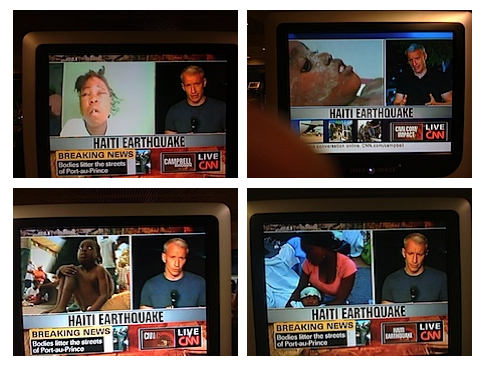
It one thing having foolish and clumsy media commentary of flash-in-the-pan (US) regional stories. It is another when CNN and Anderson Cooper use that same approach covering a humanitarian disaster.
As folk interested in media we should speak out when we see offensive framing and “reporting”.
Anderson Cooper’s bravado is only slightly more insulting than other major networks, but if we picket Cooper and his CNN editors maybe we’ll make a dent large enough that other major networks will also take note.
Michael Shaw just emailed this to concerned social media types. I am behind his sentiment:
I’m writing because I’ve just done a post at BAGnewsNotes that I think is extremely important.
It’s an appeal to readers to contact CNN, or tweet them (@andersoncooper @CNN – PLEASE STOP visually exploiting the Haitians! http://bit.ly/8R1DGc) about the way Anderson Cooper/CNN is visually exploiting the Haitians.
What Cooper has been doing is a complete affront, and it’s time we pushed back in a more systematic way. Haiti is going through a completely sub-human experience as it is, and the humanitarian effort, and dignity for its people, should absolutely extend to the media sphere.
Thanks so much for putting your eyes on this, and being part of the response.
Here’s hoping.

 Prison Photography