Untitled-by-Derrick-Quint-005

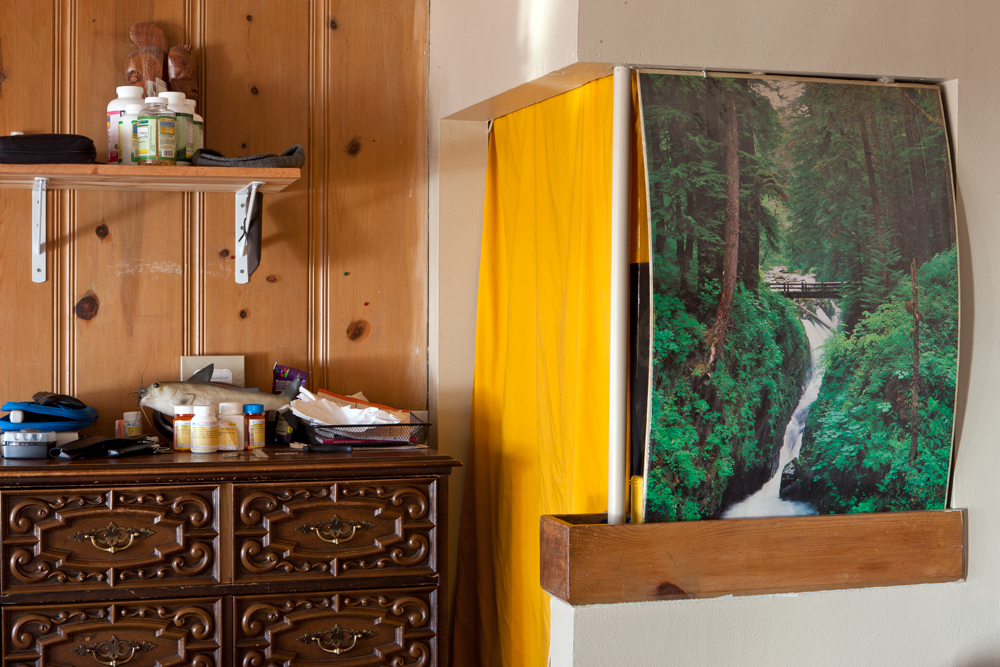
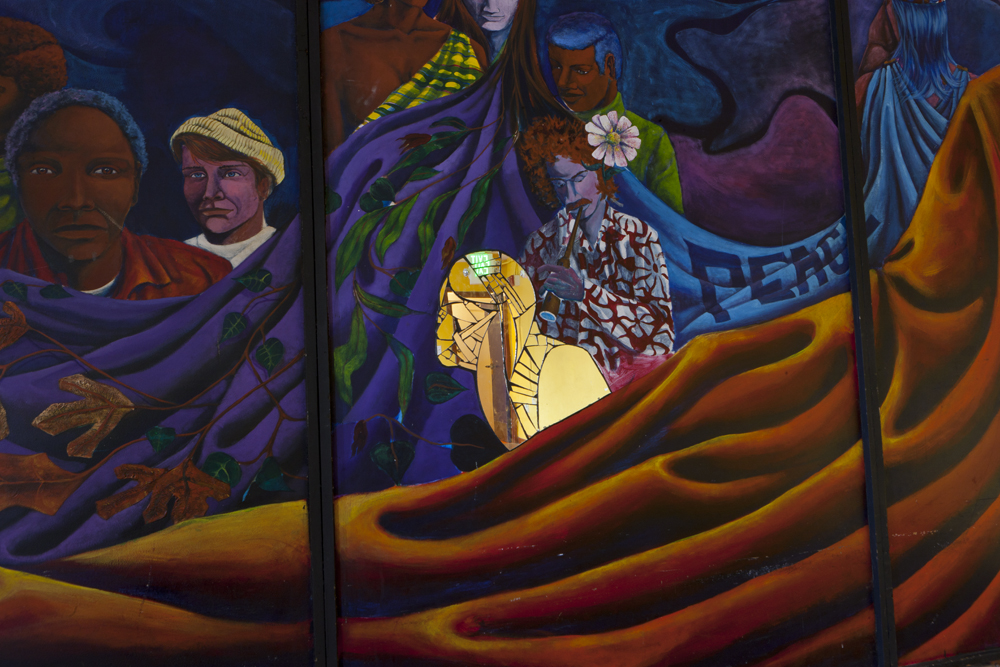
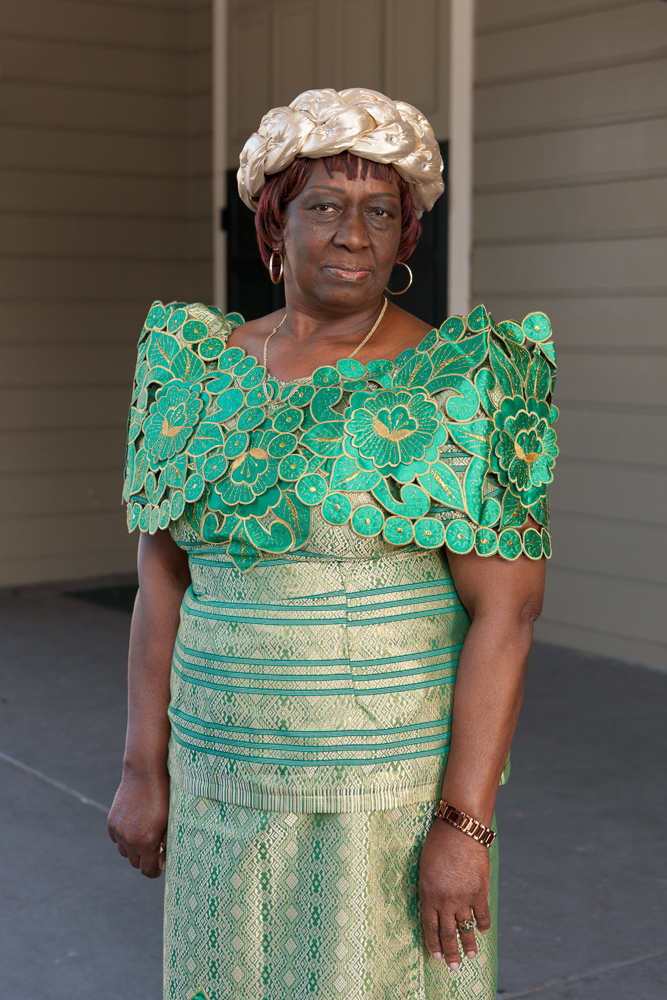
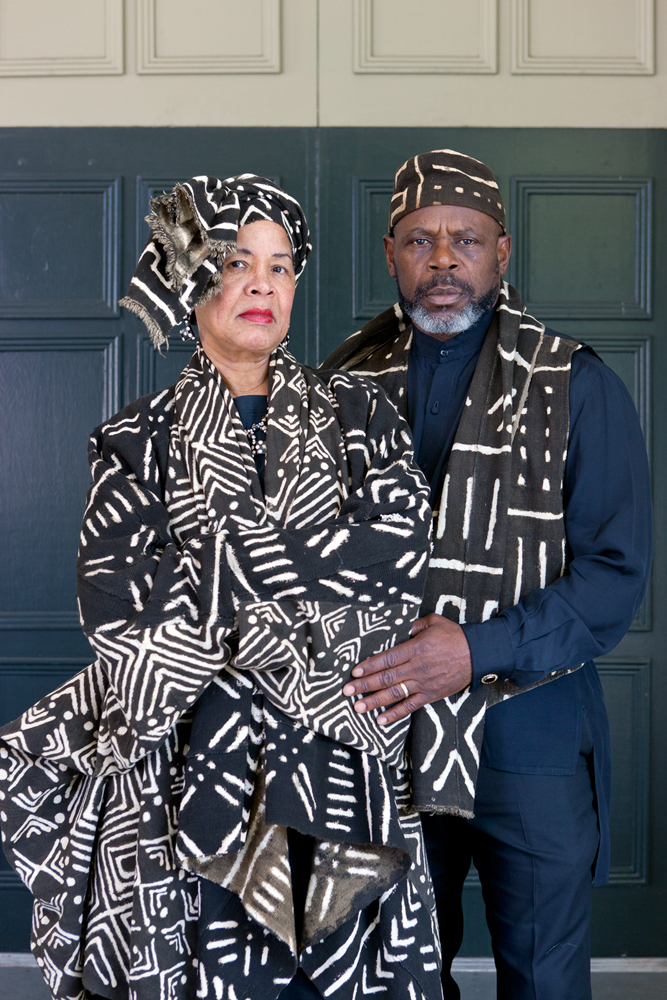
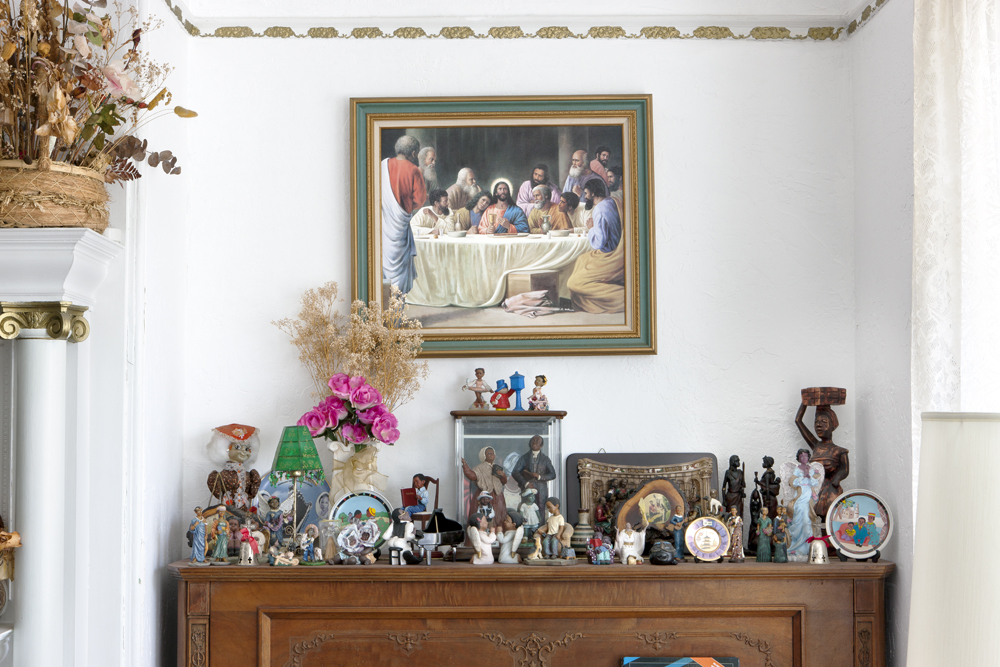
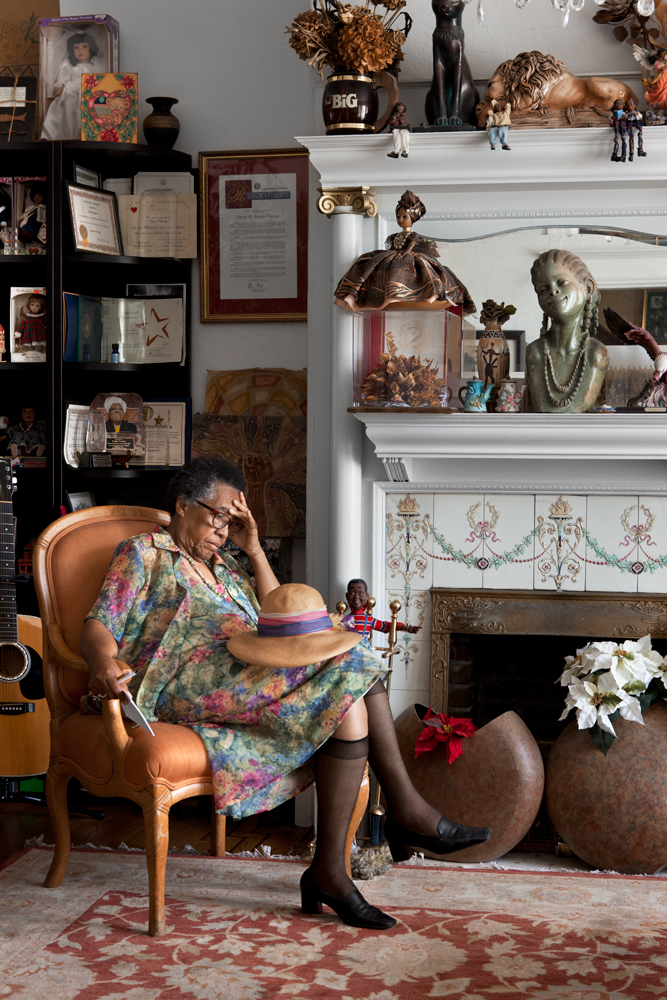
Untitled by Derrick Quintero and Ann Catherine Carter. From the “Surrogate Project”

WHAT

This week, apexart announced the three winners of its Unsolicited Proposal Program. One of the selected projects was Life After Death and Elsewhere, organized by Tom Williams and Robin Paris.

WHO

Artist and educators, Paris and Williams coordinate the best prison arts program I’ve never written about.

They work in tandem with prisoners on death row in Tennessee. The Riverbend Maximum Security Institution imprisons 79 people on death row. Eleven prisoners — Abu Ali Abdur’Rahman, G’dongalay Berry, Tyrone Chalmers, Gary Cone, John Freeland, Kennath Artez Henderson, Nikolaus Johnson, Donald Middlebrooks, Harold Wayne Nichols, and Derrick Quintero among them — have worked with Paris and Williams on a few projects. I have admired their practice for a long time.

I’d be embarrassed about bringing their work to you when they are already so far down their creative paths if I didn’t think they still had long and beautiful journeys planned out.

You can see a lot of their work, stretching back 18-months, on the R.E.A.C.H. Coalition blog.

WHERE

Earlier this year, in Nashville TN, in collaboration with artists from Watkins College of Art they produced the exhibition Unit 2 (part 1) from which several of the images included herein originated. Recently, they completed Unit 2 (part 3). In both cases they partnered with small local galleries to put on the events.

PHOTOGRAPHY’S USE

Photos feature heavily in the collaborations between the condemned men and outside artists. For the series “Add-Ons” an outside artist would provide a prompt in the form of a drawing or piece of writing but often an image. The prisoner would then add to it by either drawing or writing directly on the print, or riffing off of it in words and sketches to create a second companion piece.

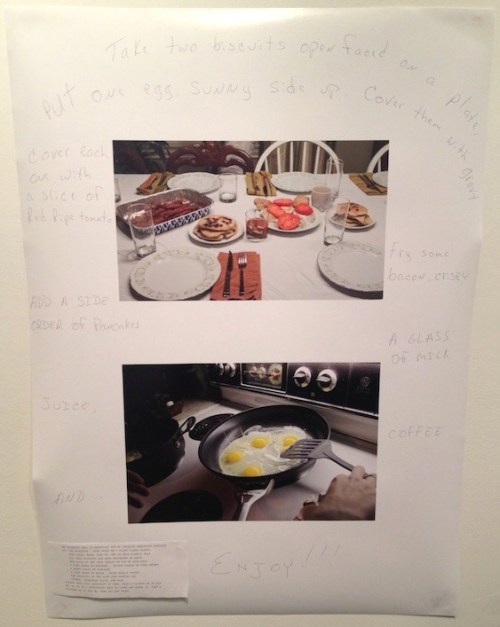
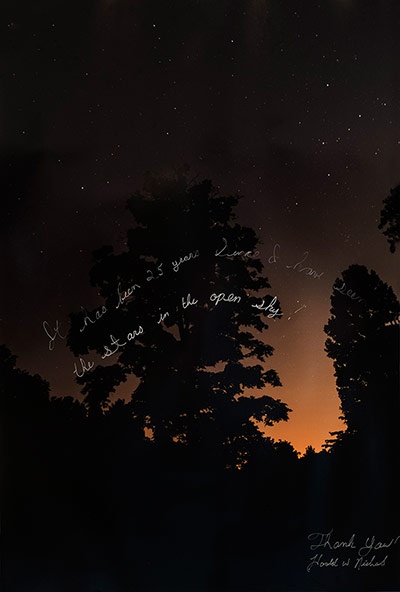
For the series “Surrogate” a prisoner would make a request for someone on the outside to do something for them by proxy — to enjoy a library full of books, to eat a hearty breakfast prepared to precise specifications, or to make a family portrait. In many cases the evidence and *shared experience* was documentation usually in the form of a photo.

AN ADVOCATE’S MESSAGE

While the process in producing these works is necessarily personal and intimate, the sharing of the artwork and the political urgency needn’t be. Paris, Williams et al. want to use exhibitions as moments for discussion and public education. Namely, they want to contribute to the anti-death penalty movement. As Paris told Hyperallergic, “The system of legal defense for capital cases is shoddy and poorly funded at best; there are no rich people, to my knowledge, on death row. We incarcerate more of our population than any other country. I could go on and on. It’s shameful. It’s not who we think we are as a country.”

PROPOSAL

This isn’t prison fetishism. The men on death row alongside the artists and students corralled by Paris and Williams are collaborators in the fullest sense. I think it is significant that the winning proposal was written by the prisoners; I think it may have been a deciding factor for the judges on the quality, intent and pedagogy of the art.

The prisoner-artists’ proposal reads:

During the past year, the state of Tennessee has staged a nearly unprecedented offensive against those individuals it has sentenced to die. A state that has executed only six people since 1960 has recently scheduled ten executions. As prisoners on death row, and imminent victims of that state-sponsored violence, we represent the “bare life” described so powerfully by historians and philosophers. During the past two years, however, through an unusual partnership with artists, writers, and educators in Nashville, we have endeavored to make our circumstances visible to those beyond the walls of prison. Through published writings and art exhibitions, we have addressed a public that knows as little of our lives as they do of the indignities of belly chains or the menacing shimmer of razor wire.

Our past exhibitions have often included collaborations with artists and art students on the outside. We have created “add-on” drawings (exquisite corpses, more or less) with people beyond the prison, and we have started sketchbooks before sending them out for strangers to finish. We have composed “surrogate” assignments for outsiders to realize (photographs of the stars, for instance, which some of us haven’t seen in 25 years, or the libraries in cities that we will never visit). We have made gifts of our art works and offered them to visitors to the opening of an exhibition in exchange for their photographic portraits. In one show, we exhibited a diorama that traces the all-too-common path from poverty to prison, and in other, we exhibited our personal snapshots and family photos to offer the world a glimpse of our social lives and to show that we are more than prisoners and men condemned to death

In response to your call, we propose an exhibition that will feature designs for our own memorials alongside our representations of the lives we would pursue if we were free. We have all been condemned to death, and the state of Tennessee intends to kill us, but some of are innocent, and we all hope to demonstrate that we are more than the sum of our worst deeds—or that we might be.

The works we will submit will include drawings, paintings, photographs, models, and text-based pieces. Some of us will submit statements outlining reasons for refusing to design their own memorials.

Kudos to them and all involved. Hope to be in NYC when it shows! Robin Paris and I are currently in conversation and I hope to share that back-and-forth with you in the future, but until then, I’d like to use this recent success as an excuse to share some images of the prisoners’ work.

Images courtesy of Guardian, Hyperallergic, Solitary Watch.
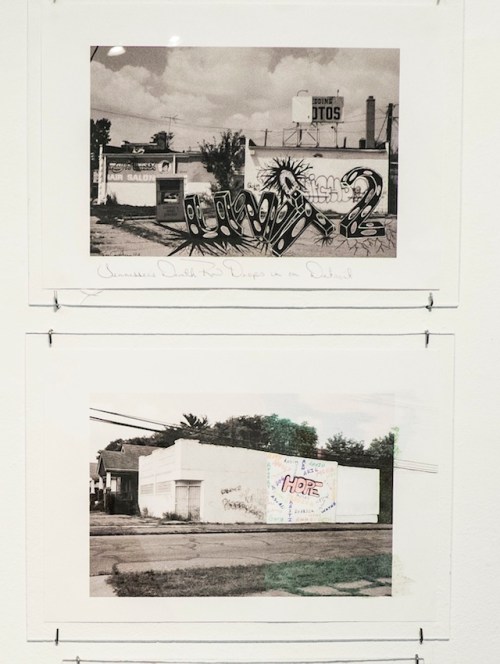
photo_with_drawing
Upreyl Mitchell and Harold Wayne Nichols, “Untitled” (add-on artwork), acrylic and colored pencil on photograph, 13″ x 9″ in (photo courtesy Robin Paris)
Coop1
Mika Agari, Jessica Clay, Amy Clutter, Robert Grand, Kristi Hargrove, Robin Paris, Sharon Stewart, Tom Williams, Weng Tze Yang, and Barbara Yontz, “Surrogate Project for Harold Wayne Nichols: Breakfast for Dinner,” photograph.
photo-67
Donald Middlebrooks, ‘Silence is Compliance’ (acrylic on canvas board)
The-Night-Sky-001
‘The Night Sky’ by Robin Paris and Tom Williams with writing by Gary Cone, Harold Wayne Nichols, and Donald Middlebrooks. From the Surrogate Project
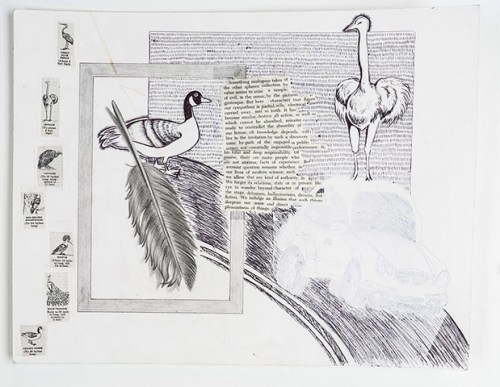
Untitled-by-Nickolus-John-002
Nickolus Johnson and Zack Rafuls, “Untitled” (add-on drawing), mixed media on paper, 14 x 11 in.
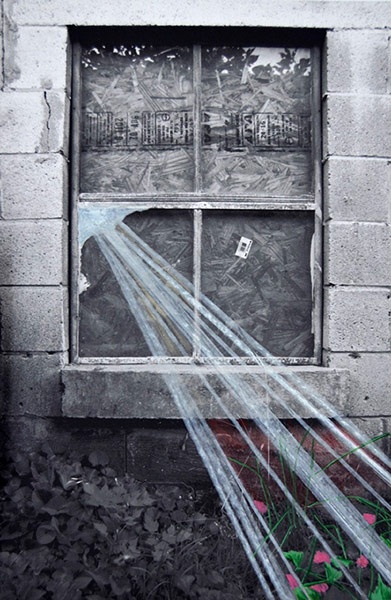
Photograph-and-drawing-by-004
Photograph and drawing, by Upreyl Mitchell and Kennath Artez Henderson. From the Surrogate Project.

ARTISTS

Robin Paris is associate professor and chair of the Department of Photography at Watkins College of Art, Design & Film in Nashville, Tennessee. She is a graduate of The Evergreen State College in Olympia, Washington, and the Savannah College of Art and Design, and she has taught at Belmont University and The University of the South, Sewanee. Her work has appeared in exhibitions throughout the country. She has been co-facilitating the art workshop in Unit 2 (the Death Row unit) of the Riverbend Maximum Security Institution since 2013. Her recent work has involved collaborations with its residents.

Tom Williams is assistant professor of art history at Watkins College of Art, Design & Film in Nashville, Tennessee. He is a graduate of Stony Brook University and the Whitney Museum Independent Study Program, and he has taught at the School of Visual Arts, the Museum of Modern Art, New York University, and Vanderbilt University. His writings have appeared in Art in America, Grey Room, and other publications. He has been co-facilitating the art workshop in Unit 2 (the Death Row unit) of the Riverbend Maximum Security Institution since 2013.

APEXART

apexart is a non-profit arts organization in Lower Manhattan that was conceived to offer opportunities to independent curators and emerging and established artists, as well as to challenge ideas about art, its practice and curation. apex art is at  291 Church Street, New York, NY 10013 USA and it puts on exhibitions, Fellowship Program, publications, and public programs. It is free. Contact is 212 431 5270 or info@apexart.org. Hours are Tues – Sat 11am-6pm.

UNSOLICITED PROPOSAL PROGRAM

Anyone, from anywhere, may submit an idea-based exhibition to the Unsolicited Proposal Program. Each annum, three winning proposals are presented at apexart as part of its year-long calendar. Proposals remain anonymous and judged by an international group of 100+ artists, curators, writers and arts professionals. Each juror reads at least 50 proposals, in randomized order. Each proposal receives as many as 25 votes.

“We believe it is the most objective and fair process of evaluation that we have found,” says apexart. “Submissions are reviewed anonymously and solely on the strength of their idea. Previous curatorial experience is in no way required. Supplemental materials are not accepted to further level the playing field.”

The eventual ranking of proposals is made available online to all applicants.
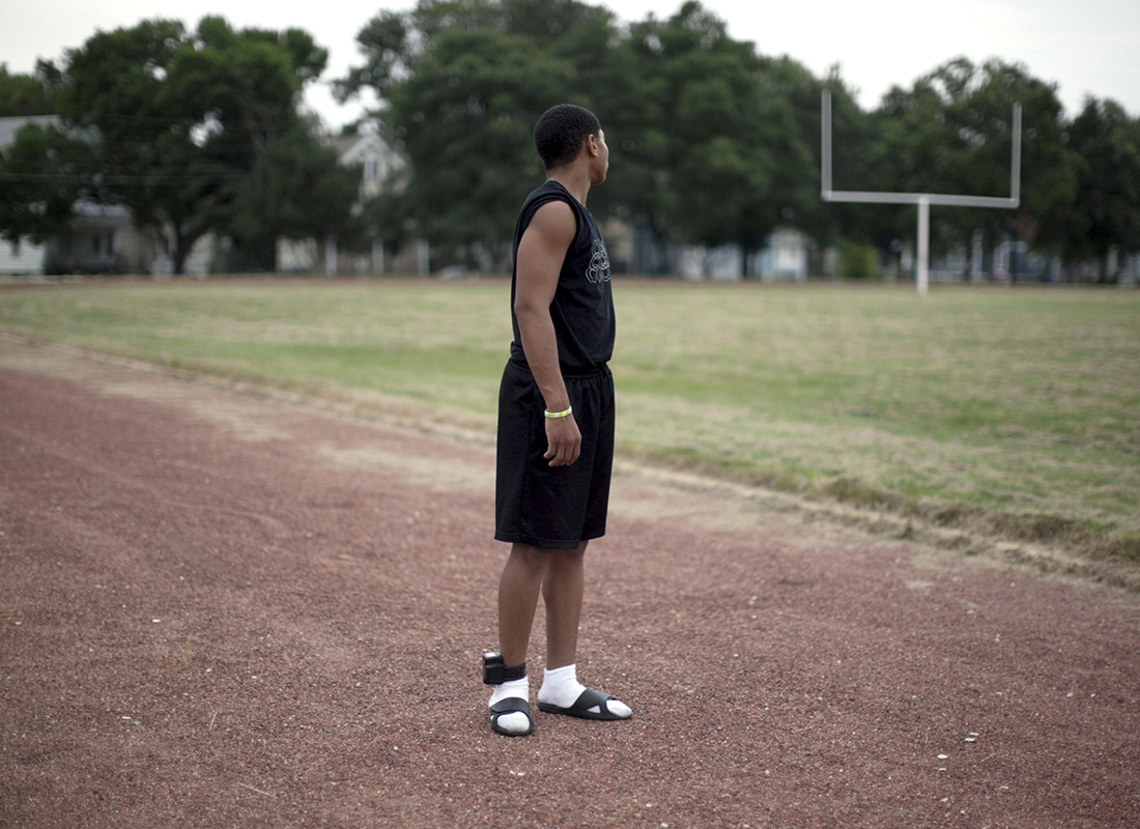
ZoraMurff

Jerome at 15. © Zora Murff

Hey y’all. You might have heard about the launch of The Marshall Project, a nonprofit, nonpartisan news organization covering America’s criminal justice system. You might also recall that I was excited by the launch.

Excited because I think we’ll all benefit from having focused, smart and quirky analysis of America’s carceral, criminal and correctional territories. But, excited also, because I’ll be contributing features of photographers’ work.

OPENING GAMBIT

My first piece about Zora Murff, Tracked: A Photographer Reveals What It’s Like To Be A Kid In The System was published this week.

Here’s an excerpt.

In addition to slinging his camera, Murff works as a “tracker” for a program that provides low-risk juveniles alternatives to incarceration. He coordinates transportation to therapy and counseling sessions, contacts schools to make sure that the juveniles are attending classes, collects urine samples for drug tests, and monitors the juveniles’ locations through data from their ankle bracelets.

“My job is to be a consequence, to insert myself into their lives while the adolescents themselves are struggling to exert control over their development,” says Murff who wanted to capture how juveniles in the system are supervised and monitored, and how the resulting lack of privacy can impact their development.

“Cameras are typically used by the state to surveil,” he says. “I too am recording, but my camera is there in a collaborative capacity. I feel that the people I’m photographing have taken back a level of control.”

Read and see more at The Marshall Project

If you want to learn more about Zora Murff’s work you might be interested in this long interview I did with Murff on Prison Photography in January, 2014.

OPENING STATEMENT

I really can’t recommend enough the daily newsletter of criminal justice news put together by The Marshall Project’s Andrew Cohen. It’s called Opening Statement and it brings together the best links and most pressing stories. Indispensable. Get it!

CHunnicutt

Carnell Hunnicutt, Sr. Northern Correctional Institution, Somers, CT. Courtesy Architects/Designers/Planners for Social Responsibility. Via Solitary Watch.

Today, December 10th, is Human Rights Day. Organised by the United Nations, the day of action is based around the central tenet that “Each one of us, everywhere, at all times is entitled to the full range of human rights. Human rights belong equally to each of us and bind us together as a global community with the same ideals and values.”

As Prison Legal News and the Human Rights Defense Center recently pointed out:

The UN’s Universal Declaration of Human Rights contains several articles which would apply broadly to prisoners and former prisoners in the U.S., but unfortunately remain unrecognized by the U.S. government.”

Specifically, we should be looking at the enforcement of policy and law as they would uphold Articles 4, 8, 9 and 21.

The problems are endless. Executions need to stop — the state shouldn’t be murdering citizens. Mass incarceration, generally, brings with it almost insurmountable problems (overcrowding, inadequate healthcare, predation, sexual and psychological abuse). The prison industrial complex magnifies these problems in poor communities. I’ve noticed a cycle of issues-du-jour that append to critique of American prisons. Most recently, no doubt, the issue of solitary confinement has been widely discussed. Why? Because it is abusive and counter-productive. Moves in the right direction are starting to reign in the rampant use of solitary as a disciplining technique. I wrote about what’s at stake for Daylight Digital last year:

Juan E. Méndez, United Nations special rapporteur on torture, is clear that solitary confinement is torture and permanently damages the mental health of prisoners.

“Segregation, isolation, separation, cellular, lockdown, Supermax, the hole, Secure Housing Unit…whatever the name, solitary confinement should be banned by States as a punishment or extortion technique,” said Mendez in front of the UN General Assembly in June 2011. “It is a harsh measure which is contrary to rehabilitation, the aim of the penitentiary system.”

Prisoners lose their minds quickly when deprived of human contact. Identity is socially created, and it is through relationships that individuals understand themselves.

Solitary confinement “undermines your ability to register and regulate emotion,” explained Craig Haney, psychology professor at the University of California, Santa Cruz, in an interview with WIRED. “The appropriateness of what you’re thinking and feeling is difficult to index, because we’re so dependent on contact with others for that feedback. And for some people, it becomes a struggle to maintain sanity.”

Common symptoms resulting from long-term isolation include chronic apathy, lethargy, depression, and despair. In extreme cases, prisoners may literally stop behaving and become essentially catatonic.

If a prisoner doesn’t withdraw within him or herself, he or she may resort to aggression. In his study of Pelican Bay SHU prisoners, Haney found that nearly 90 percent had difficulties with irrational anger, compared with just 3 percent of the general US population.

Physician Atul Gawande has compared the permanent psychological impairment described in Haney’s research to that incurred by traumatic brain injury.

For many, calendar days such as these serve to raise brief awareness. Often not much more. In our busy lives it can be hard to stay on top of the ebb and flow of politics, policy and information; it’s tough to hold those in power accountable, especially if day-to-day we’re just trying to get the bare minimum done.

I don’t know what I think of e-petitions as I don’t know how to gauge their efficacy, but I do know it takes seconds to sign one and you can do it after the kids are in bed and the washing up’s drying.

Thanks to Prisoner Activist for this comprehensive list of 22 active petitions against solitary confinement.

ACLU: Stop the Abuse of Solitary!

ACLU Action: Allow UN Special Rapporteur on Torture Access to Solitary Confinement in U.S. Prisons

ACLU Action: A Mother’s Plea: Stop Solitary Confinement of Children

ACLU of Arizona: Arizona is Maxed Out! No New Supermax Prison Beds

American Friends Service Committee (AFSC): Stop Abuse of
Solitary Confinement

Amnesty International: US super-maximum security prisons must be opened up for UN scrutiny!

Amnesty International USA: Free Albert Woodfox – End the Injustice. Remove Woodfox from Isolation

Amnesty International USA: Solitary Confinement: US Government Must End This Cruel and Inhumane Practice

Californians United for a Responsible Budget (CURB): Demand the State of California Stop the Torture

Center for Constitutional Rights (CCR): Honor the Pelican Bay SHU Prisoners’ Demands

Free Zulu Movement: Please examine the case of Kenny Zulu Whitmore, held in solitary confinement for 35 years in Louisiana State Prison

Friends Committee on Legislation of California: Stop the abuse of solitary confinement

National Religious Campaign Against Torture (NRCAT): End Prolonged Solitary Confinement Now

National Religious Campaign Against Torture (NRCAT): Take Action to End Solitary Confinement of Youth in California

National Religious Campaign Against Torture (NRCAT): People of Faith Support Solitary Confinement Study and Reform Act of 2014

New York City Jails Action Coalition (JAC) Says: End Solitary Confinement; No Supermax at Rikers

Prisoner Hunger Strike Solidarity Coalition: Support Pelican Bay SHU Prisoners’ Five Core Demands (hunger strike)

Prisoner Hunger Strike Solidarity Coalition: Corcoran SHU Prisoners Start Hunger Strike for Decent Healthcare

Roots Action: End prolonged solitary confinement

Shut Down Logan River: Logan River Academy – Stop using solitary confinement a.k.a. “Precaution,” and “Development,” on kids

Sylvia Rivera Law Project: DOCCS, Make Housing Safer for Trans People in New York State Prisons!

The Petition Site: End Child Torture: Stop Holding Our Kids in Solitary Confinement!

KirkCrippens36302355825

THE PREAMBLE

As some of you might be aware, I recently moved down the west coast from Portland to San Francisco. Just as I focused on local artists back then, so too I’ll be peppering Prison Photography with features of local Bay Area photographers.

Kirk Crippens is a long time friend. I saw his latest show on opening night and I thought it was responsible and heartfelt. I have never been to Bayview Hunters Point which is the focus of Crippens’ series The Point. I am curious but as with many of the outlying SF neighbourhoods, I’ve never had a reason arise to visit. Which says a lot in itself of boundaries within even the same city. Bayview is home to one of my favourite newspapers. The SF Bayview reports on prison issues when virtually no one else is seeing the abuses occurring in our prison system. That’s an aside; on to the article proper

THE POINT

While reflecting on the African-American community of San Francisco, James Baldwin once said, “This is the San Francisco that Americans pretend does not exist.” The Bayview-Hunters Point district is a predominantly Black neighbourhood and, for years, has been isolated from the rest of the city and cited as a significant example of urban marginalization.

While other photography projects focus on the tougher, negative aspects of Bayview-Hunters Point, photographer Kirk Crippens took a slower and more reflexive approach to his interactions with a neighbourhood he admittedly knew next-to-nothing about prior to working on The Point which is a collection of portraits and interior domestic scenes.

The Point is currently on show at San Francisco City Hall. It includes not only dozens of portraits and interior shots made by Crippens but also family photographs to those in his portraits. It’s a lovely balance and a special production for this exhibition The Point: Kirk Crippens in collaboration with the Bayview-Hunters Point Community (Nov 15th – Feb 27th, 2015).

The Point celebrates the generations who have called Bayview home — “the kings and queens of Bayview-Hunters Point” as Crippens describes them.

KirkCrippens36302337439

KirkCrippens36302355820

KirkCrippens36302346206

THE BEGINNINGS

In early 2011, Crippens walked into the Providence Baptist Church, established in Bayview in the early 1940s. The congregation welcomed him, shook his hand, remembered his name. Crippens described his task of photographing the community to the pastor. Subsequently, meetings were set up with respected individuals of the community who worked with Crippens to realise a shared vision.

“At a time when San Francisco continues to grapple with the distressing trend of the out-migration of the African-American community, it’s more important than ever that we bring this exhibit to City Hall,” says Tom DeCaigny, San Francisco Director of Cultural Affairs.

THE CONTEXT

Located at the southeastern corner of San Francisco, the Bayview-Hunters Point neighborhood was considered to be one of the last remaining San Francisco neighborhood left untouched by developers. However, with the completion of the Muni Metro T Third Street line in 2007, the first new light-rail line in San Francisco in more than half a century, and other plans on the horizon, Bayview-Hunters Point has recently become a focal point for recent redevelopment projects.

“Gentrification” is the word on everyone’s lips.

I wanted to find out a bit more, so I asked Kirk a few questions.

Scroll down for our Q&A.

KirkCrippens36302337440

KirkCrippens36302355824

KirkCrippens36302346214


THE QUESTIONS

Prison Photography (PP): What did you know of Bayview-Hunters Point before photographing?

Kirk Crippens (KC): Not much. Not until late 2010, when an email invitation to work on a project in the community arrived. I had an intuition I should accept the project. I began exploring the neighborhood, but my first photographs reflected my perspective of an outsider. I was wandering the perimeter of a community.

PP: What do you know now?

KC: I know ways to connect with a community. I needed to connect in a significant way in order for the project to assume some power and relevance. In early 2011, I walked into Providence Baptist Church. My life changed that Sunday morning; the Church became the lens through which I learned about and connected with the community.

I know about the beauty and solidity of the multi-generational bonds that run through the neighborhood.

Bayview-Hunters Point is the focus of redevelopment projects. The Hunters Point Naval Shipyard, a superfund site requiring years of radioactive pollution cleanup, is being targeted for 10,500 new homes and close to 4 million square feet of commercial and retail space. The Point is on its way to becoming another coveted San Francisco zip code. While the African-American community watches its neighborhood transform, gentrification threatens to undermine its way of life. Displacement is underway in this historic African-American district.

PP: The church was your entry point into the community. Do you think the people and homes that access point provided allowed you to make a representative portrait of the neighborhood?

KC: It would be hard for someone to make a representative portrait of any neighborhood, so I’ll answer no. What I have done is reflect a vibrant segment of the community. Is it representative, probably not? Is it significant, yes — this aspect of the Bayview-Hunters Point neighborhood is not often celebrated or recognized.

Other photography projects focus on the gritty, troubled aspects that come from oppression and economic struggle, The Point is a collaboration with the Bayview-Hunters Point community.

KirkCrippens36302346212

KirkCrippens36302337432

KirkCrippens36302346182

PP: How has the work been received in San Francisco?

KC: I’m honored to say well. The exhibition opened at RayKo Gallery in September and was immediately booked by the San Francisco Arts Commission for a 3-and-a-half month exhibition at San Francisco City Hall.

PP: Your current exhibit at San Francisco City Hall features (beautifully framed) family pictures form the albums of the folks in your formal portraits. Why did you decide to pair the two types of image?

KC: A desire to connect further with the community. The director of the San Francisco Arts Commission Galleries, Meg Shiffler and I had a meeting to discuss ways to enlarge the exhibition. We took inspiration from a previous exhibition at the SF Library that featured family photographs from Bayview. We then asked my friends and contacts if they had historic and family photos for the exhibition.

We were overwhelmed by the generosity and interest that came from the community. In the end we added 60+ historic and family photos and interspersed them with large 36 pieces from my work. It changed the project into a collaboration.

PP: Change is afoot in Bayview Hunters Point, as it is in all of San Francisco. What do you think the future has in store for the community there?

KC: The future of The Point is being created during these transformative years of redevelopment. I suspect the community will look quite different in 20-30 years, and not all for the best. I don’t want to speculate on what will or might be, and I certainly don’t want the friends and adopted family I’ve found in Bayview to see their community displaced, but I see mighty changes underway and everyone is bracing for them.

PP: Thanks, Kirk.

KC: Thank you, Pete.

KirkCrippens36302337430

KirkCrippens36302389631

KirkCrippens36302355828

KirkCrippens36302390414

KirkCrippens36302337434

KIRK CRIPPENS

Kirk Crippens is an American artist living in the San Francisco Bay Area. He had an early start with photography, inspired by his grandfather who kept a darkroom in his closet. Based in San Francisco since 2000, he began exhibiting in 2008. He was named a Top 50 Photographer in Critical Mass in 2010 and 2011, nominated for the Eureka Fellowship Program, invited to speak during PhotoAlliance’s Spring Lecture series at the San Francisco Art Institute, and was a finalist for Photolucida’s book prize.

Crippens has been an artist-in-residence at both RayKo Photo Center in San Francisco and Newspace Center for Photography in Portland, Oregon. His portfolio Foreclosure, USA was recently acquired by the Crystal Bridges Museum of American Art in Bentonville, Arkansas and can be seen in their current exhibition State of the Art, Discovering American Art Now.

He currently serves on an arts board in Bayview Hunters Point. Providence Baptist Church has become his home away from home.

2

Image: White Construction.

SMALL STEPS TO A BIG PROBLEM

If we’re ever wondering how and when we transformed into a society supporting a Prison Industrial Complex, then we can and should look to events in Karnes County, Texas this week.

Playing out in Karnes Co. this week is a scene that we’ve seen thousands of times before. And ultimately, we’ll see a decision to build or not to build.

For every one of the 6,000+ prisons in America (Federal penitentiaries, State prisons, County Jails, private prisons and ICE detention facilities) there has been a process of planning, discussion, budgeting and approval. The degree to which these political mechanics are visible and accessible to the public and the degrees to which public are aware or activated for and against prison in their earliest proposal stages, of course, differs wildly. But, I want to make the point here that prisons don’t simply emerge as a natural consequence of crime. Prisons are buildings with construction and operating costs. Prisons are places of labor and sites of capital. Prisons are designed and they are manufactured by men who want to assume some type of responsibility for them.

PRISONS FOR IMMIGRANTS IS A BOOMING BUSINESS

I argue that GEO’s motive, in Karnes Co., for assuming the responsibility of an expand family detention facility is profit. This autumn, GEO Group stock hit a 52-week high.

The GEO Group, a corporation with a long history of poorly-run facilities and abuse of prisoners on its watch stands to benefit most from the proposed expansion of the facility from 532 women and children to more than 1,300.

Watch Karnes Co. this week, because it is in its Commissioners’ offices that the absolute decision by some humans to put more humans behind chain-link and razor-wire will be made.

Watch Karnes Co. this week because this is one of thousands of current battle sites in the nation, right now, in which activists are intervening and slowing or stopping our insane march toward incarceration.

Watch Karnes Co. this week because those opposing the expansion are true American heroes.

Watch Karnes Co. this week because not since WWII internment has the United States put so many non-criminal women and children behind bars.

According to local channel KSAT, opinions are split, but in the VT those in favour were making simple arguments based upon the jobs the GEO prison would bring. Opposing views are nuanced and based in a broader and ethical perspectives.

When the family prison opened in 2012, NPR did its best to distinguish it from other places by describing it as “less like prison.” Well, such a *new dawn* and such an enlightened approach to the sick practice of looking up women and children has not yielded results. This new type of prison, apparently, leads to a bigger prison and not *a solution* to the perceived problem!

WHAT TO DO

Read up about the case.

If you’re concerned sign the petition. Your letter will go directly to the Karnes County Commissioners.

Watch a 30-minute documentary about the Karnes facility. Here’s the trailer.

If you would like to show the film in your commnunity, email tuff@grassrootsleadership.org

PETITION

Again, please, sign the petition.

1

Journalist D. Brian Burghart of the Reno News & Review was aghast to discover that there is no national database about the killing of citizens by law enforcement.

As a result, he decided to make one. With our help. Burghart explains his reason to Gawker:

The biggest thing I’ve taken away from this project is something I’ll never be able to prove, but I’m convinced to my core: The lack of such a database is intentional. No government—not the federal government, and not the thousands of municipalities that give their police forces license to use deadly force—wants you to know how many people it kills and why.

It’s the only conclusion that can be drawn from the evidence. What evidence? In attempting to collect this information, I was lied to and delayed by the FBI, even when I was only trying to find out the addresses of police departments to make public records requests. The government collects millions of bits of data annually about law enforcement in its Uniform Crime Report, but it doesn’t collect information about the most consequential act a law enforcer can do.

How do you help?

Go to www.fatalencounters.org.

Research one of the listed shootings, fill out the row, and change its background color. It’ll take you about 25 minutes. There are thousands to choose from, and another 2,000 or so on Burghart’s cloud drive that he haven’t even added yet.

After your additions, Burghart will fact-check and fill in the cracks. Your contribution will be added to largest database about police violence in the country. Check out what has been collected about your locale’s information here.

Fatal Encounters can be found here, and is on Twitter at @FatalEncounters.

It’s been a long week. Spending most of ones time in front of a screen can get isolating. Built into online publishing is the ever-present wonder about how ones work is received on the screens and in the minds of readers.

That’s why letters such as this are the perfect tonic for doubt and fatigue. Sustaining words.

Hi Mr. Pete Brook

I like your webpage so so much. Thank you. I didn’t think there was a webpage for prison pics till my good friend Samara from my 12-step group showed me. I really love your new article about the two brothers. It is my favorite of yours articles so far. I was incarcerated. My dad has been locked up. Mom has been locked up. My bros have been locked up. I feel like I could put my own family in those pics from the two brothers project and it would be the same emotions. I really love that project. The pics brought tears to my eyes cause I felt grief sadness that I don’t think about much. I felt my innocence. I did feel peace looking at them 2. 

Thanks for reading my letter Mr. Brook. Have a blessed Christmas and New Years 2015.

Maria.

And onward to next week. And the one after that.

2041

2041

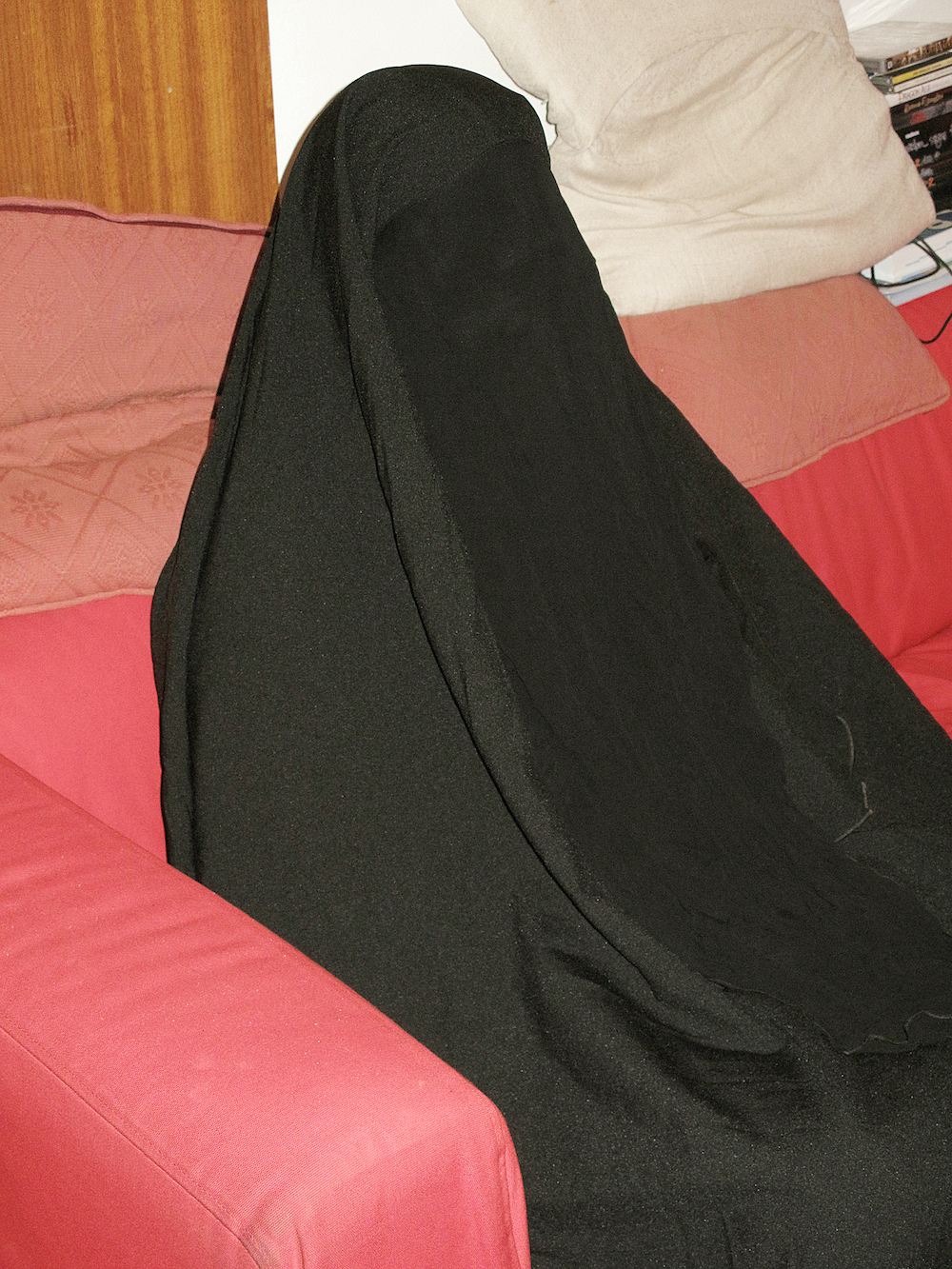
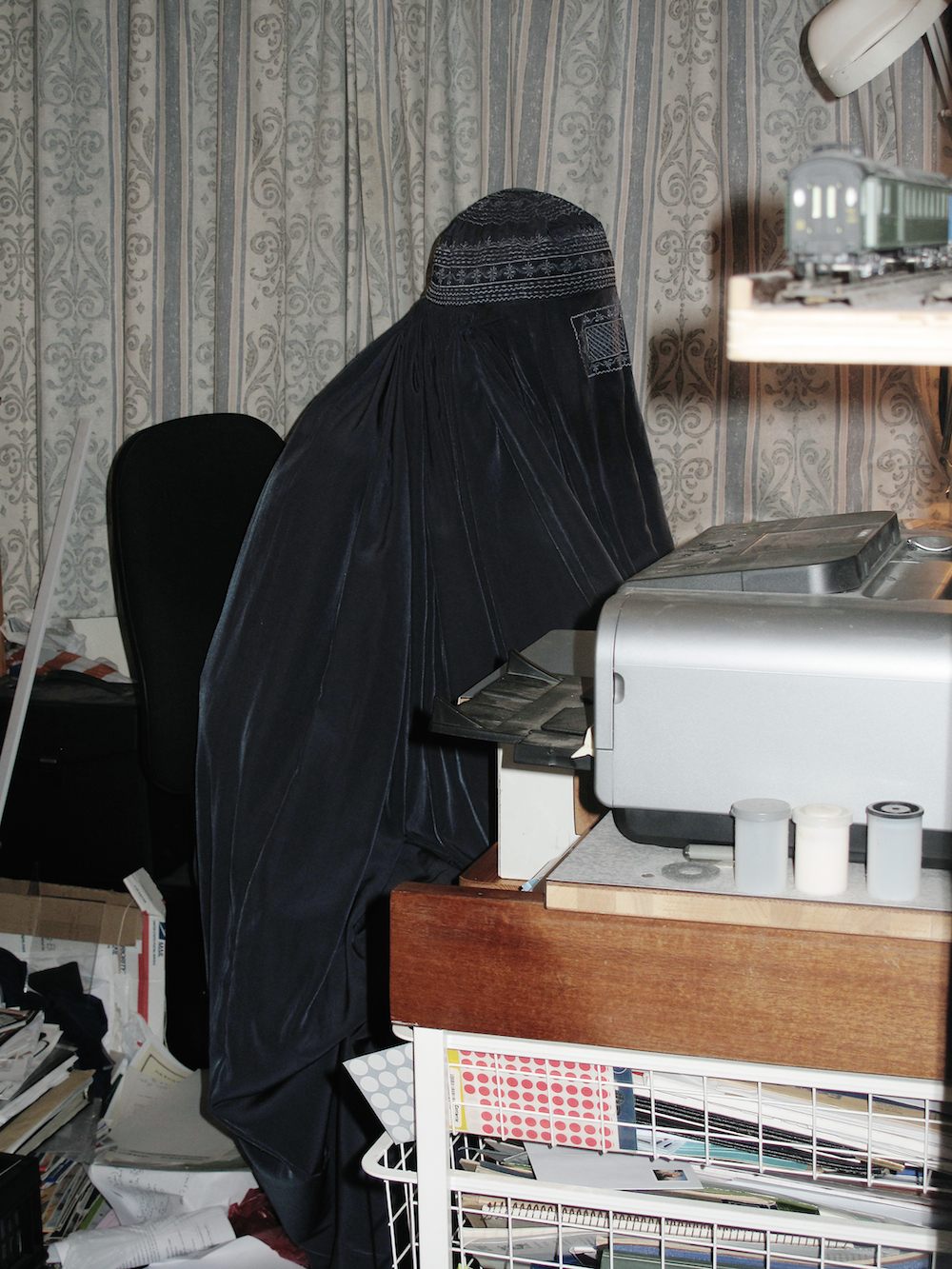
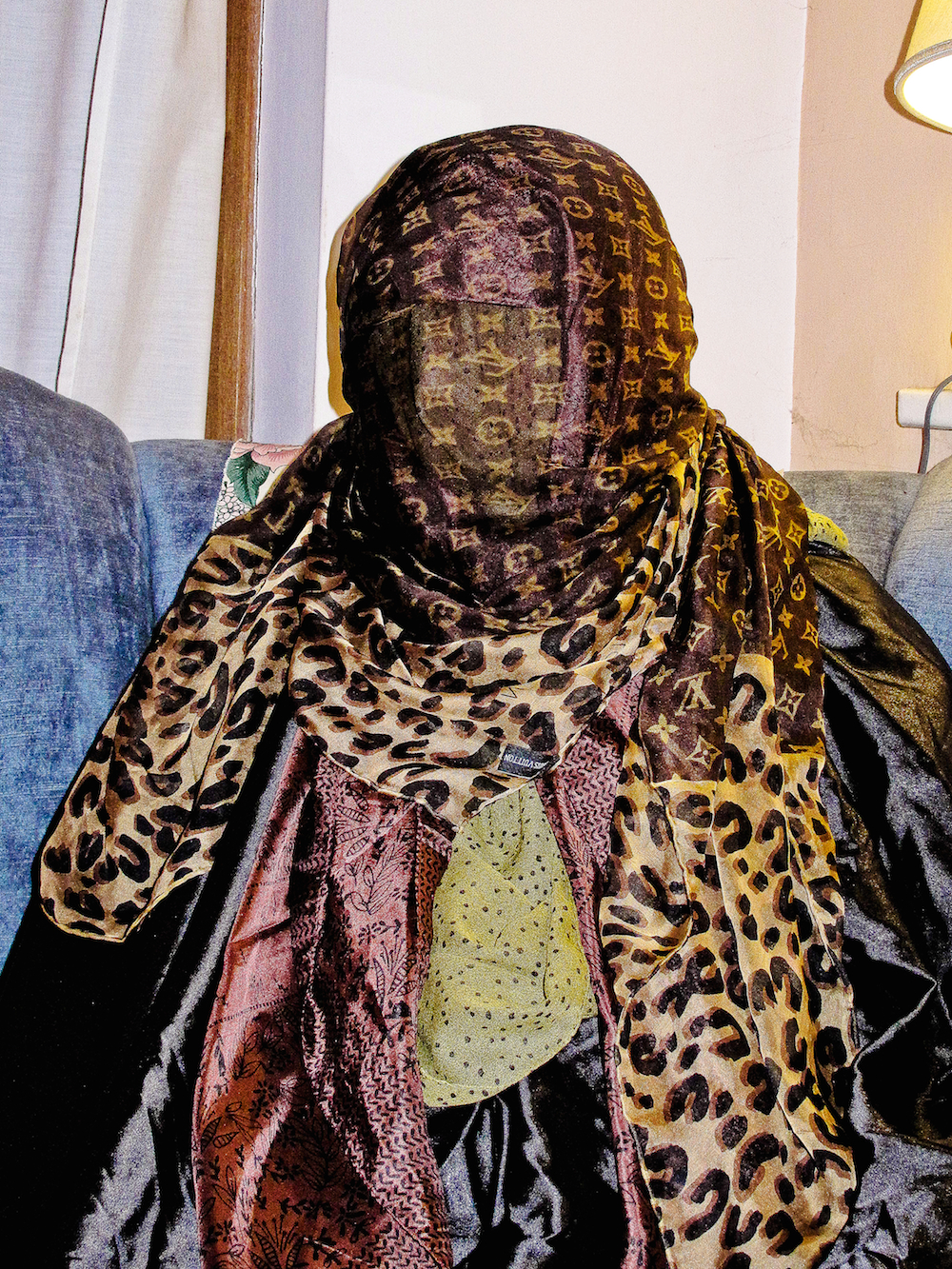
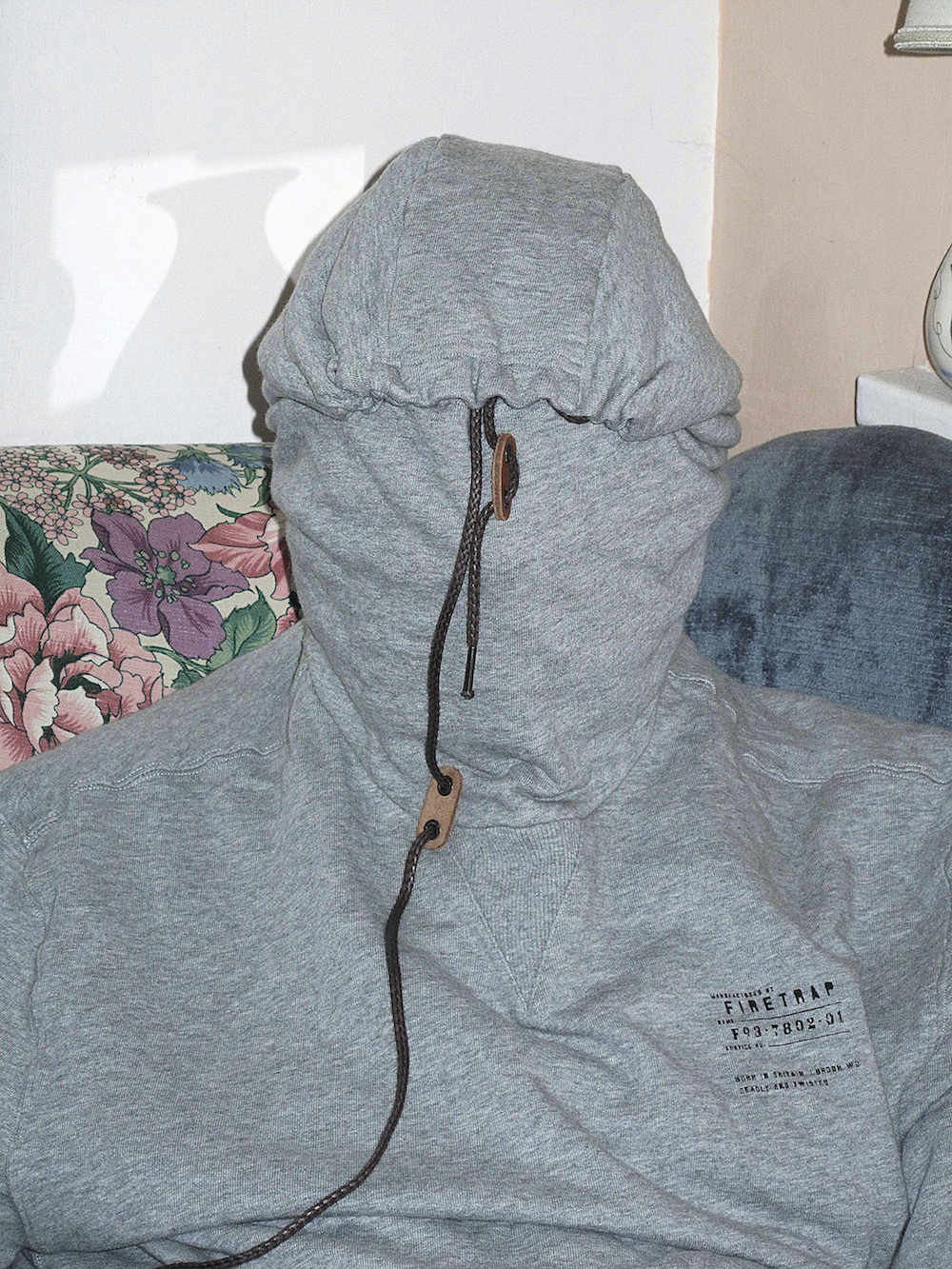
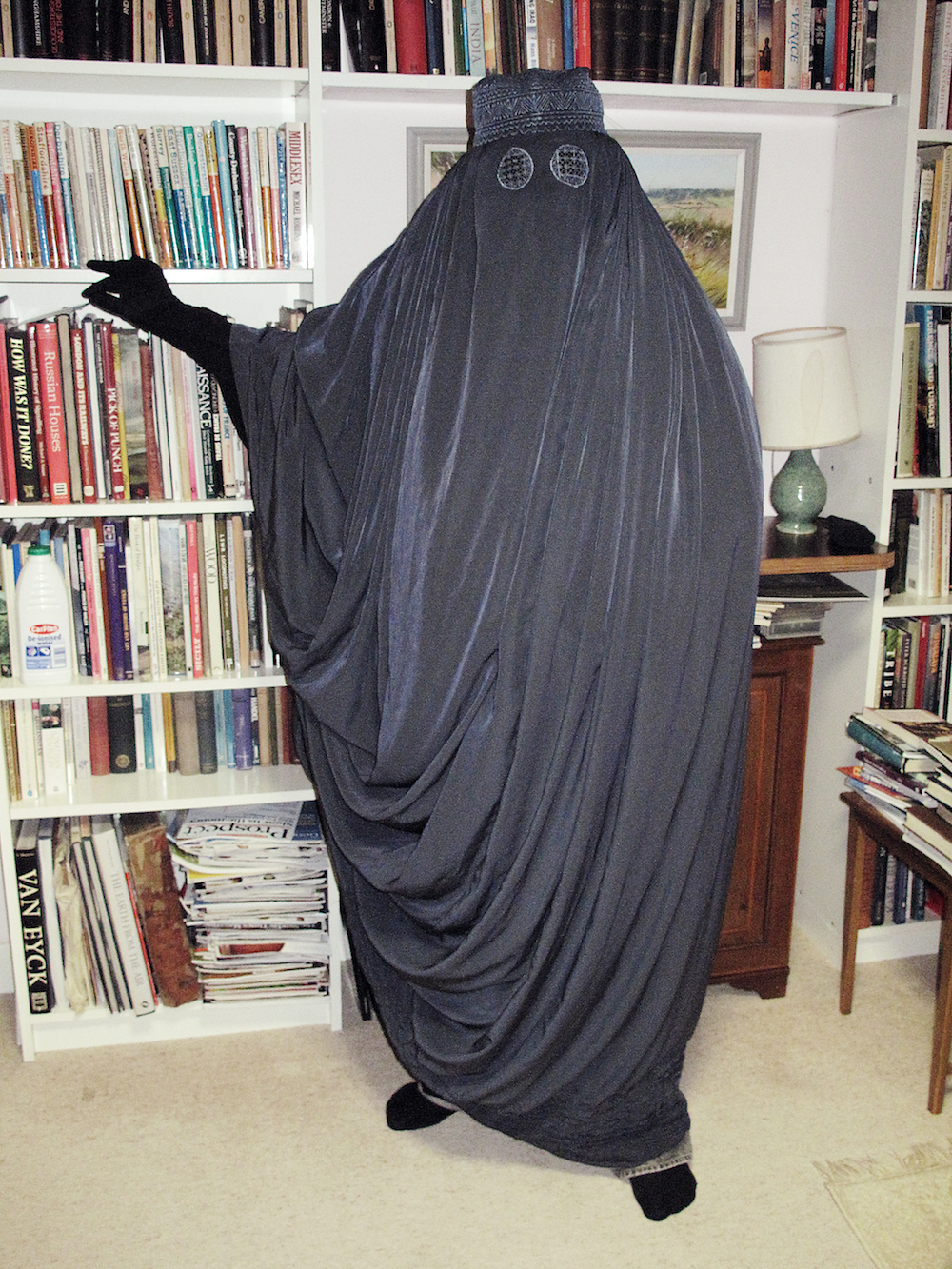
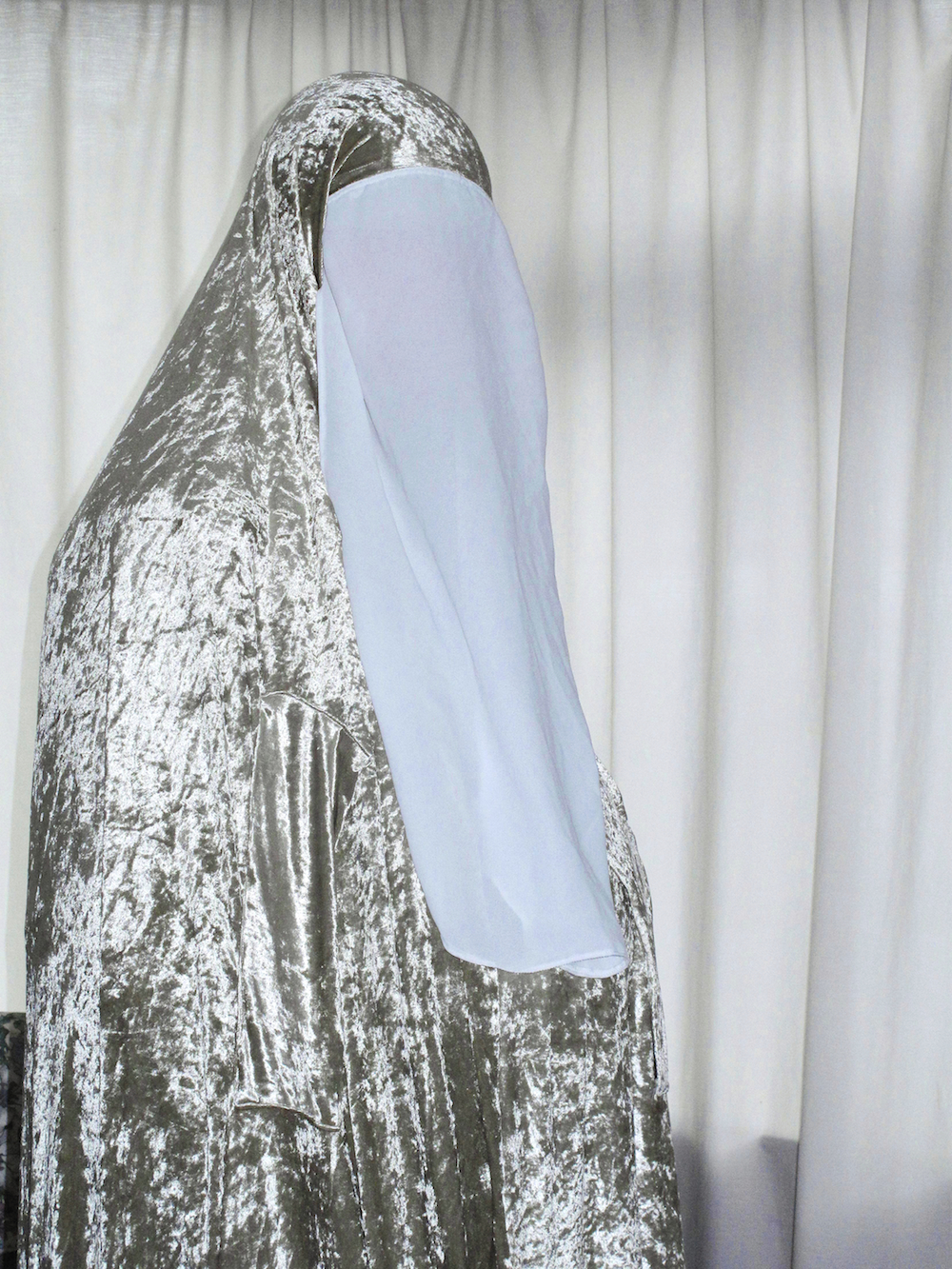
HERE PRESS has done it again; it has produced a book that allows us an irresistible glimpse into foreign space and psychology. 2041 is a collection of self-portraits, made by a man, donning makeshift burqas and niqabs, in his home in England.

The title 2041 refers to the name by which the man is known. “2041” made thousands of images with the express intent to share them online with fellow full-coverage enthusiasts.

2041

“Using the camera to articulate a passion he has secretly indulged for decades, the artist appears dozens of times without ever disclosing his image or identity,” says the HERE press release. “Long before 2041 bought his first real burqa online, he began crafting his own versions from draped and folded fabrics in a rich array of textures and colours … ranging from the traditional to the theatrical.”

2041 is part of a connected online community of men and women from across Western Europe and the Gulf States. They are Christians, Muslims and without religion.

2041

This is a gripping book and look into a world that cannot be fully known, nor can be fully verified. What is interesting, therefore, is that without identifiable subjects, the veracity of photography collapses. Or, at the least, we have to completely shift our expectations about what photography provides. The book 2041 is working on, and with, many levels. There’s a motivation by HERE to celebrate photography by revealing its limits and capacity. Despite a reliance on images to connect themselves, 2041 and his cohorts are inhabiting the unphotographable.

As such, 2041 is a playful but earnest exposé of the photographic medium as much as it is this small web of like-minded folks.

A similar type of mood persists in previous titles by HERE. Harry Hardie and Ben Weaver skirt the outer territories of our photo-landscape and delineate the edges. Edmund Clark’s Control Order House took us inside the ordinary domestic spaces of a terror suspect under house arrest. Power was described precisely by what was not photographed. Jason Lazarus’ Nirvana took us into grunge-infused personal histories; the photographs were just a foil to get subjects feting up about beautiful and traumatic pasts.

I, for one, am getting quite excited by HERE’s growing catalogue of ever-so-slightly-disconcerting photobooks.

2041

Between the internet and the veil 2041’s anonymity folds and billows. He remembers the enveloping cassocks and cottas he wore as a choirboy. As an adult, he moved toward total covering. In the early millennium, 2041 his bought his first computer and plugged into an online community that shared his passion.

“What almost all [of the people covering themselves] seem to crave is transcendence of the physical self – or at least being judged on the physical – coupled with the excitement of observing the world unseen, safely cocooned in luxuriant fabrics,” says HERE. “This is the burqa seen in a celebratory light.”

Naturally, I have lots of questions so I dropped Harry at HERE PRESS a line. He put me in touch with Lewis Chaplin who is co-founder of Fourteen Nineteen, but more importantly co-editor of 2041.

Scroll down for our Q&A

HP08-2041-press-1

2041

2041

2041

Q&A

Prison Photography (PP): Where did you first see and hear about 2041’s photographs?

Lewis Chaplin (LC): I first found these images almost four years ago, while researching emergent subcultures of fetishists/obsessives who were finding community and likemindedness through the internet. Many of these people use Flickr in particular to indulge in their private desires, and it was here that I found 2041’s images. I was struck by the rigidity, flatness and compositional skills that his images had. Compared to most who used the image more as a byproduct or vehicle to access their fetishes, 2041’s images seemed more like the images were performed for the camera and the camera only, for the sake of documentation, rather than for anything else.

PP: Is the book 2041 made in collaboration with the subject? If so, how did you make contact, build trust, ensure discretion?

LC: Yes, it is fully collaborative. Contact was made initially by Harry Hardie , who introduced himself as a publisher, and then I was bought into the conversation. I began a regular correspondence with him, which culminated in a face-to-face meeting and then visits to his house, where we collaborated and photographed each other, and I went through his image archives.

PP: Have all the pictures been verified? Can we know it is the same person under the burqas and niqabs in all the pictures? Does verification matter? Is not knowing something in absolute certainty one of the facets of the images and their use?

LC: I can verify 90% of them through their EXIF data, as we have had access to raw camera files. However, it is not necessarily the same person concealed. I think it is this lack of verification that is the titilating point of these images. Beneath the veil, your physical identity shrinks into a few gestures and outlines, and you can take on the form and countenance of another.

Even now there are images which Ben Weaver (HERE PRESS)  and I cannot decide whether they depict our protagonist or others. To be certain though – this form of image-making is a firmly social practice, one based around solid online and offline networks. A few images in the book give this away, and were you to find 2041 online you would find images of me concealed, for example.

2041

2041

2041

PP: Why did you want to make this book?

LC: Because I think that unlike many of the images made by people with strange interests on the internet, these images say something very complex about photography. What I like about these images is that there is that they are purely performative gestures – but yet they give nothing away. They reveal the presence of an individual, but not their likeness, or an accurate representation. Something about the concealment of desire, or the hiding of the true likeness of an object in these images actually feels like a very nuanced statement on photography, that at no stage in the process ever actually tries to use the camera to bear any details, or describe anything accurately.

PP: How many potential subjects and/or images did you have to choose from in making the book? What makes 2041’s images special — some aspects of aesthetics, or merely their availability?

LC: It wasn’t so much a matter of choice, more that these images asked for some kind of sequencing and exploring. There is definitely an aesthetic dimension of these images that is appealing – the composition and contrast between flatness and texture, the shapes are unlike others I have seen – and there is also a lot of time and effort that has gone into these. 2041 is also an actor, and a painter. You can see the influence of classical painting on some of his poses and crops. He is also akin to humour and self-deprecation, you can see it sometimes.

PP: 2041 wishes to remain anonymous. Obviously, as the editor, you’re a legitimate proxy to whom I can talk. I want to ask what 2041 thinks of the book?

LC: Let’s ask him once he has seen it!

2041

2041

2041

PP: What do members of the online burqa fetish community think? What do you think they might think?

LC: I don’t think it has made its way through to these channels, but I would hope that what they see here is that we are not trying to ridicule or pass judgement through our scrutiny. This book I hope comes off as a sincere tribute to photography being used in a genuinely interesting way that talks about self-perception, the way images are used on the internet and so many other things, through the prism of a very personal, domestic and specific application of the camera.

PP: Do we understand what the burqa is and what it does?

LC: In these images the burqa, niqab or any other Muslim garment is a means to an end in some way. You can see in some of 2041’s experimentations that it is just about complete coverage through any means. He is not wearing a burqa in most images, in fact. The removal of physical presence is the goal here – it is never about using the burqa in a subversive or political way.

PP: Thanks, Lewis.

LC: Thank you, Pete.

2041

2041, the book

170 x 240mm, 120pp + 6pp insert
72 photographs + 1 illustration
Offset lithoprint on coated & uncoated paper Sewn in sections with loose dust jacket
Foil title
Choice of 3 cover ‘photo insert’ cards
Text, illustration & photographs by 2041
Edited & designed by Lewis Chaplin & Ben Weaver Edition of 500.

EMAIL

prisonphotography [at] gmail [dot] com

Prison Photography Archives

Post Categories