okprison

Yesterday, I listened to Margaret Winter, Associate Director of the ACLU National Prison Project, describe the “living nightmare” on Mississippi’s death row in 2002. Her words were visceral and painted an image, but of course no images exist.

On that death row, cells had no power. Men languished in “perpetual twilight without enough light to read.” Radios were silent. Summer temperatures soared to a life-threatening 120 degrees fahrenheit. Year-round, mosquitos from the surrounding swamps filled the cell-tiers at dawn and dusk. No toilets worked. The stench was unbearable. Every sense was under constant assault. Prisoners’ shrieks, sobs and babbling filled the air. Suicides and self-harm were routine and the prison officers maintained order with the deployment of pepper spray. The majority of the prisoners had severe mental illness, and of those that arrived in the unit sane, few were lucky to have the strength of mind to remain so.

If an individual treats an animal this way, they’re punished by law and yet in America our law sends people to wallow in such conditions and worse.

Attorney Winter explained that court-orders often provide legal professionals access into prisons that the media has been denied access for years, even decades. Class action litigation alongside advocacy and responsible reporting all contribute to a reliable view of prisons for the tax-paying public. That such deplorable conditions could exist in America in the 21st century surely makes the case for robust and independent monitoring of America’s prisons.

Winter and ACLU only became aware of the abuse after they received letters from dozens of men on death row. As I listened to Winter’s account, I thought back to a day earlier when I’d asked the same audience to consider not only what images they see of prisons, but also the images they do not see.

OKLAHOMA

Right now, Oklahoma is making a case-study of itself. Under the orders of new Dept. of Corrections Director Robert Patton, Oklahoma prisons now allow journalists to enter only with pen and paper. Apparently, the OK DOC has been “slammed” by over a dozen media requests. Slammed!?!? How low is the bar? No cameras or audio recording devices inside Oklahoma prisons.

Unsurprisingly, Patton cites security reasons. Who are we to argue? What do we, the uninformed public know about security? The tone is patronising. A healthy relationship between the press which serves the public and the administrations in control of our tax funded institutions would make me feel safer. This stinks.

The Tulsa World reports that Patton believes that the requirement to search the camera equipment diverts staff resources and time. He also fears images of sensitive security equipment wouldn’t end up in photos or videos.

“It is very staff intensive to process this type of equipment in and out of a facility. More importantly, we need to ensure that any security function not be recorded or filmed in a way that may jeopardize the safety of our facilities,” says DOC spokesman Jerry Massie.

All of this smacks of an institution stretched, stressed and flailing. And indeed it is. The Oklahoma prison system is overcrowded. To add to the pressure, OK has the lowest levels of staffing of any state. Moral is low and pay is lower. Oklahoma has created a tumorous prison machine that does not rehabilitate but just churns up prisoners and staff and spits them out the other side.

No one is doubting Patton’s job is tough, but making adversaries of the press is not any type of solution. If anything he should be using the press more to expose the fractured department and broken lives he’s having to manage.

Unfortunately, some panicked lawmakers in Oklahoma think more private prison contracts are the solution. Private prisons use under-qualified staff, warehouse prisoners for longer, cut corners, and treat humans as commodity. They are based on efficiency models. Trying to make prisons more efficient IS the problem. Patton and Oklahoma’s only solution is to rely on incarceration less. Patton must establish community supervision programs for those prosecuted by law — they are cheaper and more effective.

I urge Patton not to listen to calls for extended privatisation and to put human needs ahead of budget needs. If he doesn’t, he’ll exacerbate the problem and fail the people of Oklahoma to whom he is (theoretically, at least) in service. By banning cameras and story-telling equipment, Patton will only succeed in alienating Oklahomans further.

This Tulsa World editorial hits the nail on the head: “This is no way to treat taxpayers who pony up a half-billion dollars annually to keep their prisons operating.”

FIRST HAND ACCOUNT

If I cannot convince you, perhaps a concerned Oklahoman might? I recently received this email from the loved one of a man imprisoned in Oklahoma.

“I’m aware that a camera inside, in the hands of a loved one, a visitor, is never going to happen. But journalism? Journalism is a must. I recently sent my loved one an article in print. It was about a prizewinning author who is incarcerated for life. The prison mail-guard and the contraband review board withheld that piece. Destroyed it. When I pressed, the reason given was that it contained a photographic image of a prisoner!

Photography is powerful. I imagine what my partner would capture if I could give him a camera — the haunted and defeated look in the eyes, the conditions inside the giant quonset hut housing 66 men in 33 bunk-beds.

Oklahoma has one of the highest incarceration rates in the country, and one of the highest uses of for-profit prisons. And now no one can take a photo inside? Dangerous stuff.”

This source asked to remain anonymous in order to protect her partner from any punitive response by the DOC.

Image: Seniors Walking Across America.

 

princetonposter

I’ll be partaking in the student-organised prison reform SPEAR Conference this weekend. If you’re in or near New Jersey think about stopping by. Some very knowledgable thinkers, doers, journalists and activists will be convening. Below is the program.

BUILDING A NEW CRIMINAL JUSTICE: MOBILIZING STUDENTS FOR REFORM

April 4-5, 2014
, Princeton University

Friday

1:00pm. Opening Address:
 Marc Mauer, Executive Director of the Sentencing Project.

2:15pm. Panel 1: Academic Research on Incarceration. Brings together academics from a range of disciplines to discuss their research on mass incarceration.

Emily Owens, Associate Professor, Department of Criminology, University of Pennsylvania
; Charles Loeffler, Jerry Lee Asst. Professor of Criminology, University of Pennsylvania.

Kiminori Nakamura, Asst. Professor, Department of Criminology and Criminal Justice, University of Maryland; 
Jill Witmer Sinha, Asst. Professor, Rutgers School of Social Work. Moderator: Imani Perry, Professor, Princeton University Center for African American Studies.

4:30pm – 6 pm. Panel 2: Alternative Approaches to Prison Reform. Exploring alternative approaches to prisoner education and reentry programs through arts, entrepreneurship, job training, and urban farming.

Bert Smith, CEO, Prison Entrepreneurship Program; 
Pete Brook, Writer-editor-blogger, Prison Photography; Francis Lawn and Diane Cornman-Levy, Roots to Reentry; Charles Rosen, Founder, New Ark Farms.

7:30pm. Film Screening – The House I Live In, followed by discussion with Eugene Jarecki, filmmaker; and Chris Hedges, Pulitzer prize-winning journalist.

Saturday

9:30am – 10:50am. Panel 3: Prison Education. Brings together various perspectives on prison education, ranging from participant, to teacher, to policymaker.

Terrell Blount, Mountainview Program graduate
; Fred Patrick, Director of the Pathways Project, Vera Institute; 
Max Kenner, Bard Prison Initiative.

11:00-12:00pm. Workshop A: Getting Involved. How to implement and improve educational programs between your university and local correctional facilities.

Jim Farrin, Executive Director; Petey Greene Prisoner Assistance Program; Jecrois Jean-Baptiste, Education Director, NJDOC.

Workshops B and C: In the Classroom. How to tutor effectively in prisons, with current/former students and volunteers.

Terrell Blount, Mountainview Program
; David Hammer, Petey Greene Prisoner Assistance Program; 
Sara Blair Matthews, Bucknell University
; Danielle Rousseau, Director, Boston University Prison Education Program; Jim Matesanz, Field Coordinator, Boston University Prison Education Program.

Workshop D: Reentry Programs. Discussing entrepreneurship programs and other reentry projects.

Dennis Porter, Founder, Prodigal Sons and Daughters; Bert Smith, CEO, Prison Entrepreneurship Program

1:30-2:50pm. Panel 4: Prison Advocacy

After learning about academic approaches and educational programs, what political steps can we take to make our voices heard and affect policy-makers’ decisions?

Liliana Segura, Editor, The Intercept, First Look Media
; Margaret Winter, Associate Director of the National Prison Project, ACLU Jeremy Haile, Federal Advocacy Council, The Sentencing Project.

3:00-4:00pm. Workshops E + F: Affecting Policy Change

How to campaign, lobby state and federal representatives, etc. Jeremy Haile, Federal Advocacy Council, The Sentencing Project; Margaret Winter, Associate Director of the National Prison Project, ACLU; Alan Rosenthal, Leadership at the Center for Community Alternatives; Scott Welfel, Staff Attorney and Skadden Fellow, New Jersey Institute of Social Justice

Workshop G: How to Make Your Voice Heard

How to use various forms of media and journalism in order to begin engaging and effective conversations.
Liliana Segura, The Intercept, First Look Media; Pete Brook, Prison Photography.

5:30 – 7:00pm. Closing Address: 
Jim McGreevey,
 Executive Director, Jersey City Employment and Training Program Jobs Former Governor of New Jersey

SPEARconference

tigerbeat

Photo by Tigerbeat. Used without permission.

On Sunday 16th March, I spoke at the Bearing Witness photo symposium organised by SFMoMA. The video is now online. I haven’t watched it. My love of talking is matched by my fear of hearing myself talk. After the event people said nice things. I don’t think my frantic back-and-forth across the stage put too many people off. It was the largest crowd to which I’ve presented. If you think I’m out of breath for the first 5 minutes, it’s because I am. I sprinted around the back of the auditorium during Erin O’Toole’s introduction to ensure I was stage left and not stage right, or stage wrong.

I’d like to thank Erin for extending the invitation to speak. Big thanks to Malia Rose who coordinated many of the details and kept things sane.

When you click through on this link, my talk What Can Photography Do For Prison Reform? is at the beginning of ‘Session 2.’ Also in the line up are Margaret Olin, Susan Meiselas, Zoe Strauss, Ben Lowy and Kathy Ryan.

1.davidandhisclan

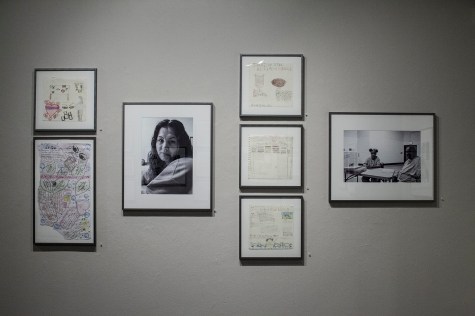
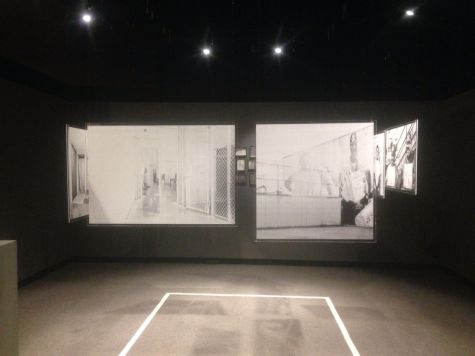
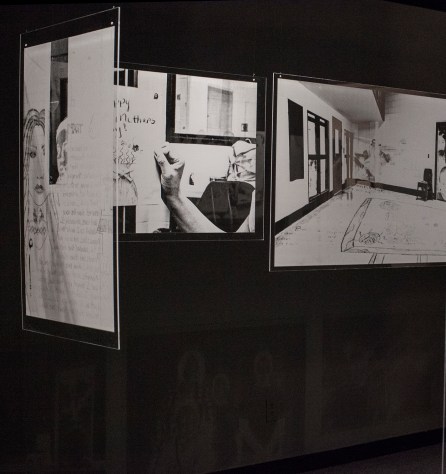
Jane Lindsay‘s exhibition From the Outside In: Sustenance and Time closes at the Northlight Gallery on the Arizona State University’s Tempe campus, this coming Saturday, the 29th. Try to make it if you can.

Lindsay has transformed the space with a multimedia installation of photographs and video within and around a modified jail cell and a dinner table. It’s intended to be an environment in which the discussion of complex and emotionally charged issues of safety, justice, civil liberties and social responsibility is supported.

9.angelaneishashamiah

The meditative space includes framed and light-box portraits, prison art and letters as well as the products from light painting and art workshops as well as extended discussion with prisoners at the Pinal County Adult Detention Center about food security, nutrition and agribusiness.

‘Why are they talking about food?’ you might ask. Well apart form the fact that nutritious food is not guaranteed in many U.S. prisons, food is a foundational part of Maslow’s hierarchy of needs. Lindsay believes a person’s ability to fulfill his or her basic needs of food, shelter and a sense of belonging directly influences their potential. Furthermore, if and when these needs are uncertain, teachable skills and coping mechanisms will either support positive development toward self-actualization or distort such development.

Lindsay is calling for balanced lives and balanced views.

(More of the project on Lindsay’s website here.)

1.a1900264_10201422310191544_2145986542_o

2.TheCellsustrenanceandtime

3.shadows

4.Shadows1

Lindsay’s work is replete with compassion. I had the pleasure to meet and speak with her in 2011. Out of that meeting, I invited her to exhibit her work Gems in my co-curated show Cruel and Unusual at Noordelricht Photo Gallery in Groningen, Netherlands. Lindsay is no bleeding heart liberal, though. She has a strong moral compass and her work ties issues of transgression and social ills to poverty and inequality. We need such complex appreciation of complex issues. She also has every excuse to be angry, afraid and vengeful. Some years ago, a close member of her family was brutally assaulted and the recovery for all was tortuous. It is likely still ongoing.

For Lindsay, the the judicial process that purports to hand down justice, was more trauma. The perpetrator was convicted, but the sentence gave Lindsay no peace. She saw that prison — in most cases — rarely addresses the underlying issues of poverty, mentorship, security and social inequity she identifies to be at the core of criminal behavior.

10.johannah13x19

To quote the press release, From the Outside In: Sustenance and Time employs the theme of the family meal to represent the sustenance both literally in the form of food and figuratively in the sense of belonging created within the community and within the home around the dinner table. Lindsay urges audiences to reconsider the roll of the family and civil society as well as definitions of victim and perpetrator.

Lindsay worked as a Licensed Professional Counselor for 15 years in Texas. Her clients included victims and people who were on parole and probation. Since returning to college as a mature grad, Lindsay has pursued art that tackles education, mutual respect and responsibility. Crucially her work directly involves prisoners, families and even detention officers.

15.shamiahkids13X18

14.lauana

13.ben1feb1113x19

“By involving prisoners and their families in self-actualization through creativity, society is directly influenced, the outside world becoming a safer place for everyone,” explains Lindsay. “The inclusive nature of the project promotes agency of the prisoners, presenting them not just as subjects, but also as direct contributors to the telling of their story.

With the aid of Detention Officer Sandra Price, Lindsay developed the program to include 25 prisoners, both female and male, who were serving time accused of drug offenses, theft or violent crimes.

“A vast majority of our inmates behind bars have the skills and talents needed to succeed in life and pursue their dreams. Unfortunately, because they have committed a crime, their dreams were temporarily put on hold,” says Sheriff Paul Babeu in the Northlight Gallery press release. “When they are successful in society it greatly reduces their likeliness of reoffending.”

7.renesienaangela 8.neishashamiah

JANE LINDSAY

Lindsay received an MFA in photography from Arizona State University. She moved to Arizona from rural West Texas where she worked as a counselor, social worker and investigator. She has shown her work in several venues including, Texas Photograph Society, Buddy Holly Center in Lubbock Texas, Cooper Grand Hall in New York, Photoville in New York, Noorderlicht Photography Gallery, and North Light Gallery in Tempe, Arizona. Her short film “Dan’s Big Find” recently won the Arizona award in the Arizona International Film Festival. Jane teaches photography at Mesa Community College and she is a TA at ASU.

PHOTO TAPAS

From the Outside In: Sustenance and Time is exhibited as part of PhotoTapas, a statewide Arizona celebration of photography that involves the Center for Creative Photography in Tucson, alternative art spaces such as the Ice House in Phoenix, as well as ASU’s Northlight Gallery.

Ryan_flier

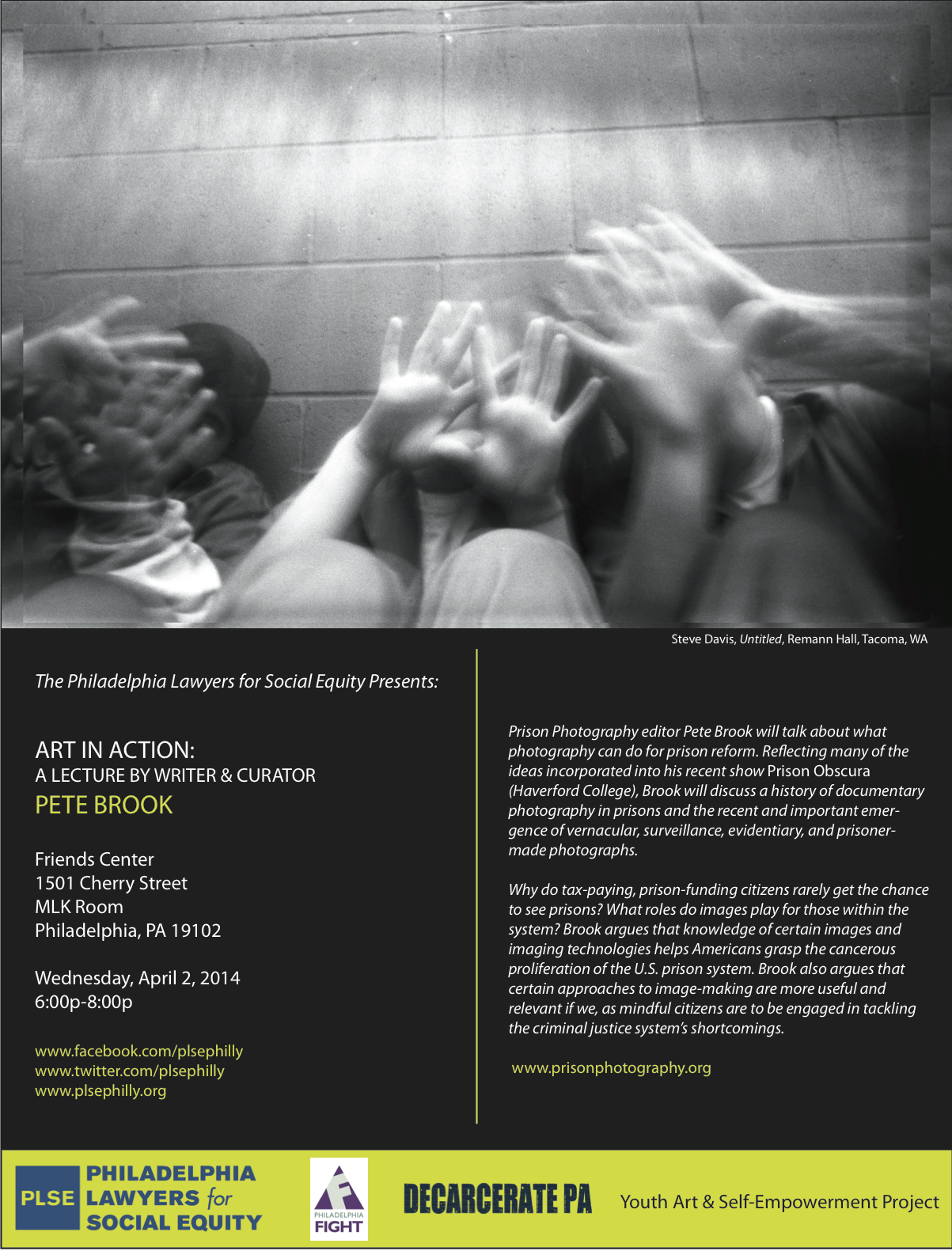
I am to deliver a lecture in Philadelphia on April 2nd. It is hosted by the Philadelphia Lawyers for Social Equity (PULSE) a wonderful group that advocates in many ways — one of the most impressive is with the pro bono Criminal Record Expungement Project (CREP). I’d like to introduce their work very briefly here.

Last time I was in Philly, I sat in on an expungement clinic. On that day, Ryan Hancock, civil rights lawyer and co-founder of PULSE, estimated they filed approximately 1,000 dockets to the courts to begin the expungement process for clients — that equates to approximately $100,000 in legal services. Done for free. In just three hours!

CREP clinics usually occur on Saturdays and are manned by banks of law grad students from a number of Philadelphia universities. Over the course of eight clinics, Hancock estimates PULSE has delivered nearly a million dollars of legal services.

THE NEED AND THE SYSTEM

A rap sheet includes non-convictions as well as convictions. One’s right to have non-convictions expunged from a record is statute protected but not by definition a constitutional right. Rules differ state-to-state.

Non-convictions included in databases perpetually hamper citizens from gaining employment and state services. Expungement should be a relatively straight forward filing but it can be expensive ($1,000+ legal fees per filing) and it is timely and bureaucratic with dockets moving very slow.

CREP challenges this in their very procedures. CREP has written and adopted a software program that generates the dockets automatically cutting out hours — even days — of labour. This means they can help a greater number of people in a shorter amount of time and it also means they are testing the system by which the dockets are filed.

By flooding the system, legally, with filings to which we all have legal right, CREP is testing Pennsylvania’s criminal expungement procedures. They monitor the progression of paperwork and identify bottlenecks in the system. The system will either break or it will adapt and achieve efficiency. Such a clever strategy.

For many of the CREP clients, the expungement process is the first time in their lives they can ask a judge to meet their statute protected rights. For many, they’ve experienced a legal system in which they have little to no agency and so for a majority the expungement process is the first time they ask a court of law to serve their needs.

Oh, and by the way, criminal record expungement helps all of society too.

Come say high! It’s a the Friends Center on 1501 Cherry Street, Philadelphia in the MLK Room from 6-8pm.

Black Bag Hanging

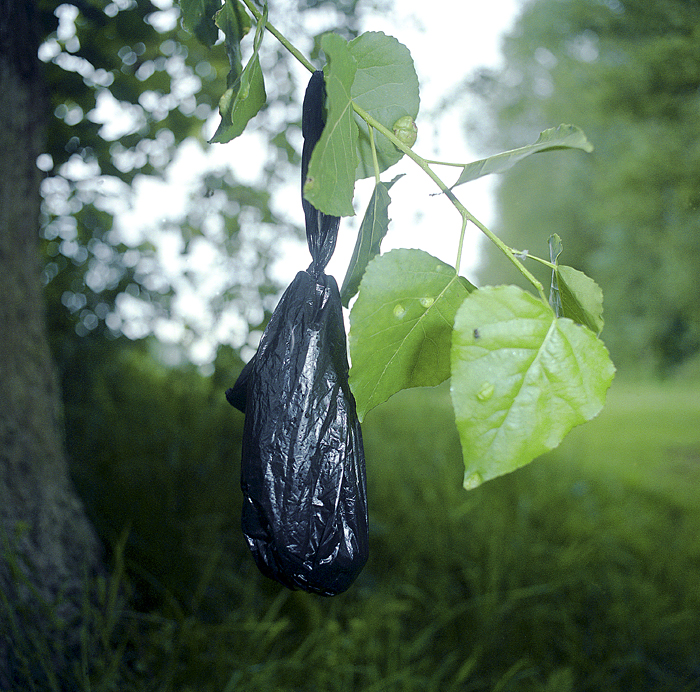
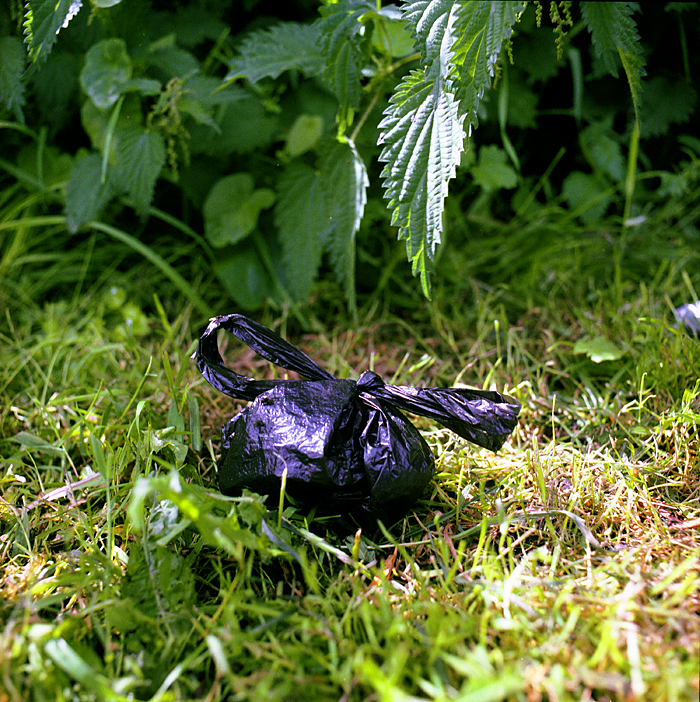
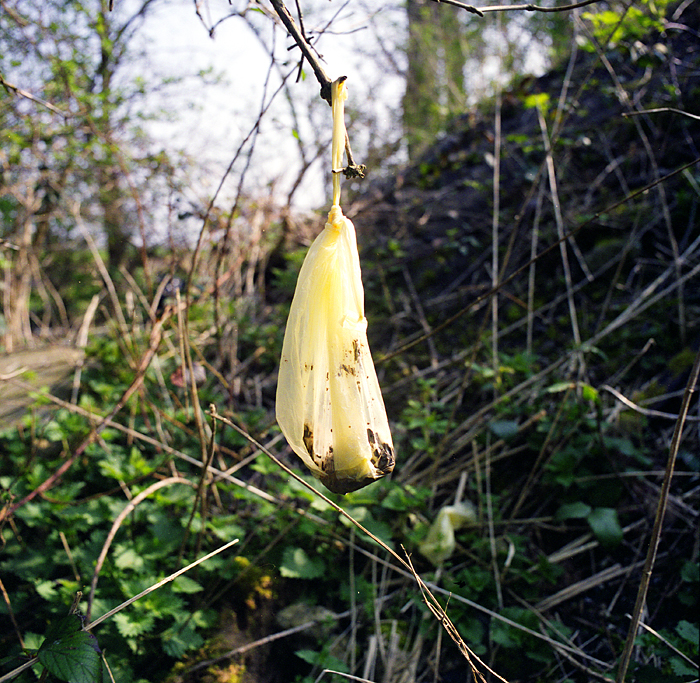
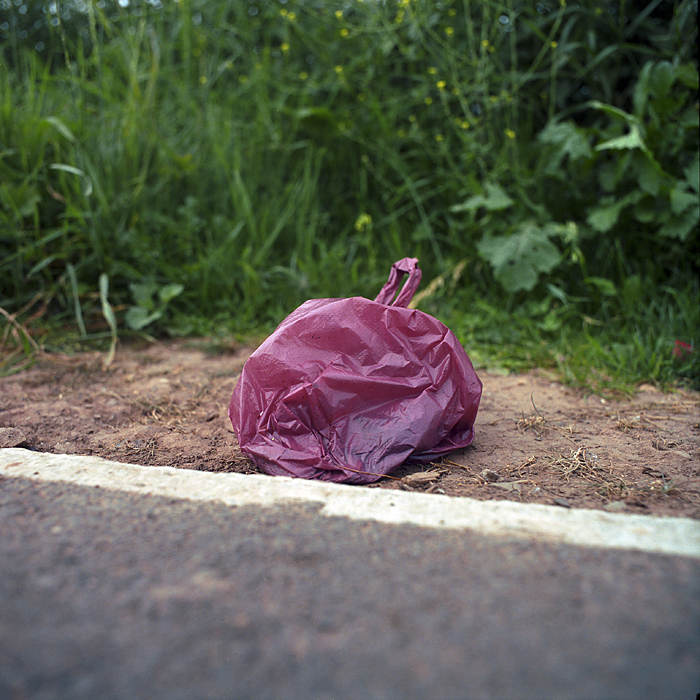
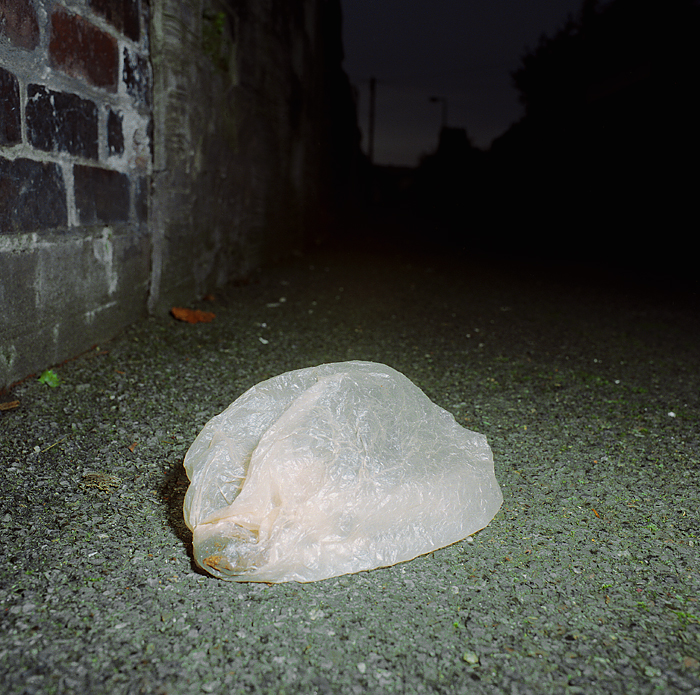
I’ve celebrated John Darwell‘s project Discarded Dog Shit Bags (DDSB) once before. Happy to note that the work is now available as a photo book.

DDSB is just about bonkers enough; it is left-field (in all fields, actually, and steaming) and DDSB proves there is a photo project for absolutely everything.

“I began to notice the appearance of dog shit bags,” explains Darwell, whose 2011 project chronicles the growing epidemic. “At first I spotted them tucked away in dry stone walls or behind said wall. But then they began to appear everywhere, hanging on fences and thrown into bushes. Anywhere they could be found they would be.”

Bousteds Bag

While seemingly silly and scatalogical, the project points to a real issue that many city-dwellers feel is out of control. Americans own 83.3 million pet dogs. In Europe, the figure is 60 million, including 8.5 million in Britain. Those big stats mean it only takes a small proportion of irresponsible owners to make an unsightly mess.

Darwell’s not showing anything that the vast majority of people haven’t seen before — and it’s the familiarity with the images that calls attention to the problem. In the past, Darwell has documented other environmental issues, including various nuclear sites, like Chernobyl, but when he’s not been working on long-term projects he’s been at home in rural Cumbria, England, walking his dogs.

“The local parks became particularly troublesome but even beauty spots were not immune,” says Darwell. “Why go to the trouble of bagging your pooch’s poop to then simply chuck into a bush or hang on a railing?”

Orange Bag

Green Bag Draped

Bag With Light

Black Bag in Thorn Bush  Christmas Pudding Bag

For Darwell, the whole affair has descended into a turdy farce with no behavioral logic.

“I photographed the same dog shit bag twice, a year apart and it still hangs in exactly the same place! There is a move to encourage people to use biodegradable poop bags. So the owner bags the poop then hangs it in the tree, the bag biodegrades and the poop falls to the ground where it was originally. Do you then re-bag the poop? The more you think about it the more insane it becomes.”

Even “dog wardens” in Darwell’s local park haven’t been able to curb the madness.

“They watch dog walkers through binoculars to make sure they bag the poop … but they don’t watch what then happens to the bag.”

Flinging bags of poo tends to be something dog owners try to do unobserved. For all his poop stalking, Darwell has only once witnessed a dog owner chuck a bag away, and it wasn’t the type of person you’d expect. “It was a little old lady,” says Darwell. “She chucked it in the river! I was gobsmacked.”

On that occasion the log floated out of sight and out of mind, but another time Darwell spotted a bobbing bagged doo-doo and chased it down. It was like that plastic bag scene from American Beauty but instead of airborne, Darwell’s polyethylene muse was half-submerged and struggling to keep its turtle head above the surface. “I was amazed it floated,” he says.

Dog Poo Bag By Bridge

Twin Bags

UK citizens aren’t the only ones walking alongside their four-legged friends straight into a canine-gut-stew-terror. On an Australian beach, Darwell found himself surrounded with yellow dog poo bags. In Germany, the bags are red, but you see fewer of them, as the Germans provide more bins, says Darwell, who has extended his stool survey internationally.

The British are, on available evidence, a resourceful bunch using any plastic sheaths they have at hand — nappy bags, shopping bags, etc. But for Darwell, all of this is just doubling the problem, not containing it. He wonders if leaving it to biodegrade might be a better solution. “Yes, I know there are, or can be, serious health implications, but then the poo would disappear in a matter of days,” he says.

This universality of bagging and discarding hit home when a magazine editor in Seattle asked Darwell to stop by his office to discuss his pictures. The editor was amazed to find out Darwell was from England — he thought he recognized the bags from his local park.

Home or away, DDSB has clearly struck a chord with folk. Laughably, often it is a conversation starter for Darwell.

“It’s amazing how many people now say, ‘John, I saw a dog shit bag yesterday and immediately thought of you.’”

Darwell has pinched this particular series off but his fecal fascination has not entirely run its course. He may follow through with a different angle.

“I notice a lot of people walking along with the tell-tale bag hanging from their hands vainly looking for a bin to dispose of the offending item,” says Darwell. “I’ve toyed with the idea of developing a new body of work of portraits of people carrying bags.”

The book DDSBs is now available through mynewtpress in signed and numbered limited editions.

John Darwell was part of the group show Confined (2011) at Bluecoats Gallery in Liverpool, the catalogue for which I wrote the foreword.

Hanging Yellow Bag Magenta Dog Poo Bag

Back Alleyway Bag

All images: John Darwell

© Aaron Lavinsky

PREAMBLE

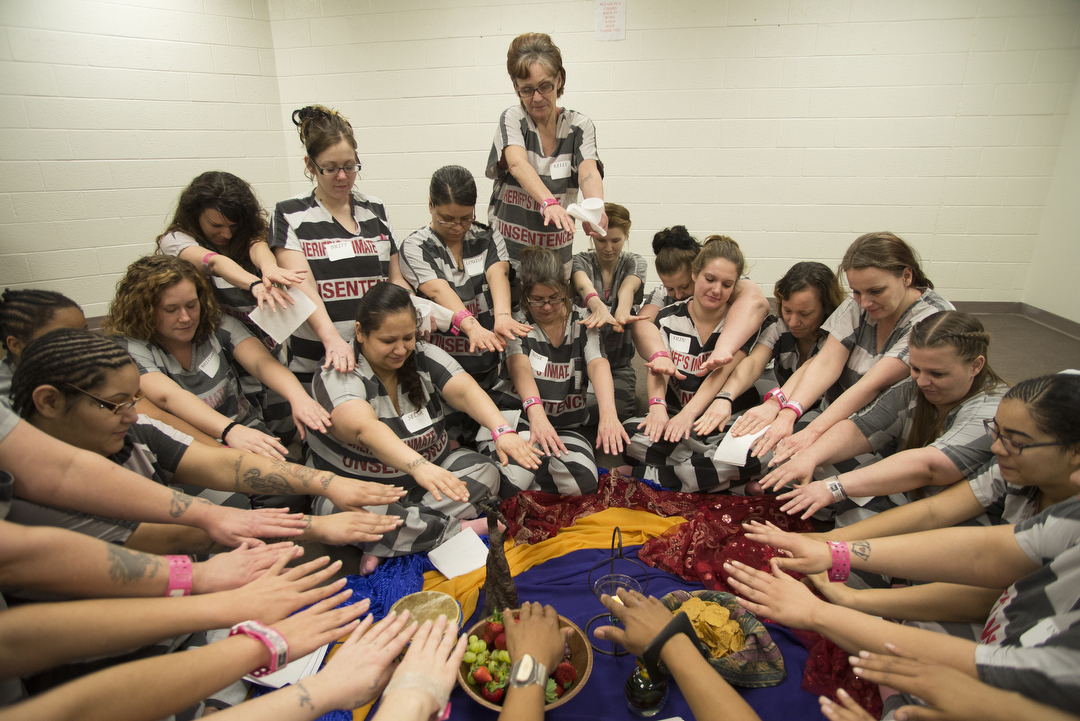
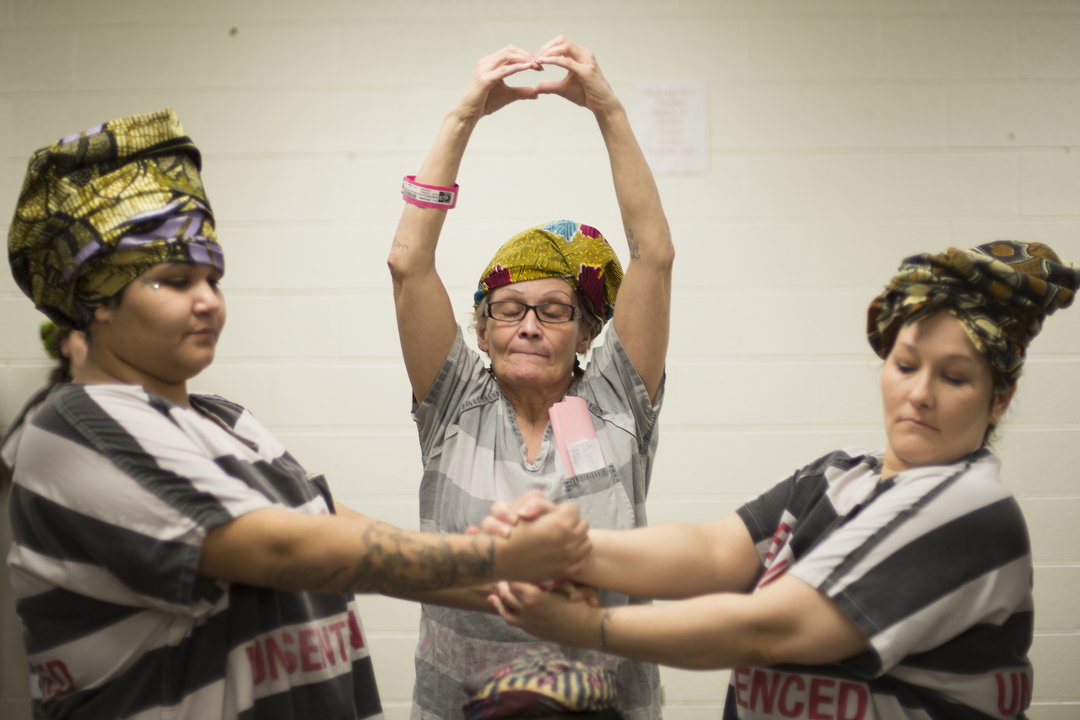
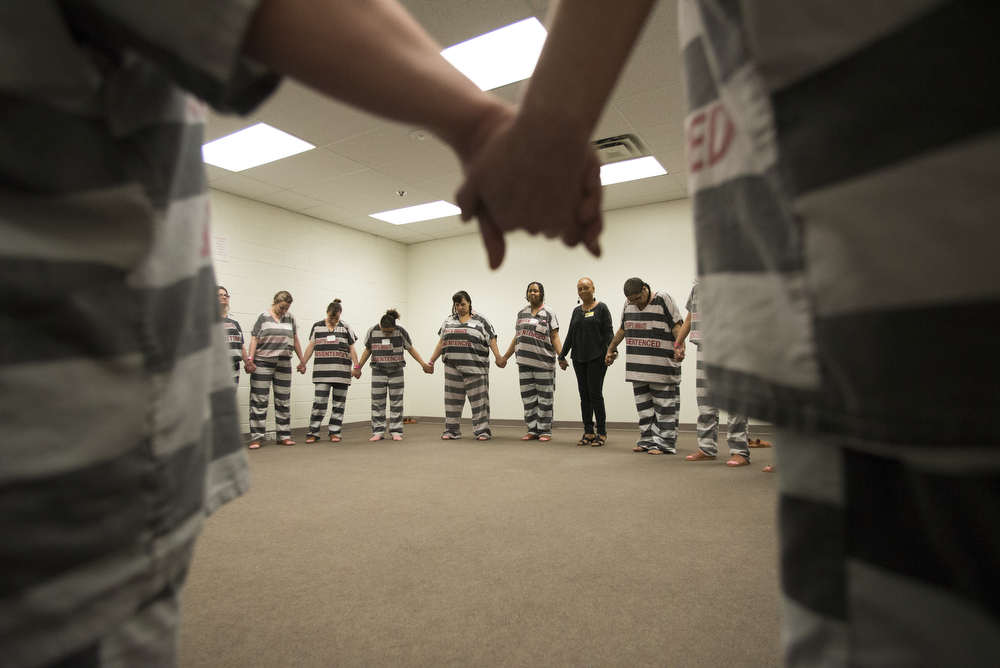
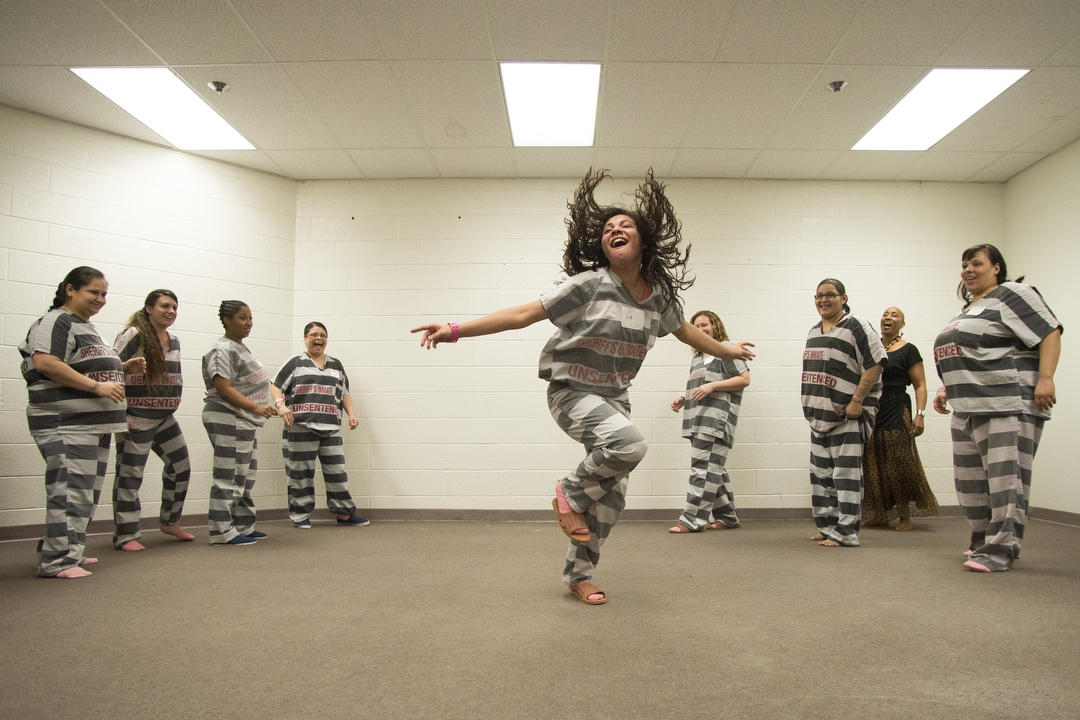
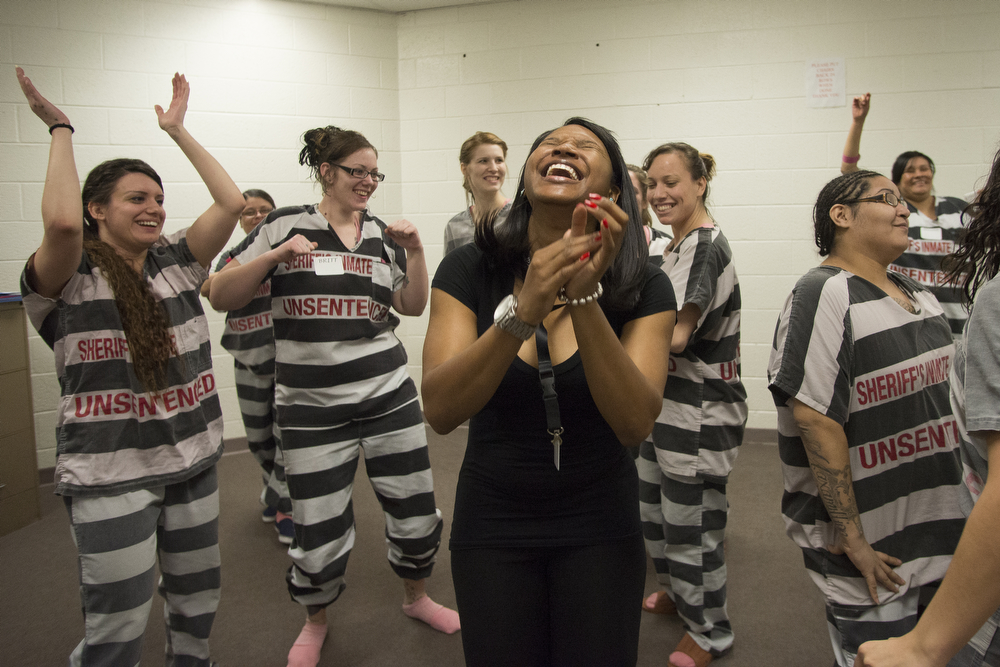
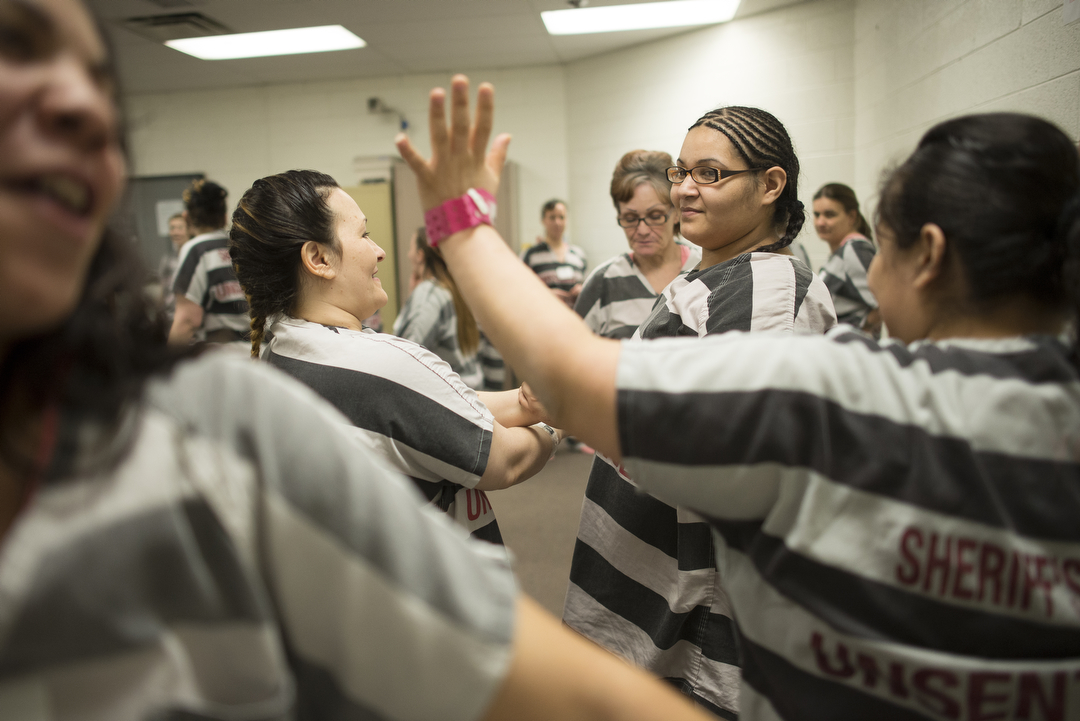
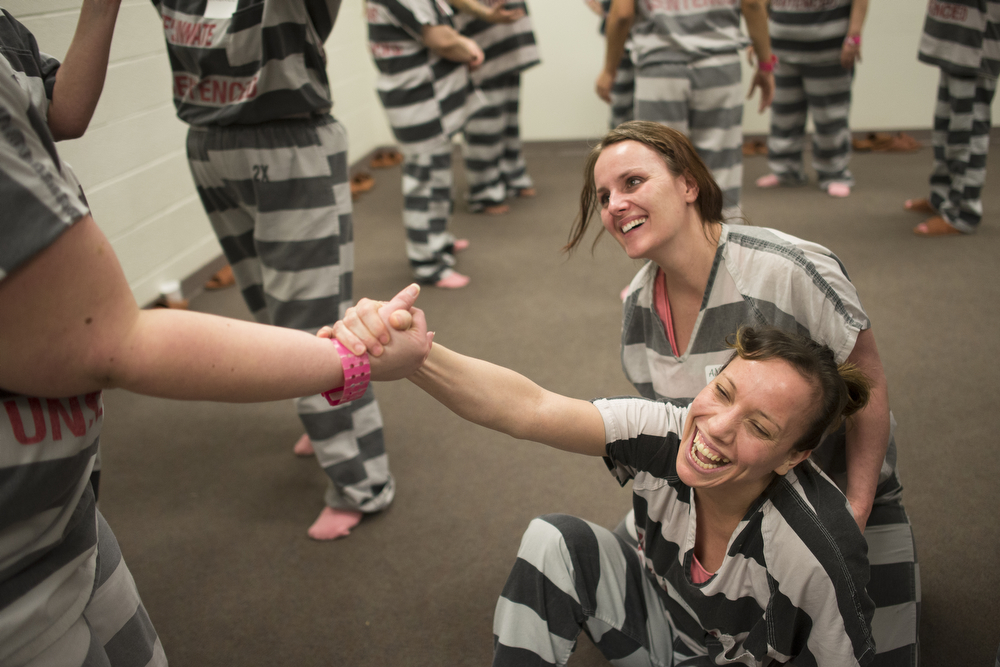
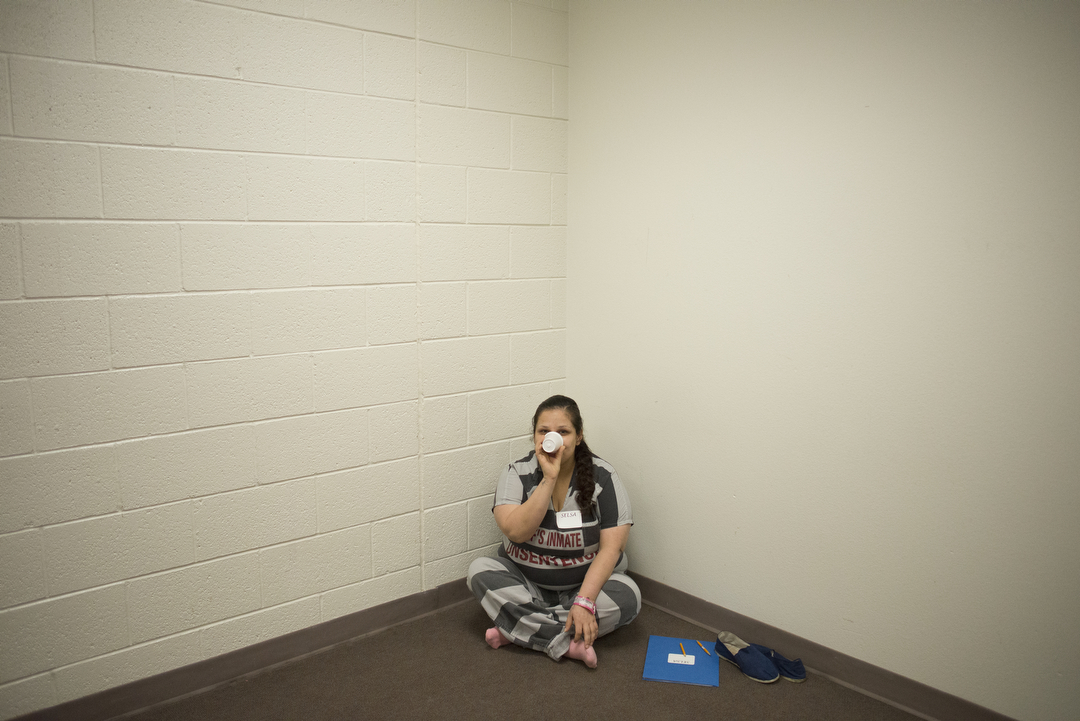
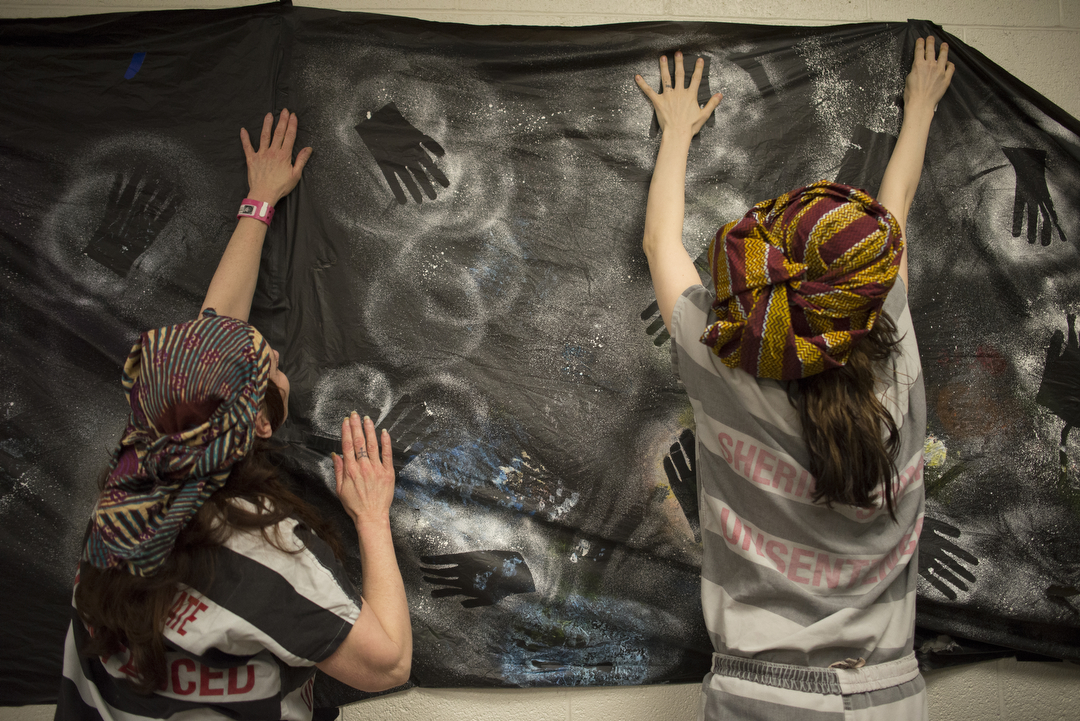
For 12 years every spring, women incarcerated at Estrella Jail in Maricopa County, Phoenix, AZ, have convened to create, prepare and perform a theatre production. The six-week program —  that culminates in a public show — is called Journey Home.

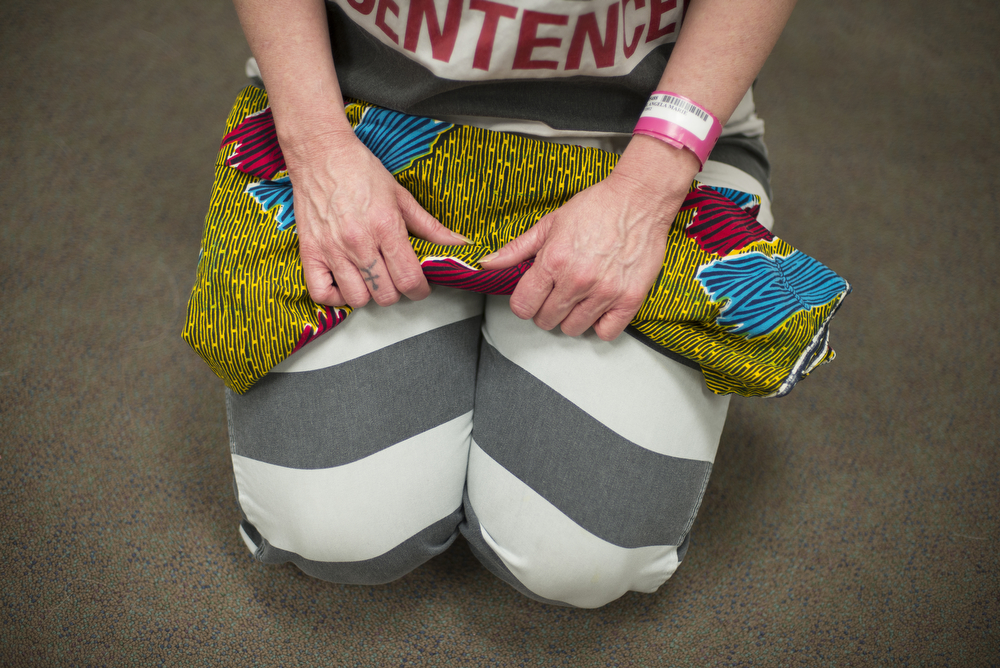
Photographer Aaron Lavinsky, now based in Grays Harbor, WA, was in attendance for the finale 2012 performance and photographed it for The State Press — the Arizona State University (ASU) student paper. Not satisfied with only a single afternoon’s access, Lavinsky decided to return in 2013 to document rehearsals and to dig into the personal stories of two participants. It is Lavinsky’s photos from Feb/Mar 2013 presented here.

The Journey Home program adopts a different theme each year, but in every case attempts to “enable women to discover a personal sense of constructive identity through movement, visual arts, creative writing and storytelling.” Journey Home is made possible through efforts of committed instructors (in 2013 by storyteller Fatimah Halim; movement specialist Teniqua Broughton; psychotherapist Imani O. Muhammad; and others) and supported by sponsorship from the ASU Herberger Institute for Design ant the Arts.

© Aaron Lavinsky

Estrella Jail, under the administration of controversial Maricopa County Sheriff Joe Arpaio presents itself as a case-study of contradiction for us if we are to be responsible consumers of images. Lavinsky’s pictures are hopeful but the carceral backdrop to them less so.

Arpaio has been pursued by the Federal authorities for unconstitutional jail conditions and racial profiling. Arpaio’s use of striped uniforms and pink underwear serves to both manipulate visual readings within the public sphere and to humiliate prisoners. If you need anymore convincing that Arpaio is a special case, look no further than his questioning of President Obama’s birth certificate (although it could just as easily be a calculated publicity stunt).

I’ve written before about how Arpaio’s jails may be the most photographed of any jails or prisons in the nation. His facilities are a media circus often.

Before we get into the Q&A with Lavinsky, I think it is worth us bearing in mind two things — 1. Journey Home is a laudable, but not necessarily typical program. I mean, what happens the other 46 weeks of the year for these women? And 2. All of these women are wearing uniforms branded UNSENTENCED. This means each woman is  awaiting trial; in the eyes of the law, they are not guilty. It might also mean they are kept incarcerated because they can’t meet bail. Everyday, tens of thousands of people wallow behind bars because they are too poor to afford bail. I don’t know what proportion of Maricopa County prisoners are in such a penury situation as bail differs county to state; and judge to courtroom.

Instead of spending too much thought on Arpaio as overlord-to-one-of-America’s-most-shameful-systems-of-detention, I think it’s more responsible meditate on the successes of the women when viewing Lavinsky’s images. And, of course, to hear Lavinsky’s first hand observations.

Scroll down for the Q&A.

© Aaron Lavinsky

© Aaron Lavinsky

© Aaron Lavinsky

Q&A

Prison Photography (PP): Why this story?

Aaron Lavinsky (AL): Journey Home presented enormous potential, but I wanted to go beyond the one-hour performance performed for the public. In 2013, I was interning for the Arizona Republic and looking for a story that could push my abilities as a visual journalist. I decided to cover Journey Home again, but with extended access. I visited back and forth for a month during classroom sessions, the performance, and then follow-ups with two women around whom the story  was centered.

PP: Do theatre and dance workshops such as this occur regularly at Estrella jail?

AL: Not to my knowledge. Journey Home is an annual workshop and while there are other classes, they are more geared toward substance abuse counseling. I’m sure there are elements of creative expression but not on the same level as Journey Home.

PP: As this is a county jail, I anticipate these women were serving relatively shorter sentences. What sort of transgressions were these women locked up for?

AL: Most of the prisoners in the program were there for substance abuse related crimes, which is the case with most prisoners at Estrella. Some of them were serving short sentences while others were waiting for or in the midst of trials that could send them to prison. Both the prisoners I focused on, Renata F. and Robina S. were facing prison sentences of 1-3 years if convicted. Because of their pending trials, I was unable to publish their full names which was one of the stipulations of covering the program.

PP: I’m gripped by the wide smiles in your photos. The women seem to be in the midst of huge enjoyment and heartfelt emotion. Such animation is rare in prisons and jails and rarer still in photographs of prisoners.

AL: I think photographers, for most prison and jail stories, try to illustrate how rough incarceration can be for those inside. I’ve had to make “prisoner behind bars” type photos before for other assignments and they kind of all feel the same looking back. Journey Home is unique in that there is a genuine sense of happiness and camaraderie among the women. I imagine that jail is extremely stressful and Journey Home gave these women an opportunity to let their guard down and be people, not just prisoners.

© Aaron Lavinsky

© Aaron Lavinsky

© Aaron Lavinsky

PP: Did you meet Sheriff Joe Arpaio?

AL: I’ve met and photographed Sheriff Joe a number of times. There is definitely a cult of personality surrounding him in Phoenix and beyond. You see it right when you walk in to Estrella with a portrait of him hanging high on the wall — just out of reach to those hoping to deface it.

Last summer, I photographed Tent City’s 20th anniversary and the entire thing was a bit of a set up. As Arpaio spoke to the media, there were about 30 or 40 prisoners lined up behind him smiling and gesturing to the camera. He served prisoners cake, coffee, candy cigarettes as well as home living magazines with false Playboy and Hustler covers on them. He kind of just let photographers and videographers walk around and shoot whatever we wanted. Arpaio, however controversial he may be, is a smart guy and he knows that we’re on a 24-7 news cycle and if he invites us, we’ll probably show up.

I definitely knew exactly what I was going into whenever I stepped foot in the jails in Phoenix. That being said, certain programs like Journey Home and ALPHA, a drug prevention and counseling program, are genuinely there to help prisoners and aren’t just for the cameras.

PP: What were the women’s thoughts on the jail? How was it serving their rehabilitation, thinking, emotions, family life etc.?

AL: Jail is a rough experience for just about everyone there — prisoners and guards. Nobody I spoke with had particularly nice things to say about their experiences at Estrella. It separated them from their family, homes and freedom. I spoke with one woman in 2012 who was thankful for her incarceration, since she was on a downward spiral with alcoholism, but I got a sense that she was appreciative more of her forced separation from alcohol than with the jail’s rehabilitative resources.

The prisoners really did love the workers who came in to lead workshops like Journey Home. Fatimah, Teniqua and Imani were the leaders of the program and I have no doubt that they made positive, lasting influences in the lives of some of the women who were more engaged in the program.

© Aaron Lavinsky

© Aaron Lavinsky

© Aaron Lavinsky

© Aaron Lavinsky

PP: Was the Estrella Jail Rehabilitation through the Arts program successful?

AL: I think any program, which seeks to positively influence the lives of prisoners instead of simply punishing them, is on some level successful. Something isn’t working since there are more people in the system today then ever before. Any attempt to decrease the odds of people ending up back in jail or prison is a step in the right direction. One of the complaints I received though is that the program was only 6-weeks long. If it’s going on its 12th year, they must know that it’s successful. So why not extend the program for women who are showing positive signs? Or create other programs like it for the vast majority of prisoners who didn’t have the opportunity to take part?

PP: What were the women’s reactions to you and your camera?

AL: At first, there was a ton of camera awareness. Most people aren’t used to having their picture taken by a photojournalist so their first reaction is to smile for the camera. Some of the girls were a little flirty when I pointed the camera in their direction too. By the second day there, I was a complete fly on the wall and was able to move in close without getting stares and smiles in every photo. They seemed thankful that I was there telling their story and covering the program.

© Aaron Lavinsky

© Aaron Lavinsky

© Aaron Lavinsky

PP: What was the staff’s reaction to you and your camera?

AL: Highly professional. I had very good experiences with the staff at Estrella and they didn’t seem to mind me taking their photos one bit. The jail staff were barely interacting with the women when I was there working other than to transport them to and from the classroom we were all in. They seemed to understand what I was trying to do and respected my right to be there taking photos.

PP: Anything else you’d like to add?

AL: Having the opportunity to photograph and observe Journey Home was an eye opening experience. I’m thankful that I was able to document one of the positive initiatives that our penal system is pursuing toward helping prisoners so they don’t make the same mistakes again. I just wish that there were more programs like it and more options for prisoners other then being locked up for a pre-determined period of time, especially for drug offenses. I’ve had enough experience dealing with people with substance abuse issues to know it’s a disease, and should be treated like one to a reasonable degree. I don’t think anyone in there really wants to be addicted to meth or pills or alcohol. I wish the government did more to help people with drug problems instead of just locking them up. It’s not working.

PP: Thanks Aaron.

AL: Thank you, Pete.

© Aaron Lavinsky

BIOGRAPHY

Aaron Lavinsky is an visual journalist based in Grays Harbor, Washington. He is currently a staff photographer at The Daily World in Aberdeen and produces daily and long form photo and multimedia stories. Lavinsky’s work has appeared in The Seattle Times, The New York Times, National Geographic, USA Today, The Los Angeles Times, The Washington Post, The Denver Post, The Miami Herald, The San Francisco Chronicle and others. Find him on Tumblr, Facebook and Twitter.

18

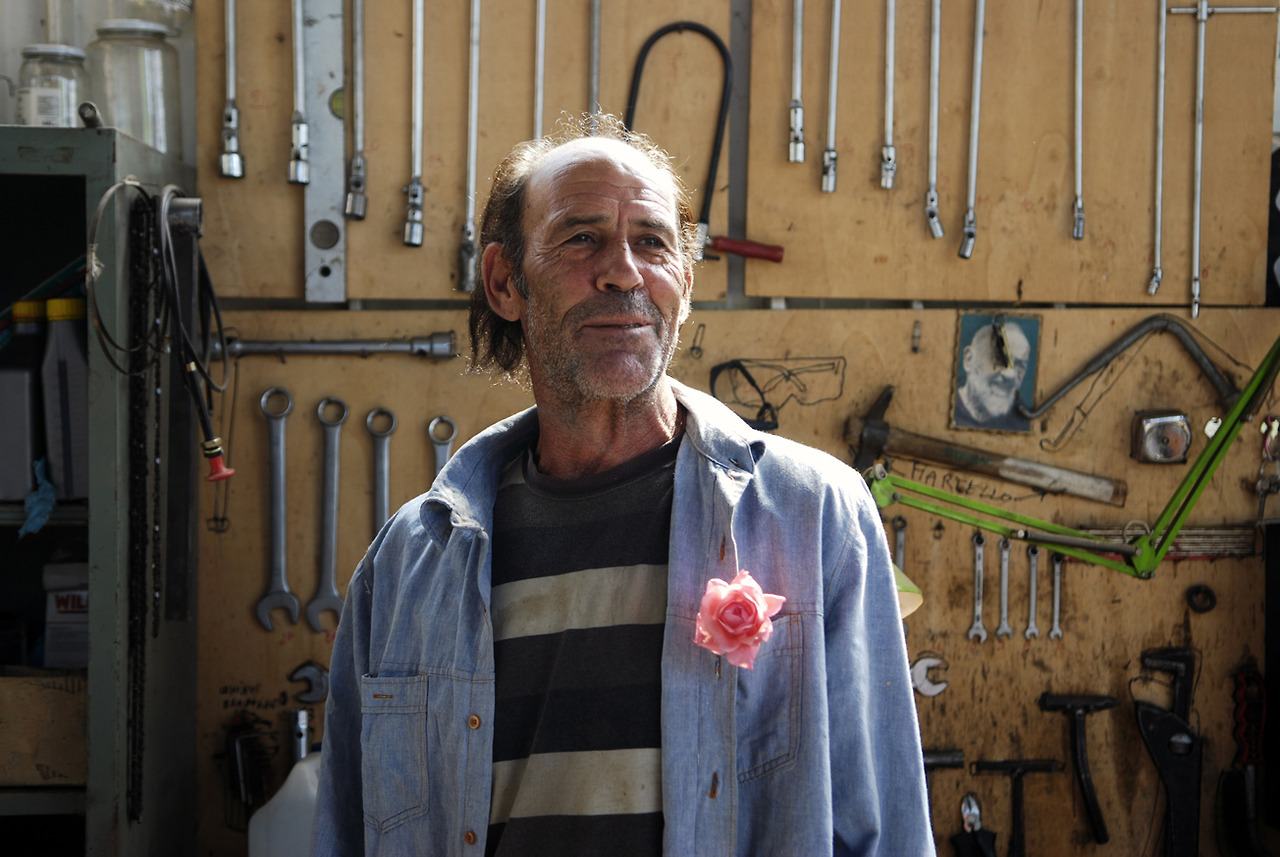
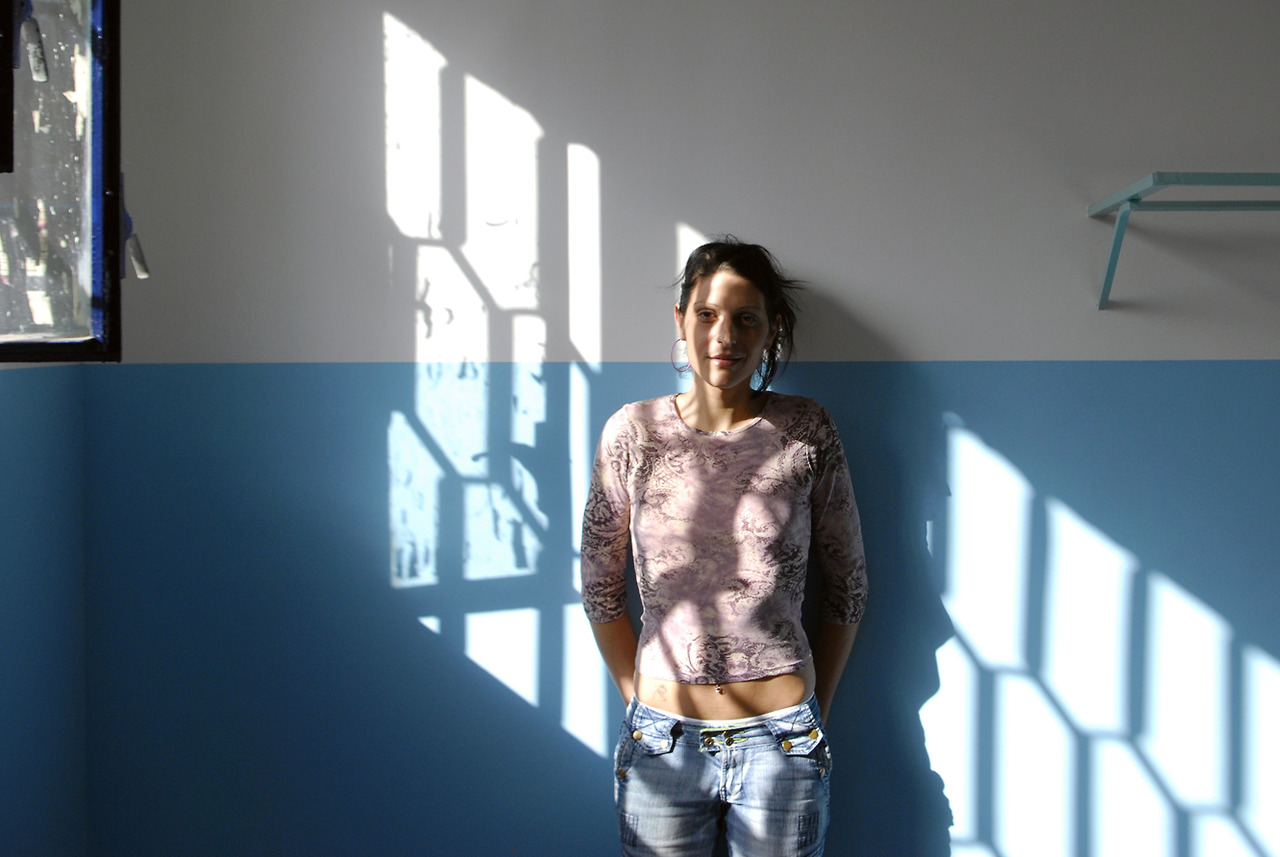
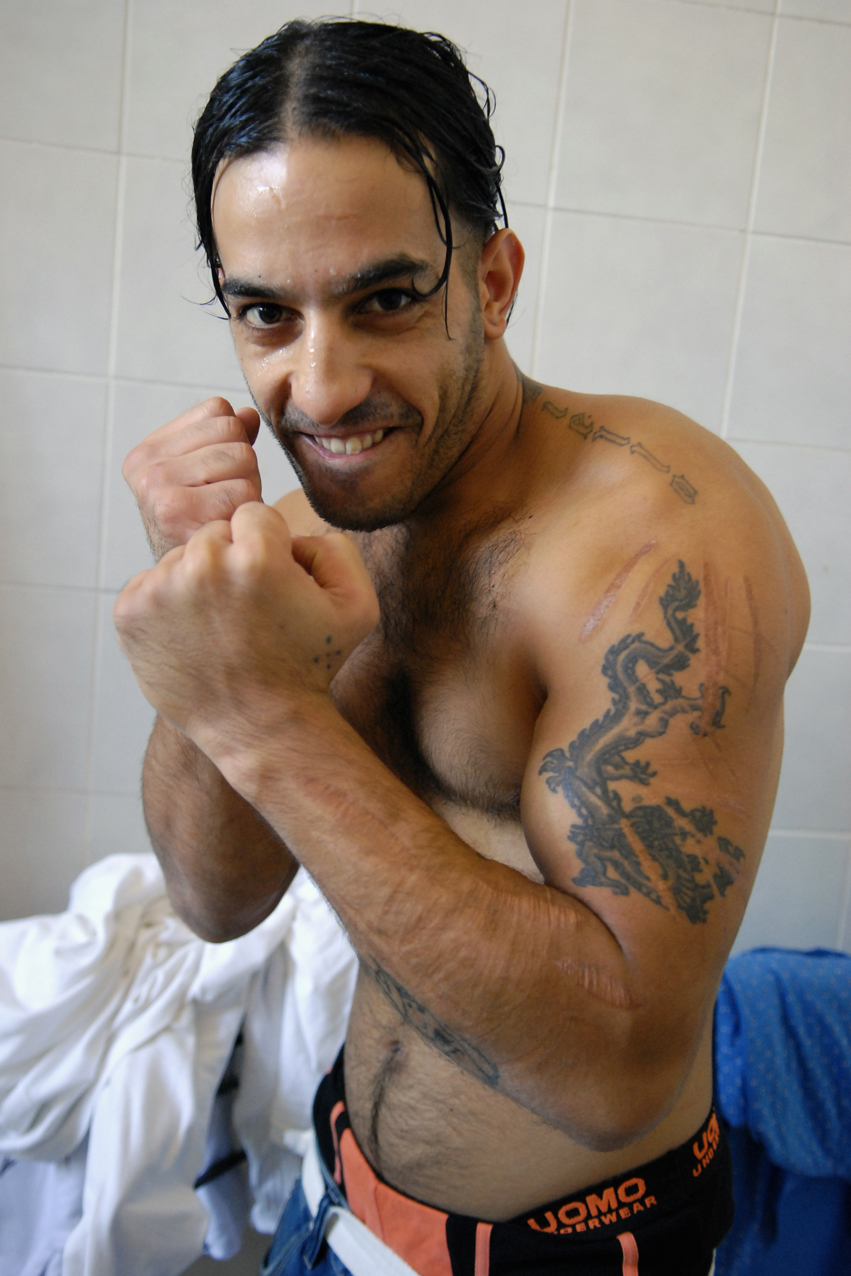
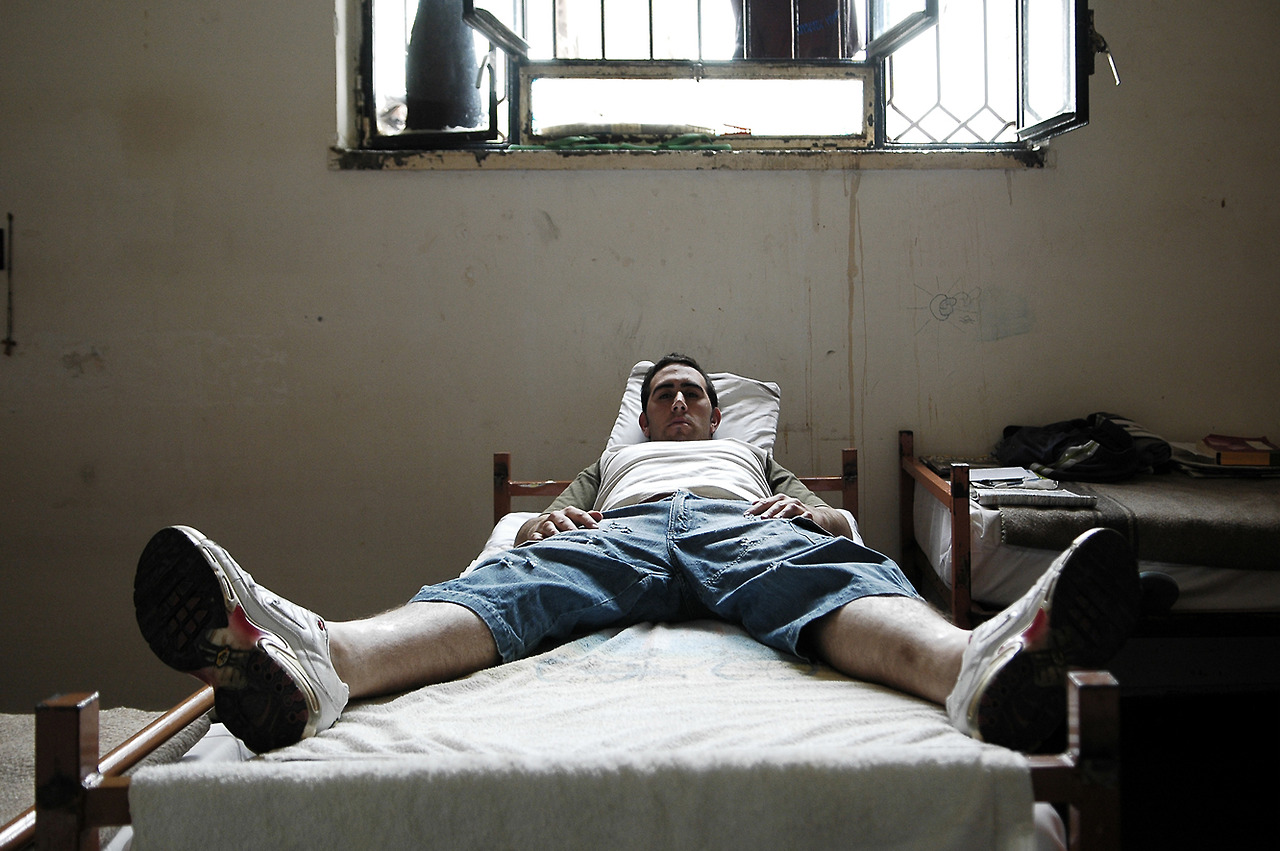
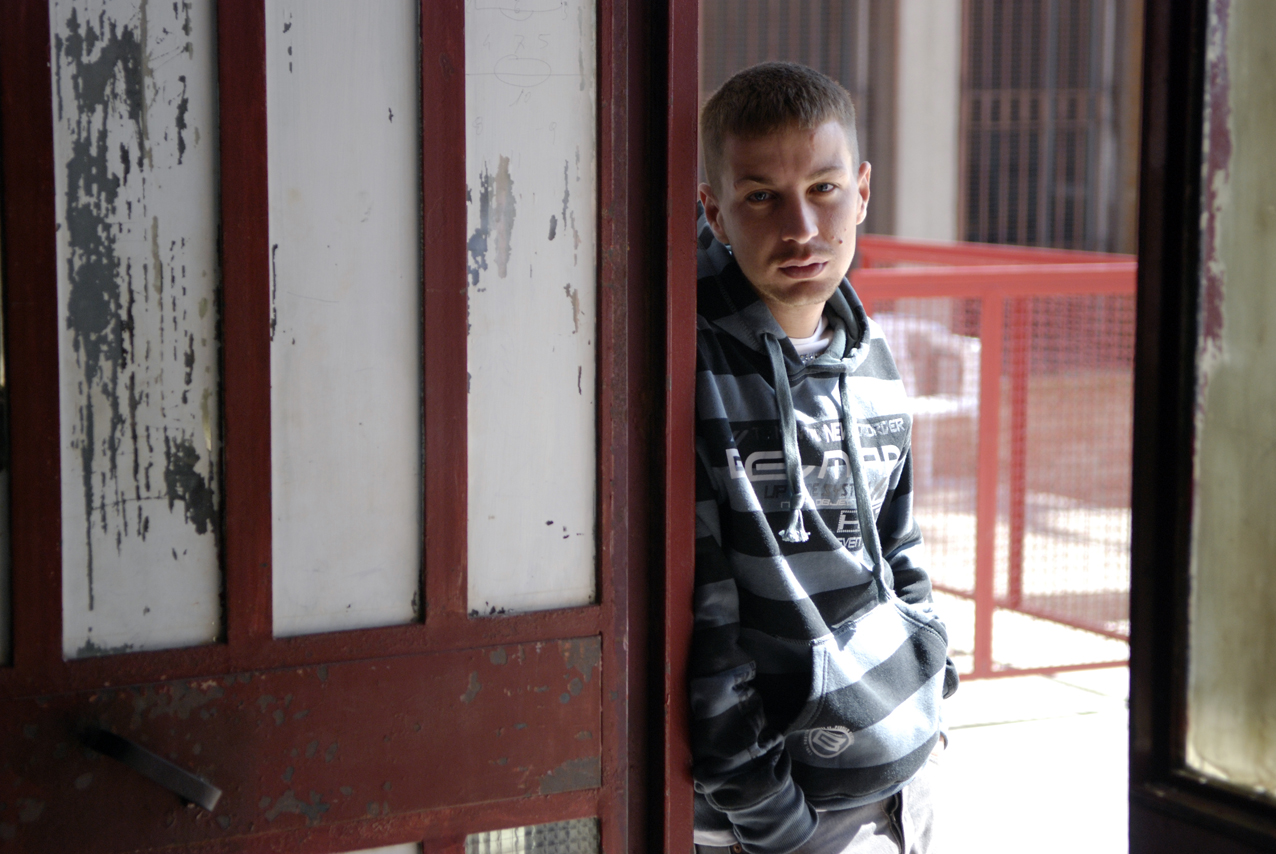
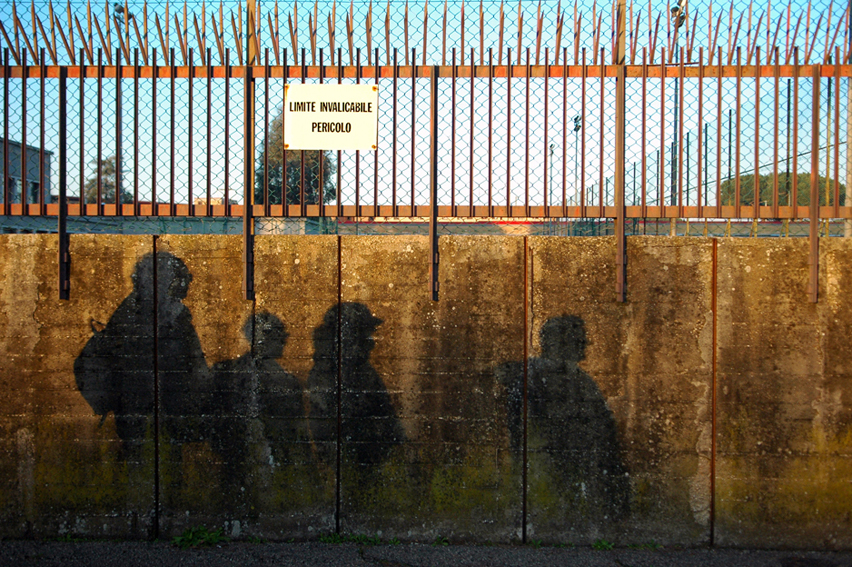
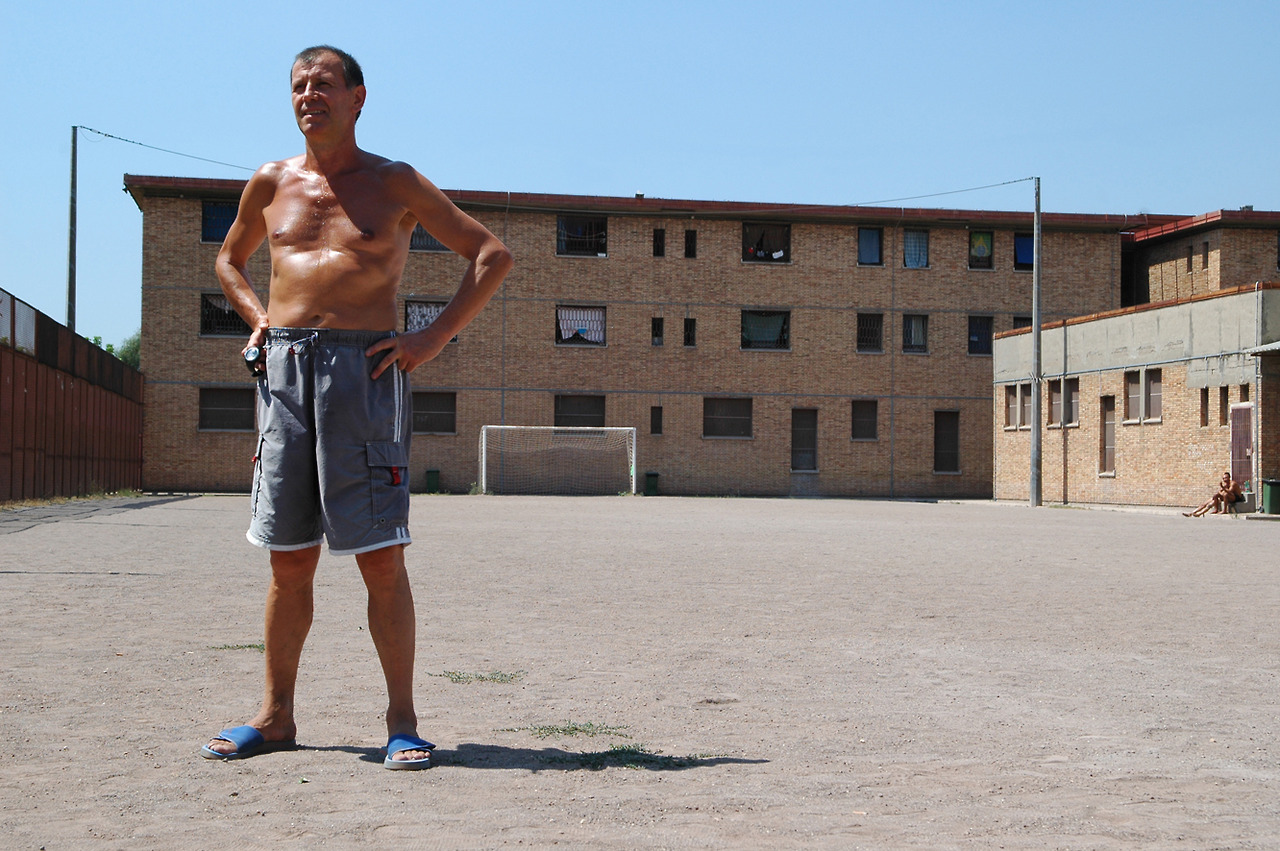
Over a period of three months, Italian photographer Gaetano Pezzella (Flickr) went inside of Rome’s infamous Rebibbia Prison and made portraits unlike portraiture those we are accustomed to seeing. With bright colors, strong graphic considerations, stark light, diverse posture and proximity it ends up a mixed bag. Some images look lije magazine head shots, others fashion shoots. Some are soft of the moment and momentous, but others are less precious. All-in-all its intriguing.

Recently, Pezzella put out a 144-page book of the work which includes 150 color images accompanied by ten stories by five writers, Pezzella penned two of the stories. The series and the book are titled Hotel Rebibbia. I wanted to know more about Pezzella’s approach so we had a conversation. Before we get into the Q&A though, a little background on Rebibbia Prison.

CONTEXT

Rebibbia prison is actually four facilities (3 mens, 1 womens) and it is one of Italy’s biggest prison complexes. Rebibbia has been in the news recently as a site of colourful protest, designer-clock and haute couture manufacture. Compared to other prisons, Rebibbia has a fair number of programs for prisoner education, rehabilitation and jobs training. It also boasts a thriving drama program lead by theater director Fabio Cavalli which spurred the part drama/part documentary hit movie Caesar Must Die (2012). As far as photography goes, Luca Ferrari has shot in the mens prisons and Melania Comoretto has shot in the women’s prison.

Scroll down for the Q&A.

13

14

9

Q&A

Prison Photography (PP): Tell us about Hotel Rebibbia.

Gaetano Pezzella (GP): Initially, I wanted to dedicate myself exclusively to the places, objects and symbols of the everyday life in a cell. I absolutely did not want to photograph people, especially their hands and arms through the bars and cliches like that. But from the beginning, being emotionally and physically involved with the prisoners, the work took different paths.

PP: Who are the prisoners in ‘Hotel Rebibbia’?

GP: The detainees are mainly common prisoners, who are serving sentences for crimes administrative and criminal. From possession and dealing of drugs, robbery and murder, conspiracy offenses, mafia and terrorism, up to crimes of a sexual nature, pedophilia, rape.

PP: Who is the audience for the work?

GP: The target audience is primarily institutional. From the judiciary to the Ministry of Justice. But it is also relevant to the world of voluntary associations, and I hope, political groups also. At the moment, there is a political current that is very sensitive to prison issues. Of course, we hope that the book is read by civil society to it may bring prisons issue to the a wider audience.

PP: What are you trying to say with the work?

GP: It was my intention to be delicate and light, and allow images to leave the humanity of those detained in place. [To show] their joy, their desire to live, their need to play, whatever their existential condition. To show them as human beings and not prisoners.

PP: Why is that necessary?

GP: Literature and photography on prisons are full of crude and violent images, which too often lead the observer to judge. People conclude that barbarous institutions are acceptable. Some people believes the prison to be today a kind of holiday and wish for tougher penalties. Hence the ironic title “Hotel Rebibbia.”

PP: How did you get access to into Rebibbia?

GP: The bureaucratic process was quite simple. I presented the project to the prison director who accepted it and then the prison’s secretariat forwarded my application to the Ministry of Justice for approval. Unfortunately, a few months ago, a new law passed which which greatly limits the possibility to make reportage inside Italy’s prisons.

6

PP: What is the reputation of Rebibbia among people in Italy, and people in Rome?

GP: There’s a large part of the population, in Italy as in Rome, that would like prisons and penalties tougher. Rebibbia prison is, along with a few others in Italy, relatively modern in the sense that prisoners participate in treatment programs. There are theater, music, handicrafts and workplace specialization programs.

The crisis of the Italian prison system is its overcrowding. The prison population is over 65,000, but it is only designed to hold 35,000. From this statistic, we can appreciate the state of abandonment and deterioration of prisons in Italy. Being one of the largest prisons in Italy, Rebibbia suffers all problems associated with overcrowding.

When the problem is pointed out to Italians, the prison problem is often met with annoyance and suspicion — as something to be kept as far as possible. Marginalize it, denying the reality of the problem. The prison is seen as a foreign body to society. Even those who work in these facilities, educators, doctors, psychologists, employees, are viewed with skepticism and detachment, if not perceived, as second-class workers.

Added to this, there is also a large part of political activity which focuses on the security of the citizens. This electoral program has instilling uncertainty and fear in peoples’ minds, and that has translated as a tightening of the penalties which have filled the places of detention.


3

16

12

10

PP: What did the prisoners think of you photographing inside?

I started photographing inside the sex offender ward which is isolated from other prisoners. They have little chance to make treatment programs [in other areas of the prison] so they were very excited to have the opportunity for any type of exchange with the outside world.

The sex offender ward was also my testing ground. Overcoming the difficulties of making a professional but friendly relationship there helped me, later, do my job inside other parts of the prison.

My plan to make pictures of the interior of the cells, soon proved impossible due to the positive involvement of prisoners. Every time I entered in cells or common areas, it became a kind of collective game. I did not have to work hard to be able to make photos. To the contrary.

PP: Did you give the prisoners prints?

GP: Yes, of course. The same prisoners asked me to make pictures to give to their loved ones. It was part of our collective game.

PP: What did the staff think of your work?

GP: I have to say that the entire staff, including the prison guards, were discrete and collaborative making it easier for me to do my work.

PP: You’ve worked in other prisons. Do you like working in prisons?

GP: After working in Rebibbia, I made reportage in Sardinia’s penal colony ‘Mamone.’ I am currently working, along with another photographer, on a project in the women’s prison in Rome.

Work in prisons has always been something special. The first time I entered a prison with a camera, I realized that I had much to learn. Initially, I believed that human relations could be, in some way, influenced by environment. Here I was, a free man, dealing with persons deprived of liberty. This could create, so I thought, a detachment. But I was wrong. We were equal. I do not care about knowing what sins they’ve committed; I’m not a judge, and I was not there for that. I just want to show to those outside that inside the prison there are people who live their lives despite it all.

15

PP: Some of the portraits look like fashion shoots. Did you direct the subjects in their poses?

GP: I started with taking souvenir photos for prisoners to give to their loved ones Then, I asked them to take pictures for me. So I directed them, a little, but never forced the situation. They were free to present themselves in a very natural way. I only chose the location, where it was possible, and the best light. Only in rare cases I used a flash.

PP: How does this prison work fit in with the other photography you make?

GP: I do not think there is differentiation. Of course, life in prison is very hard, especially on a psychological level, and therefore, the approach to this reality is different to photographing portraits of musicians. In prison, you are pressed for time and you have a responsibility to show a difficult reality. Prison photography requires greater discretion so as not to offend those who are forced to live in a place with no freedom.

PP: Do Italian tax-payers get there money’s worth from prisons? Do Italy’s prisons punish or rehabilitate?

GP: It is written in our constitution that the prison should not be a place of punishment but of rehabilitation. Unfortunately, it is not always true. Sure, compared to many years ago, things have improved.

Today, prisoners have access to a range of measures that lighten the weight of detention — such as improved access (depending on the conduct and length of sentence), discounts and alternative measures, day release, and the ability to conduct conversations with family members in picnic areas instead of in anonymous and gray visiting rooms.

Furthermore, social, educational and recreational activities are available. Unfortunately, due to overcrowding it is difficult to ensure to all have access to such activities. Still, in the consciousness of many, a prison is thought of merely as a place of social revenge.

PP: Thanks, Gaetano.

GP: Thank you, Pete.

19

1

EMAIL

prisonphotography [at] gmail [dot] com

Prison Photography Archives

Post Categories