
You are currently browsing petebrook’s articles.
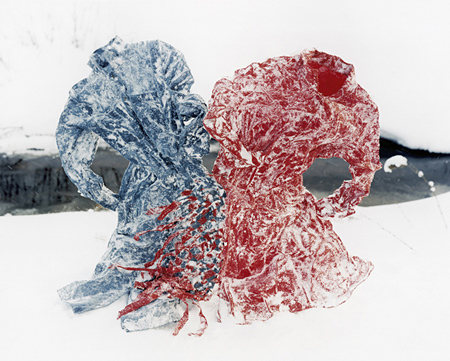
Relation, 2001 [from “Vestige”] © Riitta Päiväläinen
Anyone else notice Shane – over the weekend – spewing out content quicker than BPs worst nightmare?
And what quality. In two days we had:
Timothy Briner: Boonville
Thomas Bangsted: Pictures
Sasha Bezzubov: Wildfire
Céline Clanet: Máze
Ralph Shulz: Theater
Charles Fréger: Fantasias
Riitta Päiväläinen: Vestige
Cassander Eeftinck Schattenkerk: The Andromeda Strain
Good stuff.

Fantasias 9, 2008 [from “Fantasias”] © Charles Fréger
Hopper’s closing remark really stuck, “I am just a custodian. Hopefully, they’ll all end up in a museum”. I hope so too, Dennis.
Found via dvafoto and woostercollective.


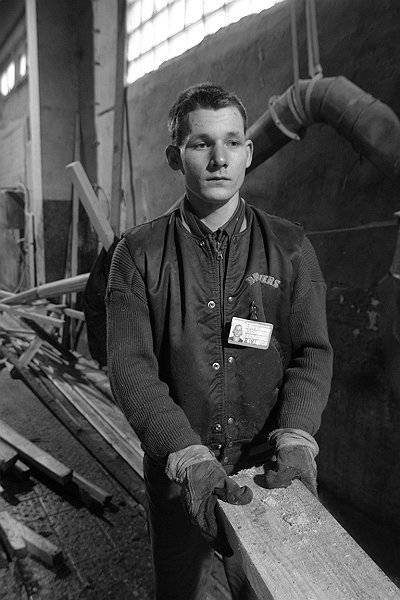
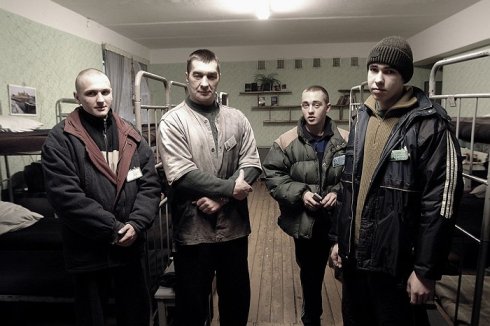
In 2004, Delmi Alvarez documented – over three days – the activities at Skirotava prison in Riga, capital of his adopted home Latvia. We discussed his motivations, the difficulties of access and human rights in Latvian prisons.
Q & A
Why did you decide to do a project inside a prison? Did you decide specifically on Skirotava?
For many years I’ve been interested in what happens inside prison walls. It was not the first time that I secured a permit to enter a prison.
I chose Skirotava because I live in Latvia and – through my work – I am an eyewitness to human rights [abuses]; Latvia is on the black list for its human rights.
I was working for SestDiena magazine. After many emails and calls, and with the help of the former chief editor Mrs. Sarmite Elerte, I got a permit. (Mrs. Sarmite Elerte, like many journalists and myself at Diena company newspaper, was made redundant).
My aim with the photo essay was to study the living conditions of [Latvian] inmates. After visiting Skirotava, I asked to visit more places but at the last moment my permit was denied. Many Latvian prisons don’t have good conditions. Simply, Latvians don’t care about that.
What sort of laws and attitudes exist within Latvia toward crimes, prisons and criminal justice?
I would prefer not to talk about that. I had many problems arise due to my opinions on this subject. In Latvia there is no freedom of speech.
Was it difficult to gain access?
You can imagine. From every direction, I faced questions – who I am; why I was interested; and what were my aims, etc.
But as I said earlier, Sarmite Elerte is a great person and she was always watching out for stories about humans rights. Without her letter of recommendation I would never have gained entry.
If you are trying to enter [Latvian] prisons at which human rights are under scrutiny, you are – for the authorities – like a spying enemy. Once you first enter, you must have a meeting with a few officials and they ask many questions.
This project happened in 2004. Perhaps things have changed today, but I didn’t have a good experience with the people that manage permits.
I would like to go back to give a lecture about photography to the inmates because they were very interested.
You’ve said that prisoners in your pictures are “children of dictatorship”. Can you explain that statement?
Many of them are from the times of Stalin, Soviet rule and KGB. Parents and grandparents of most inmates are from those times. Stalin was [seen as] a dictator by many Latvians.
In Latvia, the minority groups are called “aliens” and there are a large controversies over these minorities. I don’t really want to enter into these issues because it is not my country and Latvians need only study the issues and put things in order.
But something is real, Latvia is for Latvians and they are proud to fight for that. With that logic, they have good reason to want to manage their country before others, but there is an increase of extremism and nationalism. This is bad.
Many inmates come from remote poor areas in Latvia that survive without services. In these places, both Russians and Latvians live. Then, once in the prison, Russians and Latvians are not friendly and it is not a safe place for either group.


What ages are the prisoners? Where have they come from?
During my three-day visit, one officer had a talk with me in his office. He told me about the rules of my visit – no questions; no names; and no photos directly of the inmates without their permission.
In truth, I didn’t – don’t – want to know who they are and from where come from. Imagine … If I knew the person I was photographing was a rapist and killer, I wouldn’t be able shoot neutrally, I wouldn’t want to see into the eyes of the guy and I would be very affected.
I prefer that I don’t know about the person’s past. We are human. I know that many of them are children of drug addicts, alcoholics, and thieves. I know that they are not at fault being to born in this environment.
My question is: What can society and systems provide to help them find a way and be accepted? I am sure that there is lack of reentry programs in the prisons. In the US and other more developed countries there are programs like this. Why not in Latvia?


What reputation does Skirotava have to people for Riga and/or Latvia?
I have no idea, but when I said in a lecture that I had been inside, people looked at me as if they were looking at diabolo (sic).
What were the responses from staff and inmates to your work?
[During the visit] I was always with two officers and I wasn’t allowed to talk with inmates. The officers were not allowed to talk with me [about my work]. But, one inmate asked me to shoot a picture for his mother. With permission of an officer, I made a portrait for the [inmate’s] mother. This made me happy.
I wrote in the article that prisoners like novels and books. The next week, hundreds of novels, books and magazines arrived at the offices of SestDiena magazine!
Any animosity?
For the first visit, the editors assigned a writer to accompany me. Okay, we arrived, passed the check control, left matches, phones and all the stuff that you are not allow to carry inside. After that point we went to the secure areas of the prison – the real prison.
We went into a big empty yard, a big Comanche (sic) territory where hundreds of eyes are watching you: Who the hell are you boys? What are you doing here, cowboys?
One of the inmates approached the writer and told him something in Russian. After that the writer told me, “I am getting out of this fucking hell!” And I stayed alone. Later, I reported this to my editors and they said I needed to write the article myself.


Did you get a pair of gloves?
Yes! Absolutely. It was a big surprise. I have this pair of gloves at home. I saw one inmate making gloves and I asked him if it was possible to buy a pair. The guy didn’t answer me because an officer was near. Later, my translator said that the inmate would make me a pair. I received the gloves some time ago and I asked to pay, but the translator told me, “They are waiting for you to talk about photography [as payment]”. I never got that permit to return. I am sorry about that.
Thanks Delmi.
Thanks Pete.
BIOGRAPHY
Delmi Alvarez (1958-) grew up in Vigo, Galicia, northwest Spain. He has worked as an electrician, street nightclub-ticket seller, bartender, gardener to support his studies. In London, as a photojournalist, he contributed to AP, AFP and Reuters agencies. In 1991 spent one year in Cuba working in a documentary project about the life of the Cubans. From 1990 till 1993 he covered the Yugoslavia war as correspondent and photographer with La Voz de Galicia newspaper. The experience shaped his personal opinion about conflicts and following the deaths of friend-photographers Alvarez no longer cover conflict zones. Since the mid-nineties, Alvarez has worked on a long term documentary project Galegos na Diaspora documenting the spread of Galician people across the globe. The project has taken him to every continent. In 2006 the Galician Government invited Alvarez to develop a photographic project documenting and promoting the ancient pilgrimage route to Santiago de Compostela. Alvarez is currently working on projects with Magnum photographers Ian Berry and Richard Kalvar. Alvarez has lived among the Galician diaspora in Riga, Latvia since 2002. http://www.delmialvarez.com/
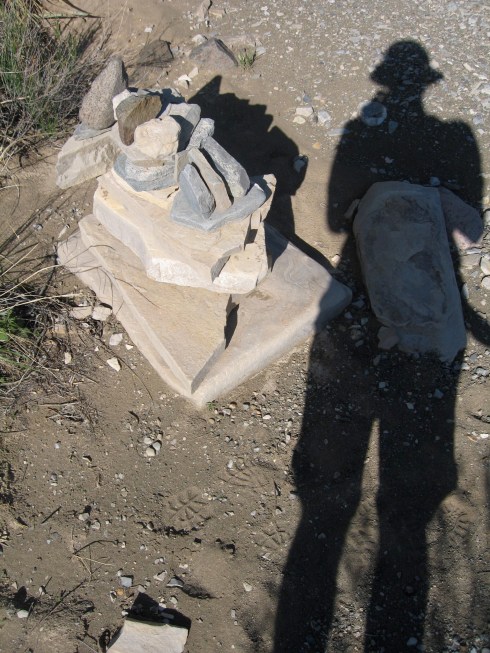
‘Duck and I’ © Pete Brook
Last month I went to Big Bend National Park, on the border with Texas and Mexico. The Chihuahuan desert is very hot during the day, even in spring. We took an 18-mile day hike, walking before and immediately following sunrise and later in the three hours before sundown.
On the trek out I was surprised to see (and super-amused by) the artistry of some ducks (called cairns in the UK); even in the inhospitable desert, some folks had taken the time and care to build these things. It occurred to me that I’d seen typologies of most things but not these essential, non-owned, geo-marking, petra-sculptures. On the way back, I photographed them.
As I have said before, I am not a photographer and I rarely want to share my images but I’ll share this bit of fun.

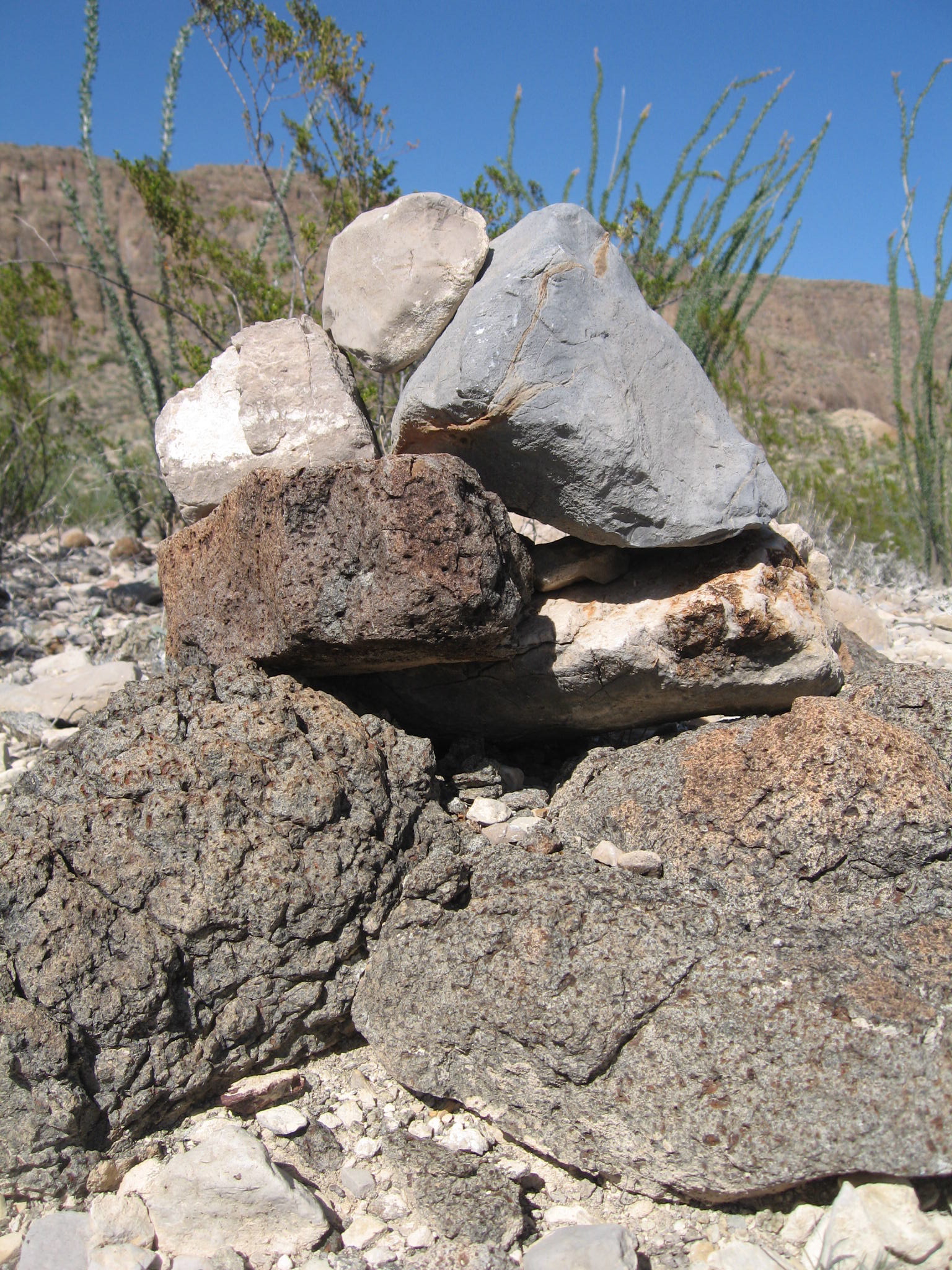


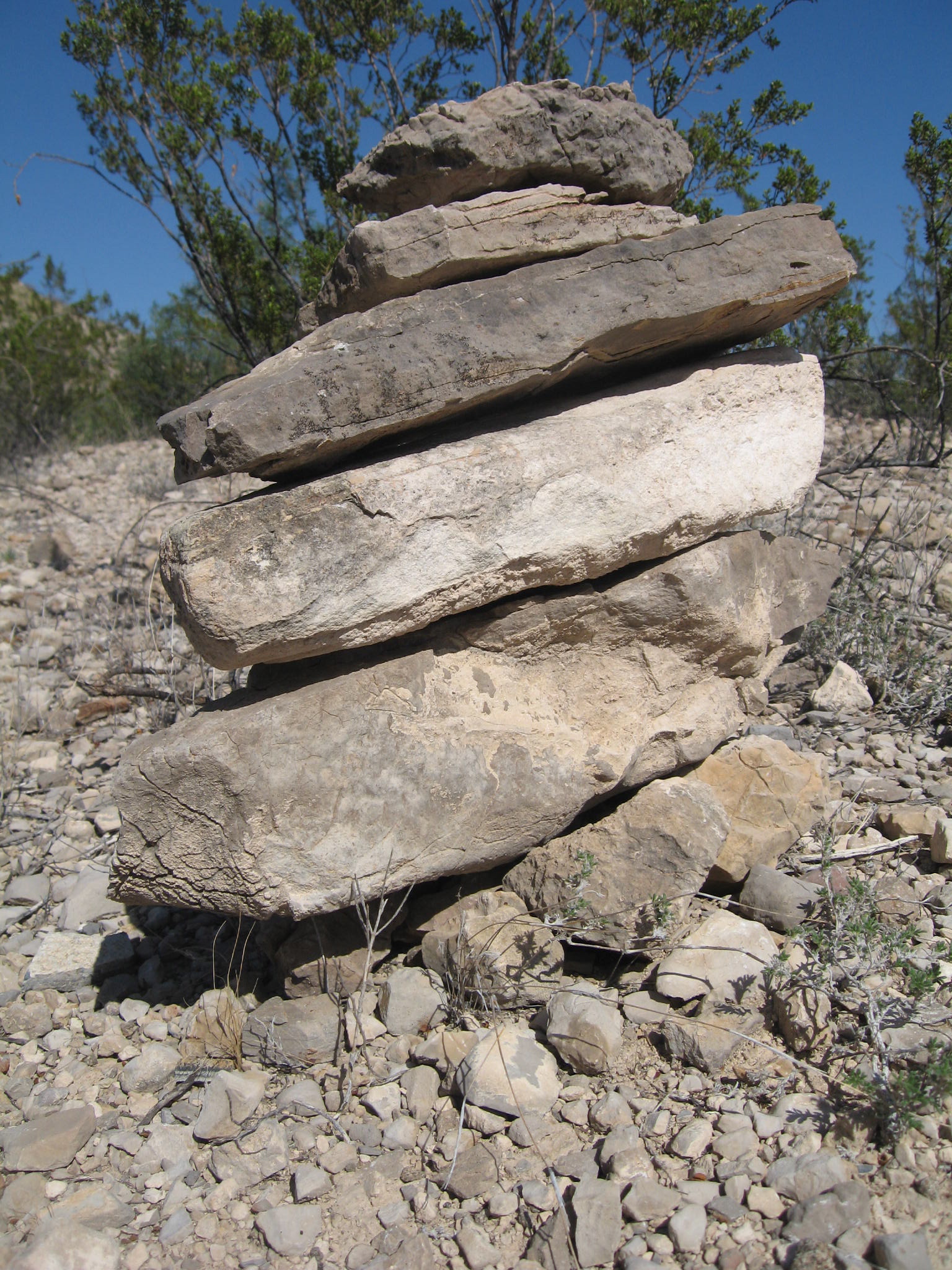


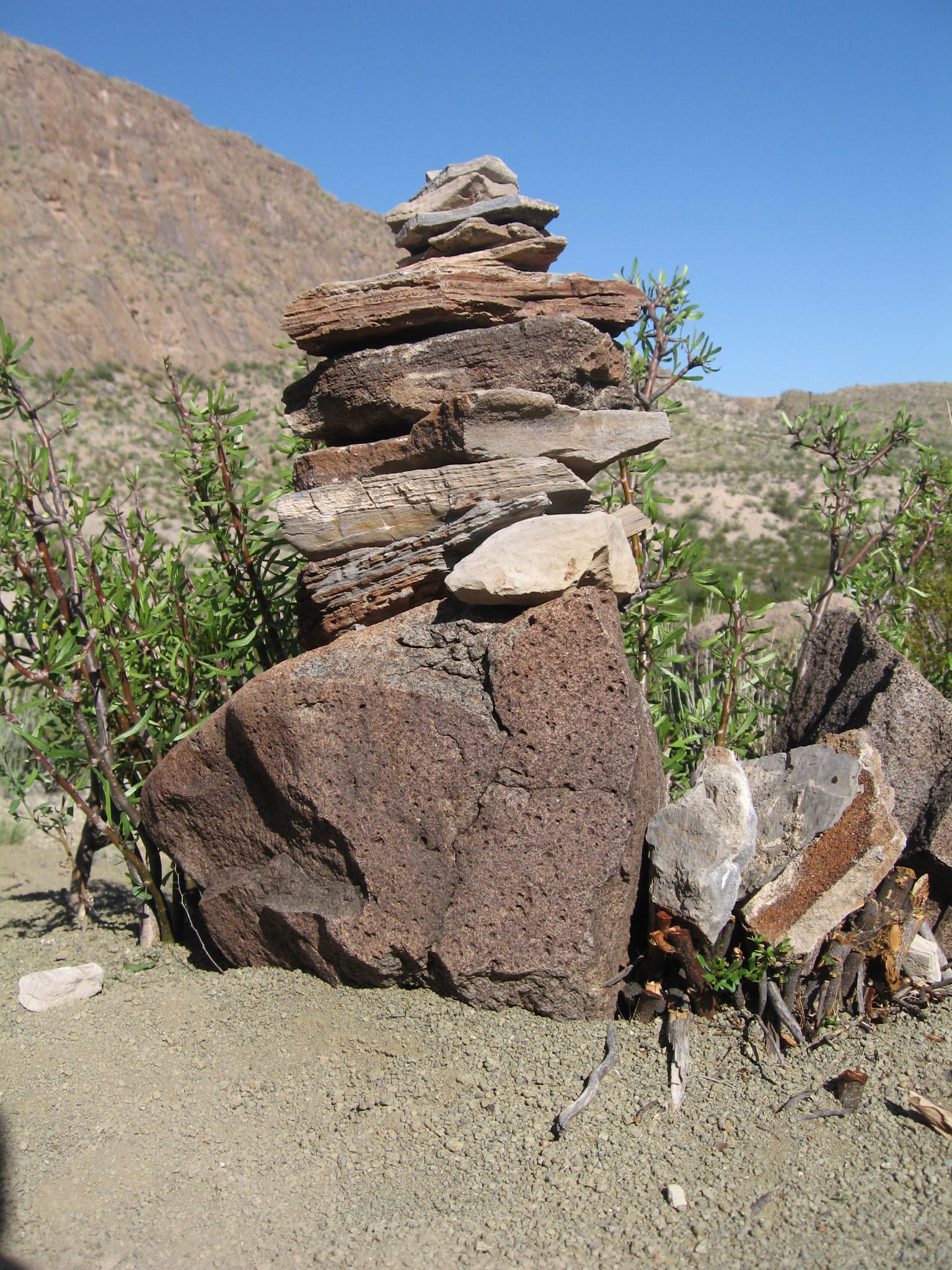
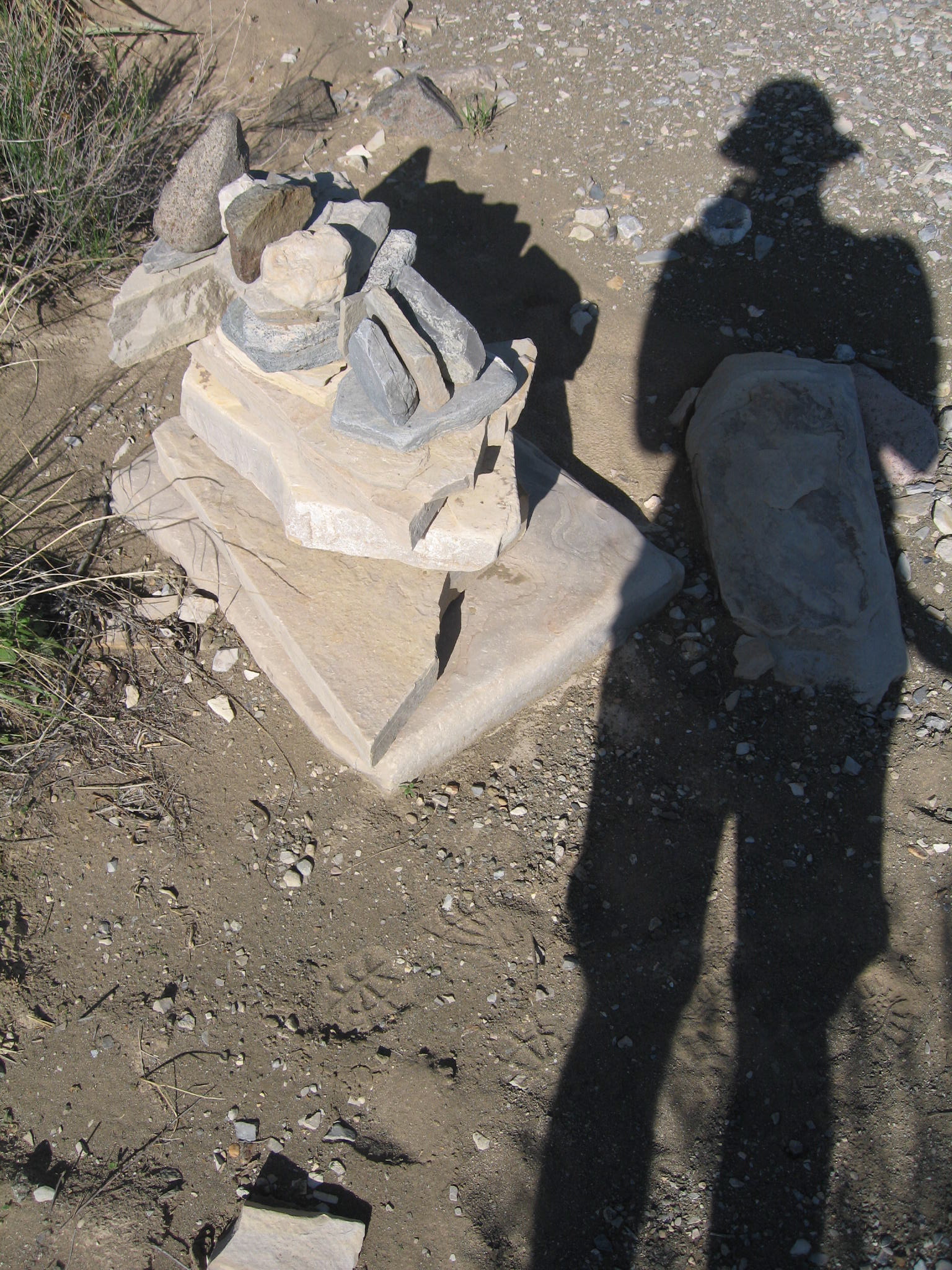


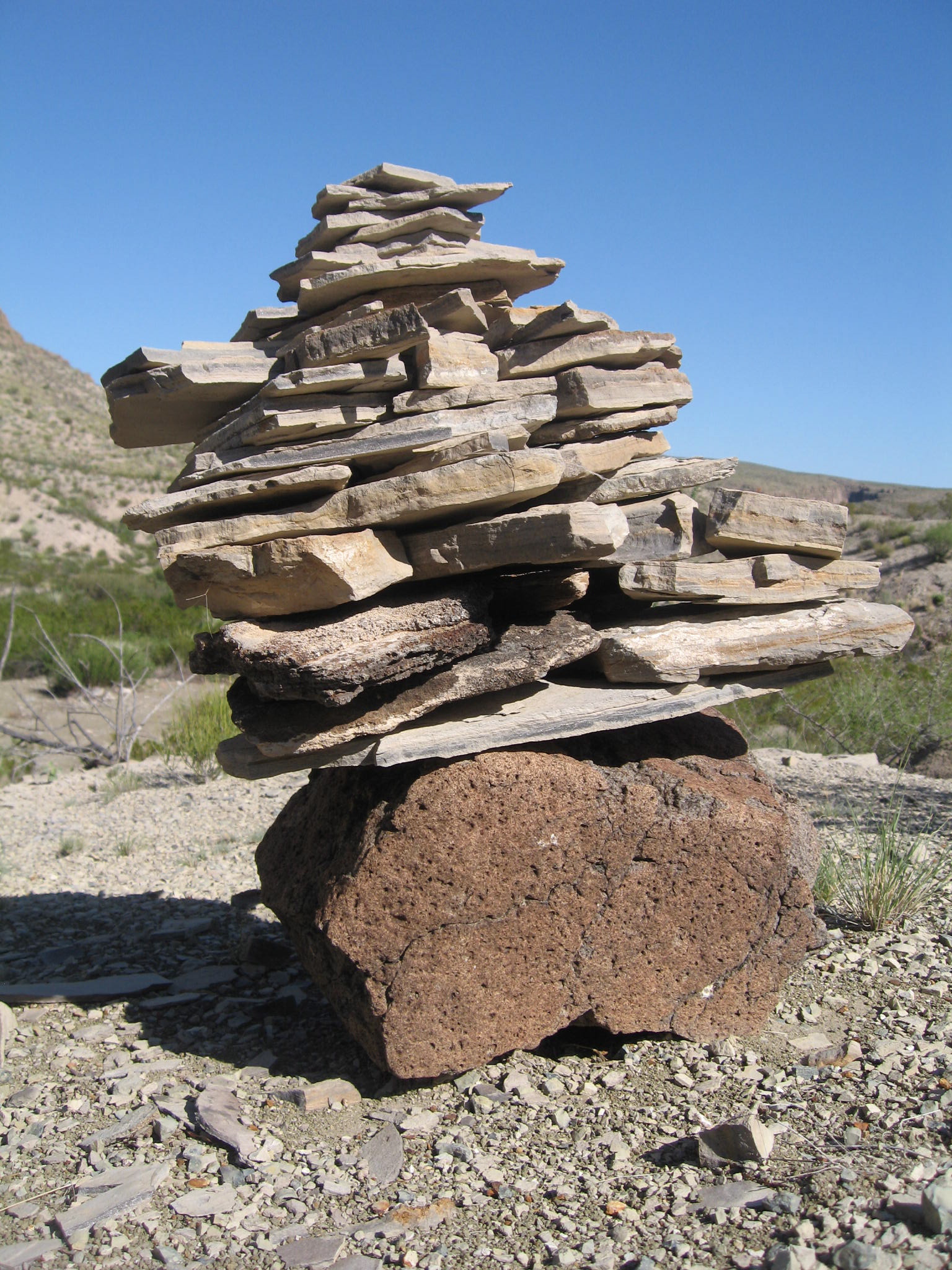


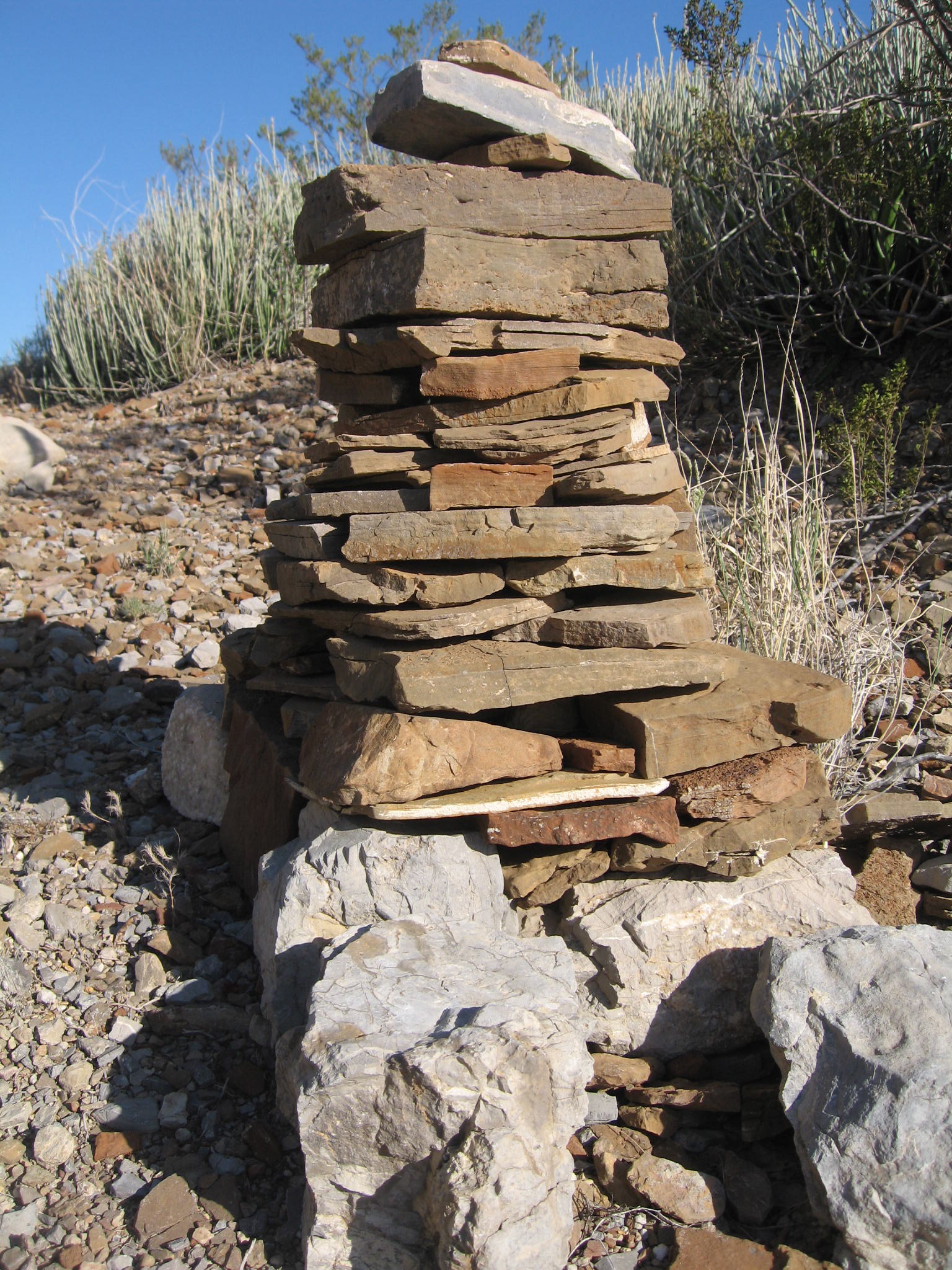

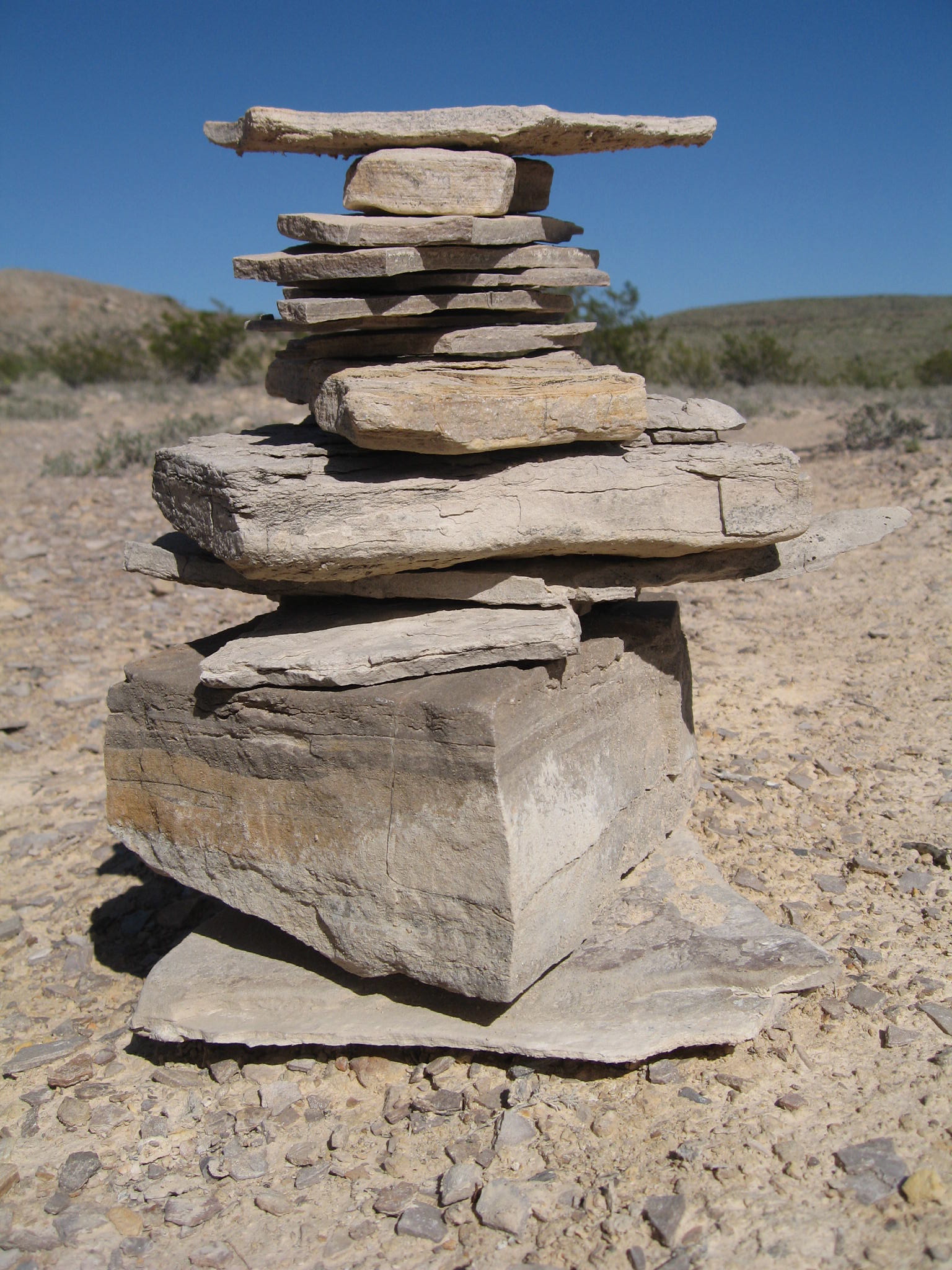
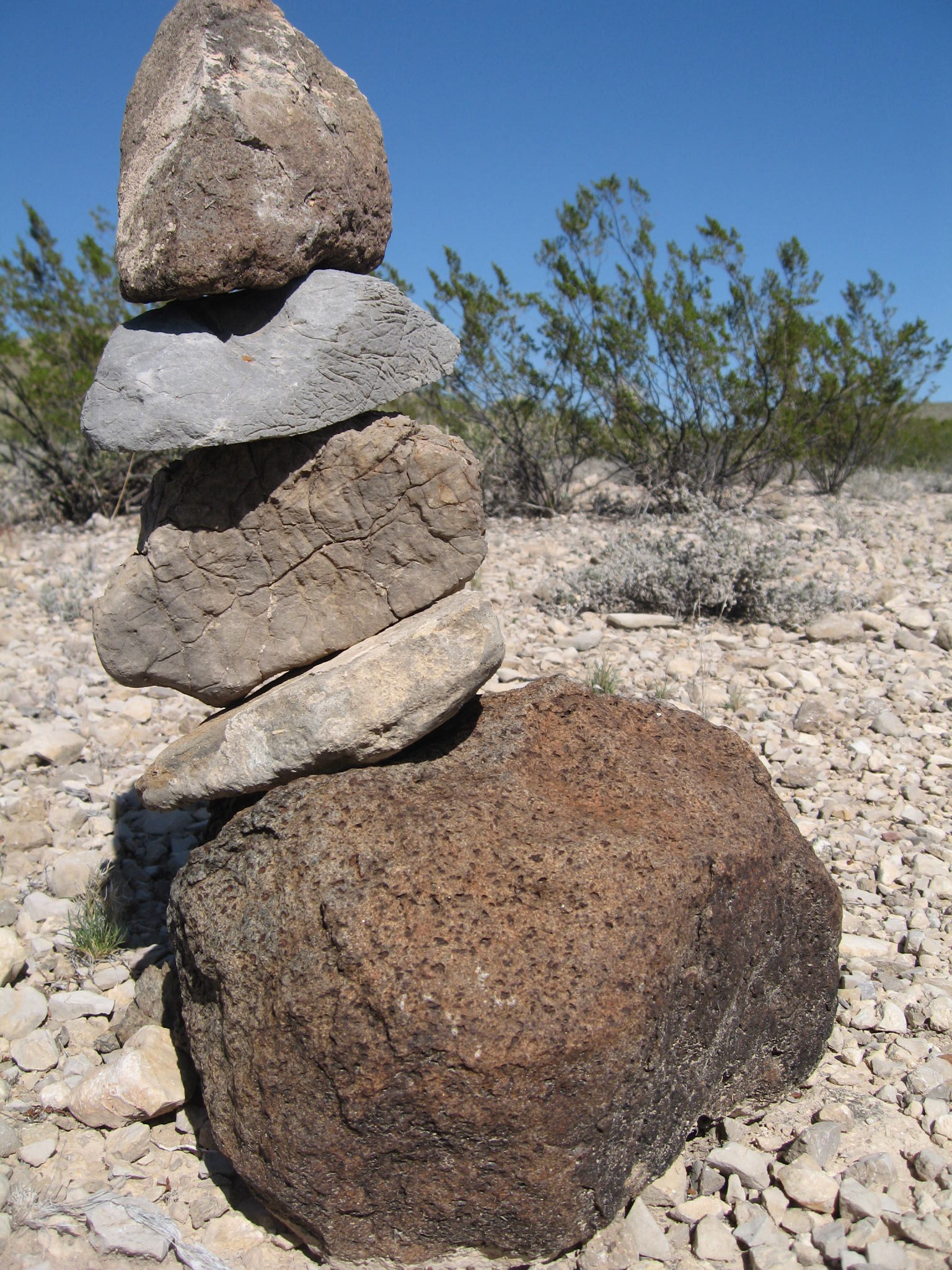
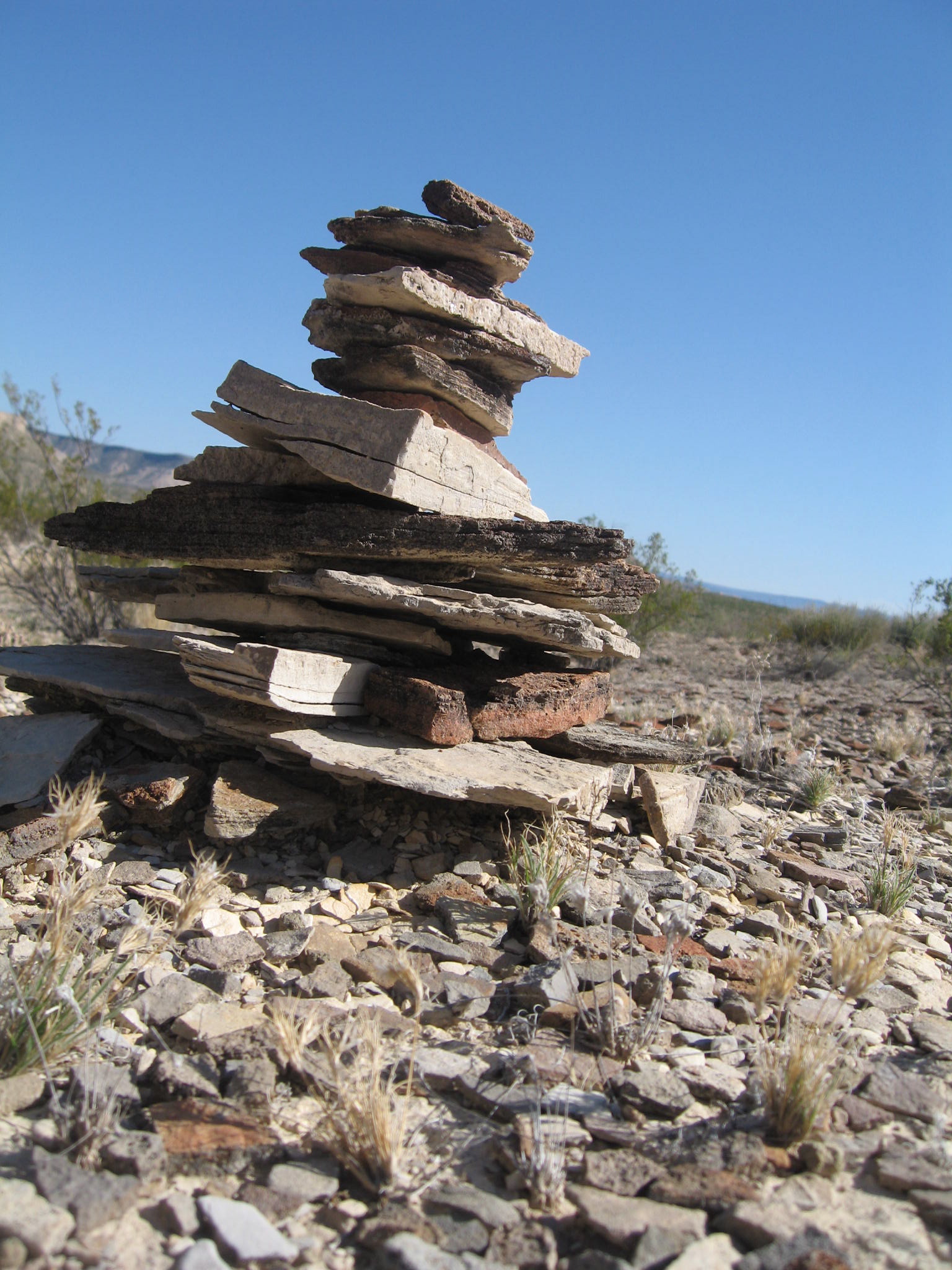


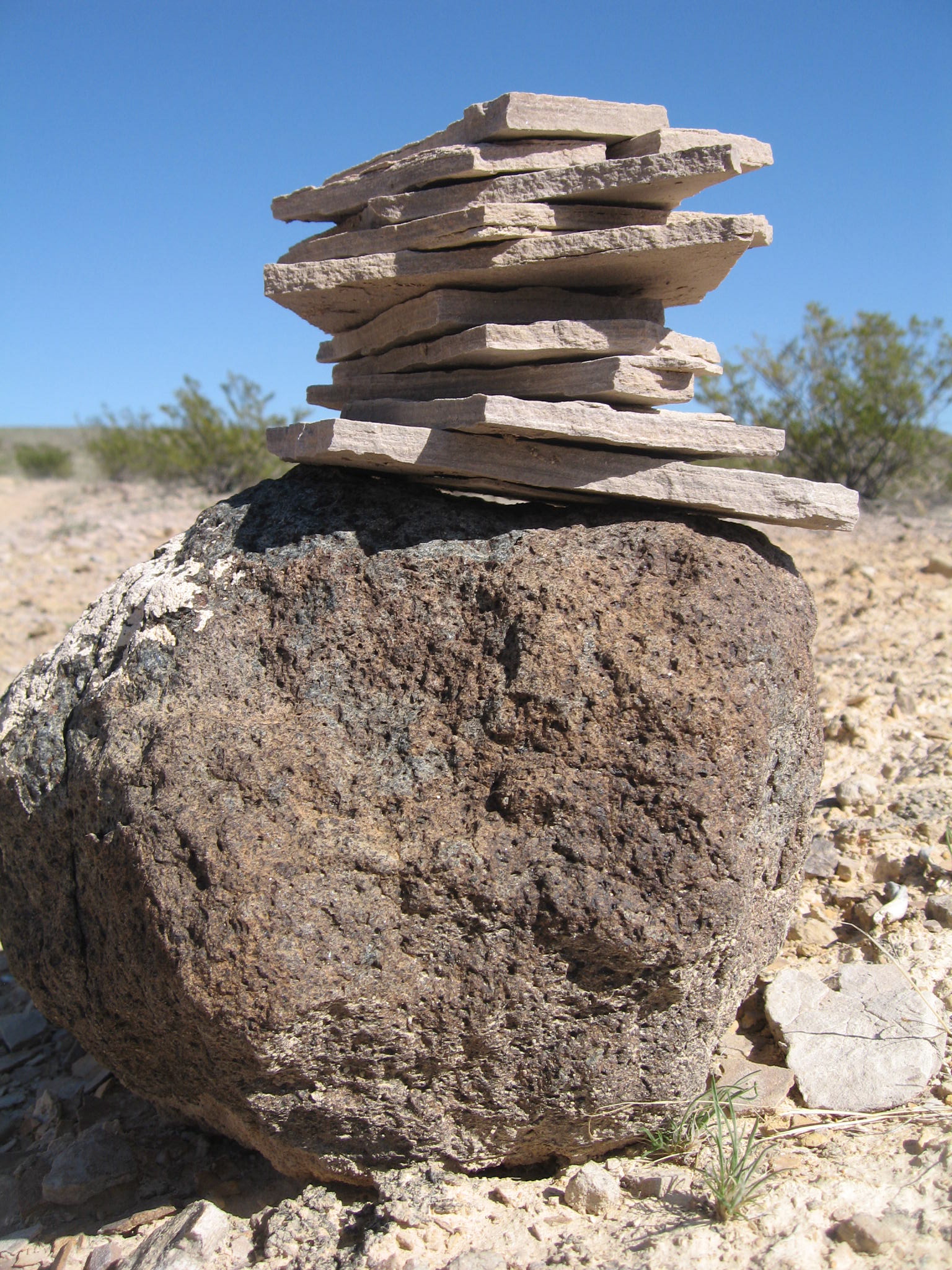

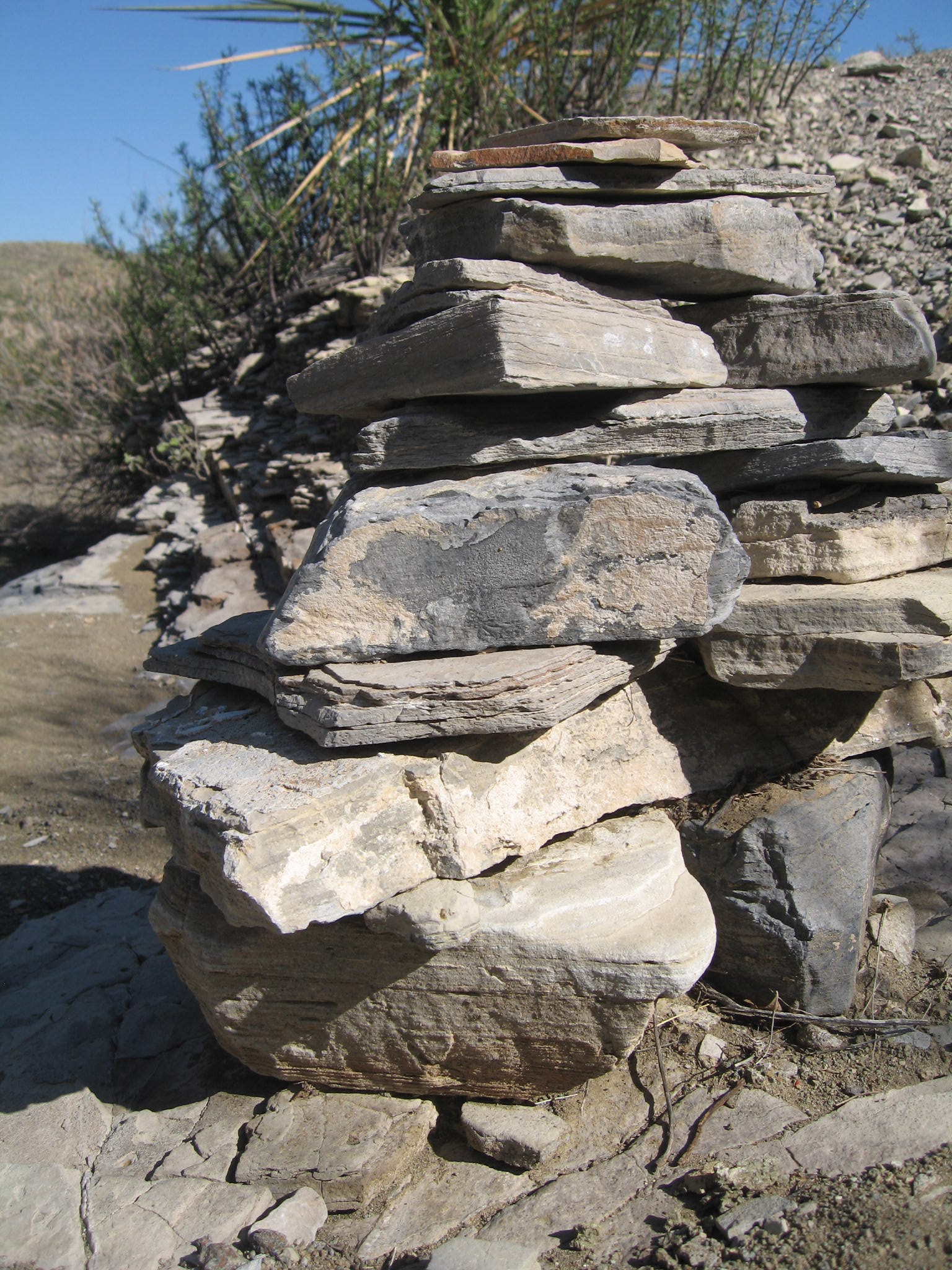
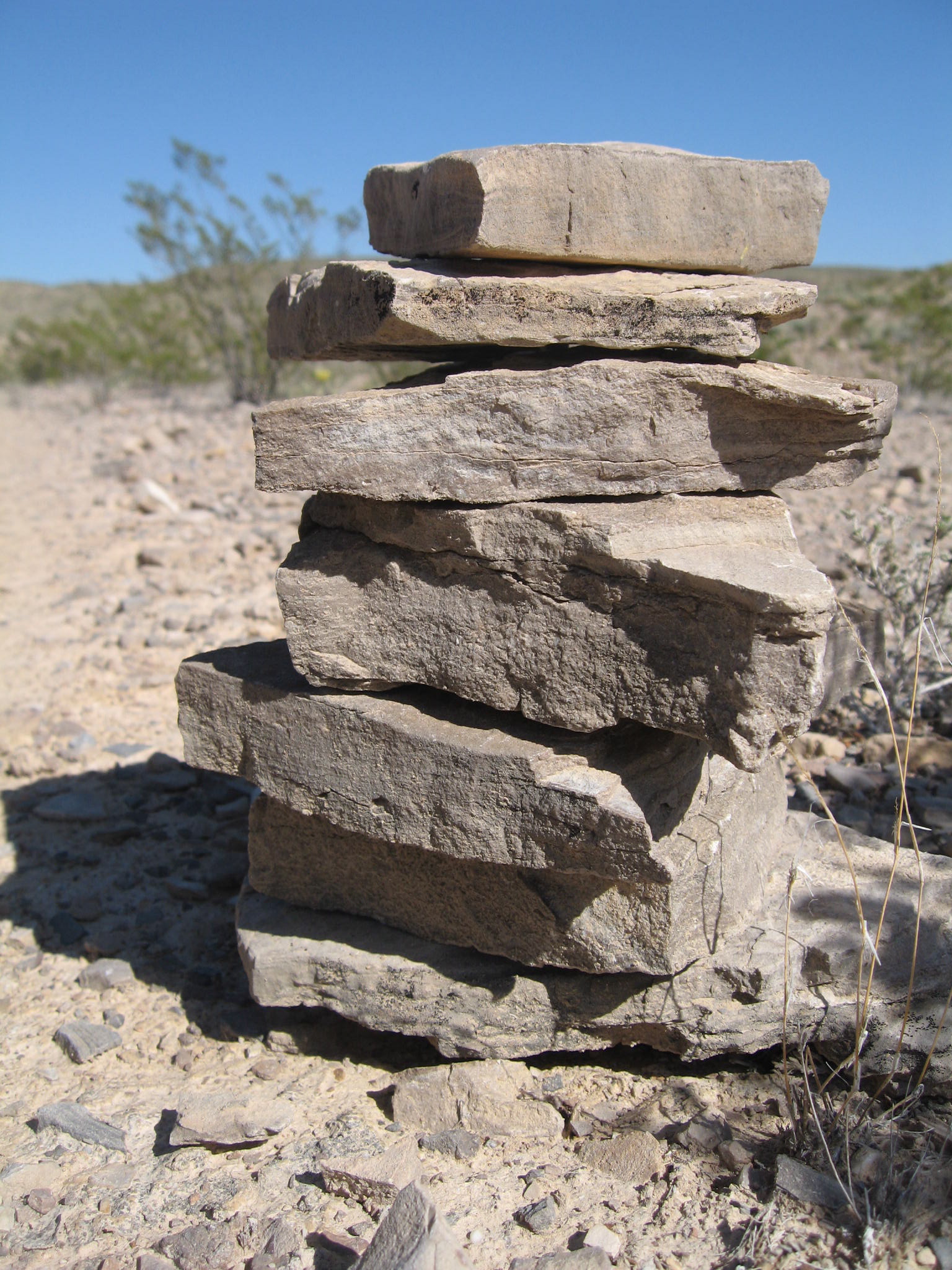

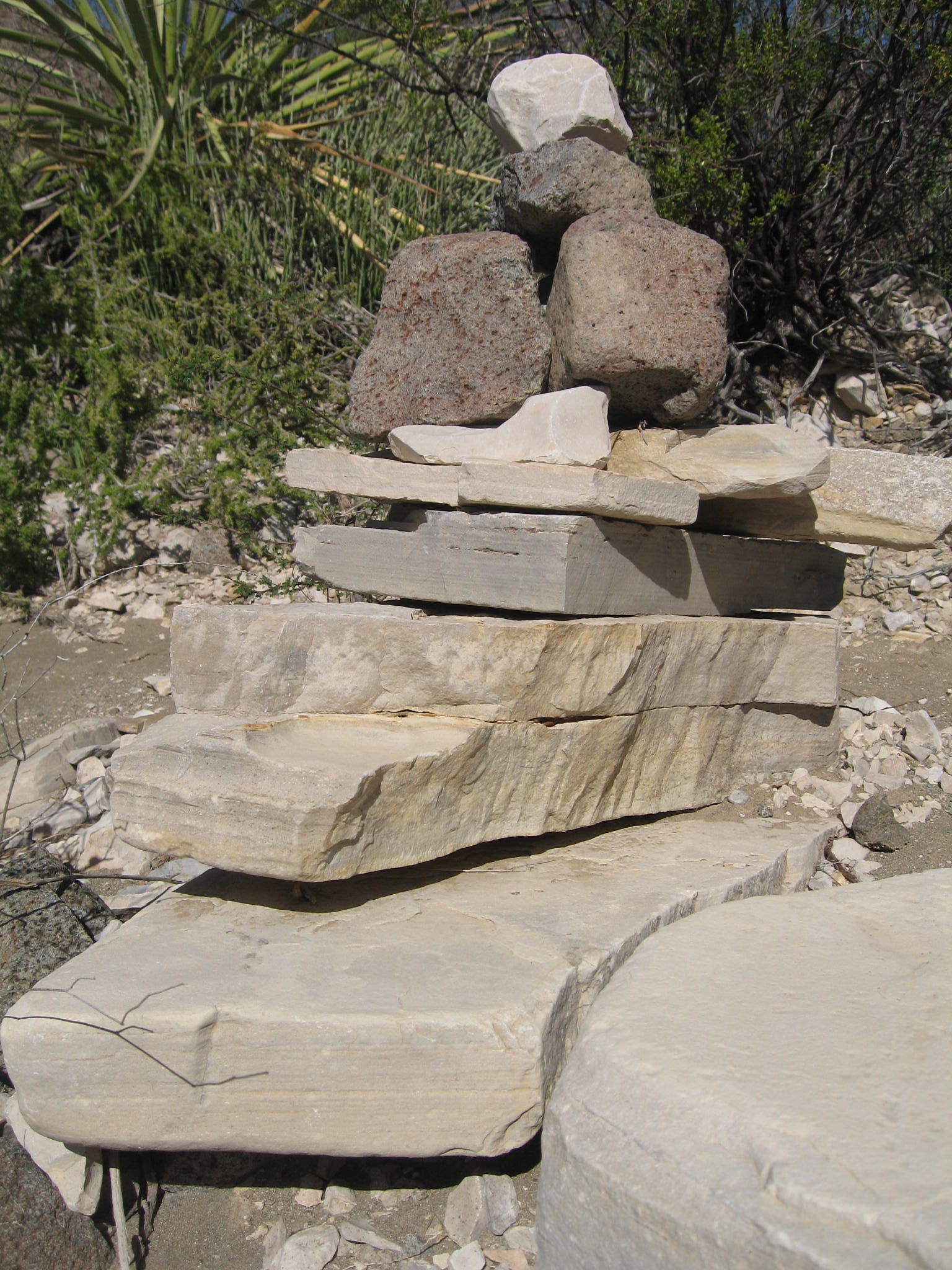


‘ROBODUCK’ © Pete Brook
I was first aware of João de Carvalho Pina‘s work a couple of years ago when Jim pointed to Pina’s photographic homage to the political prisoners of Portugal (1926-1974). Two of Pina’s grandparents were imprisoned by the Portuguese regime.
Just as that terror ended in Europe, another began across six countries in South America. Pina’s project Operation Condor has just featured on the New York Times’ Lens blog, for which Daniel J. Wakin explains:
“Operation Condor was a collusion among right-wing dictators in Latin America during the 1970s to eliminate their leftist opponents. The countries involved were Brazil, Argentina, Chile, Paraguay, Uruguay and Bolivia.”
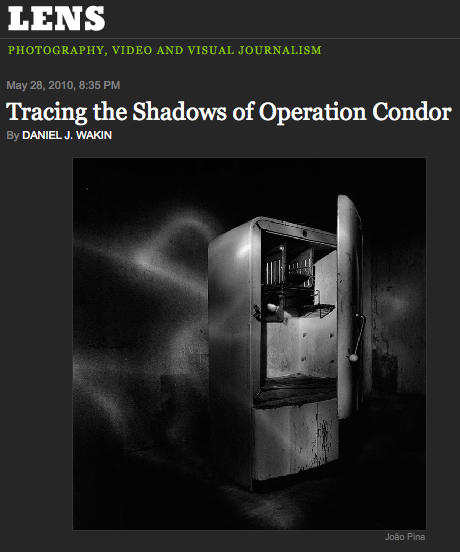
More from the NY Times on the sites of detention:
Mr. Pina said he was struck by how ordinary the locations were — garages, a sports stadium, offices. “Most of them are places that can be in the corner of our houses,” he said. “They’re very normal places”
Very important work, not least the portraits of survivors. Pina’s goal is to create a visual memory of the era working against a relative dearth of historical documentation, “to show people that this actually happened. There are hundreds of thousands of people affected by it.”
The first four chapters of Naomi Klein’s Shock Doctrine deal with the military juntas and international interference in South America from the mid 50s until the 80s. Highly recommended.
– – – –
I have been working on a series of posts about the Desaparecidos in Argentina specifically, one group of nationals affected by the continental ideological wars of South America in the 70s and 80s. Expect follow up posts on this subject.
ELSEWHERES
Pina works on incredible breadth of issues, all related by their focus on the harshest of social violence. Most recently, his work on the gangs of Rio de Janeiro has garnered attention, here and here.
Below is an image from his Portuguese political prisoners project (source).

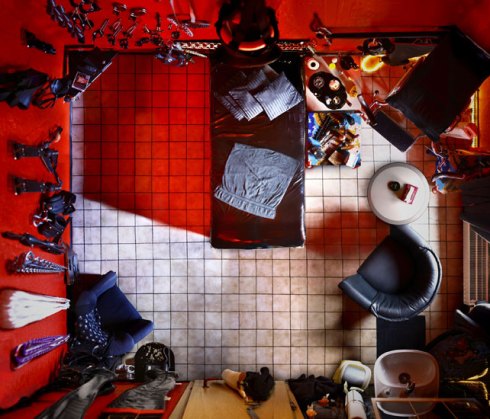
Last year, I interviewed Jurgen Chill about his project Zellen which adopted a birds eye (photo-composite) view of German prison cells.
For Chill’s series Bordelle, he repeated the technique for rooms of prostitution and bondage.
Update (3.30pm): Haeberle was not a journalist. He was an enlisted, unarmed soldier. He carried a camera instead of a gun. His orders were to photograph for Stars and Stripes, the US Army’s (propaganda) publication. On the day of the My Lai Massacre he had his military-standard camera, but also carried (smuggled) his own camera.
I found this quote in Part Exposé, Part Cover-Up: 1968’s My Lai Massacre Photos Have Big Lessons For Citizen Journalists a highly recommended article written by David Quigg for the HuffPost.
Drawing on the well circulated Plain Dealer article of last November, Quigg discusses how Haeberle controlled, destroyed and released his photographs of the My Lai Massacre; how the Army campaigned against the release; how he (Quigg) as a journalist and we as viewers should regard Haerberle’s embedded activity in the US military; and what implications this has for (self) censorship but also propaganda in the age of citizen-publishing. Quigg:
“Citizen journalists must not do today’s equivalent of what Haeberle did. Citizen journalists must not give in to the urge to un-take a photo, to click delete and banish the evidence for the parts of a story that shame them. In citizen journalism, we might as well rename the delete button and think of it as the “cover-up button.”

Click on the image above or go here to see images of Cleveland’s Plain Dealer coverage of the 1969 exposé.

 Prison Photography