
You are currently browsing the category archive for the ‘Documentary’ category.

© Kate Peters
Here we are at the end of the first week of 2016. How’s it going so far? I spent the holidays lying in, reading stuff and watching my team Liverpool at silly hours of the morning. When at my desk, I was putting together a series of year end proclamations for Vantage.
It was a marathon, and by marathon I mean a six-parter. Still, that was more than 10,000 words and scores of images.
Part 1: The Best Nature Photos of 2015
Part 2: The Best Photobooks of 2015
Part 3: The Best San Francisco Street Photographer of 2015
Part 4: The Best Portraiture of 2015
Part 5: The Best GIFs of 2015
Part 6: The Best Photography Exhibition of 2015
Are these actually the best of the year? Are these the most watertight objective statements? Of course not, and I admit as much in the pieces. What they are though is my strongest arguments as to why these projects and ideas are more relevant, caring (even), fruitful and connecting.
Put your feet up. Have a glance.
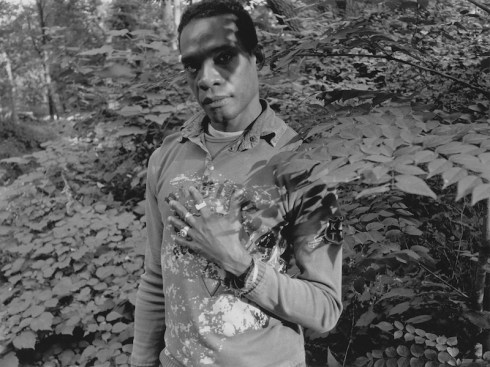
© Thomas Roma

© Alan Powdrill

© Troy Holden

© Suzanne Opton

© Thomas Roma

© Vicente Paredes

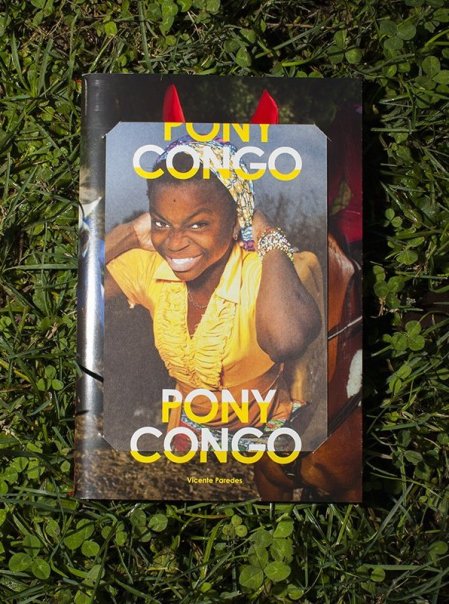
Book cover of Vicente Paredes’ Pony Congo

© Brandon Tauszik

© Sara Terry + Mariam X
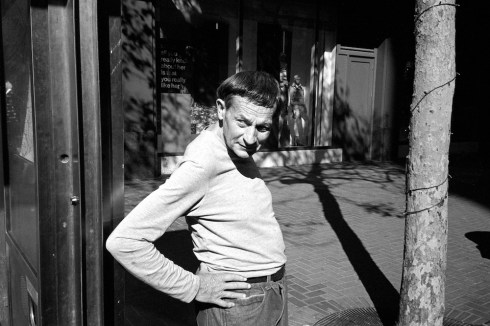
© Troy Holden

Alonso Castillo is a freelance photographer based in the state of Sonora in northwestern Mexico. Predominantly, he works as a stringer for Reuters. Most of his work focuses on the border and he is a specialist in reporting on migration and social issues. He has instructed workshops in the past, is a college teacher and, since 2009, has worked as an editor at www.numerof.org.
Mauricio Palos, a mutual friend of Castillo and I, contacted me to tell me of Castillo’s 2013 photography workshop in a local youth prison, the Instituto de Tratamiento y de Aplicación de Medidas para Adolescentes (ITAMA) which is in the city of Hermosillo, in Sonora, northwestern México.
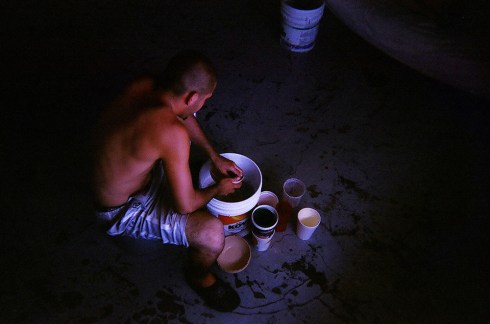
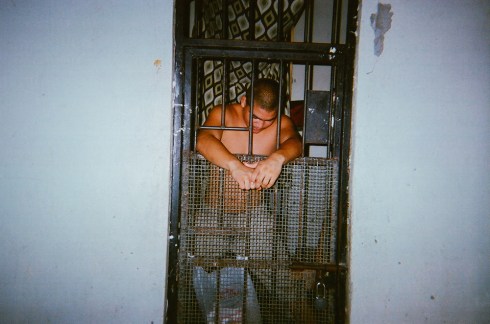
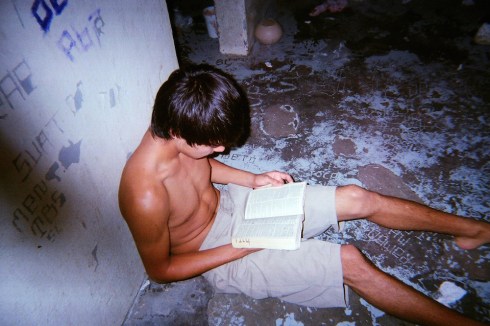
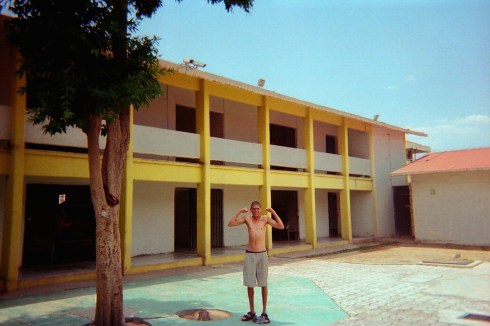
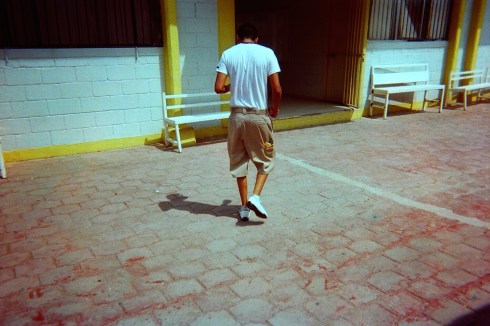
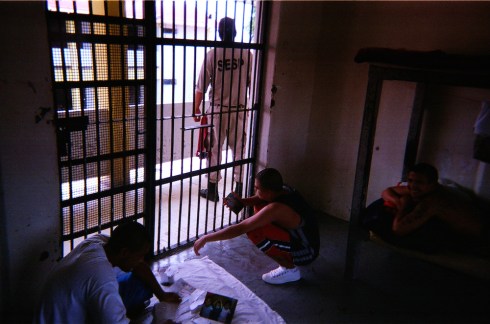
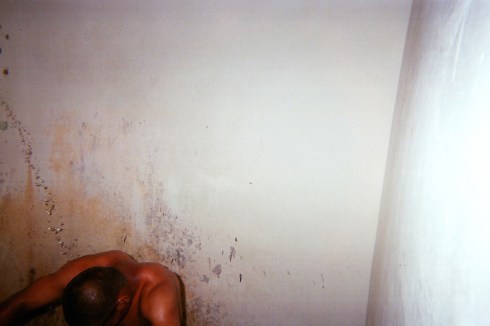
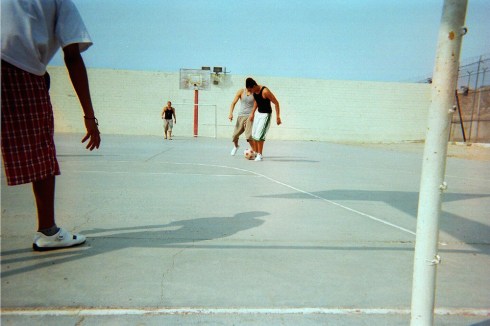
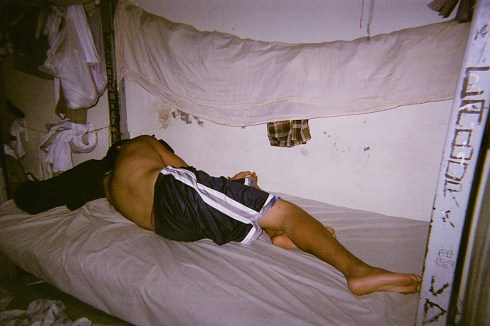
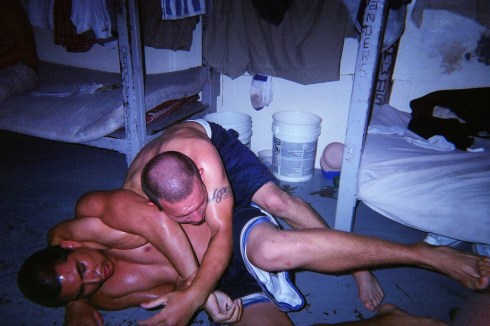
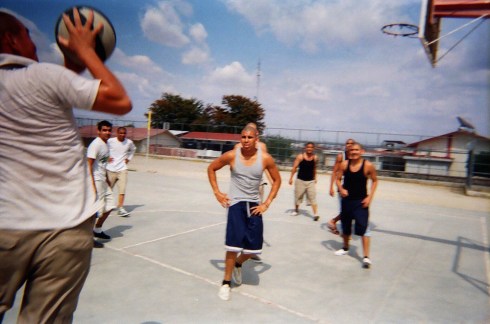
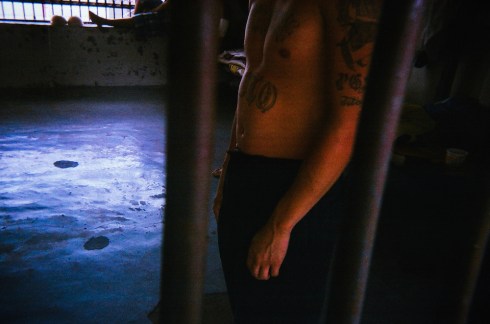
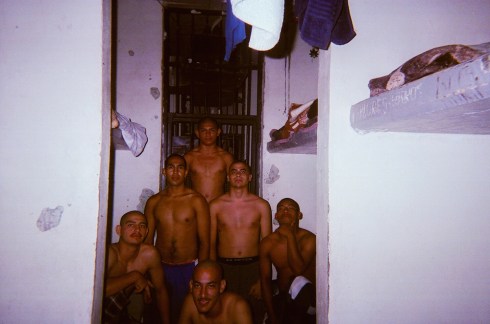
ITAMA houses approximately 450 boys and men. All the prisoners were convicted as juveniles but currently 70% of the prisoners are adults as they’ve turned 18 during their incarceration. Castillo led a photography workshop with 10 boys aged between 15 and 21. When he sent me the photographs I was floored by how sparse and rudimentary the environment for these kids appeared. I wondered if this was a case in which, more so than others, the camera didn’t lie?
All these photographs were made by the 10 participants. Castillo and his colleagues only made technical recommendations in order for the boys to take advantage of available light and framing. “The boys decided how to work and what to photograph,” says Castillo.
Kindly, Castillo answered some questions about the project to accompany this exclusive showing of the juvenile prisoners’ photographs.


Q & A
Prison Photography (PP): Did you find prisons/social justice first? Or did you find photography first?
Alonso Castillo (AC): It is hard to say, I come first of photojournalism but this area is combined with social justice; that is, I do believe that our work is for the other. In this case this two territories are combined with an equal third one that is working with young people who have committed crimes.
Anyway, due to my job, I suppose I found photography first.

Alonso Castillo and his students in the middle of a workshop session.
PP: What gave you the idea to do a workshop in the prison?
AC: I’ve taught, and participated in, workshops before—in Mexico, Cuba, El Salvador, Ecuador and Colombia. I try to make workshops part of broader and more complete projects of research into specific topics, or provide media training, or instruct on the practices of street journalism.
I knew a writer, Carlos Sanchez, who taught literature and creative writing at ITAMA. Together, we planned to work with young prisoners and teach photography. Carlos usually facilitates writing workshops so this was the first in which we worked with photography. For me, as a journalist and teacher, it was also a means to research and observe [the prison]. And the way things worked out, it was a very enjoyable observation.

PP: How did you get access?
AC: The workshop was organized in conjunction with Fotoseptiembre an annual photography festival which recently celebrated its 25th year anniversary. Although Fotoseptembiere no longer takes place in all countries, it still exists in the city where I live. The festival served as a pretext to get authorization and work with these guys as part of a program that also included an exhibition to show the end results.


PP: How long was the course?
AC: It lasted about 40 hours but we sometimes relaxed the formal schedule to adjust to the schedule of the boys or what was needed to complete the exercises. It is more accurate to say that we worked during the months of July and August 2013, and mounted a small exhibition in September. First we worked in the classroom with classes on theory; we saw some portfolios and documentary photography and we talked with the group and watched movies about photography. Later, disposable film cameras were given to each participant.
Participants were ten young people from five cities in central, northern and southern Sonora. Some of them came from the border municipalities for drug trafficking and murder.
The first exercise was carried out, then the cameras were processed and together we reviewed the work they had done. Then they were given yet another camera and had a chance to improve the ways they were seeing.
Much of the discussion topic was “everyday life”—their daily lives within ITAMA.


PP: What was the aim of the course?
AC: We wanted to share with them tools and skills to help with their rehabilitation and reintegration; they could acquire knowledge and then approach a job when they finished their detention. We also wanted to give them occupational therapy during their time inside the ITAMA.
As we move forward in the activities it became a very human exchange of experiences between us and them, in which analyzed and talked topics of art, history, music, cultural references and social problems.
The photography and talk about photographs was as a part of healing.

PP: Did you achieve the aims?
AC: It is difficult to know if what we did at that time will serve for something when they came out, which was an important part. With what happened in the classroom, yes, I am satisfied.
While in detention because they committed crimes (and some of them very serious), it was very emotional to reveal their “other faces”, the other sides to these young people.


AC: Although criminals, they remain children. This plain fact is something that the system ignores or cannot sufficiently deal with. All these boys are in the middle of a long learning process and maturation; they experience the same intangible fears as any of us. It is a matter of influencing the values and beliefs they have, rather than corrective measures and punishments.
There are also other related matters. The environment has a very strong and decisive weight. These facilities provide for the operation of organized crime on the streets and in the offices of government. Rehabilitation doesn’t work if the institution operates in the midst of corruption. The Mexican political system besides not favoring conditions for social security and education, seems to be working to do otherwise.

PP: Any unexpected surprises?
AC: They showed huge interest in the workshop, which very often does not happen when you’re outside teaching boys in the regular education system and even in college. It is sad but sometimes you find more resistance in a student who had better educational opportunities. With this group, everything happened in an easy way.
There was a boy with a natural look, he made some of the best photos of the workshop; he had a sophisticated way of seeing that gave the images a very contemporary look.
That happens sometimes in the workshops: anyone can worry so much about making a picture look easy and then someone comes in and just do it.

PP: Anything you’d want to do differently if you wanted to/could teach another prison photography workshop?
AC: Of course. Working on more personalized projects. The conditions are limited but we could work with them in a better recognition of the environment. Projects could be designed for collective or personal response — online journals, a newspaper produced by themselves, and so on.
PP: Why did the prison authorities let you in?
AC: I think they did not take us seriously to consider us as a threat, except for us to fulfill the security conditions such as the introduction of dangerous objects or not allowed.
PP: Had you been in a prison before? What did you expect to find? What did you find?
AC: Yes, I had been before taking pictures for a story. The access we now had was restricted only to the area to teach the workshop, so we only saw facilities from afar … and in photographs!

PP: What were the boys’ reactions? How did they work?
AC: The first reaction kept at a distance but then it broke. There were different profiles and even some involving more than others, empathy was virtually total. Then we work with maximum freedom. Sure, they are young and at some point they laughed at us but at no time was any kind of rejection or problem.

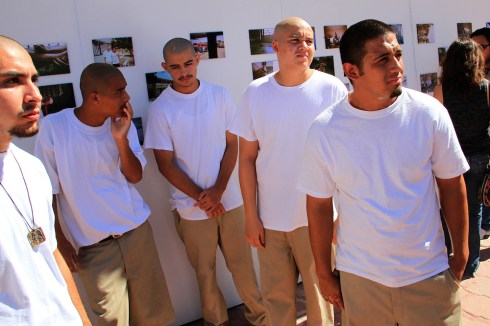
AC: After the workshop we had a very modest exhibition in the courtyards of ITAMA, with some family and other visitors. When we worked on that, we processed some film close to the date and we found a picture of the soles of the boys feet. As the exhibition was to be called Desde Adentro (From Within), the boys did a special photo for that—they sat on the floor and wrote the name of the exhibition on the soles of the feet. That was something we were not expecting.
In 2014, a selection of work from the boys won an honorable mention in a local photo competition.
PP: What was the staff’s reactions to the boys walking around with cameras?
AC: We did not know of any reaction. You know, reading the photograph depends on the social construction and context. It is that possible for them and the staff of the detention center, there was no threat from outside, were themselves taking pictures around. We did not go as journalists and we weren’t there to make a report or complaint or observation of human rights in the prison.
In a subtle way, these photographs depict these young people for whom we have used the prison to delete their presence and hide them … and we’ve done so only for our own convenience. These photographs confront us with facts that lay counter to our simplistic thinking.
PP: Do prisons work?
AC: Prisons serve as a reflection of human behavior in which the administration of justice becomes confused with revenge.
We want justice but don’t think very deeply about its application. People go to prison for many different types of crime but when they’re inside we make no distinctions. Initially, justice is operational and later it is a process that becomes bureaucratic, expensive and exhausting for those who experience it. The legal part of the system is a mess; it is much harder to get out even with the law in your favor. Prisons may be where all traffic comes to a dead end.

PP: Can photography heal social ills?
AC: Yes. It is an effective tool to communicate, to visualize and generate impact to social problems. Although it’s not a massively used tool for educational purposes, I think no efforts are small and everything we do is important.
In the near future, I want to train groups of people to jump-start local journalism projects involving vulnerable sectors of population and minorities (native groups, sexual minorities, neighborhoods, and others.
PP: So reach is a big factor too.
AC: Yes. César Holm, who works on a project for the professionalization of photographers in Mexico, in a conversation we had recently, mentioned the need to get an audience for photography and the promotion of a profile for teaching. I agree with him.
I say it is not a massive tool because although photojournalism represents a broad global distribution circuit, I have the impression that we are producing for ourselves. This phrase I heard a few years ago and I still like it, “only photographers know photographers”. We like to publish books that we read, there are contests and scholarships for specialized circle of consumers, who are we and our friends.
I think we could expand that circle.

My list of fave photobooks is the Vantage list of fave photobooks. I noted the subheader should read: How four books mailed to the author and two other books he bought in crowdfunding campaigns made the grade
THE ANOINTED ONES
Fan by Rian Dundon (Modes Vu)

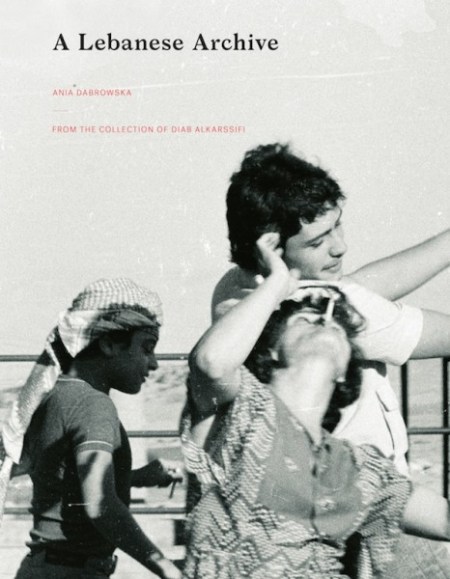
A Lebanese Archive by Ania Dabrowska (Bookworks + Arab Image Foundation)
Deadline by Will Steacy (b.frank books)

In The Vale of Cashmere by Thomas Roma (Powerhouse)

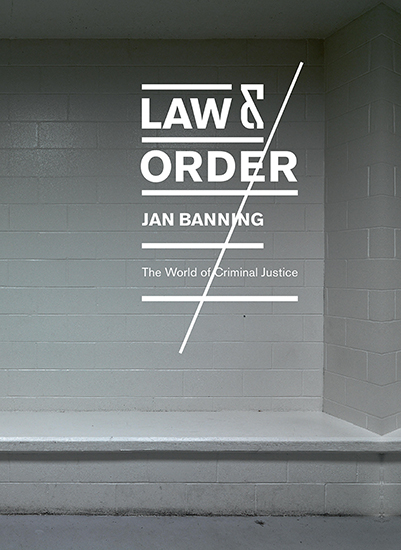
Law & Order by Jan Banning
Pony Congo by Vicente Paredes (This Book Is True)
–
I’m perplexed by how exactly the photo-world goes about constructing its holiday exhortations. So much so that Joachim Schmid’s polite takedown of the Photobook-Industrial-Complex is just the best thing.
–
READ THE FULL REASON BEHIND THE LIST HERE

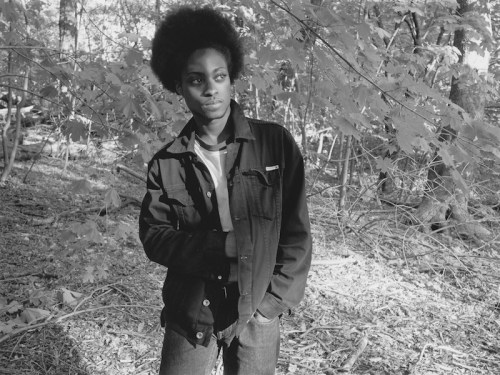
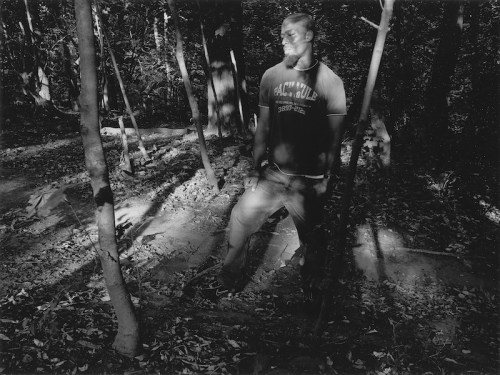
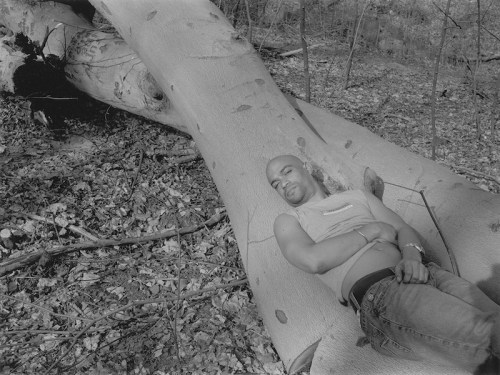
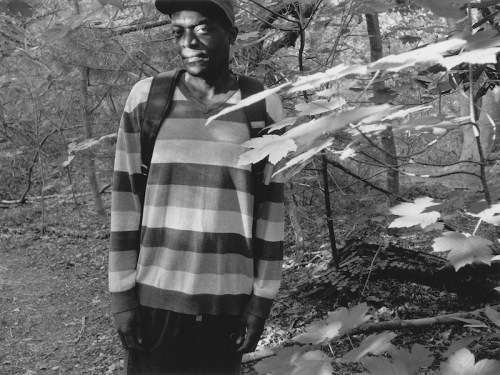
Thomas Roma‘s book In The Vale Of Cashmere is probably familiar to you. It has had enjoyed widespread press and positive comments. And rightly so. It’s one of my favourite books of the year. I just did a review of the book and project for Vantage.
Roma’s arresting photos go inside the Vale of Cashmere a renowned casual hook-up spot that has, for decades, hidden in plain sight on the northern side of New York’s prospect Park–an overgrown, knotty pocket of criss-crossing paths that is of Brooklyn’s most active gay cruising spots. The Vale of Cashmere is commonly, but not exclusively, frequented by African American and Caribbean men.

Not only are Roma’s portraits–that take us on long and repeated walks through the foliage and dappled light–wonderful so too is the contributing essay by G. Winston James. Between the two of them we are able to encounter, pass or pause with the men who meet among those trees.
I write:
James reminds us that sex is an activity designated for private spaces, namely the domestic space of the home. But for gay men living in the late nineteenth and early twentieth century, homosexual sex could not be expressed at home so it became a public act in public space. Crucially though, gay cruising and meeting spots only function as such at designated times.
“The most defining characteristic of queer space is its temporality. Queer space is not a permanent fixture of the urban landscape, but a sudden transformation that briefly renders traditional public spaces as something more dynamic,” Shaw once wrote.
James adds, “It is precisely this process of transformation (witnessed by a relative few), this dynamism, this history, that Thomas Roma has photographed.”
–
Read the full review: Loving Portraits Of Gay Black Men Cruising In Prospect Park


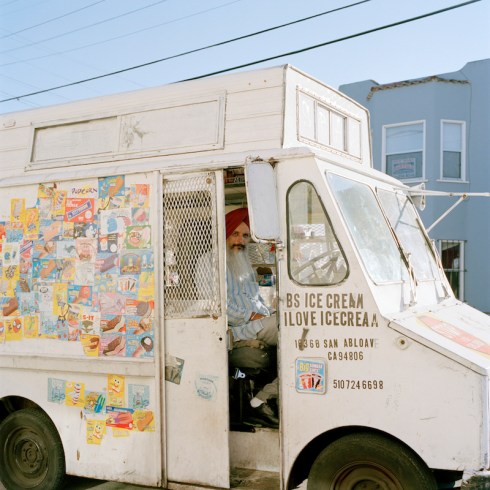
Paccarik Orue. BS Ice Cream, I Love Ice Cream, 2010. From the series ‘There is Nothing Beautiful Around Here.’
When mentioning, yesterday, that the Status Update book is now on sale, I listed the press thus far. Hours after I published that post, Michael Shaw published his own — a review of the show at Reading The Pictures. More accurately a review of the edit of images within the projects.
Shaw’s review, titled Silicon Valley in the Mirror pairs some images and makes juxtaposition between others. It’s full of the pep and the frenetic keen-eyed we’ve come to expect of RTP articles.
I think Shaw is being deliberately provocative putting Silicon Valley front and center of the title and piece; he knows Rian Dundon, Catchlight and I wanted to create a show that went beyond the “tech narratives” but Shaw, to be fair, makes good points to say that all aspects of this Bay Area region are (knowlingly or unknowingly) in response or conversation with tech monies, people, culture and economies.
On Talia Herman‘s photographs of her family and his comment that “the symptom on the flip side of the [tech] boom is narcolepsy” I reckon Shaw misinterpreted the images and our curation. If there’s a slowness in the countryside and in the last embers of counter culture, it’s still a chosen sleepier pace; a calm, not a fatigue.
I love, though, what Shaw had to say about Paccarik Orue‘s portrait of a Sikh ice-cream vendor in Richmond:
“So much for virtual reality and commodification. In Orue’s photo, a sense of place (and respectful commerce, too) comes from identity and ritual, faith and ethnicity, as well as all the old flavors of the neighborhood.”
Good stuff.
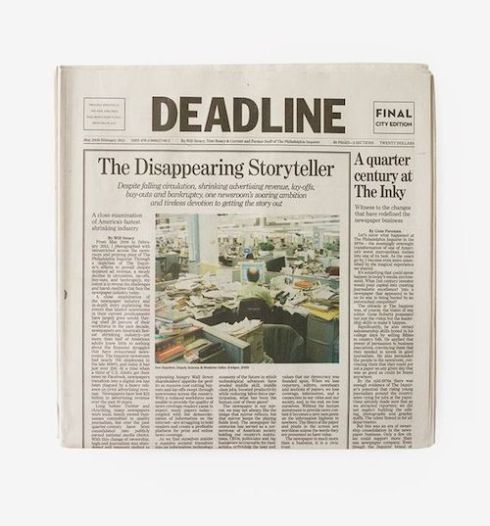
I was asked to nominate a book for TIME’s Best Photobooks of the Year 2015 list. So I chose a newspaper.
Will Steacy‘s Deadline is an absolute cracker. One for the working man.
I was proud to nominate Deadline because is brings attention to, as Steacy describes, “the silent army, the gears of the working press, the behind-the-scene workers whose eyes, ears and hands touch a story before it goes live/printed and after the reporter hits send.”
Here’s what I wrote:
Appropriate design and layout are central to a photobook. A newspaper format was the obvious choice for Deadline, Will Steacy’s homage to, an examination of, a downsizing Philadlephia Inquirer.
But after making the obvious choice, Steacy had a long way to go and a high standard to meet. Deadline is a workers’ history of a paper that in the eighties was known as the “Pulitzer Machine.”
Fanatical in its view of both the newsroom and the printing presses, Deadline honors the labor of the copyboys, the reporters, the inkers and the editors equally. Decorated journalists reflect back on the Inquirer’s “Golden Age” and Steacy’s dad reflects on generations of their family working in newspapers. In five sections, the amount of research, fact-checking, phone-calls, line-editing and captioning in Deadline is astounding. A collaborative and self-reflective cousin of the newspaper format it references and reveres. Unrepeatable. Unbeatable.
Steacy can breathe easier, now, after completing the epic project.
“This, for me, was an initiation into my family’s newspaperman club and as close as I will get to calling myself a sixth generation newspaper man.”
From where I stand, Steacy looks like a newspaper man. You?




HAPPY THANKSGIVING!
On the eve of Thanksgiving, it is good to remember our shared humanity. It’s also good to acknowledge our shared crimes and remember the blood spilt on the American continent. Yes, it’s imperative to celebrate common values and spiritual connection, but never at the expense of false narrative. Thanksgiving is an ideological construct to lessen the burden of a genocide perpetrated by first European and, later, White American settlers.
Yes, we need to commune and yes, we need to pause, often, and to be grateful for all we have, but let’s not wholly embrace a mythos that paints settlement of America by violent outsiders as one big picnic.
I just republished, on Medium, my 2009 Prison Photography interview with Ilka Hartmann, who photographed the Indian Occupation of Alcatraz in 1970/71.
Because our relationship to the past is our relationship to one another
Read: Photographing the Indian Occupation of Alcatraz: An Interview with Ilka Hartmann
See: Ilka Matmann’s photographs of the Indian Occupation of Alcatraz.
HAPPY THANKSGIVING!


All images: © Ilka Hartmann

PHOTOBOOK
Earlier this year, Zora Murff contacted me and asked if would write some words for his debut book Corrections. Of course, I jumped at the chance. I’m a huge fan of the work. I interviewed Murff at length in January 2014 and I wrote about Corrections for the Marshall Project in December 2014.
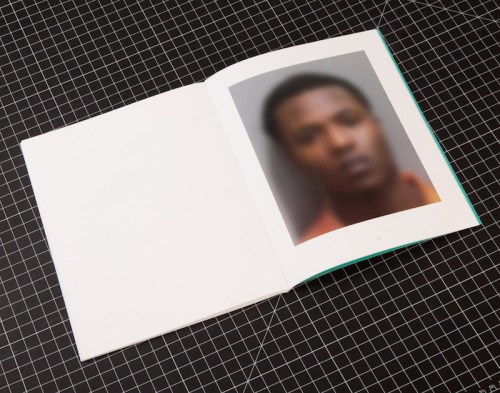
Corrections is a collection of images made by Murff made between 2012 and 2015, while he worked as a Tracker for Linn County Juvenile Detention and Diversion Services in Cedar Rapids, Iowa. Interspersed with his portraits of teens and still life studies of monitoring equipment are anonymised mugshots.
Today, the book was made available for pre-order. Books ship December 7th.
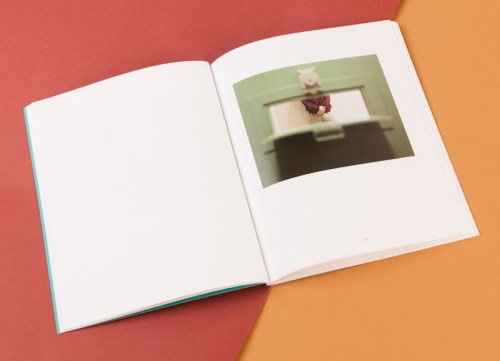
Throughout Corrections, Murff is investigating the psychology, the coercion and the effects/costs/benefits of control. We’re dealt a teasing glimpse of how electronic monitoring works for the state and niggles against presumed natural freedoms. These frictions play out against the hormonal whirl of teenagers trying to find their place in the world.

“By reconsidering the role that I played in the lives of the kids I worked with, I began to acknowledge the burden that comes with tasking young men and women with continued complicity,” writes Murff. “My stance as a consequence kept our relationships in a state of flux ranging from stable to tenuous – a constant motion mirroring the discord that develops between the system’s intentions and outcomes. Through employing ideas of anonymity, voyeurism, and introspection, Corrections is an examination of youth experience in the system, the role images play in defining someone who is deemed a criminal, and how the concepts of privacy and control may affect their future.”

Murff provided services to youths who were convicted of crimes and were monitored while on probation.
“Juveniles in my charge were asked to comply with services which may include: electronic monitoring, therapies, drug screening, and community service; it is my responsibility to have continual contact with them to ensure these expectations are met,” he says.

Electronic Monitoring (EM) is becoming more and more common. EM is characterised–by its supporters–as a more humane, less forceful and cheaper alternative to incarceration. However, it’s use and long-term effects (especially for children) have been the subject of relatively little study or public attention.
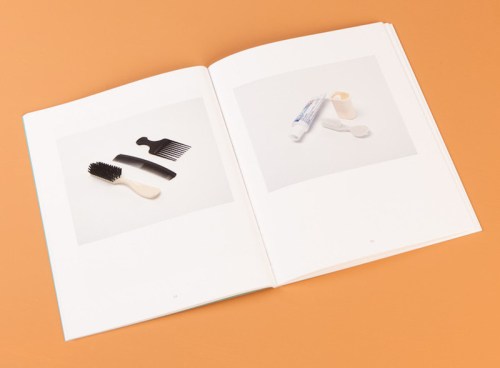
“These services, which allow juveniles to stay in their homes, show a higher rate of success than strict incarceration. Although community-based services are built to foster a collaborative relationship between juveniles and service providers, attaining the actualization of teamwork becomes problematic when juveniles feel that they have done nothing wrong, are victims of circumstance, or do not fully understand why they have committed a crime,” says Murff.

My essay/introduction focuses on the business practices, markets and language behind the electronic monitoring industry and how this boom sector of criminal justice may or may not be the panacea law enforcement hopes for.
“The system has been put in place to provide rehabilitation, but it is far from being a straightforward process,” writes Murff. “Many influences outside of the youths’ control such as education, socioeconomic status, and race all play a role in whether or not a youth reoffends — all of these factors possessing the propensity to lead them to extended periods of incarceration in the juvenile system or to involvement with the criminal justice system as an adult.”

I’ll share my full essay (with Murff’s photos) in the new year, but at this moment I urge you to order a copy.
Murff and his publisher Ain’t Bad have manufactured a beautiful object about a crucially current and unexamined topic of criminal justice.
BIO
Zora J Murff is an MFA student in Studio Art at the University of Nebraska-Lincoln. Zora attended the University of Iowa where he studied Photography and holds a BS in Psychology from Iowa State University. His work has appeared in The British Journal of Photography, WIRED, VICE Magazine and PDN’s Emerging Photographer Magazine. Zora was named a LensCulture 2015 Top 50 Emerging Talent, a 2014 Photolucida Critical Mass finalist, and is part of the Midwest Photographers Project through the Museum of Contemporary Photography in Chicago. Zora is a member of Strange Fire Collective with Jess T. Dugan, Hamidah Glasgow, and Rafael Soldi.

DETAILS
Title: Corrections, 2015
Introduction: Pete Brook, Prison Photography
Size: 9.75 x 7.75 in
Page Count: 80 pages, 40 images
Publisher: Aint-Bad Editions
Edition Size: 450, signed and numbered
Print: 8×10 signed and numbered edition of 50
ISBN: 978-1-944005-01-6
Start shipping on December 7th. Pre-order now.


 Prison Photography