
You are currently browsing the tag archive for the ‘Richard Ross’ tag.
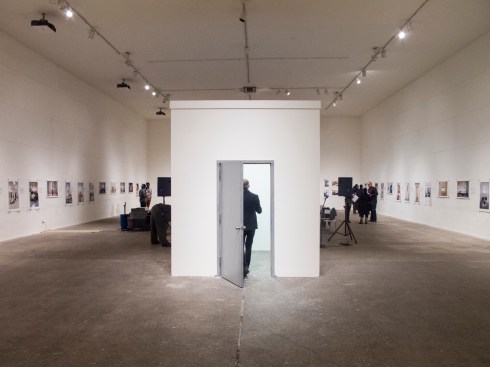

Richard Ross’ Juvenile-In-Justice project of photography and advocacy just keeps on rolling. And it does so with an experimental spirit and real world change.
Juvenile-In-Justice is currently on show at the Ice Box Project Space, part of Crane Arts in Philadelphia. Ice Box — which is in Kensington, one of Philadelphia’s poorest neighbourhoods — will host a free juvenile record expungement clinic on December 3rd.
The expungement clinic — which will be the first of its kind in Pennsylvania — expects to help 150 youth but there is no cut off. “We are going to take all we can and make sure no one is turned away,” says Ross.
Expungement is feasibly open to all youth but the expensive bureaucracy often prevents their ability to move into adulthood without criminal record they acquired as juveniles.
“If not expunged, a juvenile record is often a significant roadblock to employment and other opportunities for these young people. Even when someone takes action to expunge their record, hiring a private lawyer can cost thousands of dollars,” says Ross.
The show demonstrates a laudable cohesion of art and social practice.
“So often art that speaks to social justice issues is simply looked at, provoking brief contemplation among the audience,” says Ross. “While awareness is certainly great, we are turning the gallery into a laboratory for social change: photographic evidence of a problem hangs on the walls, while the people among the art work to alleviate it.”

The expungement clinic is particularly needed in Pennsylvania, state which is bucking the national and effective trends of youth decarceration.
“Pennsylvania is one of only two states in which the incarcerated juvenile population is actually growing,” says Ross.
Ross is quick to point out that this bold project comes about through the efforts of many partner organizations fighting for youth justice in the Philadelphia area, not least inLiquid Art + Design. “Their work, from inception to impact, is truly admirable,” says Ross.
Why should we care about juvenile incarceration? Check out my WIRED article about Ross’ work for some answers. Below, are a few more of Ross’ photographs from Juvenile-In-Justice.

Restraint chair for self-abusive juveniles at the Mendota Juvenile Treatment Center in Madison, WI houses 29 children and is usually at full capacity. The average stay for the emotionally and mentally disturbed juveniles, some of which are self-abusive or suicidal, is eight months. Children must be released at age 18, sometimes with no transition options available to them.
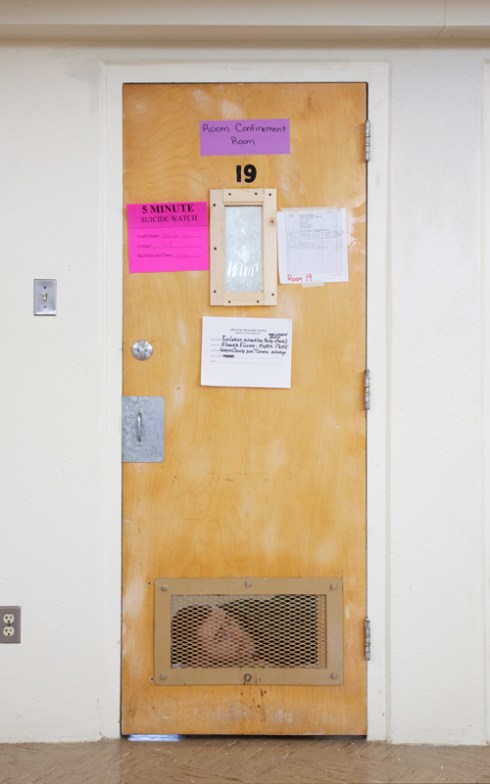
Nevada Youth Training Facility, Elko, NV.

“Time out room” at the South Bend Juvenile Correctional Facility, South Bend, IN.
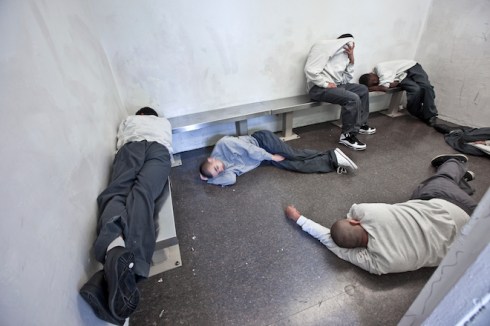
“I photographed intake moments before a director of Los Padrinos Juvenile Hall, Downey, CA, had the juveniles sit in erect and proper on the benches – an unnatural positions. This is one of three major centers of the Los Angeles Juvenile confinement system, collectively the largest in the country. The great majority here is populated by Hispanic and African-American juveniles,” says Ross.
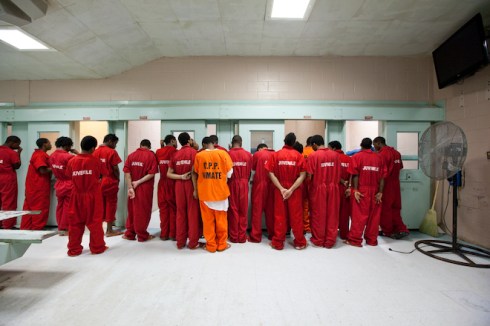
The air-conditioning was not working when Ross visited the Orleans Parish Prison (OPP) in New Orleans. There had also been a fight the previous night and as a result, TV, cards and dominoes privileges had been taken away. The OPP, managed by Sheriff Marlin Gusman, houses about 23 juvenile boys. They live two to each cell. The cells at their narrowest measure six feet in width.

Challenge Program, El Paso, TX. “They come in once a day and do a search of my room,” says the 14 Year old girl. “Everything I have in there, EVERYTHING, goes out–including the inside of the mattress and a body search–once a day. It happens anytime. Random. I was arrested for assault against a 13-year-old girl. It’s sort of all right, but it also really sucks. I’m here for Violation of Probation. I was at home with an ankle bracelet. I got mad at my mother and started throwing chairs and cut my ankle bracelet. My Mother works for Rody One industries; my Father lives in Juarez. I just finished starting 8th grade. It’s boring but I like to write poems, and listen to music. One day I might want to work as a Corrections Officer in a prison.”

A 12-year-old in his cell at the Harrison County Juvenile Detention Center in Biloxi, Mississippi. The window has been boarded up from the outside. The facility is operated by Mississippi Security Police, a private company. In 1982, a fire killed 27 prisoners and an ensuing lawsuit against the authorities forced them to reduce their population to maintain an 8:1 inmate to staff ratio.

This is the third and final post about Photoville. We’ve had the beginning, the middle and so now, the end.
Of the two dozen photographers in the show, only three had actual objects (Sye Williams’ darkroom prints, Jane Lindsay’s bottle caps and Deborah Luster’s tintypes). Given the cost and hassle of shipping, it was decided that the re-used Noorderlicht exhibition prints would not be returned.
I was given instructions to destroy all prints.
It occurs to me that a lot of people don’t talk about this aspect of contemporary exhibition-making. It’s not really sad to see them go, because they never belonged to anyone. They only belonged to the show. And besides, knowing they were to be destroyed, I put most of them up with double sided sticky tape, so there was no preserving them after that ultra-adhesive abuse anyway. Super-strong magnets are hardly kind to bare prints either!
We do plan to travel Cruel and Unusual (make Hester, Noorderlicht and I an offer!) and as such we’ll see shiny versions printed again.
Until then, think on these images of photogaeddon, wanton destruction and image massacre.


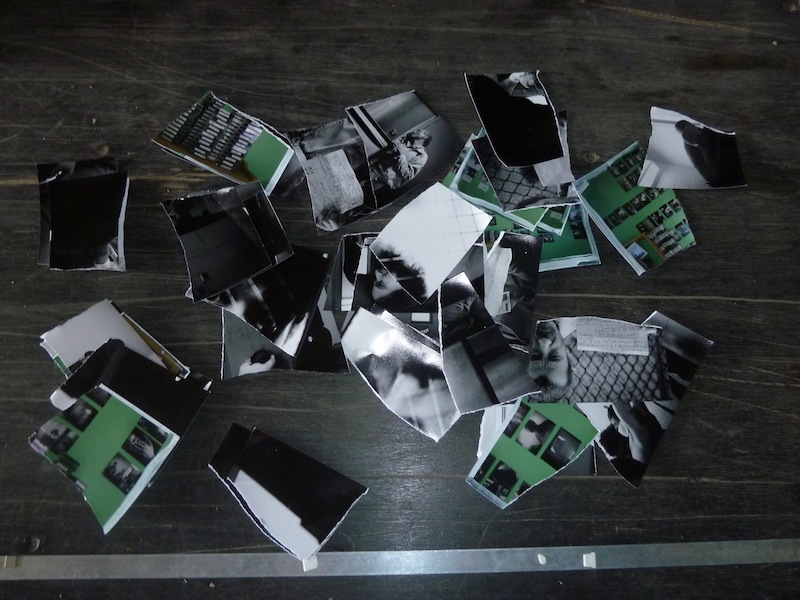
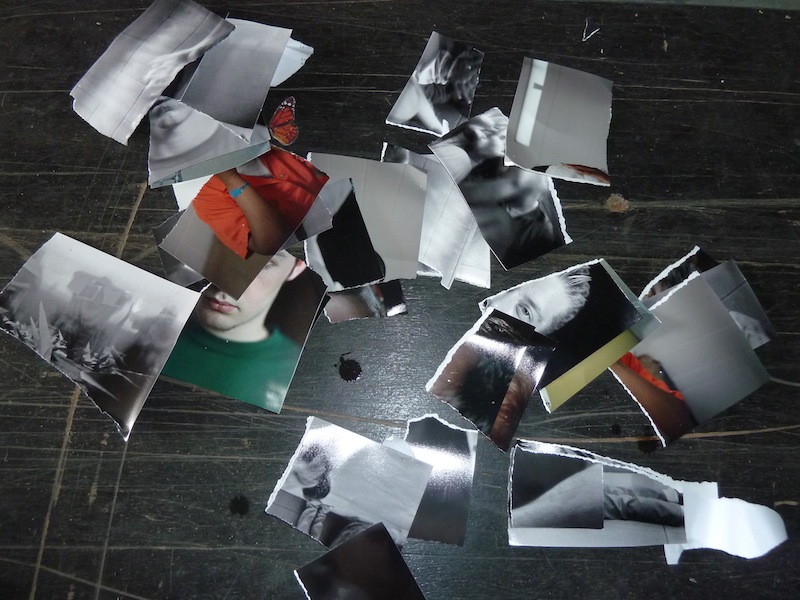


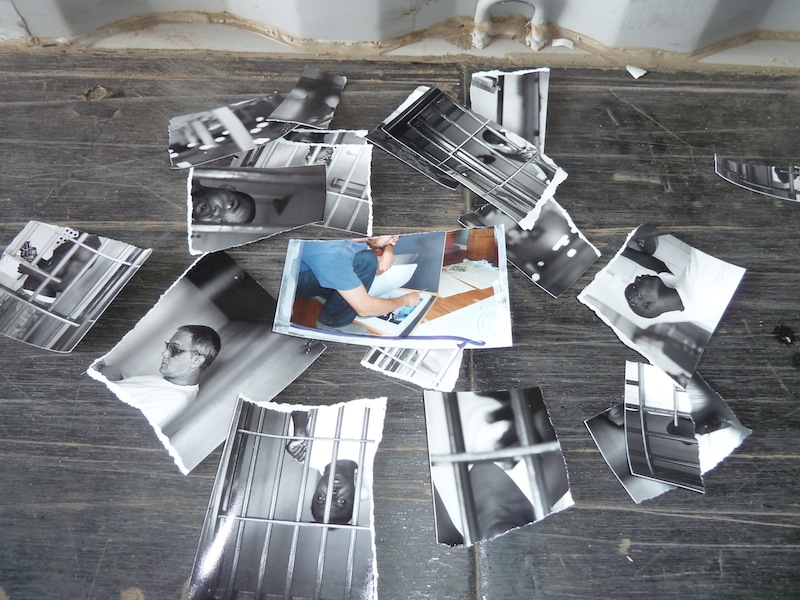

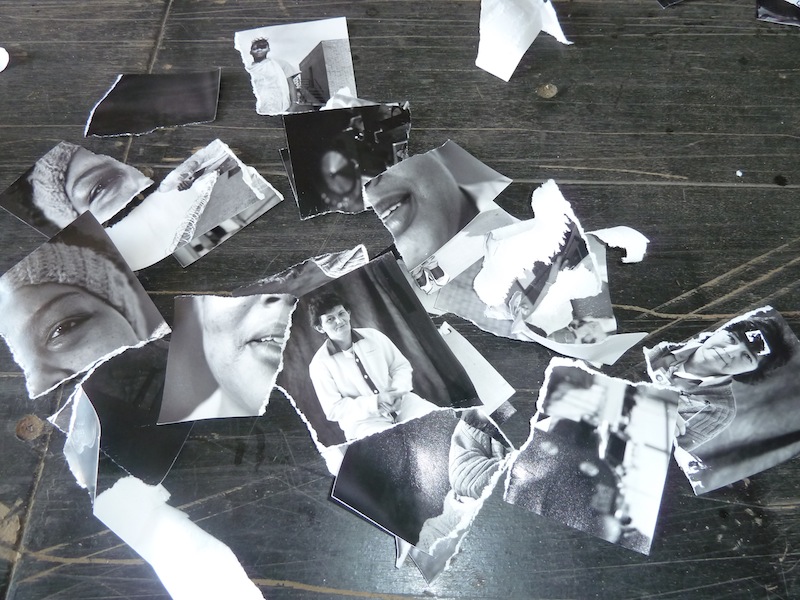


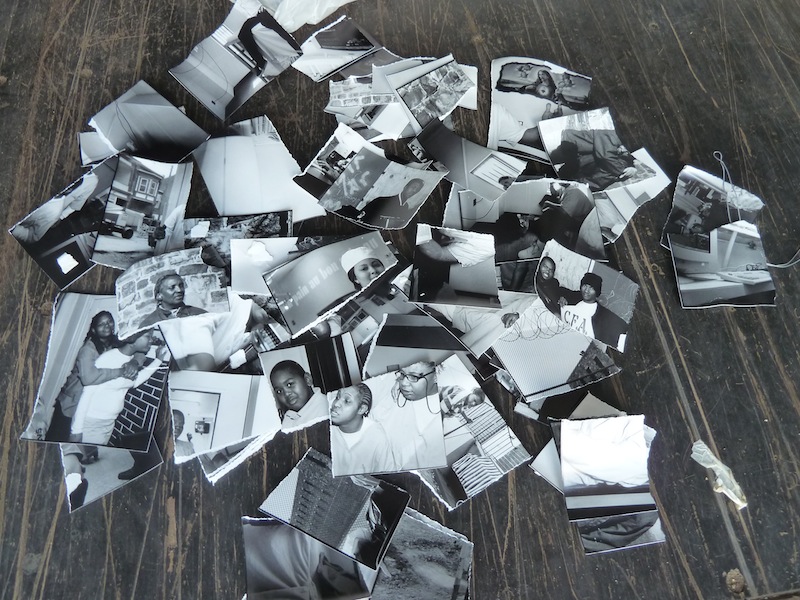

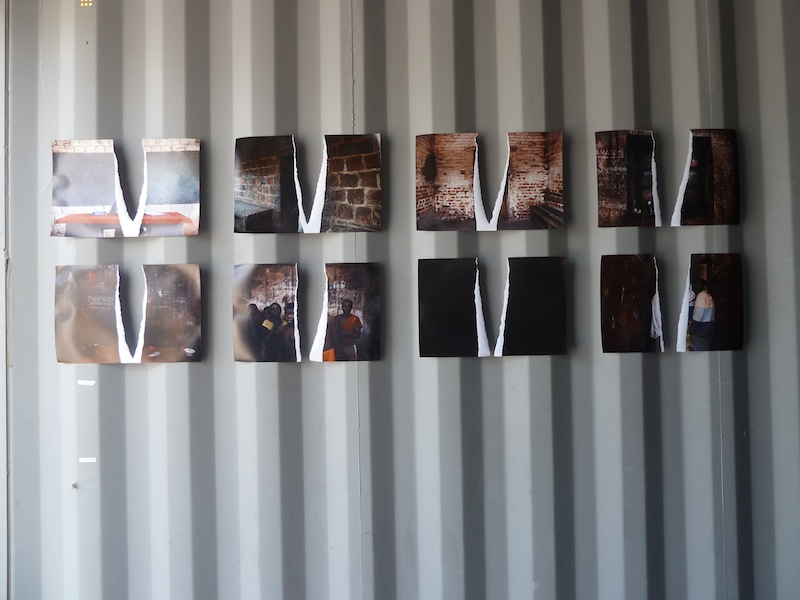


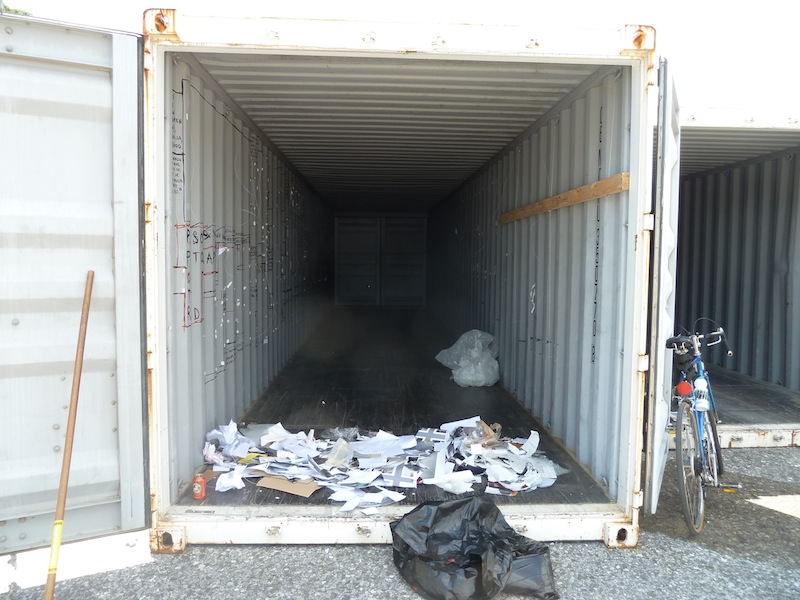
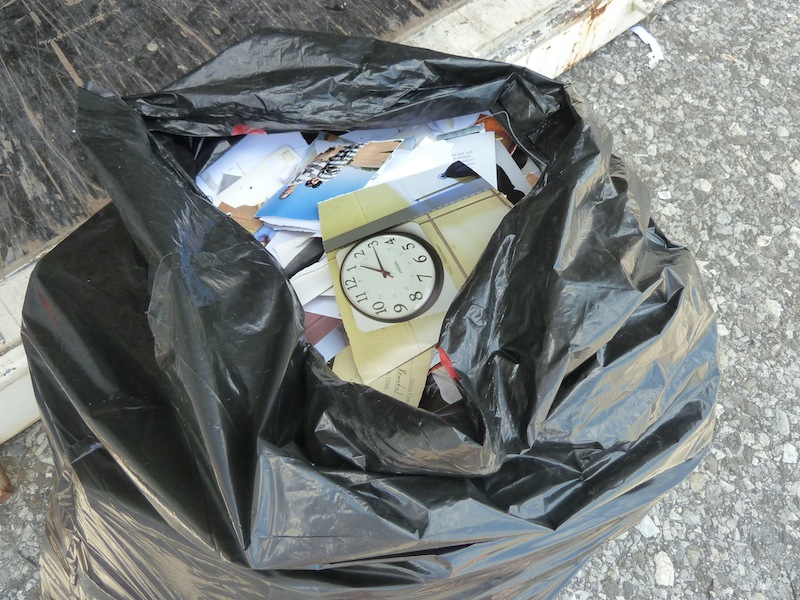

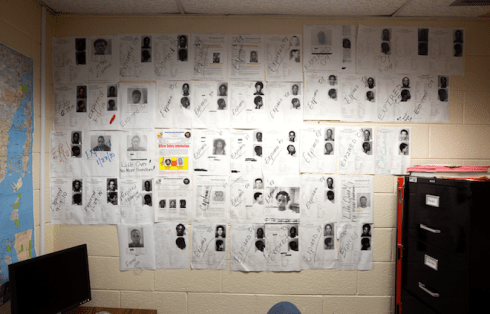
Referred to as the “Wall of Shame,” the mug shots here serve as a reminder to staff of the kids that have been killed on the street. Miami-Dade Regional Youth Detention Center, Miami, FL. © Richard Ross
These days, I contend that if photographers are to progress with their craft, they must be both excellent image-makers and energetic self-marketers.
I’ve known Richard Ross‘ work for a long time now so the former has never been in any doubt. Having seen the way his project Juvenile-In-Justice has been rolled out, it is clear he’s in full control of the latter too.
Ross has been featured on NPR and The TakeAway. The edit of his work in Harper’s Magazine is a finalist in the News and Documentary Photography category at the National Magazine Awards.
I wrote an article Uncompromising Photos Expose Juvenile Detention in America, published on Wired.com last week about Ross’ 5 years of photographing in juvenile detention facilities. (The article was well received and has led to a follow-up piece about the issue. Stay tuned). Ross was also a PPOTR interviewee.
Furthermore, the project will be presented as a traveling exhibition that will premiere at the Nevada Museum of Art, Reno, NV in August 2012. A photobook is also in the works with essays from Ira Glass and Bart Lubow.
After 40 years of photographing, one presumes that Ross has contacts and allies to help him “market” Juvenile-In-Justice and get it in front of the maximum number of eyeballs. The distribution of this work has been robust and effective – and it could hold some lessons for younger photographers.
I’m just thinking out loud here. My main purpose of this post was to share this five-minute feature on Ross’ juvenile detention work put together by PBS.

16 year old boy in King County Juvenile Detention Center, Seattle.
With a stack of cash and a full paid year of leave what choices would a photographer make?
Richard Ross decided to use his award-winning photography skills and decades of access-negotiating experience to visit and document America’s juvenile detention facilities. Now, by giving his images away for free, he’s passing on his good fortune and helping decision-makers build better policy.
Thanks to a years sabbatical from the University of California and the award of a Guggenheim fellowship, Ross was freed of time and money pressures and over a five-year period, visit more than 350 facilities in 30+ states and interviewed approximately 1,000 children. He hopes Juvenile-In-Justice will change the national debate.
Ross has partnered with the Anne E. Casey Foundation, but it’s not an exclusive relationship; he is open and willing to share his archive with any group working to improve transparency in the system and improve the confinement conditions for our nations incarcerated youth.
In our interview, Ross talks about some of the differences in management he observed across counties and states; describes the trauma experienced by many detained children; explains that sometimes the simplest solutions are best; and expounds on how we are quick to give-up on children who have – for the most part – not seen any benefits of our perceived social contract.
LISTEN TO OUR CONVERSATION ON THE PRISON PHOTOGRAPHY PODBEAN PAGE.
Visit the dedicated website Juvenile-In-Justice for regular updates and transcribed interviews with many of the children in Ross’ photographs.
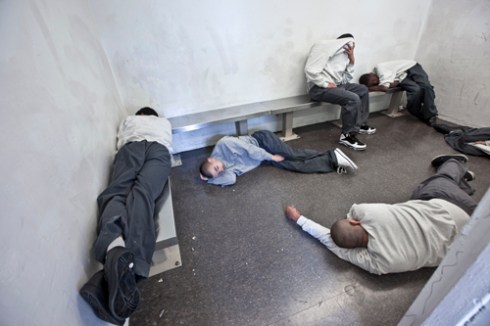
Los Padrinos Juvenile Hall. Downey, California.
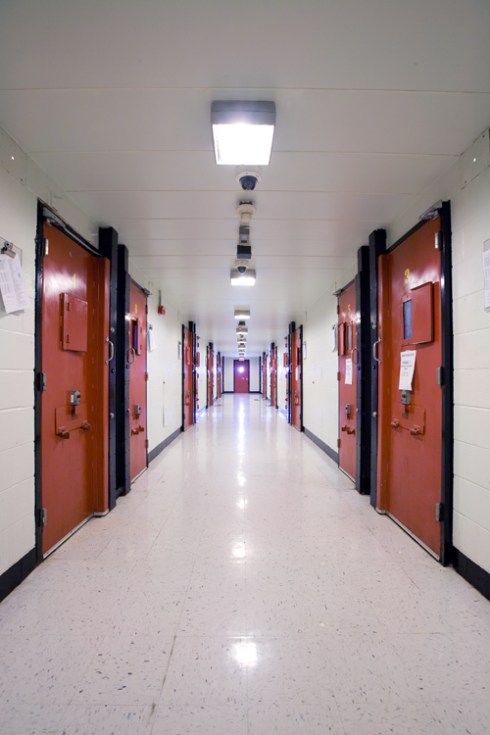
Giddings State School, Giddings, TX. Maximum security. Pictured: hallway of isolation cells, essentially maximum security within maximum security.

Orleans Parish Prison (OPP), New Orleans, Louisiana. The air-conditioning was not working when Ross visited and there was a fight the previous night. As a result T.V., cards and dominoes privilege have been taken away. The OPP, managed by Sheriff Marlin Gusman, houses about 23 juvenile boys. They live two to each cell. The cells at their narrowest measure 6-feet in width.
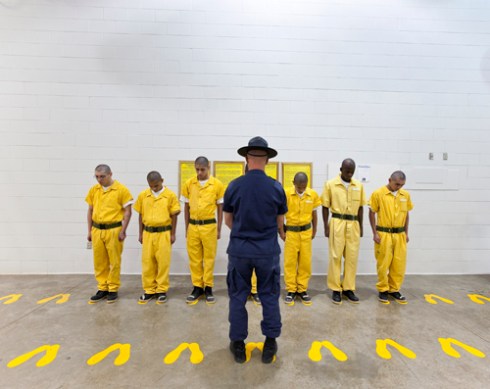
Orientation Training Phase (OTP), part of Youth Offender System (YOS) Facility in Pueblo, Colorado. OTP performs intake and assessment of convicted children. OTP operates like a boot camp. All of the children at OTP have juvenile sentences with adult sentences hanging, meaning that if they fail in the eyes of the authority they will have to serve their adult sentence. For example, a child could be there serving a two year juvenile sentence with 15 years hanging.

A twelve-year old in his cell where the window has been boarded up from the outside, at the Harrison County Juvenile Detention Center in Biloxi, Mississippi. The facility is operated by Mississippi Security Police, a private company. In 1982, a fire killed 27 prisoners. There is currently a lawsuit against the authorities which forced them to reduce their population. They must now maintain an 8:1 inmate to staff ratio.

Dorm room six of the Hale Ho’omalu Juvenile Hall in Honolulu, Hawaii. Built in the 1950s, the facility was under federal indictment until a replacement facility could be constructed and occupied in early 2010. This boy who has been in and out of foster care all his life, has been here at Hale Ho’omalu for one week. He committed residential burglary in 7th grade and has since repeatedly violated with petty actions like missing meetings or truancy. His father was deported to the Philippines and his mother is a drug-user. The only person who visits him is his YMCA drug counselor.
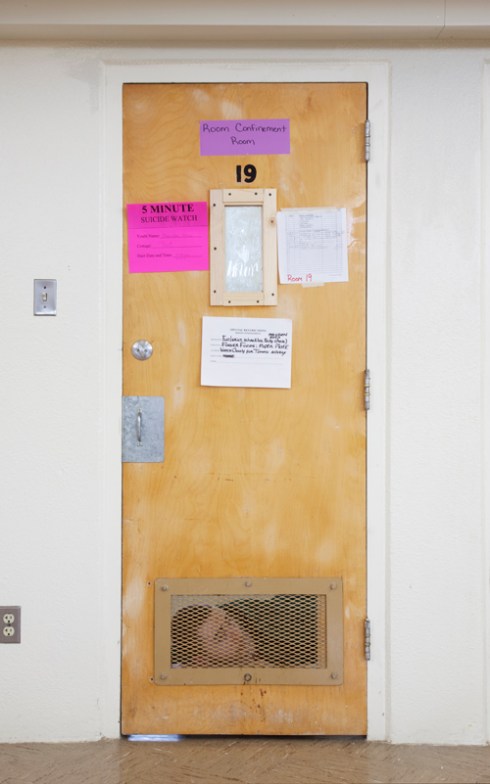

The Caldwell Southwest Idaho Juvenile Detention Center detains children between the ages of 11-17 years old. When Ross visited, six girls were in detention for the following offenses – two for runaway/curfew violations; lewd and licivious conduct, molestation abuse; controlled substance; trafficking methamphetamine; burglary and marijuana
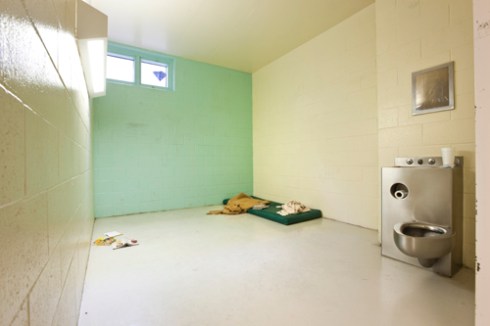
Under 24-hour observation, this 15 year old boy on the mental health wing of the King County Juvenile Detention Center, Seattle, WA is checked on every 15 minutes.

Restraint chair for self-abusive juveniles at the Mendota Juvenile Treatment Center in Madison, WI houses 29 children and is usually always at full capacity. The average stay for the emotionally and mentally disturbed juveniles, some of which are self-abusive or suicidal, is eight months. Children must be released at age 18, sometimes with no transition options available to them.

View of camera monitoring the isolation room at the St. Louis Detention Center, St. Louis, MO. The facility is run by the Department of Youth Services. When Ross visited only 35 of the 137 beds were occupied. The population had decreased significantly because of the embrace of the principles of the Juvenile Detention Alternatives Initiative and the leadership of Judge Edwards.

All images © Richard Ross
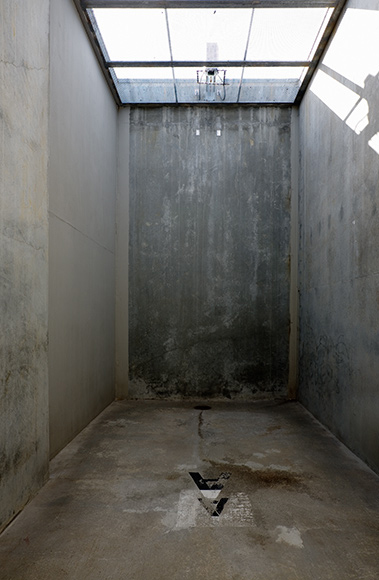
© Richard Ross
Pelican Bay State Prison in Crescent City, California is one of the most oppressive regimes of the U.S. prison system. It was designed to control and isolate the growing gang affiliations within California prisons following the CDCR’s massive expansion throughout the 1980s. It opened in 1989 and established THE model for maximum security prisons in states across the U.S.
Pelican Bay Prison specialises in solitary confinement. When photographer Richard Ross documented prisons as part of his Architecture of Authority project he went to Abu Ghraib, Guantanamo Bay and Pelican Bay.
The most segregated inmates spend 22 and half hours in a cell barely larger then your bedrooms or bathrooms. For the other 1 and a half hours they occupy a concrete pen for “exercise.”
Pelican Bay is notorious for it’s history of violence and despair. It is also, according to Christian Parenti, a boon for small town economics.
It is a god-forsaken hole.
The most isolated prisoners have put together a strike plan. Yes, they have demands, but more than that they want to make a point about the inhumane and invisible conditions they inhabit. Yes, many of them have committed heinous crimes but cooping them up like dogs serves only to increase tension, anger and danger.
BACKGROUND AND DEMANDS
Prisoners in the Security Housing Unit (SHU) at Pelican Bay State Prison have called for an indefinite hunger strike as of July 1, 2011 to protest the cruel and inhumane conditions of their imprisonment. The hunger strike was organized by prisoners in an unusual show of racial unity. The prisoners developed five core demands.
California Prison Focus supports these prisoners and their very reasonable demands, and calls on Governor Jerry Brown, CDCR Secretary Matthew Cate, and Pelican Bay State Prison Warden Greg Lewis to implement these changes. California Prison Focus has also joined “Prisoner Hunger Strike Solidarity,” a coalition of grassroots human rights activist groups in the Bay Area supporting the demands of the prisoners participating in the hunger strike.
Briefly the five core demands of the prisoners are:
1. Eliminate group punishments. Instead, practice individual accountability. When an individual prisoner breaks a rule, the prison often punishes a whole group of prisoners of the same race. This policy has been applied to keep prisoners in the SHU indefinitely and to make conditions increasingly harsh.
2. Abolish the debriefing policy and modify active/inactive gang status criteria. Prisoners are accused of being active or inactive participants of prison gangs using false or highly dubious evidence, and are then sent to longterm isolation (SHU). They can escape these tortuous conditions only if they “debrief,” that is, provide information on gang activity. Debriefing produces false information (wrongly landing other prisoners in SHU, in an endless cycle) and can endanger the lives of debriefing prisoners and their families.
3. Comply with the recommendations of the US Commission on Safety and Abuse in Prisons (2006) regarding an end to longterm solitary confinement. This bipartisan commission specifically recommended to “make segregation a last resort” and “end conditions of isolation.” Yet as of May 18, 2011, California kept 3,259 prisoners in SHUs and hundreds more in Administrative Segregation waiting for a SHU cell to open up. Some prisoners have been kept in isolation for more than thirty years.
4. Provide adequate food. Prisoners report unsanitary conditions and small quantities of food that do not conform to prison regulations. There is no accountability or independent quality control of meals.
5. Expand and provide constructive programs and privileges for indefinite SHU inmates. The hunger strikers are pressing for opportunities “to engage in self-help treatment, education, religious and other productive activities…” Currently these opportunities are routinely denied, even if the prisoners want to pay for correspondence courses themselves. Examples of privileges the prisoners want are: one phone call per week, and permission to have sweatsuits and watch caps. (Often warm clothing is denied, though the cells and exercise cage can be bitterly cold.) All of the privileges mentioned in the demands are already allowed at other SuperMax prisons (in the federal prison system and other states).
The Pelican Bay hunger strikers have support form the other SuperMax in California Corcoran Bay Prison.
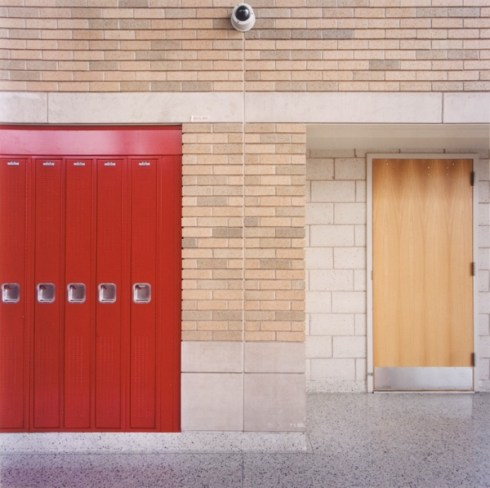
Scott Fortino‘s book Institutional: Photographs of Jails, Schools, and other Chicago Buildings (2005) is important because it hit the shelves two years prior to Richard Ross’ Architecture of Authority (2007).*
People tend to think of Richard Ross’ Architecture of Authority as being the authoritative (pun unintended) photographic statement on use of identical spatial psychologies across the breadth of contemporary institutions. Perhaps Fortino can, and should, disrupt that position.
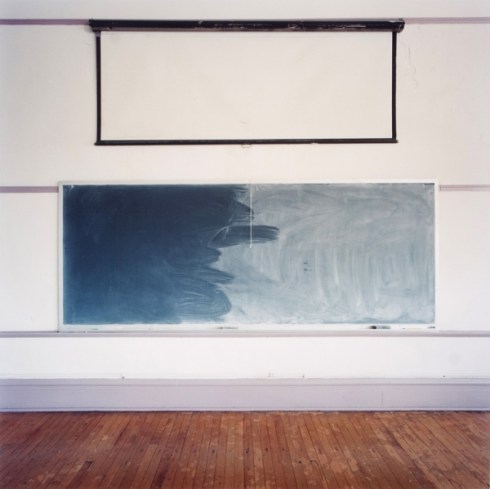

Patently, the publishing date of a book doesn’t close the argument, but I think it is apt to call these two photographers contemporaries in every sense of the word.
There are differences between Fortino and Ross’ work. Fortino’s work looks exclusively at Chicago institutions, whereas Ross – powered by a Guggenheim grant – took his survey international.
Fortino has an unusual bio, working as a photographer and police patrolman. Ross, on the other hand, is a professor in photography for the University of California, Santa Barbara. Interestingly, Ross, the son of a policeman is open about his father’s influence on his work.
I’d really like to see Fortino sat down giving a commentary on his work, just as Ross has here. Better still, I’d love to see Fortino and Ross at the same table!
– – – –
Scott Fortino’s Institutional portfolio, and more here from the Museum of Contemporary Photography Chicago.

BIO
Scott Fortino is a photographer who also works as a patrolman with the Chicago Police Department. His photographs are in the permanent collections of the LaSalle Bank of Chicago, the Museum of Contemporary Photography in Chicago, and numerous private collections.
* The synopsis provided for Institutional: Photographs of Jails, Schools, and other Chicago Buildings by UC Press, for me, misses the mark completely. Fortino’s work isn’t about the “subtle warmth and depth” of these spaces but of the disciplinary form written in the materials, demarcation and use of these spaces.

Central Juvenile Hall, Los Angeles, California 2009.
Richard Ross has pushed live the online component of his latest project Juvenile-In-Justice.
It seems as if this is a natural development from his project Architecture of Authority. For some, it would be quite worrying if Ross had studied oppressive architecture without following up with inquiry into the vulnerable lives within.
American youth is a vogue topic for photographers; Ross’ work (tactically or innocently) should not be excluded from any national narrative about US teenage experience.

Red Cliff Ascent, Enterprise, Utah 2008

Harrison County Juvenile Detention Center, Biloxi, Mississippi 2009.

Ventura Youth Correctional Facility, Ventura, California 2008
“To date, I have photographed Angel’s Flight (L.A.), group homes, foster homes, ICE juvenile holding, Los Prietos Boys Camp, LAPD, SFPD, EL Paso PD, Ventura Youth Correctional Facility, Santa Barbara Juvenile Correctional facility, Sexual Assault Response Team Examination Rooms, interview and exam rooms for sexually abused children, juvenile courtrooms, high schools, Children of the Night (Van Nuys), JHS, Montessori classrooms, Maryvale (a former orphanage), CPS interview rooms, El Paso Juvenile Courtrooms, half-way houses, reform schools, maximum security Giddings, TX, lock-down and nonlock-down shelters, SW Keys, ORR, ICE, DHS, and CBP to name a few. I have primarily focused on kids that are not the “Kids R Us” type of juvenile, but rather minors that become part of a system because they have failed, or their families have failed them, or their society has failed them. Earl Dunlap, the Director of Cooke County Detention Center, welcomed me to his facility with the words: “Welcome to the gates of hell.”
I am trying to get the broadest range of images and texts. I recently photographed a family that has two grown sons, yet took in two separated brothers and two separated sisters in foster care in order to reunite the siblings and start a second family. So there are some positive and quite inspirational portions of my research as well.”

Suicide Practice Dummy, Fairbanks Youth Facility, Fairbanks, Alaska 2010

New Beginnings Juvenile Rehabilitation Facility, Washington D.C. 2009
(via)
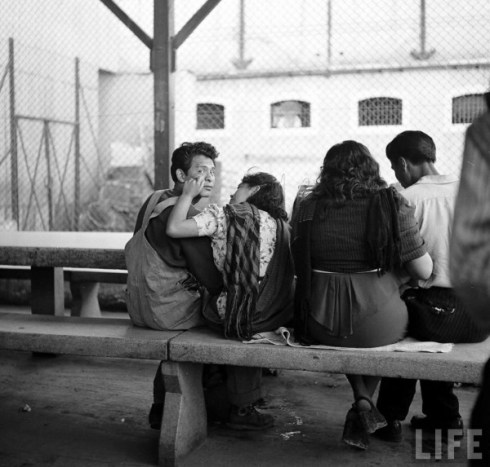
Frank Schershel. Photos licensed for personal non-commercial use only by LIFE
I was made aware of this set of photographs last week (sorry I forget the source!). They’re an interesting document of a bustling metropolis’ prison with an open program of movement, activity and an array of inmates.
The number of visitors and family members involved in many of the images leads me to think of this prison as an institution where people remained until the peculiarities of their situation could be agreed upon and then communicated to ensure release.
The social engagement of inmates with those from outside suggests to me (with an acknowledgement of harsh lockdown-modern-prisons) that the authorities of 1950s Mexico City either weren’t convinced of prisoners guilt, could be convinced otherwise, or simply didn’t map the denial of family-involvement on to the landscape of criminal punishment.
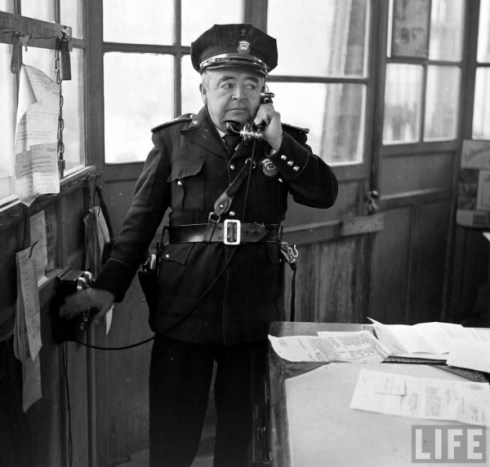
Frank Schershel. Photos licensed for personal non-commercial use only by LIFE
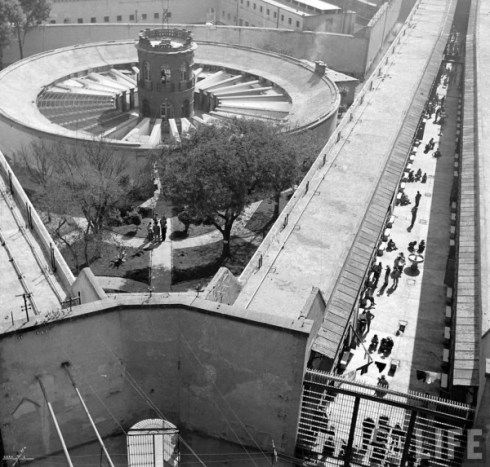
Frank Schershel. Photos licensed for personal non-commercial use only by LIFE
Schershel’s photographs recalled Richard Ross‘ image from Architecture of Authority. Schershel’s images doubled my visual knowledge of Mexican prisons, and so know I find myself in the unacceptable position that Mexican penitentiaries are – in my mind (at least temporarily) – the Palacio de Lecumberri … which means I have to do more research to get away from that inadequate knowledge base.

Palacio de Lecumberri (former prison) Mexico City, Mexico 2006. © Richard Ross
Until Schershel’s photo set, I had thought that Ross’ picture depicted a tower in the centre of a modestly-sized jail, but Schershel’s image puts the tower and rotunda into its larger setting (top left octant).
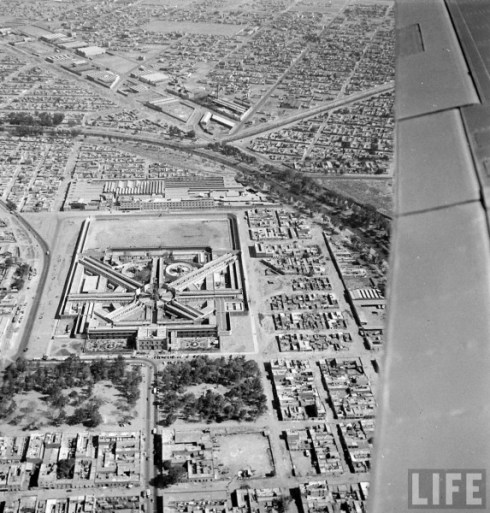
Frank Schershel. Photos licensed for personal non-commercial use only by LIFE

 Prison Photography