id474683516

NO MORE

A quick note to say that I have taken down the PPOTR audio files of interviews with photographers I met during Prison Photography On The Road from the designated Podbean page and mirrored iTunes account.

The extensive time required to audio-edit and publish the interviews is just not something I currently have. I did not want to pay for monthly hosting any longer in the knowledge I wouldn’t be publishing them at any point in the next six or seven months.

But, do not fear! As you know, the interviews are the key component of the upcoming Prison Photography photobook. I have the best intern in the world transcribing all the interviews and the publisher Silas Finch and I have plans for a digital edition of the book which will include all the interviews in full – both audio and transcripts. I also hope desperately, that in the future I’ll be able to host the PPOTR project in full on a dedicated website.

I thank all those who responded positively to the 16 interviews I published in the past year. I hope you understand and will be patient enough to wait for all 65 interviews to be given the full treatment. All in good time.

Vistors enjoy dynamic weather in the Columbia Gorge

The grind and hustle of daily news photojournalism is no joke. Some people can be a bit sniffy about news photographers. Screw them.

As much as possible I try to ignore the haters and the artificial boundaries they construct in the photoworld. True, my interests primarily lie in documentary, participatory, vernacular and some fine art photography, but in every interaction with photographers I want to explore and understand the contexts in which they make work. Therefore, it was a pleasure – for the latest Eye On PDX feature – to chat with Thomas Boyd.

The lifestyle and work-style of news photographers has always intrigued me. Unfortunately, often my discussions of news photography begins with iconic or controversial images, images’ subtexts and imagery’s distribution in our larger ad-fed visual culture; rarely do I get to ask nuts-and-bolts questions to the individuals who create the widely-circulated images we see daily.

An avowed Oregonian, Boyd is a news shooter through-and-through. He is a staffer with The Oregonian, the state’s biggest paper and as such has important insights into journalism (past, present and future). Here, Boyd talks frankly about his experience with the paper; what makes a good image; the peers he admires; and the rise of the amateur.

Scroll down for our Q&A.

– – – – – – – – – – – – – – – – – – – – – – – – – – – – – – – – – – – – – –

Eye On PDX is an ongoing series of profiles of photographers based in Portland, Oregon. See past Eye On PDX profiles here and here.

– – – – – – – – – – – – – – – – – – – – – – – – – – – – – – – – – – – – – –

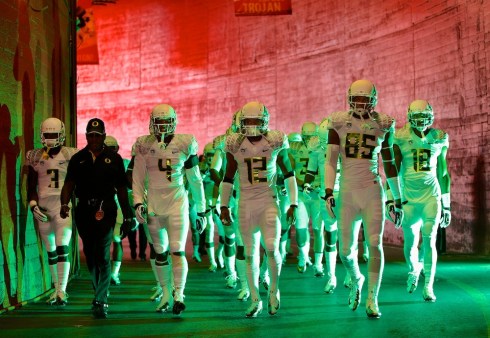
The Oregon Ducks play the University of Southern California in Los Angeles, California, on Fri, Nov 2, 2012

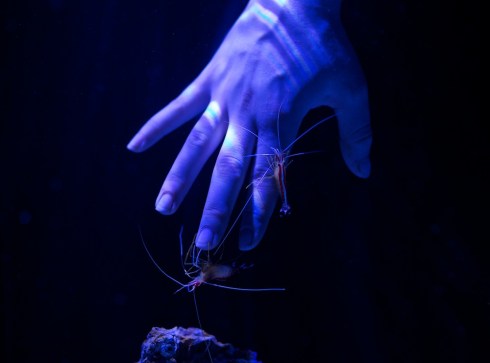
Portland Aquarium opening

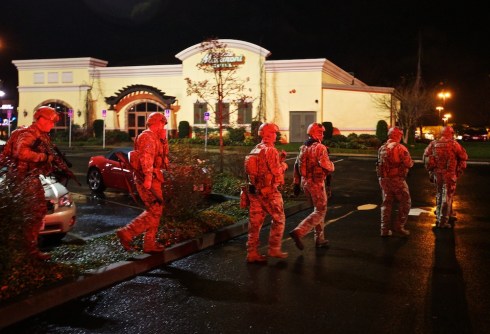
Clackamas Mall Shooting

Prison Photography (PP): How long have you been in Portland? How long have you been with the Oregonian? What’s the deal with this town?

Thomas Boyd (TB): I came up from Eugene five years ago, but before that I lived in the Portland area for about 10-years. I grew up in North Bend on the Oregon Coast and Portland has always been a special place for me. I find it endlessly fascinating.

PP: Day to day, what do you shoot?

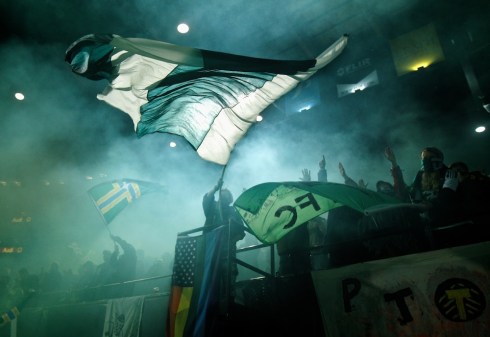
TB: I shoot assignments! I shoot between one and three assignments a day and I never know what they’re going to be until the night before or even an hour before. Yesterday, I shot a basketball game in Eugene, today, I shot a portrait of a documentary filmmaker and an overweight police horse. Tomorrow, I’ll shoot a cat show. That’s a typical random week. I also shoot a lot of Duck football, Portland Timbers and track and field.

PP: I understand the photo staff has shrunk at The Oregonian in recent years? Tell us about the changes at the the newspaper.

TB: Like all newspapers, the business is eroding. With that came layoffs three years ago and buyouts before that. We now have three less photo editors and the staff is down to 10 with two part timers from 19 full timers five years ago. They hire very few freelancers. However, in a recent meeting the we heard the paper met it’s financial goals for 2012 and merit pay raises may be possible. The paper is making money.

But, even with these changes, the way I work really hasn’t changed. I pitch story ideas and I shoot assignments.

I actually see more change with the organizations I cover. I’m seeing them keeping us out of situations so they can document it themselves and drive traffic to their own websites. I’m seeing this with all types of organizations from non-profits to professional/college sports teams. We are essentially competing with the organizations we cover.

Reporters are also being asked to do more with photos, video and social media. I’ve found myself competing with them on stories as well. It’s really awkward for the people we cover. They don’t readily understand what our roles are.

The amount of bloggers covering events is big change too. If you look at the amount of journalists just covering the Timbers, you’ll see that newspapers and television stations are drastically outnumbered. It’s really strange to me. As far as I can tell, none of them are making any real money. If there are two dozen photographers on the field, maybe only four of us are actually getting paid. They do it because they are fans and have day jobs. It’s a head-scratcher for me.

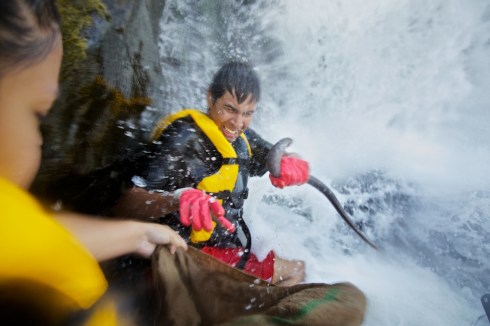
Willamette Falls Lamprey Harvest

Day two of the Olympic Team Trials at Hayward Field, in Eugene, Oregon

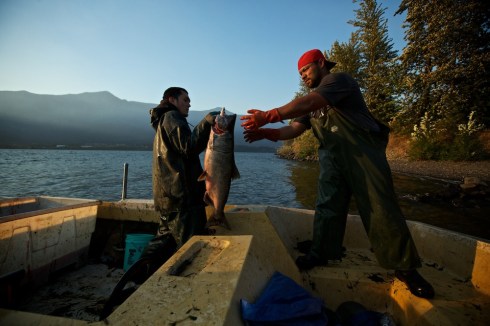
Fall chinook harvest on the upper columbia

PP: Do you make images outside of work?

TB: I shoot outside of work quite a bit. I take as much commercial and editorial freelance as I can, shoot a few weddings here and there, and pick away at my personal projects.

PP: Do you have time to follow the news, blogs, discussions online, or are you too busy being a producer and filing stories?

TB: I wouldn’t say I’m too busy because I somehow find the time…but I don’t follow all that stuff as much as I used to. I probably spend as much time online reading about motorcycles and home remodeling as I spend reading about photography. I also write for a blog called ApertureExpert.com.

PP: Does a lot of the gas-bagging (I’m being self-referential there) online affect the daily life and work of photojournalists? If so, how?

TB: Good question. I suppose photojournalists are influenced by influential work. We see a trend and try to emulate that or be inspired by it to some degree. I’m probably more influenced and more interested in talk about the photography business than actual shooting. As far as my daily work, I’ve become pretty good at sticking to my approach and not preconceiving a situation. It took me a long time to get to that point. When I first started I was all over the map stylistically and how I approached a story. I’m much more methodical and disciplined now, but I do still like to try new things and experiment.

PP: How do you define a successful day/shoot/assignment/image? What brings the smiles at the end of a day?

TB: The only thing that makes me happy at the end of the day is walking away with a photo I like. And, that is a rare thing. Starting out I was more into the experience of making the photo. The results were not as important to me, probably because I couldn’t differentiate between an above average image and a great one.

Don’t get me wrong, I enjoy great experiences on assignment and that happens all the time, but making a great image is where it’s at. I will forget all the suffering I experienced, if I end up with something worth looking at.

I really love the rare times when I’m in the creative zone and everything falls into place. I have an idea, the circumstances are ideal, and I get lucky. The thing about photojournalism is, you never really know if what you are doing will work until it’s too late to do anything about it. It’s all about anticipating what will happen instead executing a plan. If what you are striving to create is spontaneous, real and in the moment, there’s a huge amount of luck involved. It’s all about putting your self in a situation to that favors luck. I’d compare it to hitting a home run or a hole in one. The more you do it, the luckier you get.

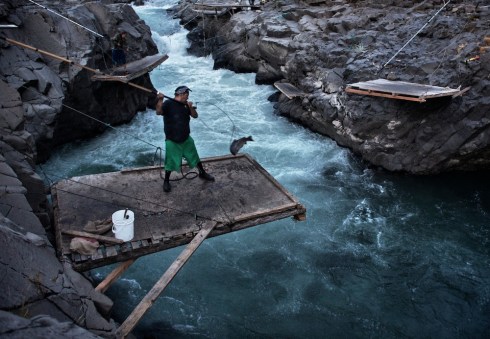
Yakama Indians dip-net salmon on the Klickitat River

Portland After Hours

The Portland Timbers play Real Salt Lake at Jeld-Wen Field

PP: Are photo editors important?

TB: Good photo editors are important in that they can take great work and make it better. Mediocre photo editors get in the way of good work.

I rarely sit with an editor and have them go through my work. I mostly work remotely. I’ll send in my top picks and they take it from there.

I seek out advice on projects, but I believe photo editing is as important and creative as shooting. For that reason, I like to do it myself. I like the idea that I have more authorship in the final product. We make online photo galleries for the web and that’s really what I’m shooting for these days.

PP: How do you characterize the photo scene in Portland?

TB: By my estimation, there are way too many of us. Worse yet, there are too many mediocre photographers that manage to get work by under-cutting better ones. I suspect they won’t last much longer than their trust fund, but that can’t be too soon. That sounds harsh, but I’ve stood in the rental line at Pro Photo and watched a Craigslist wedding photographer rent $400 worth of gear to shoot a $800 wedding. That’s happening in all sectors of photography on different scales.

On the other end of the spectrum, there are some great, highly accomplished Portland photographers that deserve everything they get. Dan Root, Lars Topelmann, Steve Bloch, Sol Neelman, Chris Hornbecker, Bruce Ely, Jamie Francis, Brian Lee, Leah Nash, Chris Onstott, Thomas Patterson, Jonathan Ferrey, Ray Gordon, Anthony Georgis, Craig Mitchelldyer, Andy Batt, and many more that inspire me with solid, professional work.

PP: What lies in the future for you?

TB: If I could have my way, I’d retire at The Oregonian doing what I’m doing now. I’m a newspaper shooter and have been since I started stringing for the AP and The Oregonian while I was still in college at Portland State in the late eighties. I’m a home grown Oregonian and I don’t want to live anywhere else. I’m hardwired to shoot newspaper assignments and I love it.

The future probably won’t turn out the way I want. If it doesn’t, I see myself launching a successful freelance career, starting a business and riding motorcycles.

PP: Anything else you like to add?

TB: For the first time in my career, I’m worried for the future of the photography business. There are just so many forces out there driving down the value of photography and there doesn’t seem to be a bottom. At the same time, there are so many people wanting to do it and schools are cranking out more and more photographers. I’ve always believed that with desire, hard work, a bit of talent, and a little help, a person could make a go of it. I’m not so sure anymore. I wouldn’t advise anyone to do it now.

The internet has created a huge demand for photography, but it hasn’t translated into more work and money for photographers.

The challenge is to avoid thinking about all the negative stuff, and keeping my level of creative energy up. At the end of day, I’m really grateful that I’ve been able to do it this long.

PP: Thanks Thomas.

TB: Thank you, Pete.

Oregon offense and Wisconsin defense attend press conference

– – – – – – – – – – – – – – – – – – – – – – – – – – – – – – – – – – – – –

All images: Thomas Boyd.

– – – – – – – – – – – – – – – – – – – – – – – – – – – – – – – – – – – – –

Eye On PDX is an ongoing series of profiles of photographers based in Portland, Oregon. See past Eye On PDX profiles here and here.

JHall_PrisonPhotographyBlog_015

A temporary gig as a set photographer took Jordana Hall to San Quentin State Prison; her heart and consciousness propelled countless return visits. She has worked particularly closely with men who were convicted when juvenile (under 18) and were sentenced to life in prison.

Hall has worked as a volunteer in existing programs; launched her own project that melds poetry, family letters, snapshots and her own portraits; and visited the hometowns and families of prisoners. The ongoing body of work  Home Is Not Here is part of Hall’s senior thesis exhibition. It will be on show – beginning April 2013 – at the Corcoran Gallery of Art in Washington, DC.

I wanted to learn more about Hall’s motives and discoveries.

– – – – – – – – – – – – – – – – – – – – – – – – – – – – – – – – – – – – – – – –

Prison Photography (PP): How did you get access to San Quentin State Prison?

Jordana Hall (JH): My work at San Quentin started in June 2011. I was hired as the set photographer for a documentary (working title, Crying Sideways) by SugarBeets Productions. The documentary details the stories of a group inside San Quentin called KIDCAT (Kids Creating Awareness Together).

PP: KIDCAT is a group of lifers sentenced as juveniles, correct?

JH: Yes, you can follow KIDCAT on Facebook.

PP: They describe themselves as “men who grew up in prison and as a group have matured into a community that cares for others, is responsible to others, and accountable for their own actions.”

JH: I began attending KIDCAT’s bi-weekly group meetings as a volunteer. During this period of volunteering, I developed a working relationship with the members of KIDCAT. Showing up when I said I would, being accountable, and most of all keeping an open mind and heart while inside re-assured the men of KIDCAT that I was a trustworthy member.

Then in June 2012, I started working on my senior thesis for my Photojournalism BFA at the Corcoran College of Art and Design. I approached Lieutenant Sam Robinson, Public Information Officer at San Quentin, with the idea of starting the “Home Is Not Here” project. If I had not had the relationship that I do with the men of KIDCAT, Sam would not have been so willing to help. It really is this relationship that I have with the group that has allowed me so many opportunities to continue my work there. I’ve been going into San Quentin for a year and a half now, and have only been able to bring my camera three times.

To be granted access to San Quentin – even minimal access – requires a lot of work. There needs to be a legitimate return for the prison community. In my case, publishing my work to Young Photographer’s Alliance, posting to my website, and eventually in an exhibition at the Corcoran Gallery of Art was enough justification for the prison to allow me to continue working inside.

I never take my access for granted.

There are strict rules about what you can and cannot do, wear and say. If I slip up – even just a little – my access is on the line.

JHall_PrisonPhotographyBlog_013

PP: Why did you take on the project?

JH: After hearing the inmate’s stories during the documentary filming, I realized that all of them were just teenagers who were dealt a bad hand. This is not to say they don’t take responsibility for what they did. They definitely do. Their stories resonated to my core; the stories would impact anyone who heard them. I left the prison gates that day realizing that they could be my brother, father, or best friend. I began to think about their families. Most of the men in the group are in their mid-thirties; they have spent more than half of their lives in prison. I thought about how they struggle to keep working relationships with their loved ones for so many years through the prison walls. That wondering led me to my senior thesis project.

Home Is Not Here documents the relationships between an incarcerated person and his family. I seek out the ways in which their relationship can be kept when there are so many barriers involved.

PP: What have you learnt?

JH: I’ve learned that the families of incarcerated people are the least documented victims of crime. Communities shun them for “raising a criminal.” There are limited resources available for them to get help. These families mourn the loss of their loved one’s free life with little to no support.

I learned the truth in the statement, “When one person is incarcerated, at least five people ‘serve the time’ with them.” I have seen family members go about their daily lives with a piece of their heart locked away in prison.

JHall_PrisonPhotographyBlog_011

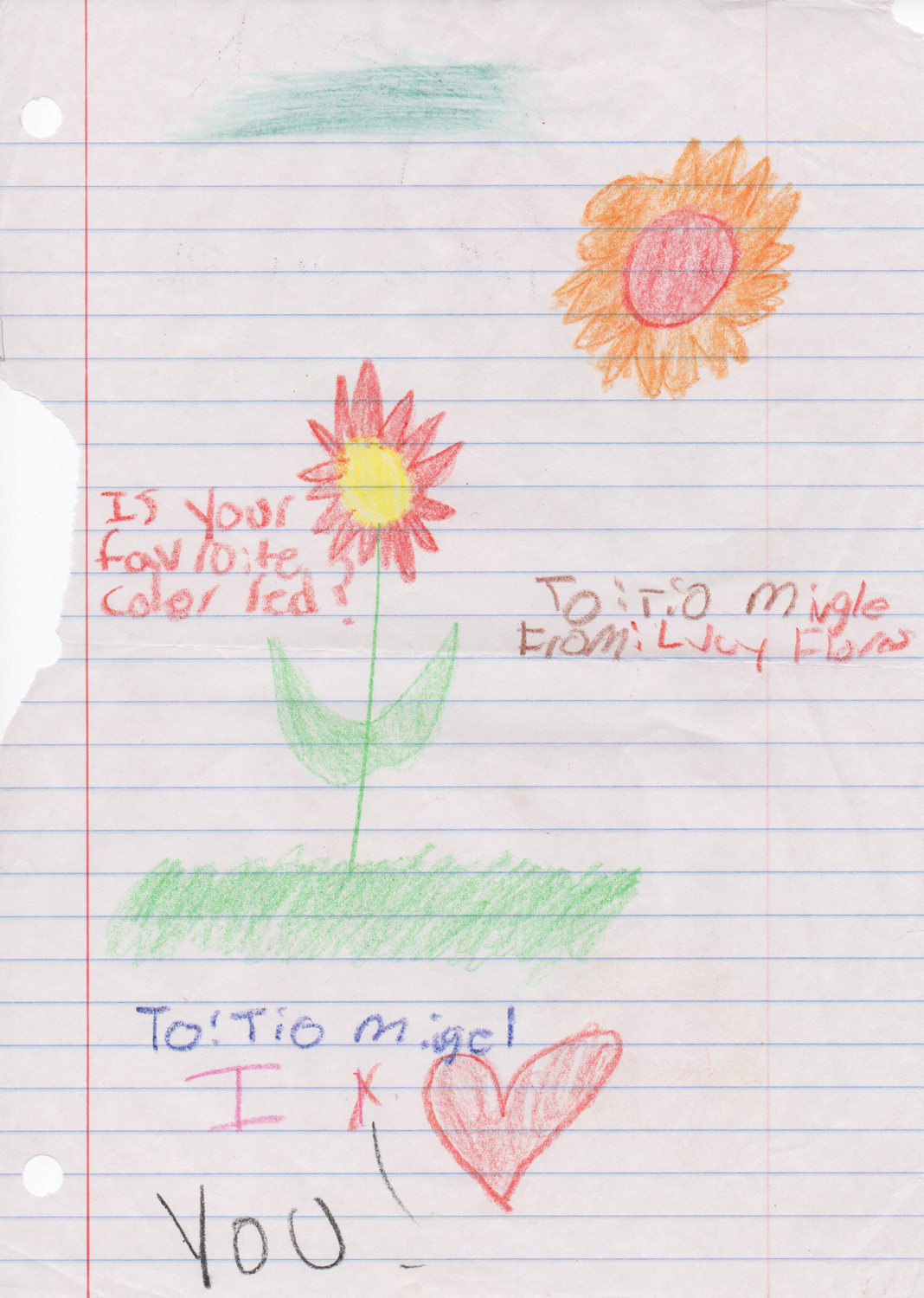
JH: I learned that letters from a child to their “Tio Miguel” (who they have never met outside of prison visitations) would break your heart. I learned that even the toughest looking men still get tears in their eyes when you ask about their family.

I am still learning.

PP: What did the prisoners think of being photographed?

JH: The first day they were most interested in seeing how a digital camera works. I am very hands-on with my subjects, and with the permission of Lt. Sam Robinson, I handed my second camera body to the guys to play with on the breaks during filming. It was both funny as well as saddening to watch their amazement at the foreign device.

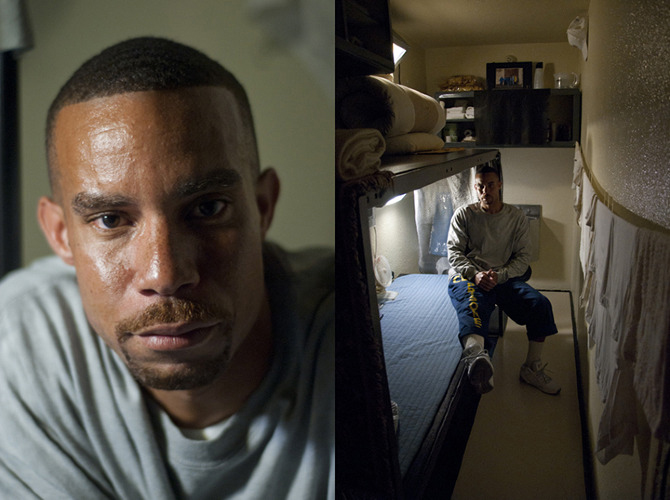
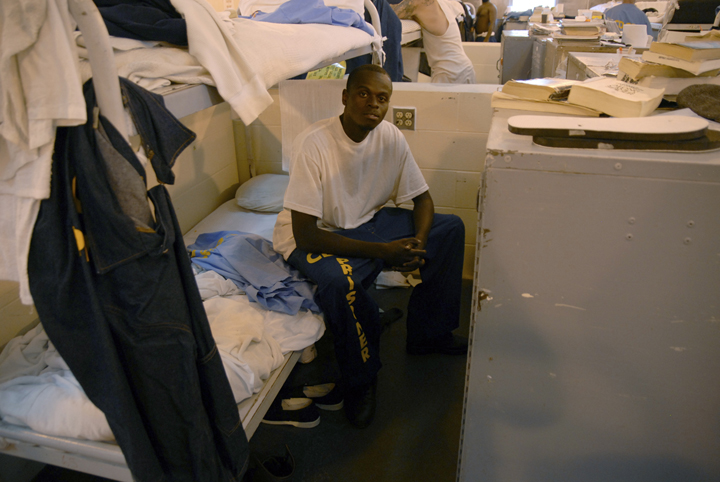
The first time I went in, I asked to see an inmate’s cell. The guys all looked at each other, waiting for someone to volunteer. One by one they denied my request to see their space. We ended up going to a stranger’s cell, just so I could poke my head in from the door. Soon after, I fully realized the shame that comes over them when asked about their cells. It is the only space that is their own, but it also the cage they are locked in at night. These 6 x 12 cement cages are a place both of safety and of degradation.

After I stuck around for a year, I approached the cell situation, again. This time they were excited to show me their space. Their family photos on the wall, bookshelf with notebooks, sketchbooks, and wall markings left from previous inmates. “Stay Focused” was scrawled into the yellowed paint next to the metal bunk. It took some time and a lot of trust building for me to get on that level with them.

JHall_PrisonPhotographyBlog_006

JHall_PrisonPhotographyBlog_014

JHall_PrisonPhotographyBlog_003

PP: Did you give the men prints?

JH: Giving the guys the prints is absolutely one of my favorite parts!

The Home Is Not Here project had me traveling to the hometowns of three men. I went with only small clues of what and where to photograph – “The Dairy Queen where I took my first girlfriend on my first date,” or “The restaurant named after the city in Vietnam where my family was from.”

When I brought back prints from my trips, the guys were blown away by how much had changed, and how much had stayed the same.

I was asked by one inmate to visit the grave of his grandmother. They were extremely close and she passed away while he was in prison. When he saw the photograph I took there, he began to cry. It was almost as if I had delivered him a physical place to grieve her passing.

I try to give back to my subjects as much as I can. I try not to be that photographer that comes in, gets the story, and never comes back. They give so much of themselves when they allow me to photograph them, giving prints to them is the least I can do.

PP: What did the staff think of being photographed?

JH: I never photographed the staff, although some day I hope to see some really thorough work done about the people who work in prisons. It would be a fascinating story.

PP: I agree. I’ve yet to see a photography project that suitably deals sympathetically and deeply the complex and stressful dynamics of correctional officers’ work and lives.

PP: Could photography serve a rehabilitative role, if used in a workshop format in prisons?

JH: I think a workshop on photography in a prison would be an incredible idea. These men are so introspective and have so much to offer, creatively. The documentation of life inside prison by an inmate could offer such insight for us all.

JHall_PrisonPhotographyBlog_002

JHall_PrisonPhotographyBlog_005

PP: Are prisoners invisible?

JH: Yes, I believe prisoners are invisible. Everything about the prison system is set up for them to be invisible, and stay invisible. To be silenced, and out of sight. What I aim to do with this project is to shed some light on a piece of an inmate’s life that is not seen. When people think prison photography they think of hardened criminals, drug addicts, grimy hands gripping cell door bars, and the underbelly of society. I am offering the alternative viewpoint, which is the humanity inside. These men are fathers, sons, brothers, friends, and they all have people who care about them. They also have built communities of support for each other, inside.

PP: What’s been the feedback to your the work?

JH: As I work I like to get feedback from my peers. A lot of people who see photographs of inmates and due to their preconceived notions will shake their head and walk away thinking, “What monsters…” but with the work I do, I try to side step this notion and say, “No, look closer.”

No matter what I do, some people will never see it the way I’d like them to, but for people who can be open-minded, the work gives an inside look to the humanity that exists inside prison, and awareness of the struggles of their families.

PP: Anything else you’d like to add?

JH: As I move forward in my thesis, I am turning my focus to just one inmate in particular, Miguel Quezada. This is the working statement:

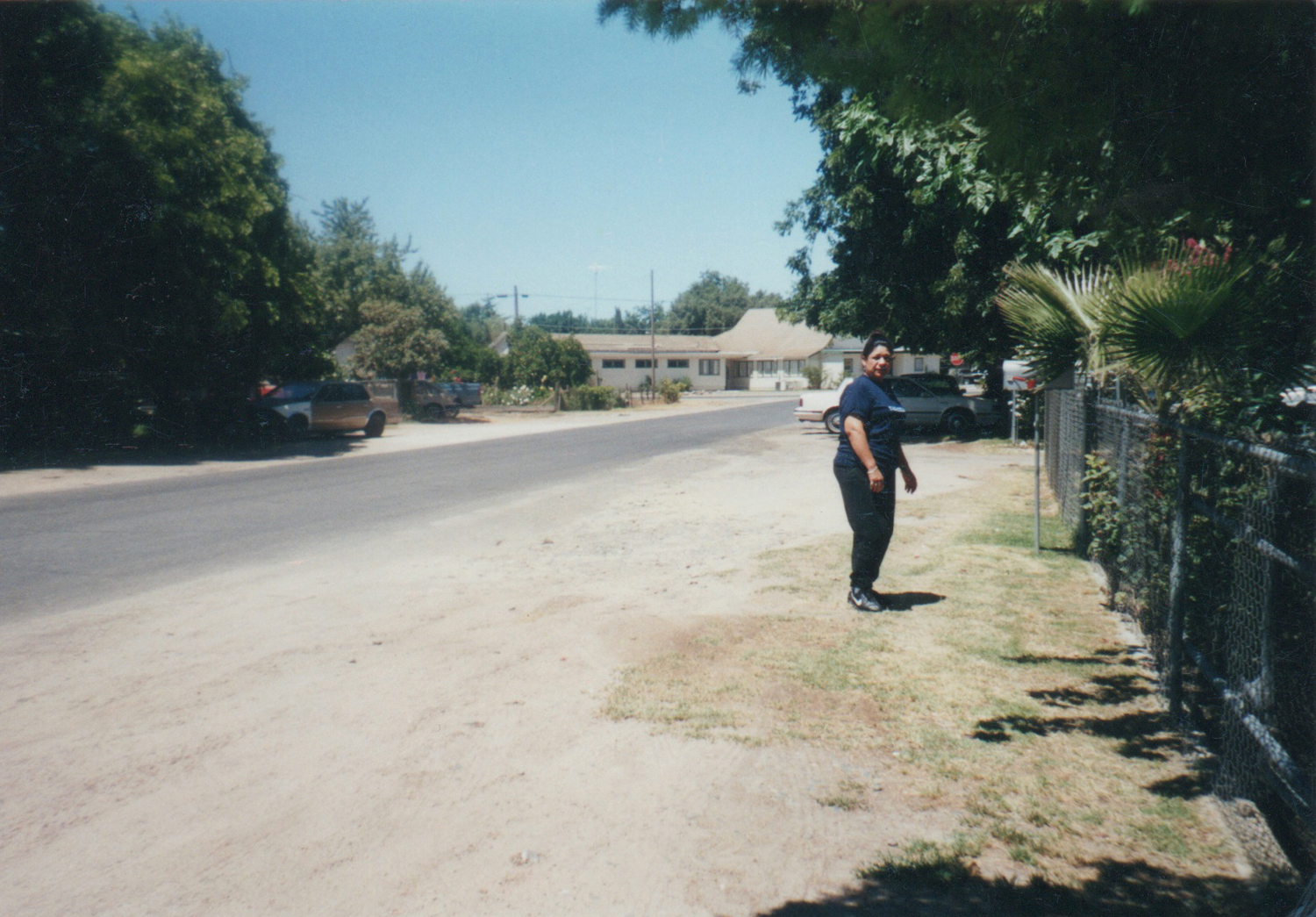
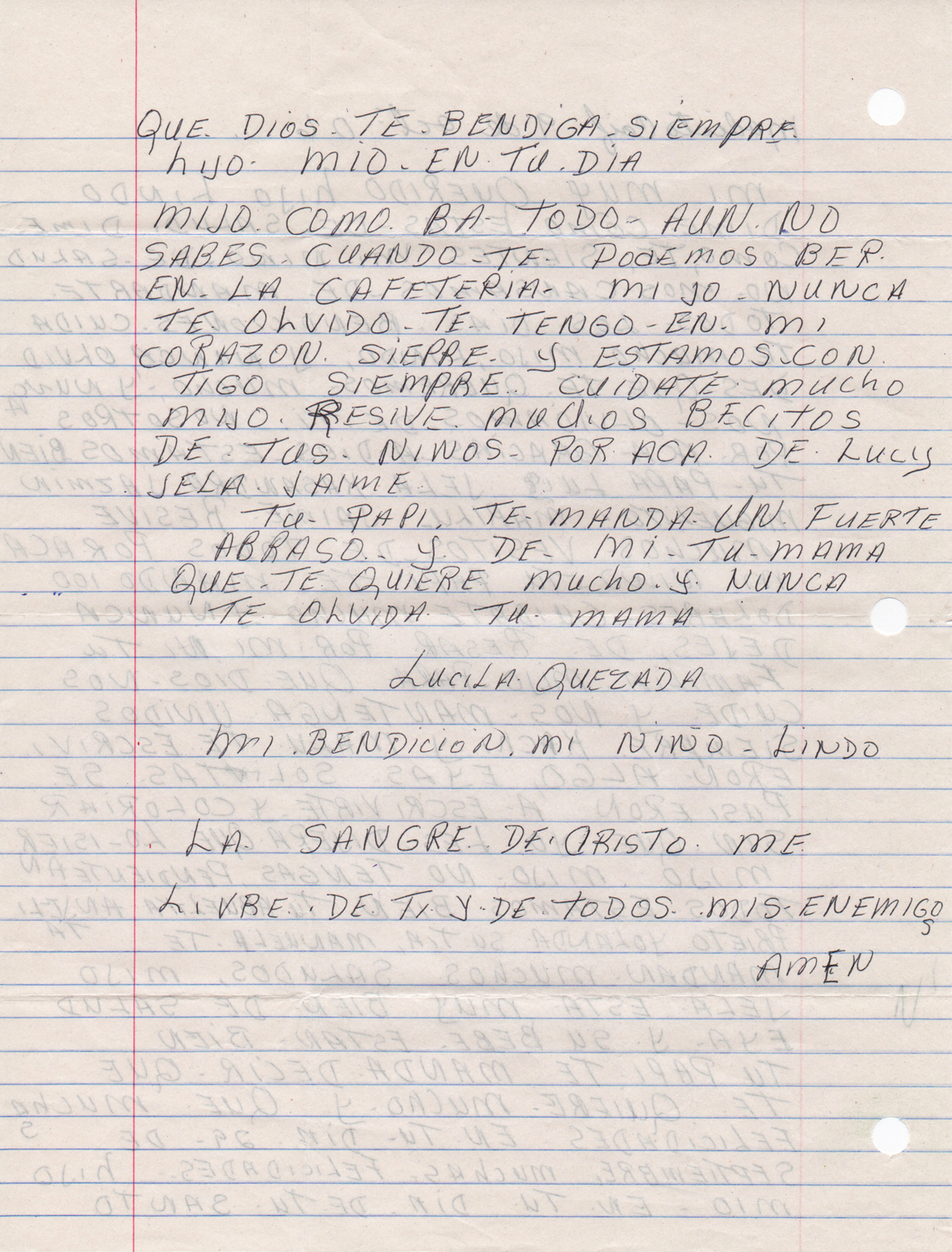
“Estamos Contigo (We Are With You)” – Miguel Quezada (below) was incarcerated at age 16. Now 31, he has spent half of his entire life in prison. Due to a harsh judicial decision that he should serve his sentences consecutively, his first parole hearing is not until the year 2040. He will be 60 years old. Home, for Miguel, rests between the realities of life at San Quentin Prison today, memories of his childhood cut short, and dreams of a faraway tomorrow. His family shares this stress, mourning the loss of their loved one’s free life. From the part of South Modesto, California known for its lack of sidewalks and high crime rate, Miguel grew up in poverty with his parents who immigrated from Mexico. His mother and father, Arturo and Lucila, are almost completely illiterate, so writing letters takes a lot of time and energy. Miguel appreciates it when they do write, but loves when they send photographs. His nieces and nephew, who he has never met outside of prison visitations, write him frequently and give him a sense of connectivity to the outside world. Miguel is one of hundreds of men in the state of California with similar stories – serving life for a mistake made as a teenager. The barriers of the prison walls will never restrain the emotional longing of one human being to be with another.

PP: We look forward to checking in again soon. Thanks, Jordana.

JH: Thank you.

JHall_PrisonPhotographyBlog_007

JHall_PrisonPhotographyBlog_009

JHall_PrisonPhotographyBlog_012

JHall_PrisonPhotographyBlog_008

JHall_PrisonPhotographyBlog_010

JHall_PrisonPhotographyBlog_004


A 3550

© Dave Jordano

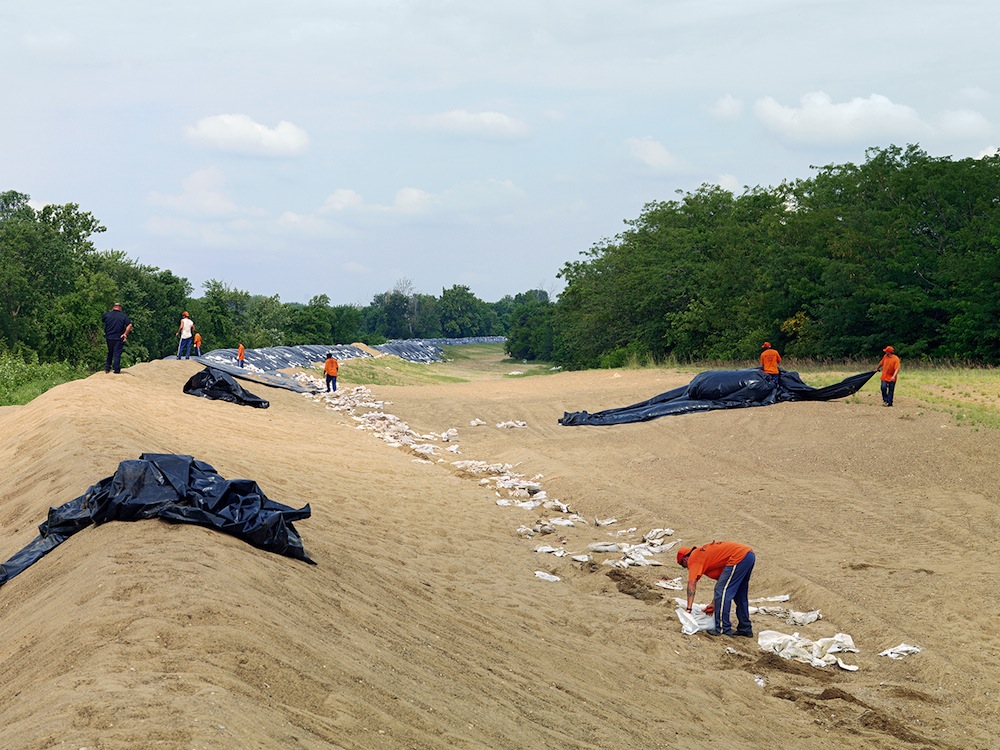
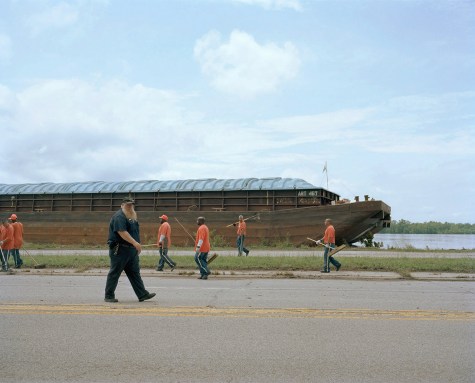
Dave Jordano responded to yesterday’s question Have you ever seen prisoners on your daily commute or holiday road-trips? with the above image.

It shows prison workers maintaining the levee along the Mississippi River in southern Illinois. It is his only photograph of prisoners.

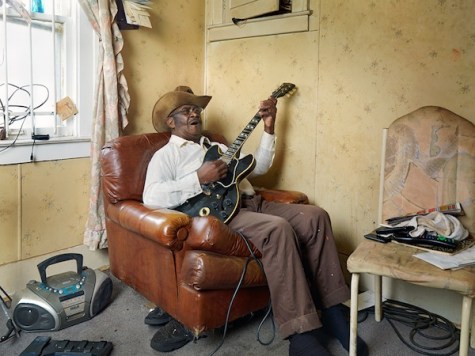
Dave and I had been in recent contact because I’d interviewed him for Wired.com and featured HIS AMAZING PHOTOS OF DETROITERS, including the one of Glemie below.

I write:

Unbroken Down is an attempt to set the photographic record straight. Jordano believes that Detroit is more than a tale of decline and images of the associated urban decay. Yet, a lot of celebrated photography projects made in Detroit recently have focused on ruination as if the apocalypse passed through and kept going.

“Detroit is still a living city. Why hasn’t this been part of the equation?” asks Jordano of most photographic output.

Please check out Captivating Photos of Detroit Delve Deep to Reveal a Beautiful, Struggling City. Many have enjoyed it; I am sure you will too.

Glemie-Westside-Detroit-2011

© Dave Jordano Glemie, Westside, 2011.

JoAnnWalters_Prisoners_2

Prisoners cleaning the Great Mississippi River Road after the flood. Alton, Illinois, 2008. © Jo Ann Walters, from the series Dog Town.

Following on nicely from yesterday’s post about prisoners work details, is this image (right-click for a larger view) by Jo Ann Walters, from her series Dog Town.

Chance, or seemingly chance, encounters between photographers and prisoner road crews are not uncommon – portraits by Roger Kisby and Alec Soth spring to mind as similar types of images. Not to mention the dozens of photographers including Scott Houston, Jon Lowenstein and Jim Lo Scalzo who’ve photographed Sheriff Joe Arapio’s chain-gang publicity stunts.

I’ve always lived on the west coast and I haven’t happened upon prisoner work teams but I think this is because the work, for example, of the 200 fire crews and 4,000 offenders at the 42 California DOC Conservation Camps goes on in isolated areas.

How about you? Have you ever seen prisoners on your daily commute or holiday road-trips?

1

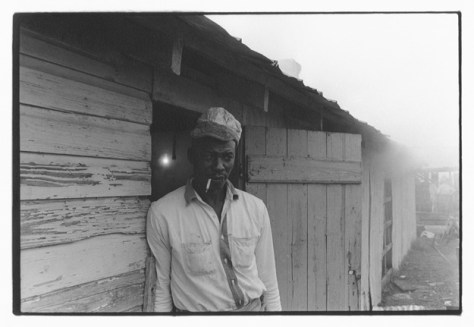
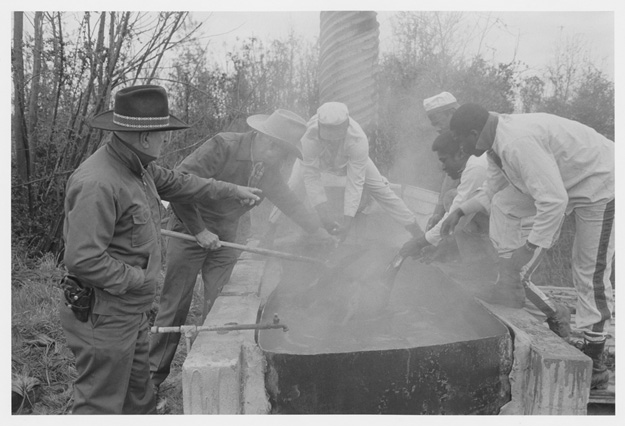
Prisoner at the County Farm, making cane syrup, 1966.

The Center for Documentary Studies described Paul Kwilecki (1928-2009) as “perhaps the most important late-twentieth-century photographer you’ve heard little to nothing about.” His work is completely new to me. Thanks to Mark Peter Drolet for the tip.

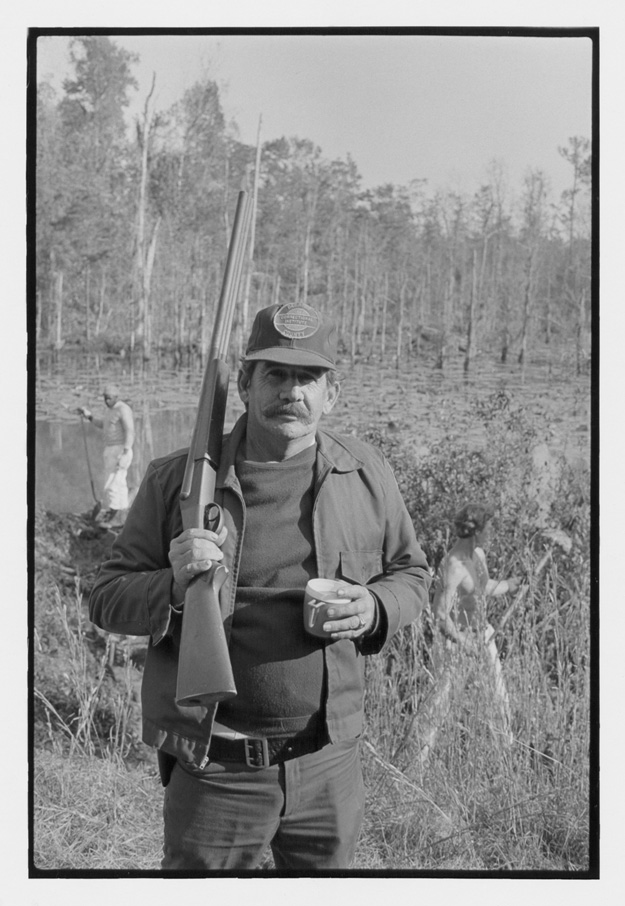
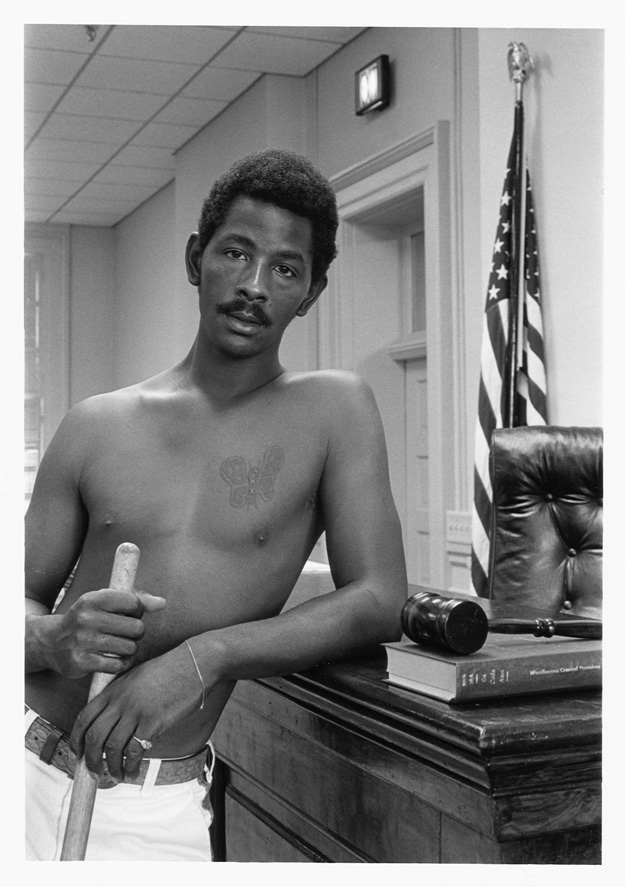
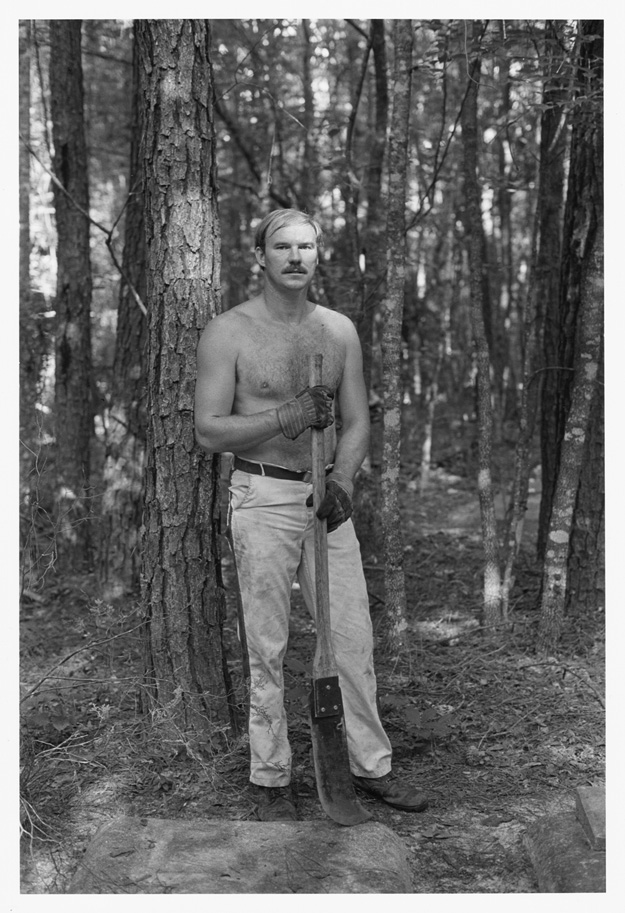
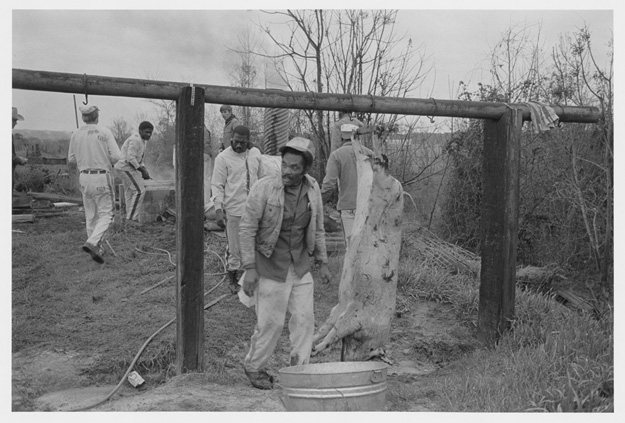
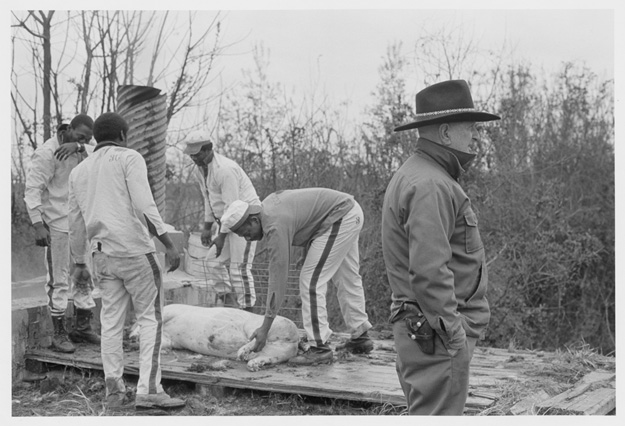
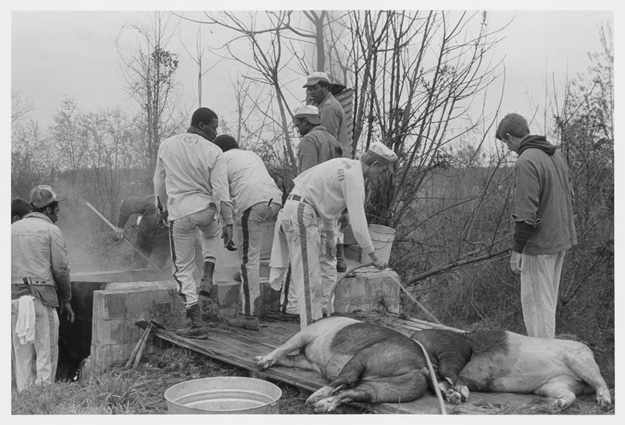
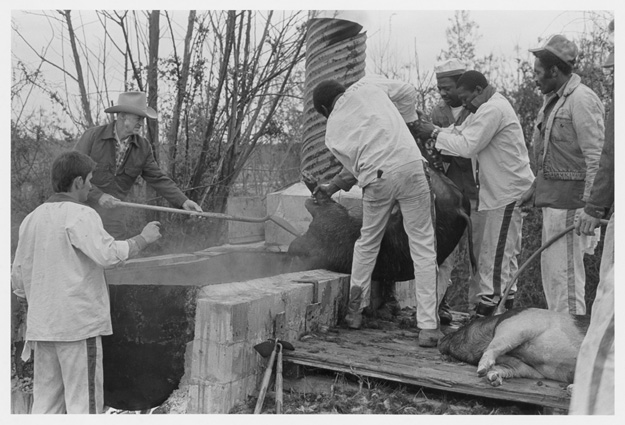
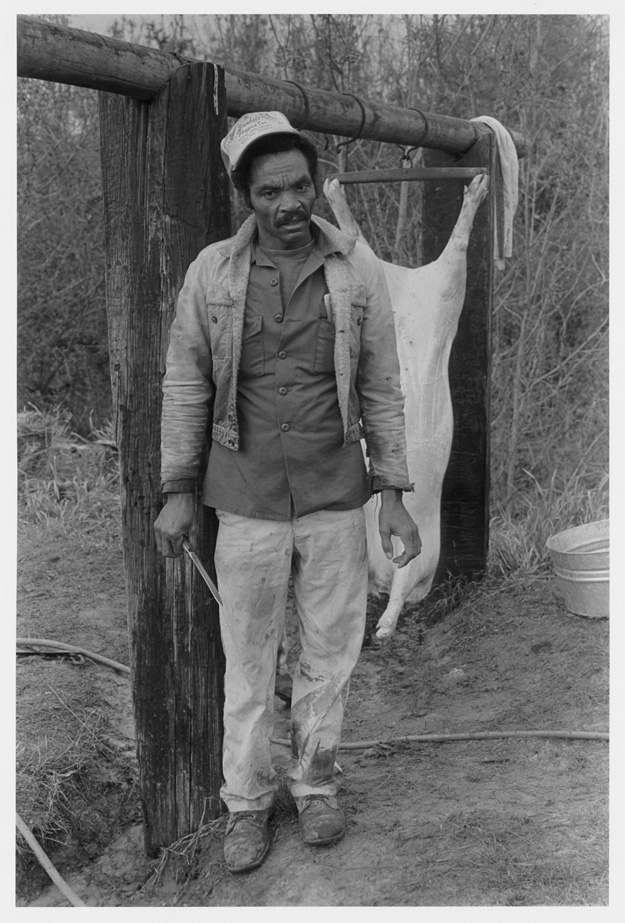
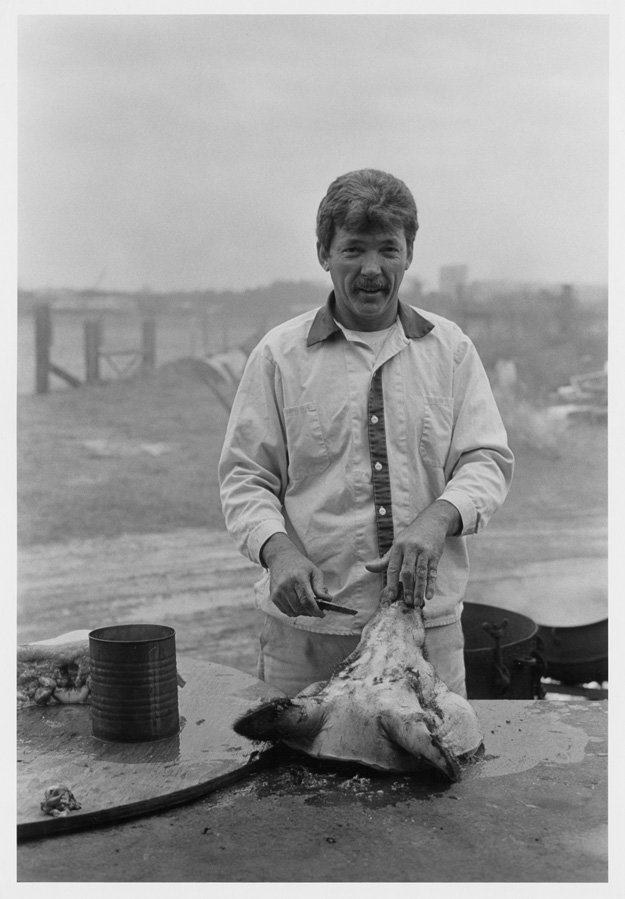
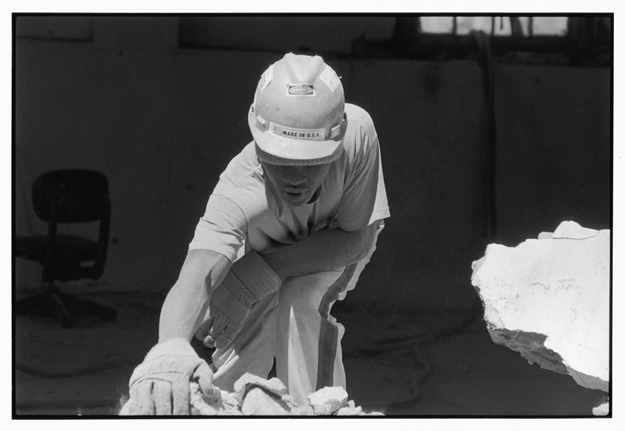
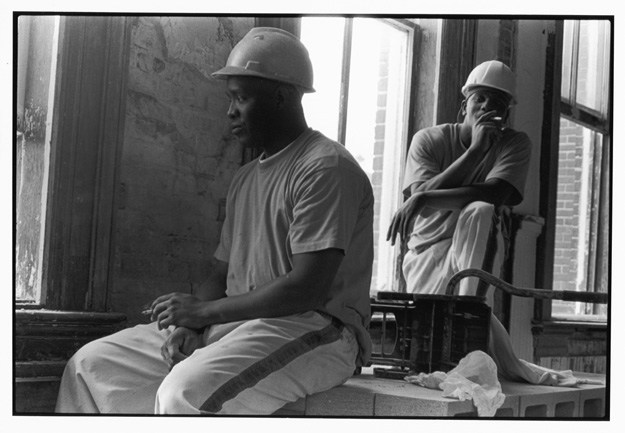
What I so fascinating about Kwilecki’s photographs is that they focus on the work details to which prisoners were assigned, ranging from 1966 to 1998. I don’t want to get into a debate here about the degree to which the work Kwilecki photographed was rehabilitative – it would be pure speculation. Instead, I’d ask you to muse on the changing nature of the work – cane syrup production; irrigation ditch digging; courthouse janitorial work; brush-clearing; hog butchering; and construction and renovation work, again in the courthouse.

Before the era of mass incarceration it was common for prisons to have their own pasture, cattle, milk parlours, arable land, and year-round crops. The organic foods produced by prisoners were sometimes sold outside the prison, but also almost always consumed by the prisoners themselves. Why is this no longer the case?

In the eighties, when inmate populations soared and with them prison budgets, cost cutting took its grip. Farms and work details only remained if they drew immediate profits (or, were at the very least, not money-losers). The staff costs to supervise self-sustaining food production were not deemed worthwhile. I’m sure arguments about security factored in somewhere too.

Added to this was a philosophy that rehabilitation was a flawed prospect and the only thing to do with prisoners was to “incapacitate them”,  This is why, today, prisons don’t have their own cattle, but they do press license plates.

In short, as the U.S. prison population rocketed to 2.3 million, contracting of services became big business. Prisoners ended up with overcrowded cellblocks, less time in programs, more time in lockdown, sub-standards foods and jobs that supported the production of State essentials such as uniforms, furniture and ironically industrially-manufactured foodstuffs. Prisoners have made products for IBM, Starbucks, Walmart, Microsoft and Dell.

Aside of this brief history of prison labour – and returning to Kwilecki’s photography – what is also refreshing to see is the relaxed and purposeful interactions between prisoners and guards. People might be shocked to see images of prisoners using butchering knives, but on a daily basis, U.S. prisoners are using tools for sophisticated fabrication work. Unfortunately, we often only hear about the use of tools when they are shanks.

One final note. This is the only collection of images I have encountered of prisoners butchering hogs. Unique.

The Center For Documentary Studies at Duke has a 634 image archive of Kwilecki’s work and his life’s papers and contact sheets too. Enjoy discovering Kwilecki’s work as I have. 

2

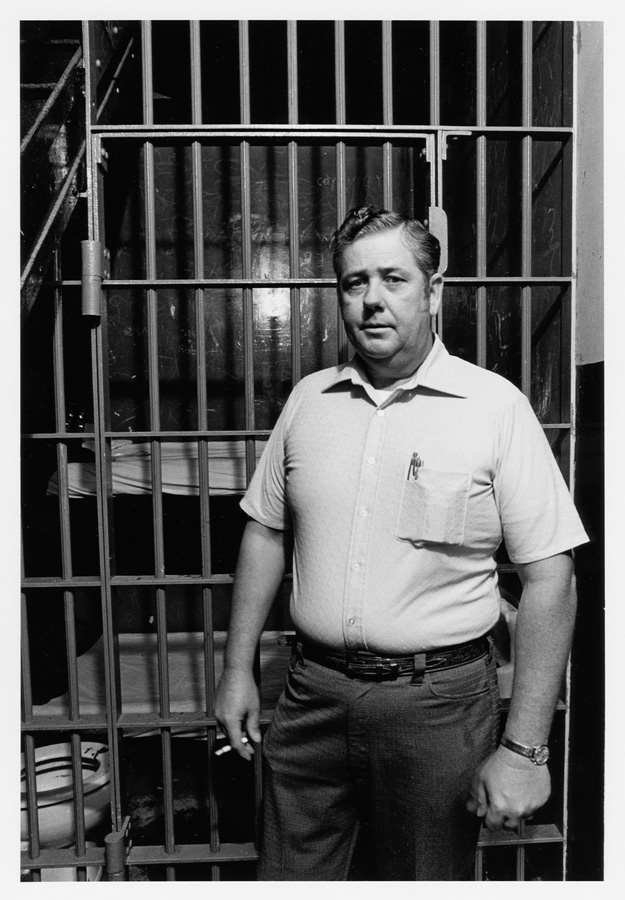
Sheriff Shorty (E.W.) Phillips in front of one of the women’s cells, [circa 1972].

3

Prisoners and guard working on dam, 1979.

4

Prisoner cleaning court room, 1979 Sept.

6

Prisoner with a bush hook cleaning Darsay family cemetery in the southern part of the county, 1983 June.

8

Hog killing at the County Farm, 1983 Mar.

9

Hog killing at the County Farm, 1983 Mar.

10

Hog killing at the County Farm, 1983 Mar.

11

Hog killing at the County Farm, 1983 Mar.

12

Butchering hogs, County Farm (prison), 1983 Mar.

13

Prisoner at the county farm butchering hogs (prison), 1983 Mar.

14

Prisoner at the county farm (prison) butchering hogs, 1983 Mar.

15

Prisoner doing construction work, 1998 Apr.

16

Prisoners on break from construction work, 1998 Apr.

17

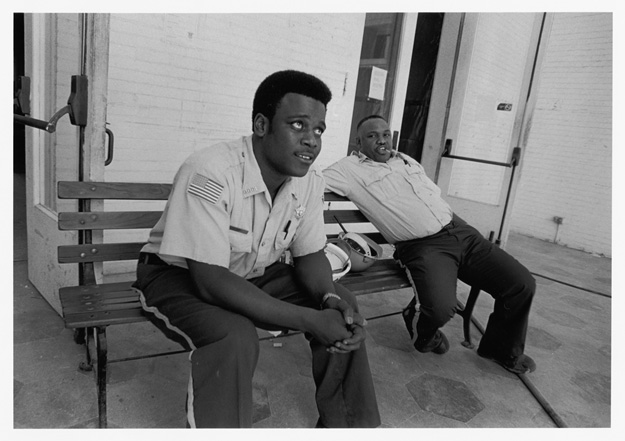
Guards, 1998 Apr.

  18

Prisoner, 1998 July.

19

Thanksgiving dinner on courthouse grounds, 1998 Dec.

Nash, Leah - Julie Green

Photo: Leah Nash for The New York Times. Plates in “The Last Supper,” a show that features Julie Green’s plates depicting death-row meals.

A couple of years ago, I visited the studio of artist Julie Green. I was compelled to do so because I was convinced that her The Last Supper project was more relevant and hard-hitting than the many, many photo projects about the last meals of the executed.

Julie Green has painted the last meal requests of over 500 prisoners on individual plates. It’s an overwhelming body of work. The Last Supper is now on show at The Arts Center in Corvalis, Oregon.

Kirk Johnson has written The Last Supper for the New York Times:

The underlying and compelling theme of the work is choice. What do people who may have lived for years in prison with virtually no choices at all do with this last one they’re offered? Do they reach back for some comforting reminder of childhood? (Professor Green suspects as much in the cases of meals like macaroni and cheese or Spam.) Do they grasp for foods never tried, or luxuries remembered or imagined? (One condemned man ordered buffalo steak and sugar-free black walnut ice cream; another, fried sac-a-lait fish topped with crawfish étouffée.)

As Green says she won’t stop painting until the death penalty is abolished, there’s a long way to go with this project. It’s great to see it going from strength to strength and pressing the issue to the fore. Bravo, Julie.

BOOK

Accompanying the show is a 520-page lunker of a book. The Arts Center received sponsorship assistance to publish a full color catalog of the 500 plates. The catalog will be for sale during the exhibit for an introductory price of $50 (after February 16, 2013 the price will go up). To purchase a catalog, please contact Hester Coucke and let her know a good time to contact you during the business week.

PRESS

View the full NYT gallery here. And the NYT article, Dish by Dish, Art of Last Meals.

Green’s Interview with Oregon Public Broadcasting’s Geoff Norcross.

Tomer Ifrah 03

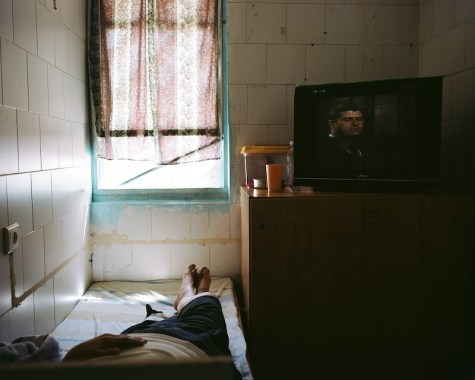
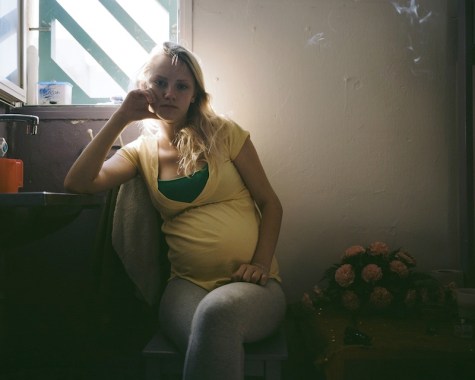
Neve Tirza, which houses 180 women, is Israel’s only women’s prison. In 2011, Tomer Ifrah, a photographer based in Tel Aviv, spent one day a week for three months photographing life inside. Ifrah’s series is Women’s Prison.

“The prisoners come from diverse social backgrounds, and mostly who belong to powerless minorities,” says Ifrah in his artist statement. “They must share their lives in close quarters. Most women in Neve Tirza Prison are serving their second or third terms there, trapped in a vicious cycle.”

Ifrah says that the relationships between the prisoners, the staff and he were rooted in mutual respect and trust. Cursory Google searches of Neve Tirza Prison reveals a history of  abuse from 10 years ago; in particular threats to Palestinian prisoners; a recent influx of white collar criminals; and ongoing inhumane allotment of physical space. Neve Tirza has falsely been cast as a “paradise” by American TV. Conditions, on the evidence of our conversation, have since improved significantly.

Scroll down for the Q&A. Right click any image for a larger view.

Tomer Ifrah 08

Tomer Ifrah 11

Prison Photography (PP): Tell me about how you got access to Neve Tirza Prison.

Tomer Ifrah (TI): Going into the prison was such a lucky thing – even to get access for one day. I was sent by a local Israeli women’s magazine to photograph a single prisoner. I went to the prison with a reporter.

I had to wait for the reporter to do the interview, so they kept me in one of the segments of the prison. Of the five segments, I was waiting in the “easiest” one – the one in which you are kept if you have good behavior or committed minor crimes. I could talk with the prisoners quite openly.

I realized there was something in Neve Tirza for a project. I was quite skeptical [at the chances of doing a project] but I found out who was in charge and knocked on the door of the manager of the prison. I told her that I was interested in doing a project and she said immediately that it sounded good. After a few days and a few phone calls, I got in.

In the beginning, they didn’t know exactly what I wanted to do; it was the first time someone had go in and photograph the prisoners. They didn’t know exactly what to tell me. I wanted to go a few times a week, but they told me I could go in once a week.

PP: Neve Tirza is the only women’s prison in Israel. What’s the population of Israel?

TI: More than 7.5 million, perhaps 8 million.

PP: Just a single prison for women from such a large population seems incredible.

TI: What are the figures of incarceration in America?

PP: There are more than 200,000 women incarcerated in America. There are 2.3 million American prisoners in total.

TI: In Israel, there are 25,000 men in prison. Approximately, 13,000 or 14,000 are criminals. The remainder are incarcerated on security related issues – mostly Palestinians.

I watched a documentary by a woman who wrote a book about Neve Tirza. After she researched the topic, she was asked, ‘Why is there such a small number of female prisoners?’ She didn’t have a scientific answer, but she noted that it was the only women’s jail in Israel and so, maybe, they fit the prisoners into the space that they have. If you don’t have a place to keep female prisoners, perhaps they convict them less? I’m not sure, but this was the only answer I have found.

PP: On your website, I didn’t see text or information accompanying the images. What’s the main story in Women’s Prison?

TI: This project was made exactly at the time I got involved with Frames Of Reality, a project that is a partnership between Palestinian photographers and Israeli photographers. Each of the photographers could choose a subject, so I chose the prison.

While I was working on Women’s Prison, I came with new images to the group and each week professional photographers saw them. The main thing that came out of our discussion of the images was that Women’s Prison is about feelings, about sensations, about the prisoners and what they go through. I was photographing emotions.

PP: And what were the overriding emotions?

TI: Neve Tirza is a very difficult place to be. It is a very intense place. The atmosphere is not easy. It’s so small.
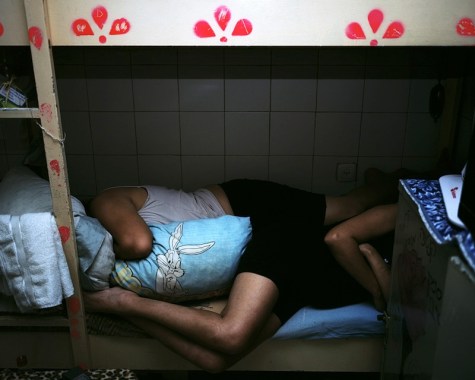
Tomer Ifrah 19

TI: Neve Tirza is very crowded compared to other jails in which each prisoner has his or her own cell. The women are kept six to a cell in some of the segments. Just imagine going into a very small cell and you have to live with five others? Most of the time – from 7pm until morning – the doors are closed. Outside of those times, you can go outside, but even then it is very crowded. Imagine the conflicts between prisoners in such a small place?

PP: Conflicts? Was it a violent place or was it pressurized?

TI: I can imagine that sometimes it comes to physical violence but I think that mostly it stays at the level of shouting and verbal abuse. But there’s the other side of it; if you stay close to someone for a long period of time, very strong bonds develop. There is lots of caring and love among the prisoners. It feels like a very close family.

Tomer Ifrah 05

Tomer Ifrah 18

Tomer Ifrah 10

PP: Because there’s so few prisoners, I must assume that the women have been convicted of serious crimes? And they come from diverse social backgrounds?

Most of the women are convicted for drugs issues, caught in a cycle. Most women were serving their second or third term. They don’t have any options when they are released. I think this is a universal fact, not just here in Israel.

PP: What do the women who are trapped in this cycle, as you describe it, think of prison? Is it an opportunity to rehabilitate?

TI: It goes both ways. The staff and the manageress are doing their best to help them; you can see it in their interactions. They treat them the best they can. The administration has the best intentions. But on the other hand, it is hopeless, because they don’t feel that they can ultimately help them.

There also is a lot of criticism because most of the people in Neve Tirza are not supposed to be in jail; they are supposed to be in psychiatric hospitals, possibly. When you’re inside there you understand that immediately. A big percentage of the women have mental disorders. If you put people who are unhealthy in their minds together it can be hell for them.

My personal opinion about it is that it doesn’t help anybody. The system must be changed if you want to really help them and not just lock them up away from society. If you really want to help them there are other ways to do it.

PP: What did the women think of you and your camera?

I was surprised. Some of them at first told me that they weren’t interested in being photographed, but there were very few. For the whole period of time, I respected that and didn’t photograph them.

The women I did photograph felt very comfortable being photographed or didn’t give it any special attention. For me, it was excellent because I could document as I wanted.

PP: Did they ask what you’d do with the pictures?

TI: Yes. I told them they were going to an exhibition by Frames Of Reality (the Palestinian/Israeli photographer project) and that it would probably publish in magazines. They were okay with that.

The bigger thing was to get the approval of the warden. She was more difficult [to satisfy] than the prisoners. There were some photographs she didn’t allow to be published.

PP: What photographs did the administration censor?

Photographs that they felt that the families of the victims would be hurt by. If I showed a prisoner sentenced to murder, it would cause difficulties as that a very sensitive issue with the family of the victim.

Tomer Ifrah 04

Tomer Ifrah 09

Tomer Ifrah 12

Tomer Ifrah 16

PP: What I find is quite common in American prison photography projects is there are different levels of complicity and expectations between the prisoners and the staff. And also there can be different motivations for inclusion in – and accommodation of – a photo project between the management of a prison and the staff of the prison.

TI: In the beginning I was helped by both management and staff. Towards the final stages of the project they felt they were taking a chance with me, and with my security. They were worried I might get hurt. They probably have a good sense about what’s going on there, but I felt it only in the final stages.

I feel I didn’t have enough time to photograph the project as I wanted. Even with several hours a week, many things could get in the way. I could lose hours of time making photographs if there was something going on in the prison [that restricted my access]. I can often feel that way with projects, but particularly this one. I said thank you for every minute I had to photograph but still …

PP: Do you know of other photographers who’ve photographed Israeli women in prison?

TI: I only know of one student. It was done well, but not a full body of work. The photographer probably didn’t have much time inside.

PP: Magnum photos has a single lonely image made by Micha Bar Am from 1969.

Tomer Ifrah 02

PP: Is Neve Tirza Prison an ignored topic?

TI: No, no. Everybody wants to get access. I was very lucky. I think if I’d asked six months before I wouldn’t have got access. It was perfect timing. They felt comfortable with me and they trusted me. I wanted to return that trust so every image that I photographed I immediately showed them. I was very honest with them.

The thing that helped me to photograph there most was the fact that the prisoners trusted me. They understood that I would not take pictures that they did not want me to take; I would publish it in an an honest way.

PP: Obviously, a lot of imagery that comes out of the Israel/Palestine region is politicized. I’ve seen some work of Palestinian political prisoners. How does your body of work fit into that visual territory?

TI: I was not allowed to photograph the Palestinian female prisoners, of whom there were very few in Neve Tirza. If it were to cause problems for the prison staff, I was happy to not do that.

Tomer Ifrah 01

Tomer Ifrah 14

PP: Why were you not permitted to photograph Palestinian prisoners?

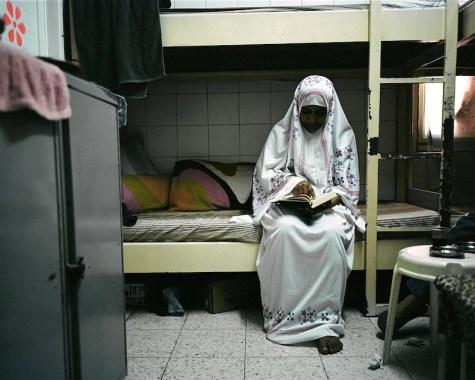
TI: There is a single image of an Arabic woman praying in her cell. She gave me permission as did the prison. It was okay with her but in one or two cases it was not allowed. The modesty in Arab culture is more strict. If it is men, it is usually okay, but if it is women it is more problematic.

There are many minorities in prison. In my images, you’ll see that many women are not Israeli born. Some of them are from Russia, or Ethiopia, or South America.

PP:  Is that because minorities are generally marginalized in Israeli society?

TI: Exactly. I think this is also common in societies other countries.

PP: How many images did you make in total?

TI: I was photographing with medium format film. I made about 500 images in total.

PP: Tell me about Frames Of Reality, the joint Israeli/Palestinian photography project in which you are involved.

TI: Frames Of Reality is in its third year. The meetings are held in Beit Jala, a place near Jerusalem that is easy for both Israeli and Palestinians photographers to get to. We meet once a week with guest photographers or lecturers. It is financed by another country … I don’t know which. At the end of each year Frames Of Reality has a big exhibition and publishes a book.

PP: There’s many good photographers! Dan Balilty, Ahikam Seri, Eman Mohammed, Noah Ben Shalom.

TI: I’m not surprised people know Israeli photographers because the region is such a strong place to make photos.

PP: Specifically with Frames Of Reality, you’re trying to lead by example? Does photography have role to play in bringing different communities together.

TI: I just returned form the Israeli press contest where I saw all the core issues in the photographs – from photographs of East Jerusalem to Palestinian photographers working in Tel Aviv. Photography has role but I don’t know how much influence it has.

PP: Well, I encourage editors to get in touch so your photography can be seen. Thank you, Tomer.

TI: Thanks Pete.

Tomer Ifrah 07

EMAIL

prisonphotography [at] gmail [dot] com

Prison Photography Archives

Post Categories