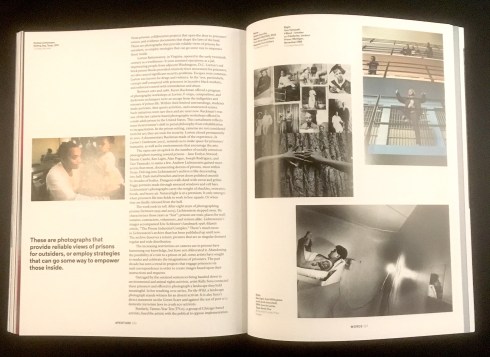
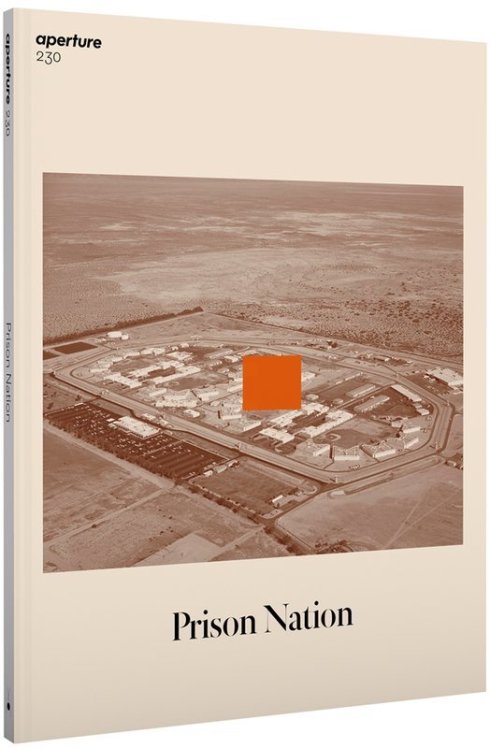
How can images tell the story of mass incarceration when the imprisoned don’t have control over their own representation? This is the question Dr. Nicole R. Fleetwood asks as editor of the latest Aperture (Spring 2018).

Prison Nation” can be ordered online today and hits the news-stands next week. Devoted to prison imagery and discussion of mass incarceration, the issue presents a slew of works across contrasting genres — landmark documentary by Bruce JacksonJoseph Rodriguez and Keith Calhoun & Chandra McCormick; luscious and uncanny portraits by Jack Lueders-Booth, Deborah Luster and Jamel Shabazz; insider images from Nigel PoorLorenzo Steele, Jr. and Jesse Krimes; and contemporary works by Sable Elyse Smith, Emily Kinni, Zora Murff, Lucas Foglia and Stephen Tourlentes.

Equally exciting is the banger roster of thinkers contributing essays, intros and conversations — including Mabel O. Wilson, Shawn Michelle Smith, Christie Thompson, Jordan Kisner, Zachary Lazar, Rebecca Bengal, Brian WallisJessica Lynne, Reginald Dwayne Betts, Ruby Tapia, Zarinah Shabazz, Brian Stevenson, Sarah LewisHank Willis Thomas and Virginia Grise.

I have an essay ‘Prison Index’ included which looks back on almost a decade of this Prison Photography website–how it began, what it has done and what it has become. I highlight a dozen-or-so photographers’ works that are not represented by features in the issue itself. I wonder how PP functions as an archive and what role it serves for public memory and knowledge.

MATCHING QUALITY CONTENT WITH QUALITY DESIGN

I’ve known for years that Prison Photography requires a design overhaul. This past week, I’ve moved forward with plans for that. It goes without saying that the almost-daily blogging routine of 2008 with which Prison Photography began has morphed into a slower publishing schedule. There’s a plethora of great material on this website but a lot of it is buried in the blog-scroll format. My intention is to redesign PP as more of an “occasionally-updated archive” whereby the insightful interviews from years past are drawn up to the surface.

It’s time to make this *database* of research more legible and searchable. Clearly, as this Aperture issue demonstrates, the niche genre of prison photographs is vast and it demands a more user-friendly interface for this website. I’m proud to be included in “Prison Nation” but know it’s a timely prod to develop Prison Photography’s design and serve the still-crucial discussions.


Get your copy of Aperture, Issue 230 “Prison Nation” here.

Thanks to the staff at Aperture, especially Brendan Wattenberg and Michael Famighetti for ushering and editing the piece through.

Answer by Torsten Schumann, from Germany


How do you describe your culture, your nation? Would you describe it differently to someone overseas? Would you describe it differently to someone in prison overseas? What if that prisoner overseas asked you not to use words but to use images in your response? These are not hypothetical questions, at least not for the men at Columbia River Correctional Institution (CRCI) in Portland, Oregon. Nor for their collaborators scattered across the globe who are involved with Answers Without Words.

Answers Without Words is a collaborative photography project by artists Anke Schüttler, Roshani Thakore and the Free Mind Collective (a group of currently and formerly incarcerated artists) based at CRCI that engages photographers and prisoners in a visual exchange.

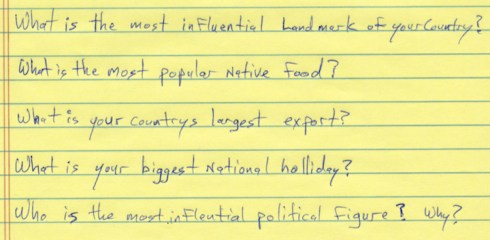
Men in the Free Mind Collective have devised questionnaires for photographers in specific countries (see examples below). Participating photographers are requested to answered with images instead of text: Answers without words.


Questions for the former Yugoslavia and Switzerland.

Answer by Torsten Schumann, from Germany


You are invited to join in! Answers Without Words is currently looking for artists and photographers in Germany, Sweden, Norway, Belgium, Poland, Israel and North Korea particularly, but are interested in collaborators anywhere in the world. (See details below.)

Answers Without Words functions, in some ways, as a protracted, connected non-digital version of Google searching.

“The internet is a research tool we usually take for granted in our daily lives,” explain Schüttler and Thakore. “That access is lost in incarceration; prisoners are restricted in terms of what they can learn online. On the other side, not many people on the outside have access to direct information or a good understanding about what happens behind prison walls. Answers Without Words seeks to re-establish an analogue and personalized version of internet image research.”

“Answers Without Words creates a personal experience directly tailored for me, that enables my mind to take a trip abroad,” explains Tom Price, a participant in CRCI.


Questions by Tom Price.

The Answers Without Words team assesses collaborators “answers”, CRCI, Portland Oregon


The questions and photographs will culminate in two exhibitions, one inside the prison and one publicly accessible in Portland, Oregon in Fall 2018. A public lecture will be presented in conjunction with the exhibition as well as a publication about the project that will be available publicly.

“In collaboration with overseas artists, this project supports marginalized artists, consisting of incarcerated and formerly incarcerated individuals, building ties between them, their communities, the world and art,” says J Zimmerli, a prisoner at CRCI.

In return for your images, you can then ask questions of your own about the men’s lives inside. A photography workshop in prison will create a counter round of answers without words from the prison back into the world.

“People always want to know what it is like in prison, we can share this information with them,” asserts Musonda Mwango, a participant from CRCI.


The Answers Without Words team workshopping image “answers” of their own, CRCI, Portland Oregon


“We want to create awareness for the issue of mass incarceration all the while focusing on one person at a time to make people feel human again. With our exchange we challenge our expectations of a foreign country and our expectations of prison and create artistic opportunity for both artists at CRCI and the photographers abroad,” say Schüttler and Thakore.


——–


If you’d like to collaborate, email answerswithoutwords@gmail.com with the following information:

– your name.

– the country you are currently located at and from which you’d participate.

– examples of your photographic work (a website URL or 5-10 images).

The prisoners in the Free Mind Collective will send 5 to 10 questions.

Time is ticking though! You have 4 weeks. All materials must be sent to Answers Without Words by March 31st.


——–


Answers Without Words is a project done in conjunction with the Portland State University MFA in Art + Social Practice and funded by the Precipice Fund, The Andy Warhol Foundation for the Visual Arts, and the Calligram Foundation.


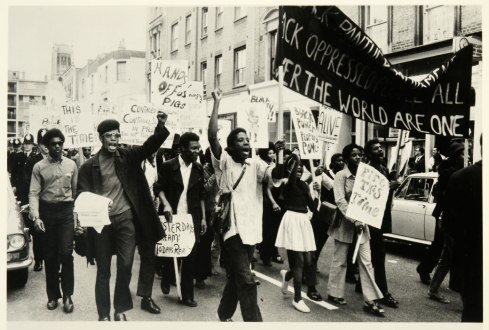
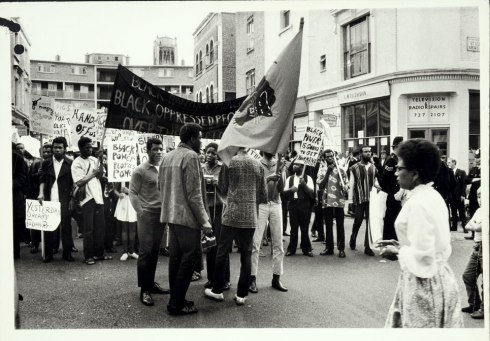
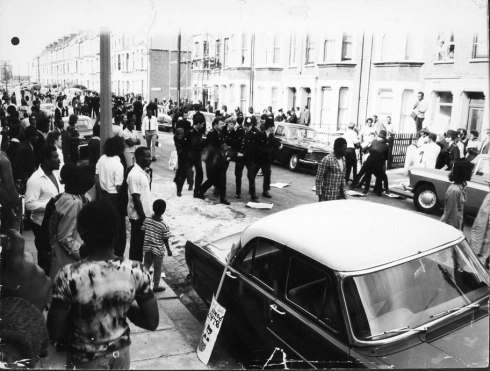
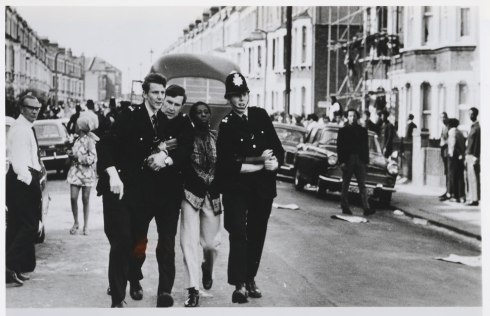
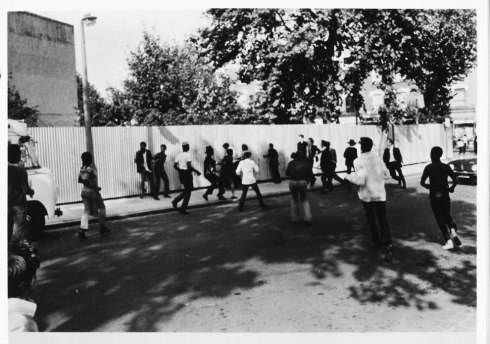
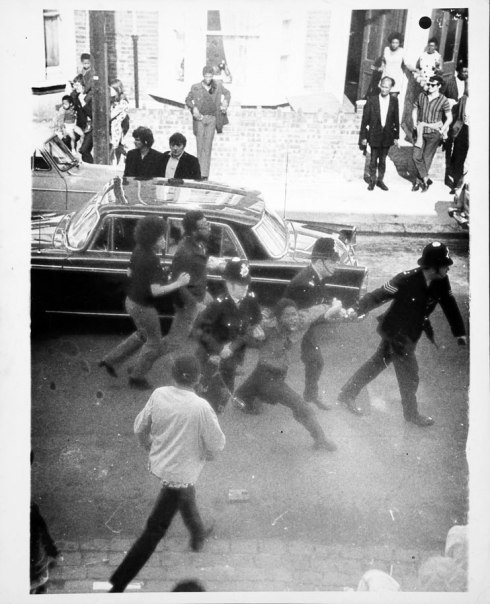
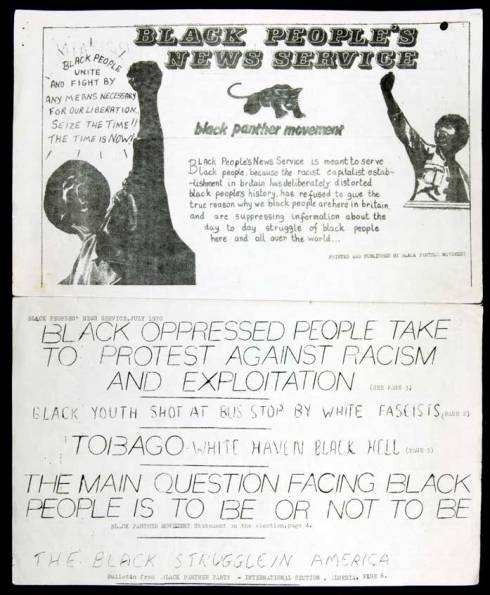
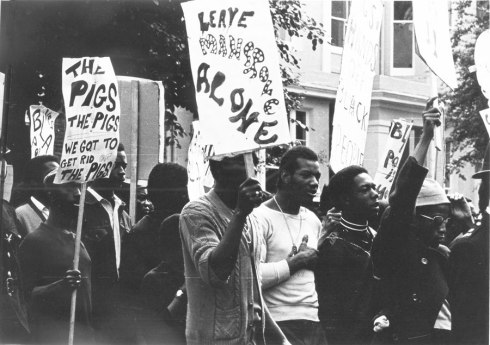
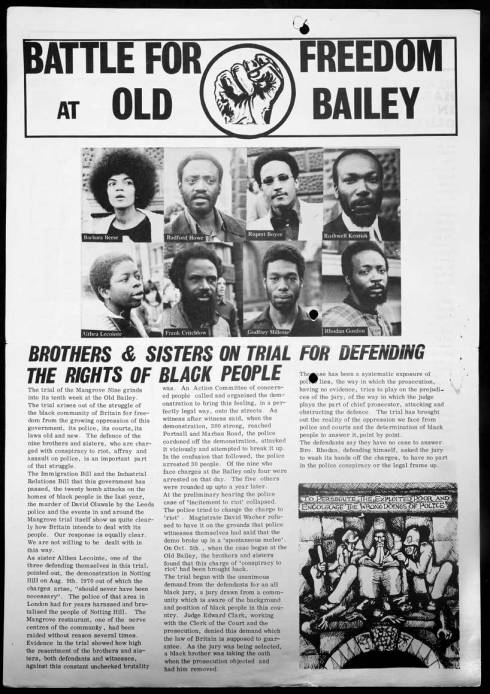
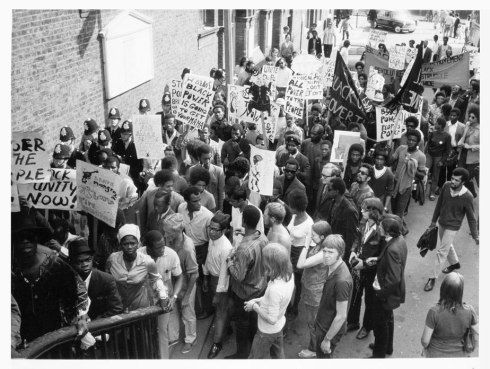
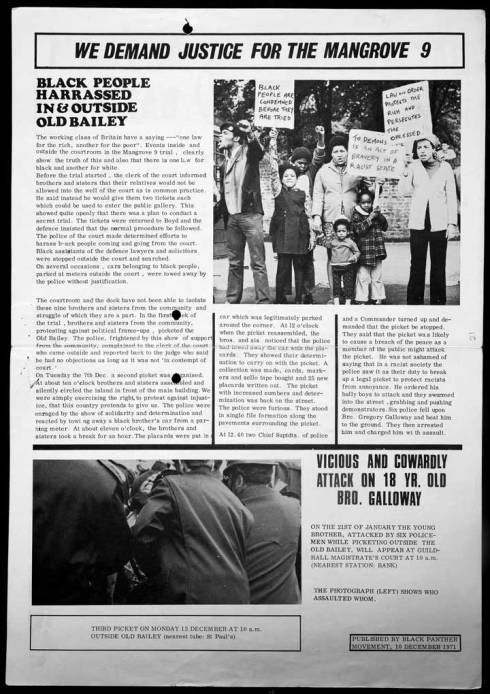
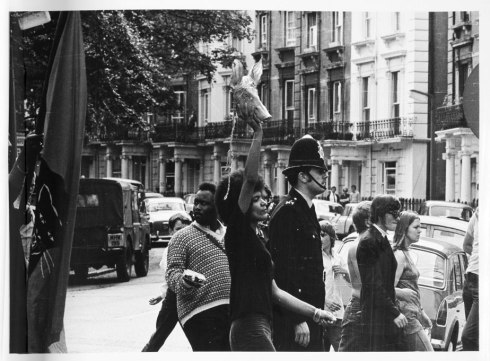
wrote about the emergence of the Black Power movement in the UK, for Timeline. Specifically, about a small set of images of one protest and associated ephemera:

At the start of the 1970s, the Black Panther movement in the United States was both well established and well organized. It was also well feared by the authorities. By contrast, black activism in the U.K. was young, with barely a toehold on power. The trial of the Mangrove Nine, in 1970, changed all that.

and

According to the National Archives, photographs such as the ones you see here were “used by the police to suggest that key allies of the Black Power movement were implicated in planning and inciting a riot.”

Read more: When cops raided a hip 1970s London cafe, Britain’s Black Power movement rose up


(Untitled) © Petey, 2016. From the Humanize the Numbers Workshop.


In the Exposure Magazine interview It’s Time to Talk Social Justice, Isaac Wingfield lays out the strategies, challenges and successes of facilitating a joint prisoner/college student photography workshop in prison.

Through the support of the University of Michigan, Wingfield coordinates the Humanize the Numbers project, which began its work in late 2015 at the Thumb Correctional Facility and has since moved to another prison after a leadership change at Thumb.

Humanize the Numbers began from a conversation with the incarcerated men about what they wanted their photography to do. Suspecting that many representations of prisoners dehumanize, they wanted to change the script; they wanted to take the unfathomable and depressing statistics that dominate commentary about prisons, locate their position in relation, and then go beyond mere numbers. The men wanted to focus on the personal and the individual. They wanted to be accountable and to represent to themselves.

There’s a lot of common sense in the article. Wingfield covers everything from diligent planning, to acknowledging that the department of corrections is a key partner. From understanding that any in-prison program is vulnerable to abrupt changes of rules by prison administrators, to an honesty that Michigan students gain as much through the program than the men on the inside.

Critically, Wingfield and his collaborators discussed who their audience was. They decided to get the work into the hands of lawmakers in Michigan. Having that intention can direct and galvanize art making. Below, in italics, I’ve pulled what I believe to be the article‘s most important talking points and points of departure for further discussion.

“Skill building with cameras was popular among a group that was mostly preparing for reentry, but telling personal stories was more important among a group of lifers.”

“I wanted to avoid the traditional service-learning dynamic with students coming in to serve a needy population by providing something that well intentioned outsiders (professors or students) thinks the community needs. Power relationships are often neglected in these traditional service-learning courses…”

“This project is ultimately about humanizing people, acknowledging their individual stories and skills. If that doesn’t happen in the workshop itself, how will it ever happen when the resulting photographs make their way beyond the workshop?”

“It is helpful to recognize the lurking collaborator in the project: the MDOC is often silent participant but still an essential partner.”


In-process workshop, courtesy Humanize the Numbers.

(Untitled) © Jamal Biggs, 2016. “Me along with my brothers and cousins when we were younger. Half of them have since passed away at young ages. Of the others still living, only one of them has remained in contact with me since my incarceration. The pain and blessing of prisonseverely straining and often severing family relationships, but also giving me time to grow up and saving me from the same fate of dying young which has befallen my other family members.” From the Humanize the Numbers Workshop

In-process workshop, courtesy Humanize the Numbers.


“After discussion in one workshop about the intended audience for their photographs, we mailed photographs to two Michigan advocacy organizations, the MDOC Director and to every Law and Justice Committee member in the Michigan state House and every member of the Judiciary Committees in the Michigan state House and Senate. […] we never saw any responses from the policymakers who received images, [but] simply getting the images in front of them and sharing the perspective and the stories of the incarcerated men from the workshop made it a success.”

Despite only positive feedback “the new warden unexpectedly denied our request for a third workshop […] a few weeks before we were scheduled to start I was on the search for a new facility to host the workshop/course.”

“For those students (and there are many) who have never seriously considered the criminal justice system, getting to know the men inside the system is perhaps the most transformative part of the course.”


Read and see more: It’s Time to Talk Social Justice: Isaac Wingfield & the Humanize the Numbers Prison Photography Workshop

Visit the Humanize the Numbers website.


For the purposes of social media, I highlighted these same main talking points in a Twitter thread too.


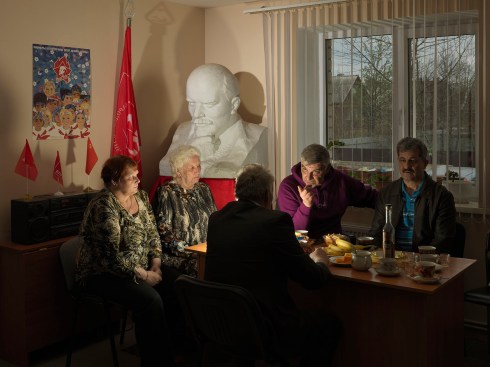
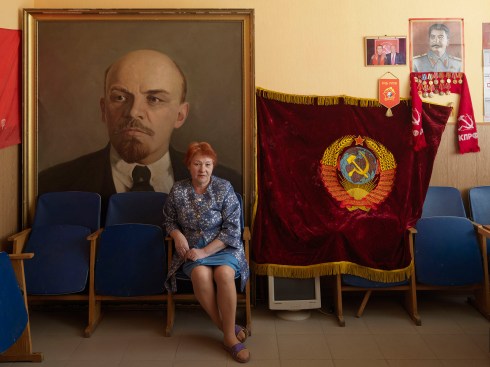
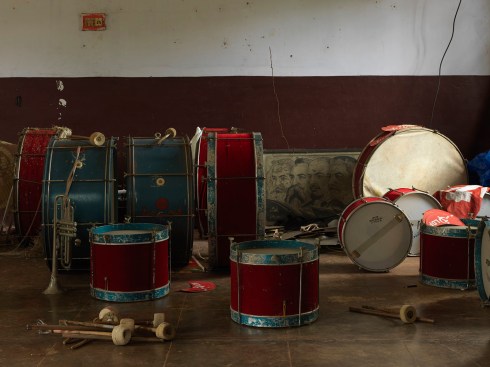
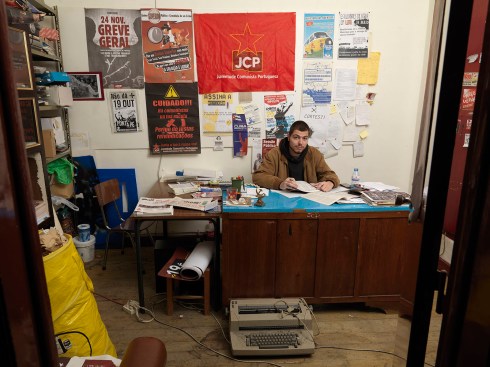
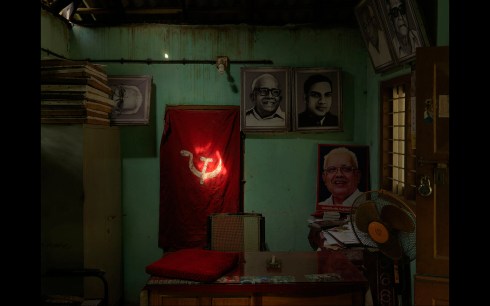
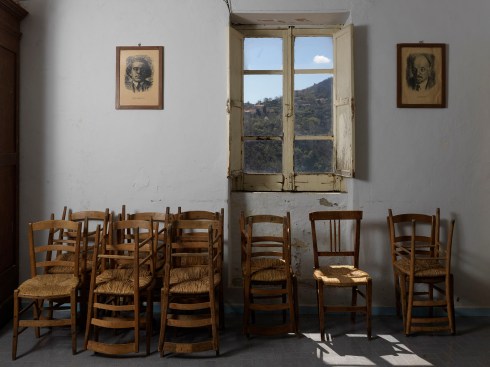
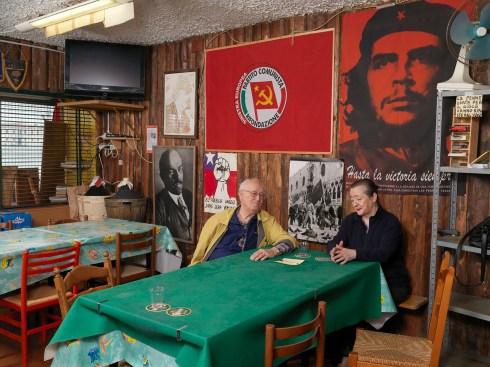
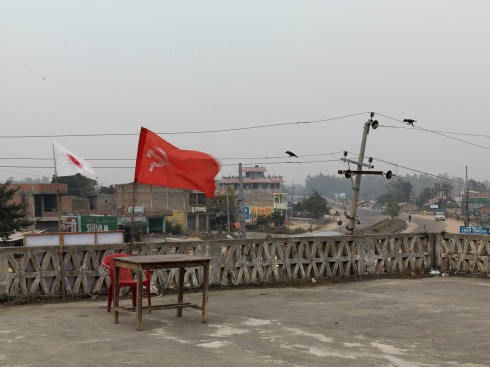
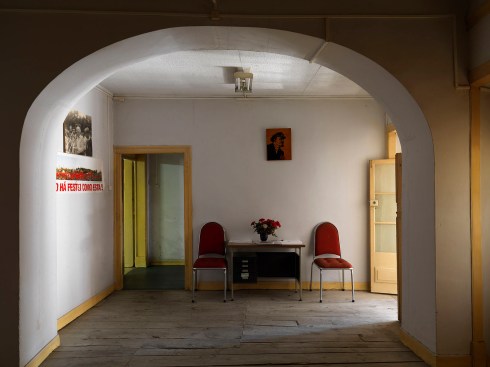
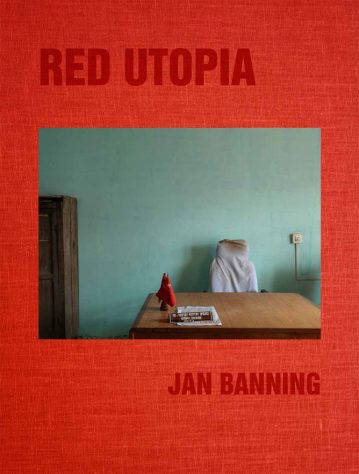
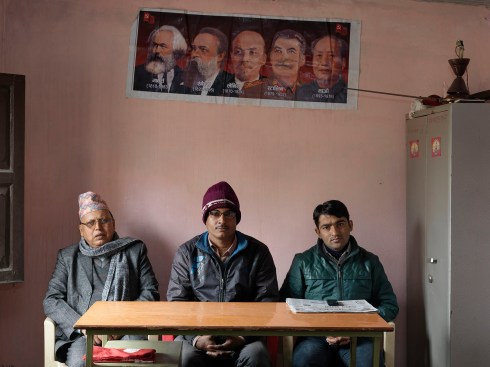
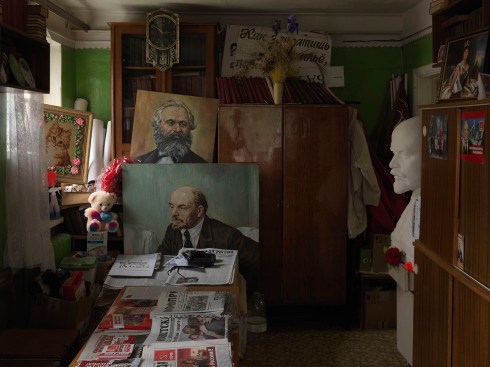
Dutch photographer Jan Banning is fascinated by what communism looks like today. In 2013, he set out to document the obscured activities of small Communist Party chapters in Italy, India, Nepal, Portugal and Russia.

“I’m interested in countries in which communism isn’t a dominating ideology and places I could assume that members do it out of conviction and not because they think it’s good for their career,” says Banning of the series, Red Utopia. “Many of the local party members I met, who are still plodding along, certainly have a place in my heart now — either because of their own sad fate or because of how they devote themselves to social justice, often unpaid, and in many practical ways offer help to ordinary people.”

I wrote about the work for Timeline. Read and see more: Photos: A look at communists and their humble party offices around the globe


My end of year resolution was to avoid best of lists. My new years resolution is to write more letters on paper to actual people. Here’s 8-minutes of writing I made for the LensCulture 2017 Best Photobooks list.

I nominated three books, but only Jim Mortam’s was included in LC’s published rundown best of. By comparison, my selections look not very arty and quite concerned with real life.

Rob Stothard and Silvia Mollicchi

Removal


Impeccably researched, quietly shot, and brilliantly designed to mimic a UK Home Office report, Removal takes stock of the immigration real estate *portfolio* in Britain. Safely photographed from distance, Stothard’s unfrequented images remind us that we see virtually nothing of the insides of these sites. The extent to which private firms contract, own and operate these facilities is shocking.

Jim Mortram

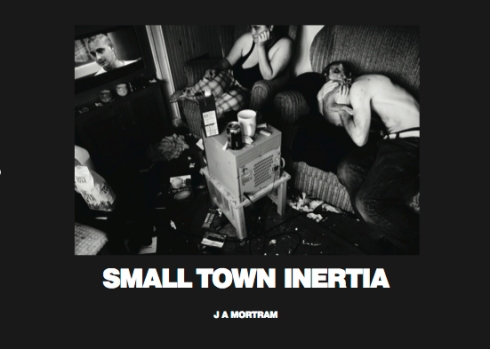
Small Town Inertia


A long time coming (in the best way), Small Town Inertia proves that you needn’t chase the big smoke, the big names or the big bangs to make important work that speaks universally. From the town of Dereham and the surrounds, Mortram has made work that should remind us of our deep connection to, and responsibility for, our neighbours.

Jeffrey Stockbridge

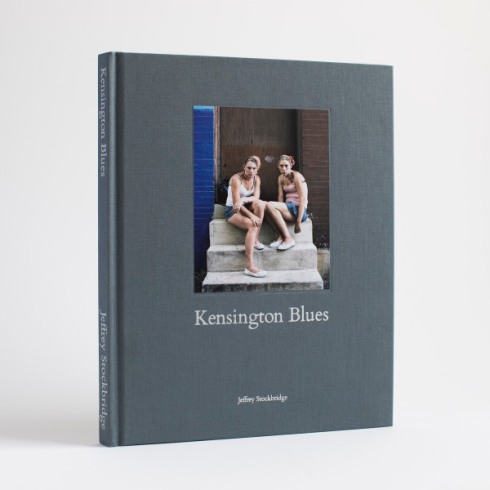
Kensington Blues


A comprehensive, difficult and generous portrait of Philadelphians in some very challenged parts of the city. Stockbridge lived among his subjects and was a fixture on the blocks; that’s important to know because he has exposed some subjects while they’re engaged in risky behaviours. Subjects stand in the light, adopt body shapes and fix their stares right down the lens. Some scenes in Kensington Blues aren’t pretty but, then again, you’re not pretty. Most of the characters and their strength of character just take your breath away.


Artist-filmmaker Nirit Peled and director Sara Kolster have produced A Temporary Contact, a real time series of text messages and short videos delivered via WhatsApp and Facebook Messenger, that allows users to join family members as they journey from New York city to upstate prisons and back.

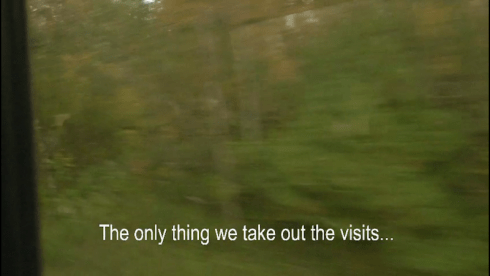
Over 30-hours, beginning at 10pm the evening after you sign up, you’ll receive at first few texts and then consistent volley of 22 short videos. The main protagonist is Amanda, a 20-year-old from Brooklyn who is visiting her brother, but other women speak to the camera and relay their experiences. Most videos are 45 seconds long and shot from the aisle of the bus. Gas station and restroom breaks are a relief for all. Audio is overlaid the blurred land at 60mph. I include a few screencaps for the purposes of this commentary.
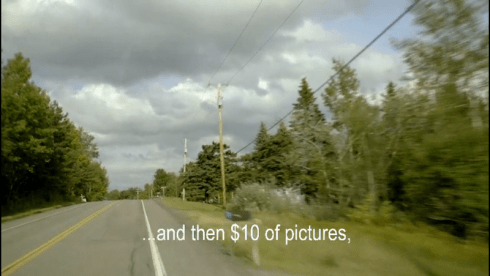


As we know, the majority of new prison construction in the past 30 years has occurred in rural America and in post-industrial towns. The “logic” was to replace the dead agriculture and manufacturing jobs with prison jobs. However, the small (and ever-decreasing) benefits that may have been brought to struggling, job-scarce populations are eclipsed by the hardships wrought upon prisoners and their distant friends and families. A Temporary Contact takes us on the weekend journey that family–mostly women and children–make; a journey essential for keeping family ties. Bear in mind that, for incarcerated persons, maintaining close relations with loved ones is the most important factor in helping them stay out the system after release.

New York state, as with other large states such as California, Texas and Illinois, is one of the worst offenders in siting prisons hundreds of miles from the communities from which prisoners are extracted. A Temporary Contact offers users a moment inside the collateral damage done by this particular extended and prohibitively expensive travel.

Some thoughts on the title: Temporary contact is fleeting, it’s real but not sustained. The title simultaneously recognises the intermittent opportunities that family have to make in-person visits (those with financial means and time, might make the journey as often as twice a month), but also points to our passing point of contact with a time-consuming (and likely foreign) travel-commitment which prisoners’ loved ones regularly and necessarily sign up for.

Despite the journey’s substantial 30-hour timeframe, it’s one that is largely self-contained and not seen … except for maybe the lines of people waiting for pick up at 34th street or Columbus Circle in NYC late on a Friday or Saturday evening. (For an in-depth photo essay on prison buses, please see Jacobia Dahm’s work; read the interview she and I did; and then read this follow-up conversation Dahm had with Candis Cumberbatch-Overton, who Dahm photographed as she visited her husband John.)

There are many revealing moments in A Temporary Contact and it’d be foolhardy to describe them; you should just sign up for the messages toy our own smartphone. The presence of time–and time seen–is part of the art’s structure! That said, I thought it instructive that immediately following their departure from the prisons, the women shared photos of their loved ones and talked about the costs to have the portraits made.

“The only thing we take out the visits,” says Amanda, “are the pictures.”


The women compare costs of a single Instax picture. In one prison it is $2 per photo. In another it is $4. They talk about physical changes, new facial hair, how they all appear in one another’s photos. They laugh and gripe about the quality of the murals in front of which they must stand for the portraits.

Visitors are allowed to have five pictures made on each visit. Despite the huge expense (relative to single prints in free society) the women tend to get five. Max out on memories. Optimise the presence of their loved one in the world. A photo is a thin slice of time, but it is a substantial presence in the free world of someone who is behind bars in a limbo-state of social death.


It seems that every photography conference these days is talking about getting beyond the frame, and using new technologies and digital platforms to tell stories. Peled and Kolster propose a model that delivers important, compelling content with direct efficiency. The bar for access is as low as it gets; who doesn’t have WhatsApp or Facebook on their phones at this point? The temporal quality of the project is key. The success of A Temporary Contact rests on the fact that, every one or two hours, users are prodded with gentle reminders of other’s devotion to time … time spent in love and support of prisoners.

I wholly recommend A Temporary Contact. I learnt new things, I think you will too.

A Temporary Contact was developed within the framework of the veryveryshort competition, a NFB and ARTE co-production in collaboration of IDFA Doclab. Very very short is a collection of 10 interactive projects for smartphones, exploring the theme of mobility through very, very short experiences – all under 60 seconds.

Credits
Creators: Nirit Peled & Sara Kolster
Camera: Aafke Beernink
Editor: Wietse de Swart
Additional editing: Paul Delput
Sound mix: Sander den Broeder
Color: Maurik de Ridder
Developer: Martijn Eerens
Scripting: Wireless Services
Music: Amit Gur & Itai Weissman
Cast: Amanda, Diamond, Gina, Latoya and Stephany
Research help: Ilja Willems, Five Mualimm-ak, Ray Simmons
Special thanks: Katie Turinski, Junior from Flambouyant Transportation Inc., Het Raam, Hortense Lauras



PRISON ART LIBRARY IN THE MAKING

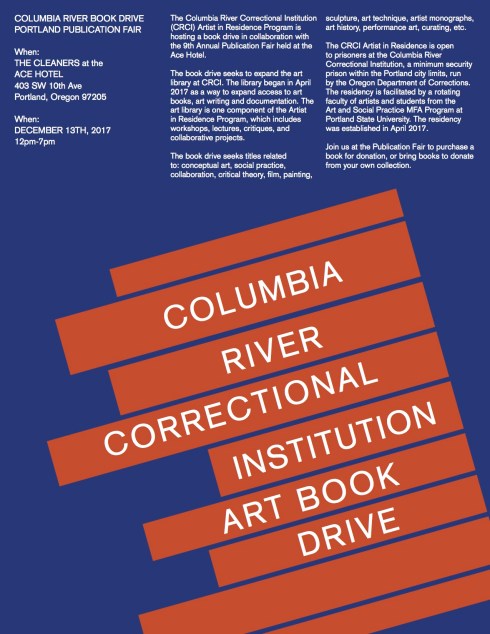
If you’re in or near Portland, Oregon and if you’ve art books you no longer want on your shelves, please consider donating the to the Columbia River Correctional Institution (CRCI) Art Book Drive.

This Wednesday, December 13th, from 12-7pm, the CRCI Artist In Residence Program is holding a Book Drive at the 9th Annual Publication Fair held at the Ace Hotel Cleaners space.

The book drive seeks titles related to: conceptual art, social practice, collaboration, critical theory, film, painting, sculpture, art technique, artist monographs, art history, performance art, and curating.

Go on. Donate your books!

The CRCI Art Book Library began in April 2017 as a way to expand access to art books, art writing and documentation. The art library is one component of the Artist in Residence Program, which is open to prisoners at the Columbia River Correctional Institution, a minimum security prison within the Portland city limits, run by the Oregon Department of Corrections. The residency is facilitated by a rotating faculty of artists and students from the Art and Social Practice MFA Program at Portland State University.
PUBLICATION FAIR

After you’ve donated your books, go check out the booths full of paper goods from these lovelies:

4341 Press

Ampersand Gallery & Fine Books

Anthology Booksellers

Antiquated Future

Book Arts Editions

Container Corps

Couch Press

Douglas F. Cooley Memorial Art Gallery

Floating World Comics

Forest Avenue Press

Future Tense Books: A Micro-Press

Gobshite Quarterly

Impossible Wings

Independent Publishing Resource Center

Microcosm Publishing

Mixed Needs

Monograph Bookwerks

Octopus Books

Passages Bookshop

Perfect Day Publishing

Personal Libraries Library

Portland Institute for Contemporary Art

Quotidian Press

Sunday Painter Press

Sidebrow

Tavern Books

Tin House

Two Plum Press

University of Hell Press

URe:AD Press

Volumes Volumes

YesYes Books


EMAIL

prisonphotography [at] gmail [dot] com

Prison Photography Archives

Post Categories